"Dragon tongue" is a common name in Guangdong and Hong Kong for various types of flatfish, especially those in the suborder Soleum. These fish are named for their flattened bodies, which resemble a tongue (in Cantonese, "脷" means tongue), hence the name "dragon tongue" or "dragon tongue fish" (also written as "龙利鱼"). The scientific name for dragon tongue fish is * Solanum tongueti*, and it is also commonly known as scad or tongue sole. Belonging to the order Flatfish, it is a marine fish prized for its tender, boneless flesh with no fishy or unpleasant odor, and its ability to remain tender even after prolonged cooking.
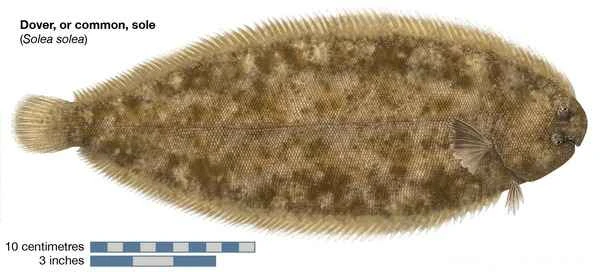
So, what kinds of sole are there? We've compiled a list of ten common and delicious tongue sole species, including half-smooth tongue sole, short-snout tongue sole, broad-bodied tongue sole, three-lined tongue sole, spotted tongue sole, Jiao's tongue sole, Chinese tongue sole, Western tongue sole, black-gill tongue sole, and lined tongue sole. Let's take a look at the classification and characteristics of these tongue soles.
1. Half-smooth tongue sole (the main species artificially farmed, Northwest Pacific)
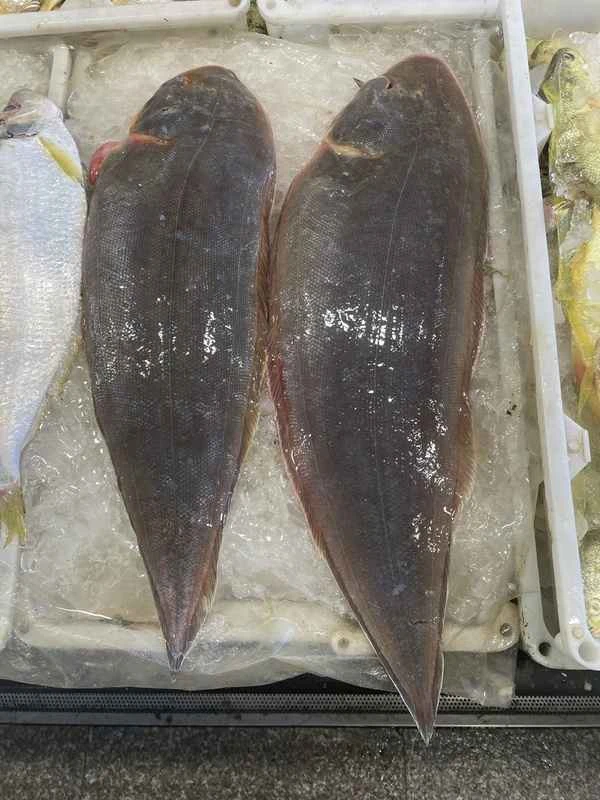
The tongue sole is one of the most common types of sole, and most sole sold in the market are of this type. The tongue sole has an elongated, laterally compressed, tongue-shaped body. The side with the eyes is dark brown, the unpaired fins are brown, while the side without eyes is grayish-white. Adults lack a swim bladder and pectoral fins. There is significant difference between males and females; females can live up to 14 years, while males live approximately 8 years.
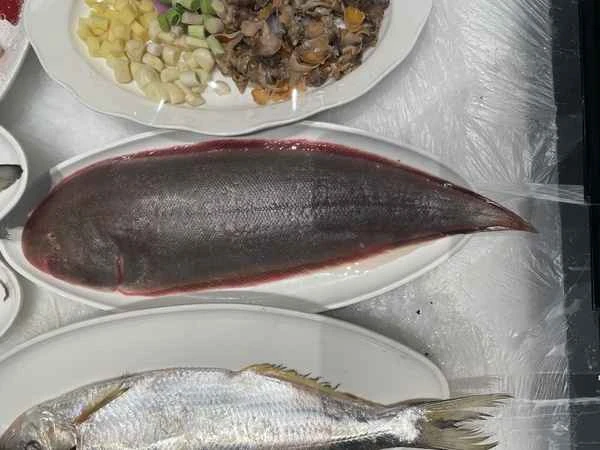
The tongue sole is mainly distributed in the Northwest Pacific region, with Korea, Japan, and China being its main production areas. While tongue sole production was once high, due to resource depletion, artificial breeding has now been successfully achieved. Farmed tongue sole has meat comparable to wild-caught fish, with a delicious flavor and high protein content, making it a high-end economic fish.
2. Tongue sole (body length 15-20cm, China/Japan/Korea)
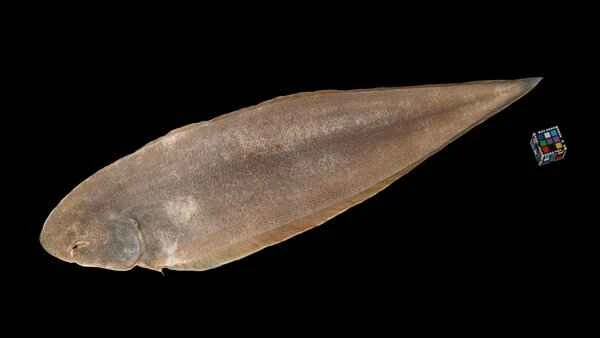
Tongue sole is widely loved for its delicious taste and high nutritional value. It gets its name from its short snout. It has a slender body, a short head (length and height are roughly equal), a blunt, pointed snout, and a narrow mouth. The jaws on either side of its eyes are toothless, and its pelvic and anal fins are connected. The teeth on the eyeless jaws are villiform. The body is typically 15-20 cm long, but can reach up to 30 cm.
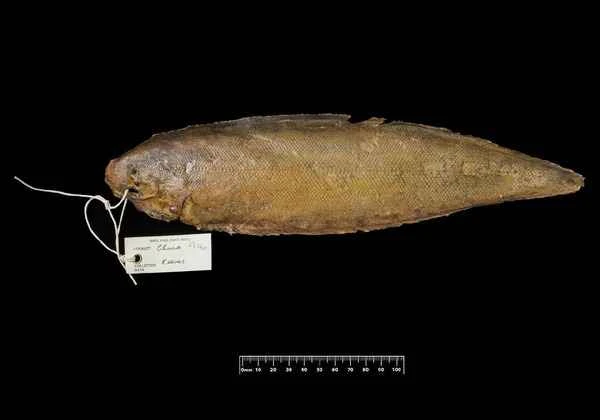
Tongue sole is mainly distributed in the Yellow Sea, Bohai Sea, East China Sea, and surrounding waters of Japan and South Korea. It typically inhabits nearshore waters, migrating to deeper offshore waters for the winter. It feeds on crustaceans, mollusks, and small fish, and spawns in April with buoyant eggs. Tongue sole meat is delicious and can be eaten fresh.
3. Broad-bodied tongue sole (body length 25-40cm, western North Pacific)
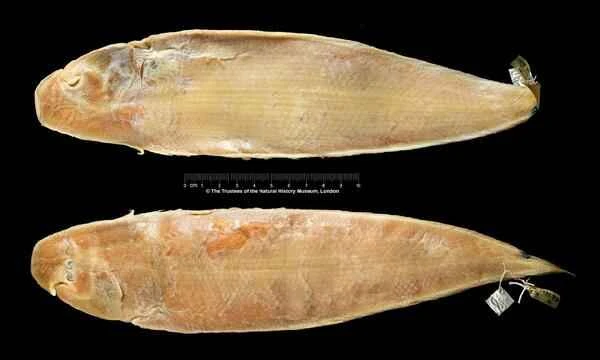
The broad-bodied tongue sole is one of the top ten sole fish species, named for its wide body. It is a warm-water, near-shore, bottom-dwelling fish, mainly distributed in the western North Pacific. It is caught in major fishing grounds along the coast of my country, particularly the Haiyangdao and Shidao fishing grounds. The broad-bodied tongue sole typically measures 25 to 40 centimeters in length and weighs approximately 500 to 1500 grams. It has a short head, small eyes, and both eyes are located on the left side of its head. Its mouth is located at the bottom, with a downward-curving, arched snout that is symmetrical.
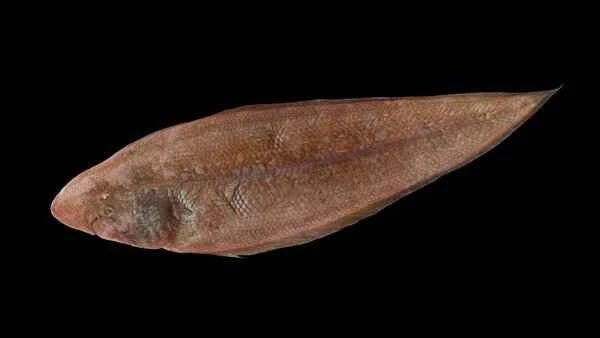
In summer, the meat of the broad-bodied tongue sole is particularly plump and delicious, tender and not greasy, making it suitable for steaming or braising to preserve its original flavor. Furthermore, broad-bodied tongue sole is also excellent for processing into salted dried products.
4. Three-lined tongue sole (with three lateral lines on the eye side, found in the western North Pacific)
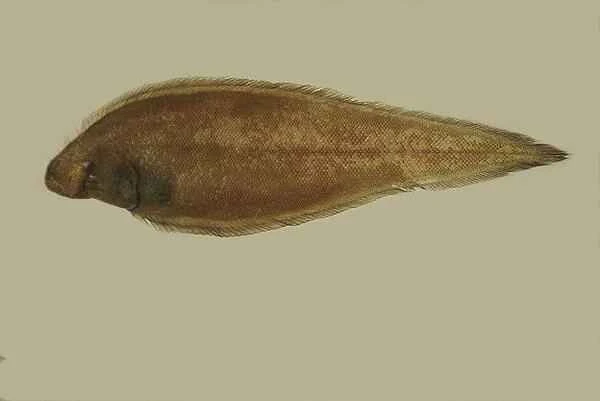
The three-lined tongue sole, also known as the "golden-edged sole" or "golden-edged sole," is one of the most delicious varieties of sole. The three-lined tongue sole has a long, flat body, with its head slightly longer than its height. Several irregular brown spots adorn the head and the left side of the body, while the scales on both sides of the body are small. The side with the eye has three lateral lines, which are grayish-brown in color, while the eyeless side has no lateral lines and is white. The color of the side with the eye can vary depending on the color of the substrate in its habitat.
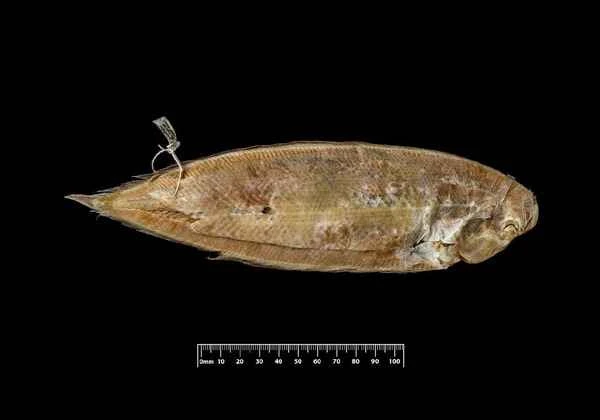
The three-lined tongue sole is widely distributed in the western North Pacific and can adapt well to changes in water salinity. It is commonly found in brackish water areas of river estuaries and sometimes also inhabits freshwater. In my country, the "golden-edged tongue sole" from the Pearl River Estuary is highly prized for its delicious flavor.
5. Spotted tongue sole (with brown spots and stripes on its body, found in the northern Indian Ocean)
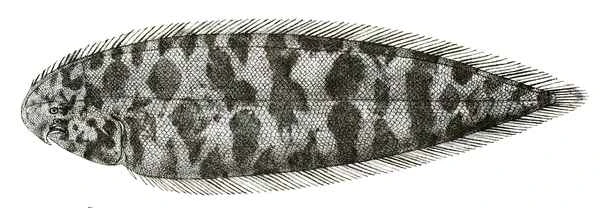
The spotted tongue sole is one of the most distinctive-looking sole species due to its irregular stripes. It is distributed along the northern coast of the Indian Ocean, from Indonesia in the east to China and Japan in the north. In my country, it is mainly found in the South China Sea and the Taiwan Strait. It typically inhabits muddy or sandy seabeds and feeds primarily on benthic invertebrates.
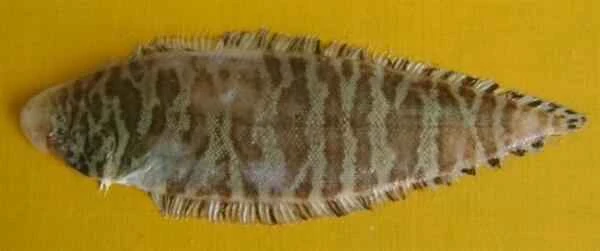
The spotted tongue sole has a tongue-shaped, laterally compressed body with a slightly short head, a relatively short snout, large eyes, a small mouth, and narrow, elongated gill openings. The dorsal fin originates on the dorsal surface at the front of the snout, while the anal fin originates below the posterior margin of the gill cover, connecting to the caudal fin at its posterior end. The side with the eye is brown with irregular brown spots and stripes, and the unpaired fins also have dark lines. The spotted tongue sole typically measures 80 to 100 mm in length.
6. Jiao's tongue sole (light reddish-brown on the left side of the body, from Korea/Japan)
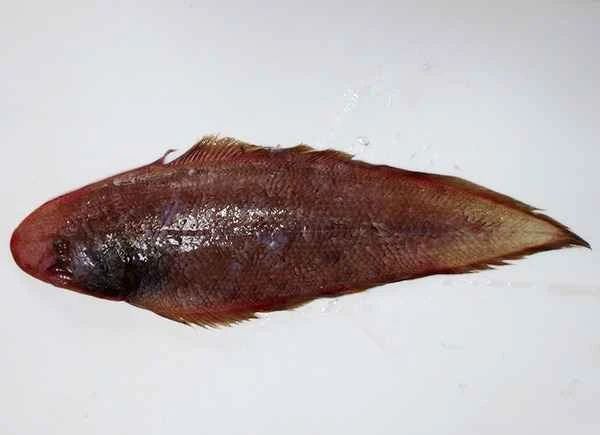
*Cyclophorus jouissima*, also known as the short-snouted red tongue sole, is a species of fish belonging to the genus *Cyclophorus* in the family Soleidae. It typically ranges in length from 130 to 202 mm and possesses the typical characteristics of tongue soles: a long, flattened body, eyes located on the left side, and a mouth extending behind the eye. Its unique feature is that its left side is pale reddish-brown with dark longitudinal stripes in the center of its scales and yellow fins that gradually turn brown, while its right side is white.
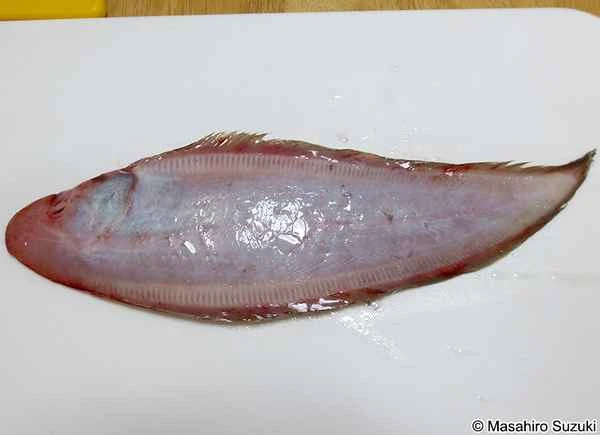
The tongue sole of Jiao is widely distributed in Korea and areas south of the new island of Japan. In my country, it is mainly distributed in the waters from the Bohai Sea to the Pearl River Estuary, and is particularly common in the north. It inhabits muddy and sandy bottom areas on the continental shelf near the coast, usually at depths of 20 to 70 meters, and feeds on benthic invertebrates such as polychaetes and crustaceans.
7. Chinese tongue sole (South China Sea/East China Sea)
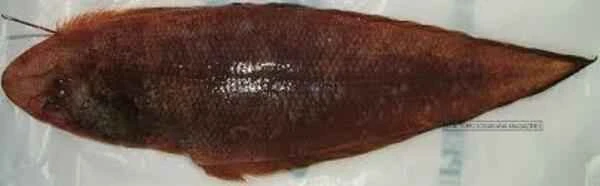
The Chinese tongue sole is one of the top ten tongue sole species, mainly distributed in the South my country Sea and East China Sea. It has a high meat yield, no small bones, and delicate, delicious flesh with a smooth, tender texture. It has no fishy or other unpleasant odors, making it ideal for steaming to preserve its original fresh and delicious flavor.
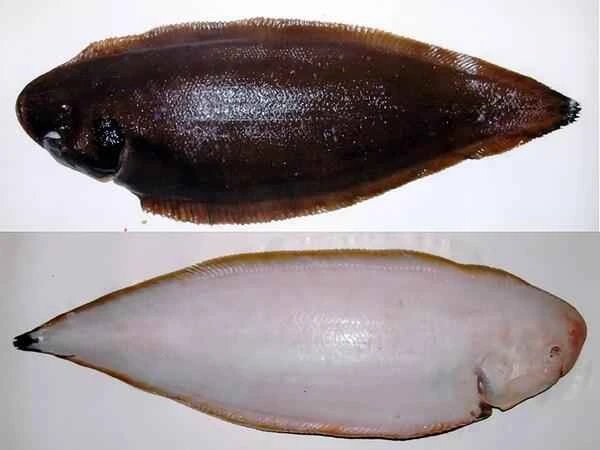
The Chinese tongue sole has a long, flattened body, slightly pointed at both ends. Its eyes are relatively small, with the upper eye slightly forward of the lower eye. The interorbital space is flat and covered with small ctenoid scales. The eyed side of its body is covered with ctenoid scales, while the eyeless side is covered with cycloid scales. All fin rays are not covered by scales. The eyed side is brown, often with large black spots on the gill covers, while the eyeless side is white. The Chinese tongue sole can adapt to seawater, freshwater, and brackish water environments and has a wide distribution.
8. West Bogota (Indonesia/China)
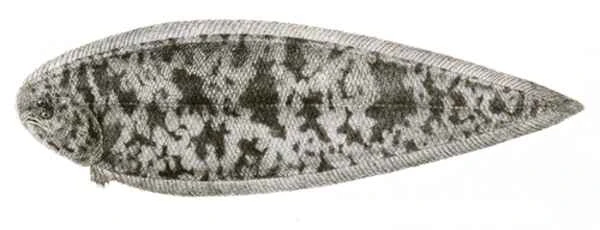
Tongue sole is one of the most popular sole fish, widely favored for its delicious taste. It has a short, laterally compressed body, with a body length approximately 3.6 times its body depth, a head length 2.9 times its snout length, and an eye diameter approximately 6.9 times its head length. The interorbital space is very narrow, almost connecting the two eyes. The sides with eyes are brown with dark spots, and the unpaired fins also have some small dark spots. It has no fine bones or fishy smell. The flesh is delicate and smooth, suitable for various cooking methods such as steaming, stewing, braising, pan-frying, or boiling, all resulting in a very delicious flavor. Furthermore, tongue sole is rich in various nutrients, and regular consumption may help promote brain development.
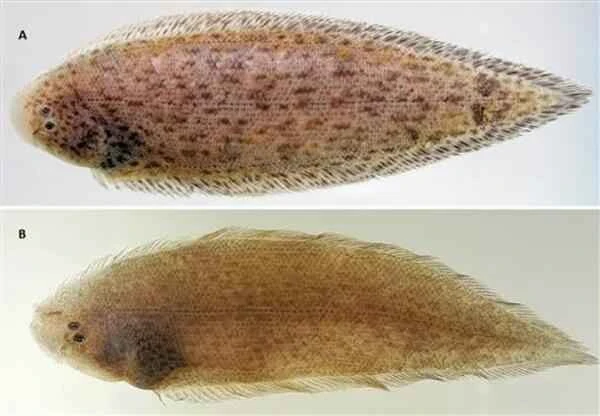
The Western Tongue Sole is mainly distributed in the warm, shallow bottom waters of the western Pacific Ocean, typically at depths between 69 and 91 meters. It is mainly found in China, Indonesia, and other regions, with abundant resources in the South my country Sea and the Taiwan Strait.
9. Black-gill tongue sole (Northwest Pacific)
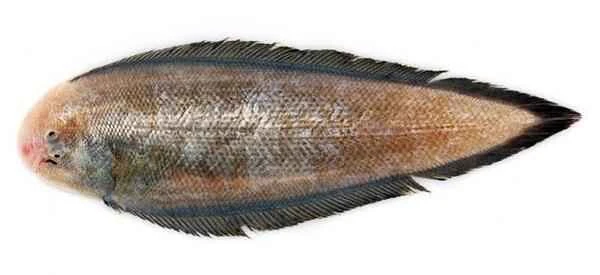
The black-gill tongue sole, named for the irregular black spots on its gill covers, is one of the ten most common sole species. It is widely distributed in the Northwest Pacific Ocean and is very common in the South my country Sea, Taiwan Strait, and East China Sea. It is a delicious and edible marine fish.
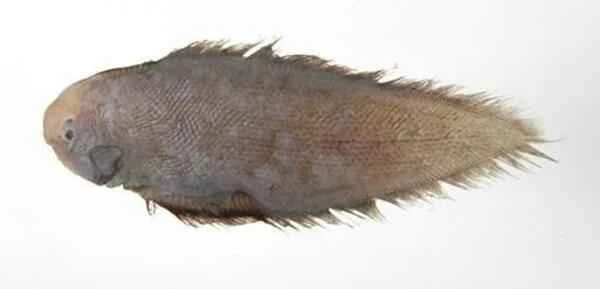
The black-breasted tongue sole has a tongue-shaped body, a relatively short head, and a relatively long snout. Its eyes are located on the left side of its head. The anterior nostril on the eyed side is tubular and located in front of the lower eyelid, while the posterior nostril is located in front of the interorbital space. The two nostrils on the eyeless side are positioned higher. The eyed side is covered with ctenoid scales, while the eyeless side has cycloid or weakly ctenoid scales. Except for the caudal fin, all fins are not covered with scales. The black-breasted tongue sole has a dorsal and anal fin, but no pectoral fins; the eyed side has pelvic fins connected to the anal fin by a membrane, while the eyeless side lacks pelvic fins.
10. Lineated tongue sole (South China Sea)
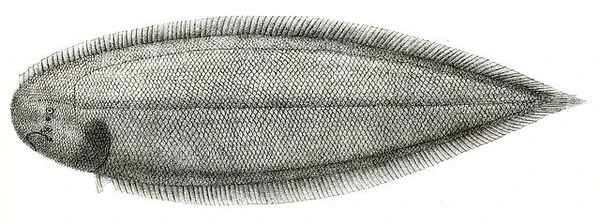
The lined tongue sole is a bottom-dwelling fish and one of the top ten well-known sole species. It has a long, tongue-shaped body covered in ctenoid scales on both sides. The left side is light brown with fine black longitudinal stripes along the scale rows, while the right side is white. Its dorsal, anal, and caudal fins are connected, with unbranched fin rays. The origin of the dorsal fin is located on the dorsal surface near the front of the snout, just above the extension of the upper edge of the upper eye. The origin of the anal fin is located slightly below the posterior edge of the gill cover, at a similar height to the dorsal fin. The caudal fin is pointed, and it lacks pectoral fins.
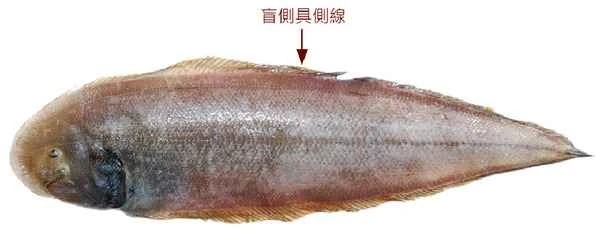
The tongue sole is mainly distributed along the coast of China. It is a small bottom-dwelling fish endemic to the shallow waters of the South China Sea and is commonly found in the nearshore waters of Guangdong, Guangxi and Hainan Island.
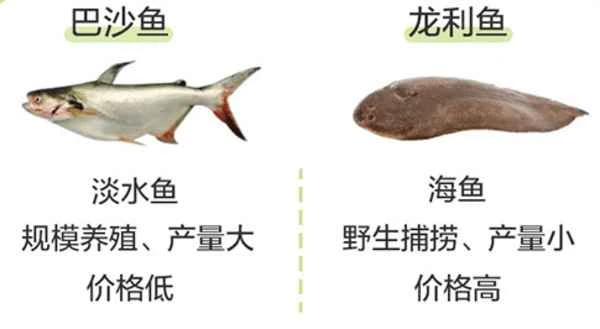
The list of the top ten sole fish species is based on a combination of public awareness and other relevant rankings and lists, and is for reference only. If you have any questions, please feel free to discuss and exchange ideas in the comments section. It is important to note that basa fish is not sole fish. Basa fish belongs to the order Siluriformes, scientifically known as *Calamus bonito*, and although its flesh is similar to sole fish, they belong to different families and genera.