Lizards: A Unique Role in Wildlife
Lizards are a unique and diverse group of wild animals in nature. As members of the reptile family, lizards not only play an important role in the ecosystem but are also fascinating due to their distinctive appearance and behavioral characteristics. This article will delve into the basic characteristics of lizards, their habitats, and their importance in the ecosystem to help you better understand this mysterious wild animal.
What is a lizard?
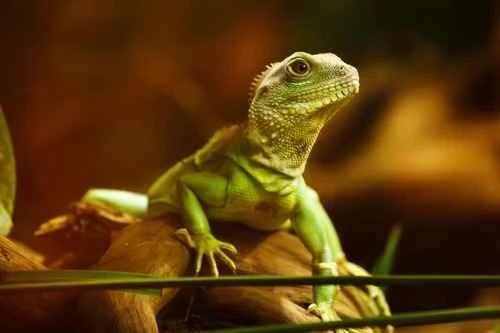
Lizards are an important category within the class Reptilia, belonging to the order Squamata and the suborder Sauria. They typically have four limbs, a long tail, and scales covering their entire bodies. Lizards are incredibly diverse, ranging in size from small geckos to massive Komodo dragons, and are found in habitats all over the world.
Basic characteristics of lizards
Physical characteristics: Lizards typically have long, flexible bodies, with limbs divided into forelimbs and hindlimbs. Some lizards can even climb trees or run quickly in the desert. A lizard's tail is usually quite long, used for balance and to escape predators.
Skin and Scales: Lizards' skin is covered with scales of various shapes and colors. These scales help them adapt to different environmental conditions, such as preventing dehydration or camouflage to avoid predators. Some lizards also possess special abilities, such as color change, to adapt to their environment.
Sensory Abilities: Lizards have a highly developed visual system, enabling them to perceive changes in their surroundings; some lizards can even see ultraviolet light. Their sense of smell and hearing are also very acute, helping them react when searching for food and avoiding danger.
Lizard Habitat
Lizards have an extremely wide range of habitats, from tropical rainforests to arid deserts; they can be found in almost any environment. Their habitats include:
In tropical rainforests, lizards such as geckos and tree lizards use the dense vegetation and trees for hiding and foraging. They are able to retain body moisture in the humid environment.
Desert lizards, such as rattlesnake lizards, have adapted to the dry and hot environment. They seek refuge from the heat and retain moisture by digging burrows or finding shady spots in the desert.
Lizards in grasslands and forests often use vegetation and crevices in the ground to hide themselves and hunt for insects and other small prey in these environments.
The role of lizards in the ecosystem
Lizards are insect predators, and they help control insect populations and maintain ecological balance. For example, geckos reduce the number of mosquitoes and other small insects by preying on them.
Lizards play an important role in the food chain. They are not only predators of insects but also prey for birds, snakes, and other predators. In this way, lizards maintain the balance between species in the ecosystem.
Ecological indicator lizards are highly sensitive to environmental changes, and their health status can serve as an indicator of the quality of the ecological environment. For example, changes in lizard populations and species may reflect habitat destruction or climate change.
The Importance of Protecting Lizards
Many lizard species face threats to their survival due to habitat destruction and climate change. Protecting lizards and their habitats is crucial for maintaining the health of ecosystems. Measures to protect lizards include:
Habitat protection : Protecting and restoring the natural habitats of lizards and preventing deforestation and land development.
Reduce capture : Limit the over-capture and trade of lizards to avoid stressing their populations.
Education and Public Awareness : Raise public awareness of lizards and their ecological role, and advocate for ecological conservation.
Lizards, as important members of the wildlife community, possess unique biological characteristics and ecological roles. From tropical rainforests to arid deserts, lizards demonstrate remarkable adaptability to diverse environments. They play a vital role in ecosystems, controlling insect populations, maintaining food chain balance, and indicating ecological health. Protecting lizards and their habitats is an important step in protecting Earth's ecosystems. Let us work together to create a safer future for these mysterious reptiles.