Animals that are artificially hybridized in the world
In the animal kingdom, most species in nature follow their own reproductive patterns. However, with the development of science and technology, humans have begun to artificially intervene in animal hybridization, creating species that do not exist in nature. These hybrid animals typically possess characteristics of both parent animals, and some are even stronger or larger than their parents. This article will detail several well-known artificially hybridized animals from around the world, exploring their causes, characteristics, and their roles in science, agriculture, and recreation.
1. Liger
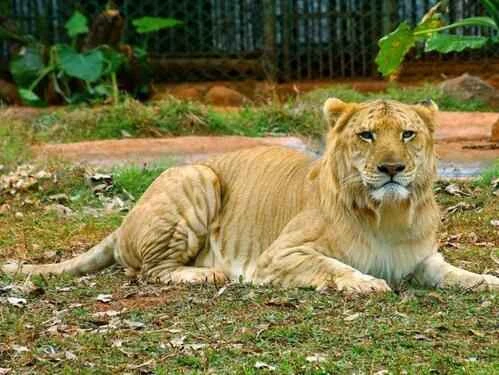
A liger is a hybrid animal born from the mating of a male lion and a female tiger, and is known for its enormous size and unique appearance.
Morphological characteristics
The liger is one of the largest feline species in the world, weighing over 400 kilograms, larger than both lions and tigers. They have golden fur with faint stripes and typically lack the thick mane of a male lion. Ligers generally inherit the tiger's love of swimming while also exhibiting the lion's sociable behavior.
Reasons for breeding
The breeding of ligers primarily takes place in zoos and private enclosures, with the aim of attracting tourists and facilitating scientific research through this exotic creature. Because lions and tigers inhabit different habitats in the wild, they typically do not interbreed naturally.
health issues
Ligers typically face a range of health problems due to their enormous size, including joint issues and skeletal diseases. Furthermore, male ligers are usually unable to reproduce, making it biologically impossible for them to sustain their populations.
2. Mule
A mule is a hybrid animal produced by mating a male donkey and a female horse. Mules were among the earliest hybrid animals utilized by humans and played a vital role in agriculture and transportation.
Morphological characteristics
Mules inherit the stamina of donkeys and the strength of horses, possessing a robust physique that is durable and tire-resistant. They are typically larger than donkeys but slightly smaller than horses, combining the best qualities of both.
Reasons for breeding
Mules have been widely used in agriculture, transportation, and warfare since ancient times because they are better adapted to harsh working conditions than donkeys and horses. Mules have very strong working abilities, excellent endurance, and are less prone to illness.
health issues
Mules have limited reproductive capacity; the vast majority of mules are infertile. Because mules have a different number of chromosomes (donkeys have 62 chromosomes, horses have 64), their offspring are often infertile.
3. Tigon
A liger (Tigon) is a hybrid offspring of a male tiger and a female lion. Unlike a liger, a liger is typically smaller than its parents.
Morphological characteristics
Lions typically inherit the stripes from their father (tiger) and the size from their mother (lion), and are smaller than ligers. Their distinctive features include shorter fur, and sometimes a small amount of mane.
Reasons for breeding
The liger is bred primarily for scientific research and display purposes. This animal is almost impossible to find in the wild because lions and tigers have different living environments and behavioral patterns.
health issues
Similar to ligers, lions also face reproductive issues, as most male lions are unable to reproduce.
4. Boar-Hog Hybrid
Wild boar hybrids are offspring of domestic pigs and wild boars. While such hybridization sometimes occurs naturally in the wild, artificial hybridization is primarily used to develop more resilient and adaptable breeds.
Morphological characteristics
These hybrid animals typically possess the robust physique of a wild boar and the rapid growth characteristics of a domestic pig. They have thicker hair, are more robust than ordinary domestic pigs, and may be more aggressive.
Reasons for breeding
The purpose of crossbreeding wild boars and domestic pigs is to create pig breeds that are more adaptable to different environments, especially in farms requiring cold or heat tolerance. Wild boar genes endow them with stronger disease resistance and adaptability, while domestic pig genes help improve meat production.
5. Beefalo
**Beefalo** are offspring of domestic cattle and North American bison. They possess the advantages of both species, making them particularly valuable economically in meat production.
Morphological characteristics
Petunias are larger than regular domestic cattle, possessing the cold resistance and robust physique of bison while maintaining the meat production capacity of domestic cattle. Their appearance combines the thick coat of North American bison with the overall build of domestic cattle.
Reasons for breeding
The purpose of breeding petite cattle is to improve the quality and quantity of meat while reducing breeding costs. Petite cattle meat is leaner than that of ordinary domestic cattle and is extremely cold-resistant, making it suitable for raising in harsh climatic conditions.
6. Cama
**Cama** are offspring of camels and alpacas. They are hybrid animals created through artificial insemination, primarily for the purpose of increasing wool production in agriculture and the textile industry.
Morphological characteristics
The size of a tufted camel is intermediate between that of a camel and an alpaca. Its soft fur has a very high commercial value. They typically inherit the fur of an alpaca and the body shape of a camel, and are highly adaptable.
Reasons for breeding
The breeding of zebu camels is primarily for obtaining high-quality wool, which is more durable than that of purebred alpacas. Their smaller size and ease of care make them a significant economic asset in the wool production industry.
7. Fish hybridization: Splake salmon
**Splake salmon** is a hybrid of lake trout and stream trout. This hybrid fish is mainly used in aquaculture and fisheries management to enhance the growth rate and adaptability of the fish.
Morphological characteristics
Spotted salmon are relatively large, grow quickly, and have a hybrid appearance resembling two different fish species. They can adapt to a variety of aquatic environments and are quite cold-hardy.
Reasons for breeding
Spotted salmon have been introduced into some freshwater lakes to improve the health and numbers of fish populations. This fish is very popular in both commercial and sport fisheries due to its rapid growth rate and delicious flesh.
Summarize
Artificially hybridized animals have provided immense value to various fields, including scientific research, agricultural production, and entertainment. Through hybridization, scientists can create animals with superior traits that not only meet human needs but also thrive in specific environments. However, artificially hybridized animals also face a series of biological challenges, such as limited reproductive capacity and health defects. Therefore, while pursuing economic benefits, it is crucial to carefully consider the welfare and protection of these animals.