Share this
The world's burrowing animals: How do they adapt to their environment?

The world's burrowing animals: How do they adapt to their environment?

2026-01-19 16:03:15 · · #1

Digging is a fundamental survival skill for many animals. Burrows not only provide shelter but also help animals hide food, reproduce, and escape predators. Around the world, many species of animals adapt to different environments by digging burrows, from deserts to forests, from grasslands to beaches. These animals create safe habitats for themselves through digging and occupy an important position in complex ecosystems.

Classification and Functions of Burrowing Animals

Burrowing animals can be classified according to their digging purpose and methods. Different animals exhibit different skills and unique behavioral patterns during the digging process. The functions of digging typically include:

  1. Habitat : To provide oneself or a group with a safe and reliable place to live, sheltered from wind and rain.

  2. Reproduction : They dig burrows to serve as places for laying eggs or raising young, and to protect their offspring from predators.

  3. Food storage : Some animals store food by digging burrows to ensure their survival during seasons when food is scarce.

  4. Defense and hunting : Some animals dig burrows as escape routes to avoid predators or as advantageous positions to ambush prey.
    c6d88d0a4827ac9ab89ebb6a86578fd6.jpeg

The world's representative burrowing animal

1. Mole

  • Habitat : Grasslands and forests in Europe, Asia, and North America.

  • Burrowing Characteristics : Moles are master burrowers, spending almost their entire lives underground. Their powerful forelimbs and forepaws with sharp claws enable them to quickly dig intricate networks of tunnels. A mole's burrow system typically includes multiple tunnels, food storage areas, and dedicated "bedroom" areas.

  • Function : Moles primarily catch insects, earthworms, and other food by digging burrows. Their burrows not only provide them with habitats but also help regulate soil structure and aeration.

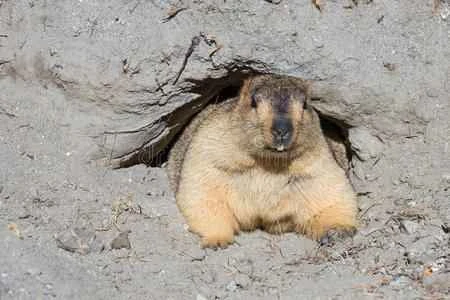
2. Marmot

  • Living environment : grasslands and mountains in North America and Europe.

  • Burrowing characteristics : Marmots are social animals, and their burrow systems typically consist of multiple entrances and complex tunnels. Marmot burrows not only provide living space but also serve a temperature regulation function, helping them safely survive hibernation during the cold winter.

  • Function : Groundhogs use burrows to protect themselves from predators (such as eagles and foxes) and to store enough food for winter.

3. Wombat

  • Habitat : Australian forests and grasslands.

  • Burrowing characteristics : Wombats are among the largest burrowing mammals in the world. Their powerful forelimbs and claws allow them to dig tunnel systems up to 30 meters long. These burrows have multiple entrances and ventilation systems, helping wombats stay cool in hot weather.

  • Function : Wombats' burrows provide them with habitat and serve as refuge from the heat or predators.

4. Meerkat

  • Habitat : Arid grasslands of southern Africa.

  • Burrowing characteristics : Meerkats live in groups and typically dig complex burrowing systems. Each burrow network has multiple entrances and exits, allowing them to quickly escape predators.

  • Function : Meerkats' burrows are not only habitats but also the core of their social life. They use burrow systems to provide a safe breeding environment and to escape the scorching sun.

5. Rabbit

  • Habitat : Widely distributed forests, grasslands, and agricultural areas worldwide.

  • Burrowing characteristics : Rabbits, especially European rabbits, typically dig tunnel systems called "warrens." These burrow systems usually include multiple passages, nests, and ventilation openings, suitable for rabbits to live in and breed.

  • Function : Rabbit burrows provide a safe habitat, especially during the period of raising young, when they can hide underground from predators.

6. Jerboa

  • Living environment : Desert and arid regions of Asia and Africa.

  • Burrowing characteristics : Jerboas are known for their unique burrowing methods. They dig simple burrow structures underground in the desert, usually with multiple entrances, to help them enter and escape quickly.

  • Function : The jerboa's burrow provides a shelter from the desert heat and helps them store food they find at night.

7. Crab

  • Habitat : Coastlines and wetlands worldwide.

  • Burrowing characteristics : Many crabs, especially land crabs and beach crabs, burrow to protect themselves from predators or tides. Their burrows are usually located at the edge of beaches or wetlands.

  • Function : Crabs burrow to avoid the sun and predators while keeping their bodies moist. The burrows also provide them with a warm habitat, helping them survive and reproduce.

8. Earthworm

  • Living environment : Soils around the world, especially farmland and grasslands rich in organic matter.

  • Burrowing characteristics : Earthworms are not typical burrowing animals, but they form complex tunnel systems by constantly wriggling and eating soil in the soil. These tunnels not only help earthworms move, but also have a positive impact on soil structure.

  • Functions : Earthworm tunnels provide vital channels for soil aeration and drainage, promoting plant root growth. Their burrowing behavior also helps maintain healthy and fertile soil.
9. Honey Badger

  • Habitat : Grasslands, forests, and deserts in Africa, India, and the Middle East.

  • Digging characteristics : Honey badgers are renowned for their strength and skill in digging, possessing hard and powerful claws. They can quickly dig burrows up to 3 meters deep to avoid predators or hide while searching for prey. Honey badger burrows are typically simple and single-purpose.

  • Function : Honey badgers dig burrows to catch prey underground, especially snakes and rodents. Their burrows can also provide shelter when facing predators such as lions or hyenas.

10. Pangolin

  • Habitat : Forests, grasslands, and arid regions of Africa and Asia.

  • Burrowing characteristics : Pangolins have powerful forelimbs and hard claws, enabling them to effectively dig into hard ground. Their burrows serve not only as habitats but also as a means of catching ants and termites, which are their primary food source.

  • Function : Pangolin burrows provide them with safe havens, protecting them from predators such as leopards and hyenas, and helping them survive when food resources are scarce.

11. Naked Mole Rat

  • Living environment : Arid underground in East Africa.

  • Burrowing characteristics : Naked mole-rats are social animals that live in complex underground burrowing systems. They live in social structures similar to ant colonies or bee colonies, led by a "queen." Naked mole-rats cooperate to dig large-scale underground tunnel systems in order to find food and water.

  • Function : The naked mole-rat's burrow system provides safe shelter for the entire group, protects them from extreme weather conditions, and provides storage space for their food (underground root plants).

12. Greater Bilby

  • Living environment : Australia’s arid deserts and grasslands.

  • Burrowing characteristics : The giant kangaroo is an endangered Australian burrowing mammal that digs spiral burrows up to 3 meters long. These burrows are not only complex in structure, but also have multiple exits and compartments for living, breeding, and storing food.

  • Function : The burrows of kangaroos help them escape the scorching desert sun and predators (such as wildcats). Their digging behavior also has a positive impact on the desert ecosystem, helping plants grow by stirring up the soil.

13. Sea Turtles

  • Living environment : Warm coastlines around the world, especially tropical and subtropical regions.

  • Burrowing characteristics : During the egg-laying season, female sea turtles come to the beach to dig nests, using their hind legs to dig deep pits in the sand before laying their eggs. These burrows are usually covered with fine sand to protect the eggs from predators or extreme weather.

  • Function : Sea turtles' burrowing behavior is crucial for protecting the growth of their eggs. Their burrows provide a suitable incubation environment, helping sea turtle hatchlings safely return to the sea after hatching.

14. Gray Fox

  • Habitat : Forests and grasslands of North America.

  • Burrowing characteristics : Gray foxes are small burrowing mammals that dig burrows as temporary shelters. Gray foxes typically choose existing burrows or natural fissures to expand upon, and dig new tunnels as needed.

  • Function : Gray foxes use burrows for hiding, especially when escaping large predators. They also use burrows to protect their young and store food inside.

15. Opossum

  • Habitat : Forests and urban fringe areas of North America.

  • Burrowing characteristics : Opossums themselves are not particularly good at digging, but they will use burrows dug by other animals (such as groundhogs or rabbits) as their habitats. They will sometimes expand existing burrows to meet their own needs.

  • Function : Opossums find safe shelter by borrowing burrows from other animals and use the burrows as breeding and raising places for their young.

16. Ground Squirrel

  • Habitat : Grasslands and forests around the world, especially in North America and Eurasia.

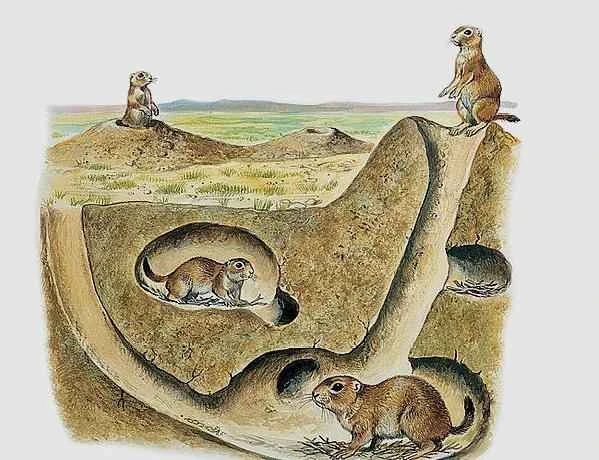
  • Burrowing characteristics : Squirrels (especially ground squirrels) dig complex underground burrow systems to store food, roost, and breed. Their burrows typically include multiple entrances to ensure a quick escape in case of danger.

  • Function : Squirrel burrows help them store food, especially in winter, when they rely on these stored nuts and seeds to survive. In addition, burrows provide squirrels with a warm habitat and protect them from extreme weather.

17. Orangutan

  • Habitat : Southeast Asian rainforest.

  • Burrowing characteristics : Although orangutans are not typical burrowing animals, they sometimes use natural pits or tree holes as habitats. They also dig burrows in the soil to find insects and food.

  • Function : Orangutans' burrowing behavior is mainly related to finding food. Their digging behavior helps control insect populations and, in this way, helps regulate the local ecological balance.

18. Crab-eating Raccoon

  • Habitat : Tropical rainforests and wetlands of Central and South America.

  • Burrowing characteristics : The krait is a small mammal that is very good at digging, and it usually digs burrows in muddy riverbanks or wetlands. They use their powerful front claws to dig simple burrows as temporary habitats to avoid predators.

  • Function : The burrowing system of the khadbit not only provides it with shelter, but also enables it to better hunt small aquatic animals such as crabs and fish.

19. Tasmanian Devil

  • Habitat : Forests and grasslands of Tasmania, Australia.

  • Burrowing characteristics : Tasmanian devils are well-known burrowing animals. They use their strong claws to dig underground burrows, which are usually used as places to hide and store food.

  • Function : Tasmanian devils' burrows provide them with safe habitats, especially when they are active at night. Their burrows also help them avoid predators and harsh weather conditions.

2de79219e5f0298da340e425f8913fa8.jpeg

  • Evolutionary advantages of burrowing

  • The ability to burrow is an adaptive trait that has been preserved through natural selection. For many animals, burrowing is crucial for their survival in the face of predators, climate change, and food scarcity. By going deep underground, animals not only avoid many external threats but also live and reproduce in more stable and predictable environments.

  • The evolutionary advantages of this behavior include:

  • Reduced risk of predation : Burrowing animals can quickly enter underground to avoid being caught by predators.

  • Coping with extreme environments : Burrows provide a shelter that can regulate temperature and humidity, helping animals survive in extreme climatic conditions.

  • Protecting reproductive success : Caves provide a safe and secluded environment for animal young, increasing the chances of offspring survival.

The impact of burrowing animals on ecosystems

Burrowing animals not only benefit themselves but also have a profound impact on the environment and ecosystems. Here are some of the major ecological benefits of their burrowing behavior:

  1. Improving soil quality : Many burrowing animals help the soil to circulate air and water during the burrowing process, promoting the growth of plant roots.

  2. Maintaining ecological balance : Through burrowing, animals provide shelter and food resources for many other species, thus promoting biodiversity.

  3. Regulating the water cycle : Burrows of some animals help with water infiltration and storage, especially in arid regions, where burrowing helps retain and utilize water.


Various animals around the world rely on burrowing skills for survival and reproduction. This behavior not only helps them avoid predators, regulate temperature, and protect their young, but also directly or indirectly helps maintain the balance and health of ecosystems by improving soil quality and regulating the water cycle. These burrowing animals demonstrate how they survive in complex and changing environments through adaptive behaviors and form an inseparable relationship with the surrounding ecosystems.

Read next

A new genus and species of Jurassic diploid saurid, *Lingwulong*

On July 24, Xu Xing's team from the Institute of Vertebrate Paleontology and Paleoanthropology, Chinese Academy of ...

Articles 2026-01-12