The 15 most endangered animals in the world
With environmental degradation and intensified human activities, many animal populations are facing the threat of extinction. Below are 15 of the world's most endangered animal species, whose survival is severely threatened and who urgently need our protection.
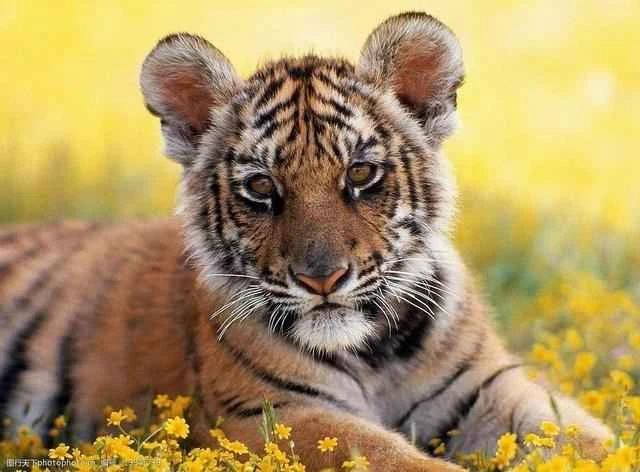
1. South China tiger (Panthera tigris amoyensis)
The South China tiger was once widely distributed in southern China, but due to habitat loss and illegal hunting, wild South China tigers are now almost extinct, with only a small number of individuals breeding in protected areas.
2. Giant Panda (Ailuropoda melanoleuca)
Although the giant panda population has rebounded somewhat thanks to conservation efforts, they remain listed as an endangered species by the International Union for Conservation of Nature (IUCN). Habitat encroachment by agriculture and infrastructure development threatens their survival.
3. Sumatran orangutan (Pongo abelii)
This orangutan is found only on the Indonesian island of Sumatra, where its habitat has been rapidly reduced due to illegal logging and palm oil cultivation, leading to a significant decline in its population.
4. Javan rhinoceros (Rhinoceros sondaicus)
The Javan rhinoceros is one of the rarest mammals on Earth, with only about 70 individuals remaining. Its numbers have plummeted due to poaching and habitat loss.
5. Amazon River dolphin (Inia geoffrensis)
Amazon dolphins live in the Amazon River in South America, but their habitat is severely threatened by pollution, habitat destruction, and illegal hunting.
6. Northern white rhinoceros (Ceratotherium simum cottoni)
The northern white rhinoceros is almost extinct. There are only two remaining in the world, both of which live in protected areas and are female. The population recovery faces great difficulties.
7. Galapagos tortoise (Chelonoidis nigra)
Due to human encroachment on the Galapagos Islands and the introduction of alien species, the population of this large tortoise has plummeted. Although it has recovered somewhat in recent years through conservation measures, it remains endangered.
8. Java monkey (Hylobates moloch)
Java monkeys live on the island of Java in Indonesia. Due to deforestation, their habitat is rapidly shrinking, and fewer than 2,500 wild individuals remain worldwide.
9. Hawaiian monk seal (Neomonachus schauinslandi)
These rare seals live only in the waters around the Hawaiian Islands and are threatened by climate change, predators, and human activities. Their global population is less than 1,400.
10. Black-footed ferret (Mustela nigripes)
The black-footed ferret, native to North America, was once thought to be extinct, but its numbers have gradually recovered after successful capture and breeding programs. However, it still faces threats from habitat loss and disease.
11. Lao rock rat (Laonastes aenigmamus)
The Lao rock rat is an ancient rodent once thought to be extinct, but it was rediscovered in the 1990s. Its numbers continue to decline due to habitat destruction.
12. Great Tit of Vietnam (Pseudibis davisoni)
This bird species, which inhabits wetlands in Southeast Asia, faces a severe threat of habitat loss, with fewer than 1,000 individuals remaining worldwide.
13. Polar bear (Ursus maritimus)
Polar bears rely on sea ice for hunting and survival, but due to the melting of sea ice caused by climate change, their living environment is deteriorating and their population is declining rapidly.
14. Yellow-eyed penguin (Megadyptes antipodes)
Yellow-eyed penguins are among the rarest penguin species in the world, mainly inhabiting New Zealand's South Island. Due to the impact of fishing and human activities, they face a survival crisis.
15. Sri Lankan elephant (Elephas maximus maximus)
The Sri Lankan elephant is a subspecies of the Asian elephant. Due to habitat loss and illegal hunting, its population has declined sharply, and there are currently only about 5,000 left in the world.
The global situation regarding animal endangerment is worsening. Besides the 15 species mentioned above, many other species are on the verge of extinction. Protecting endangered animals is not only crucial for maintaining biodiversity but also key to protecting ecosystem health. Each of us can contribute to the future of these endangered animals by reducing our consumption of natural resources, supporting conservation projects, and raising public awareness of environmental protection.