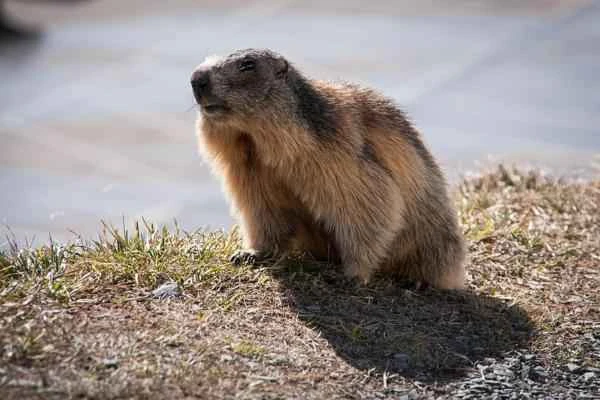
Introduction <br/>Every February, on "Groundhog Day," Phil, a groundhog in Panxetonny, Pennsylvania, peeks out of his burrow to "predict" whether spring is approaching. This tradition has made the groundhog one of the most well-known wild animals in North America. However, the groundhog family extends far beyond the United States; they are also found in the alpine meadows and cold plains of Europe and Asia. This article will comprehensively introduce the natural history of the groundhog, covering its morphological characteristics, habitat, diet, behavior, and reproduction, helping readers gain a deeper understanding of this typical burrowing rodent.
I. Morphological characteristics
| project | describe |
|---|---|
| Classification | Order Rodentia Sciuridae (squirrel family) genus Marmota |
| weight | 3–7 kg (depending on the species; Alpine groundhog M. marmota averages about 5 kg, while marmot M. baibacina can reach 7 kg) |
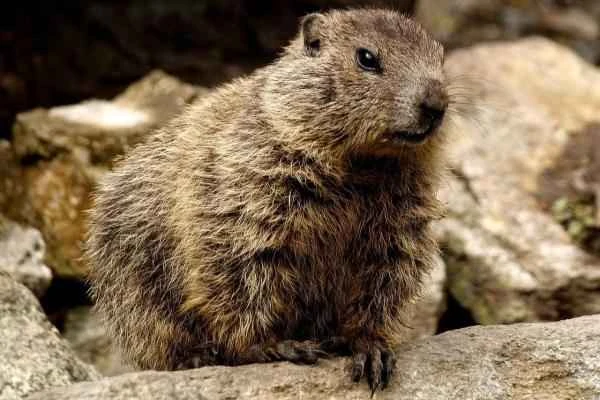
| Body shape essentials | It has a large head, short neck, and stout body; short but powerful limbs; and a short, thick tail that is about 1/4 to 1/3 the length of its body. |
| thermal insulation structure | The undercoat is dense and soft, while the outer guard hairs are longer and coarser; the tips of the guard hairs are slightly lighter in color, appearing grayish-white or yellowish-brown, creating a "frost-like" appearance. |
| Cold resistance | The small exposed area of the ear flaps and the short extremities reduce heat loss; the well-developed subcutaneous fat layer provides energy reserves for hibernation. |
II. Habitat and Geographical Distribution
Found only in the Northern Hemisphere :
North America : Extending from Alaska and vast areas of Canada to the northeastern United States and the Rocky Mountain plateau.
Eurasia : from the Alps and Pyrenees in the west to Siberia, Mongolia, and the Himalayas-Tibet Plateau in the east.
High-altitude preference : Of the 15 recognized species, except for the American marmot ( M. monax ) which can live in low hilly woodlands at 0–1,000 m, the rest mostly inhabit alpine meadows, subalpine grass slopes or tundra at 1,500–4,000 m.
Periglacial ecology : Marmots are well adapted to the cool summers and cold winters of the periglacial environment with its low vegetation. After the retreat of the Quaternary glaciers, populations in different mountain ranges were isolated, leading to the evolution of various endemic species.
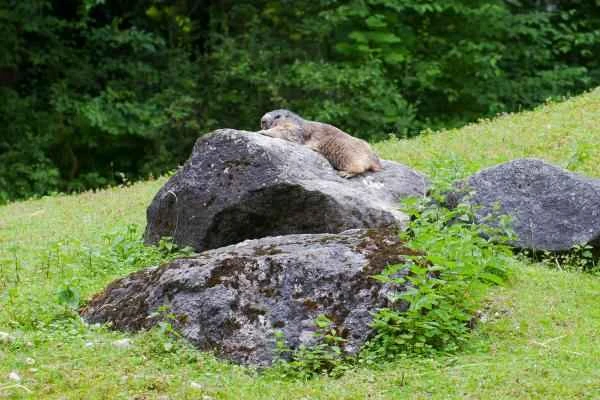
Common habitat characteristics : They prefer open, well-drained grassy or scree slopes; they avoid dense forests and wetlands in order to be vigilant and dig for nests.
III. Dietary and Energy Strategies
Staple foods high in fiber : tender leaves, flowers, and tender stems of alpine herbaceous plants such as grasses, chrysanthemums, and legumes.
Seasonal supplementation : Some species will feed on insects, young birds, or bird eggs to supplement their protein and mineral intake.
Fat accumulation : Intensive eating during spring and summer to rapidly increase body weight by 30–40% to provide sufficient fat for hibernation.
Division of labor and vigilance : During foraging, there are always "sentinels" responsible for vigilance. When predators such as birds of prey and foxes are spotted, they will sound a sharp whistle, and all members will immediately flee back to the cave.

IV. Cave Engineering and Behavioral Ecology
| Behavioral Themes | Detailed Explanation |
|---|---|
| diurnal | Most species are active during the day, using light to maintain body temperature and improve alertness. |
| Community Structure | Eurasian alpine groups (such as Alpine marmots) live in family groups; North American marmots are mostly solitary, forming pair pairs only briefly during the breeding season. |
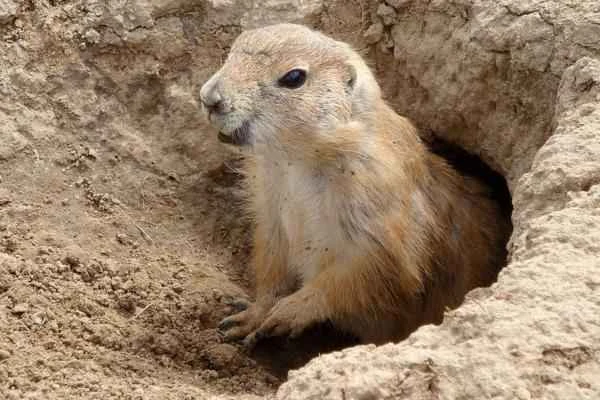
| Cave system | The main tunnel can be up to 20 m long and 2–3 m deep, and includes a nursery, a food storage room, and a "hibernation chamber"; some species build a separate hibernation burrow with thicker soil and fewer entrances in addition to their summer burrows. |
| hibernation mechanism | Dormant for 5–7 months (depending on latitude and altitude) Their body temperature can drop below 5°C, and their heart rate slows to 3–10 beats per minute; they may intermittently wake up to excrete waste, and some species may not leave their burrows throughout the entire winter. |
V. Reproductive Biology
| index | data |
|---|---|
| Reproduction frequency | Most species do so once a year; the Olympic marmot ( M. olympus ) does so approximately every two years. |
| Breeding season | In spring (immediately after hibernation, they enter estrus and pair up). |
| Number of fetuses | Each litter contains 4–5 offspring (3–8 offspring have been recorded). |
| sexual maturity | Around 3 years old, some females delay their first birth until 4 years old. |
| Age at leaving the nest | The young are driven from the mother's nest in the autumn of the year of birth or the spring of the following year to establish new nesting areas independently. |
VI. Humans and Groundhogs: Culture and Conservation
The Groundhog Day tradition : A tradition in Pennsylvania that has continued since 1887, using whether groundhogs see their shadows and return to their burrows to determine if winter will “last another six weeks.”
Economic and ecological value :
Loosening the soil and creating holes improves soil aeration in alpine meadows;
It provides an important food source for birds of prey such as kestrels and golden eagles;
The cave has been reused by species such as snow chickens and marmot flies.
Threat factors :
High-altitude tourism development has led to grassland degradation and cave trampling.
Climate warming shortens the snow season and affects the energy balance during hibernation.
Regional hunting (for fur and meat) still exists in a few areas.
Conservation status : Except for a few populations with narrow distributions that are listed as Near Threatened on the IUCN Red List of Threatened Species, most marmot populations remain relatively stable, but the long-term impacts of habitat fragmentation and climate change need to be monitored.
Conclusion
With their exceptional burrowing abilities, strict hibernation physiology, and unique social system, marmots have become indispensable engineer-like species in the cold plains and alpine ecosystems of the Northern Hemisphere. Understanding their lifestyle not only enhances our knowledge of rodent diversity but also provides important insights for the ecological conservation of alpine meadows and tundra. This accessible introduction aims to help readers gain systematic, practical, and engaging knowledge while browsing animal websites.