Spain's Mesozoic strata (especially those in the Aragon region) preserve a wealth of dinosaur bones, fossilized eggs, coprolites, and footprints (over 200 dinosaur footprint sites have been recorded nationwide). This article selects 25 dinosaur groups identified or named in Spain over the past quarter-century, arranged chronologically and phylogenetically, and includes important fossil sites and key identification points. It is suitable for publication on natural science, paleontology, or tourism and culture platforms.
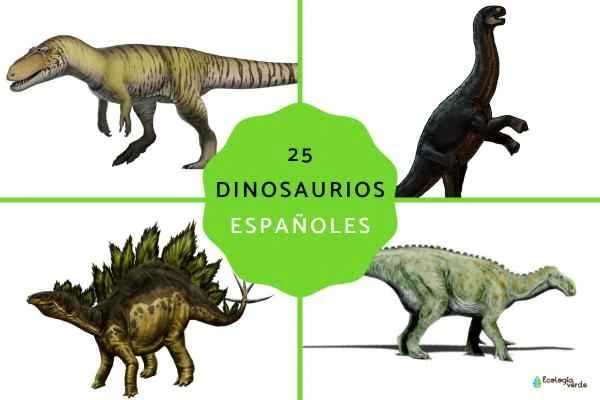
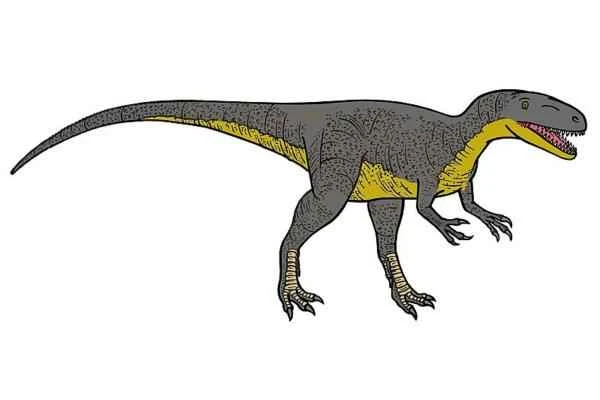
1. Similar to the Megalosaurus cf. bucklandi
Category : Theropoda - Carnivorous
Length : Approximately 6 m
Spanish specimen : A tooth unearthed in Mora de Rubielos, Teruel Province, Aragon
Characteristics : Thick tail for maintaining upright balance; feeds on small to medium-sized dinosaurs and carrion.
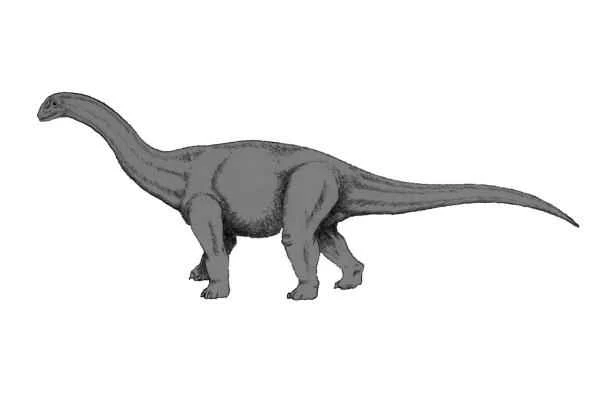
2. Cetiosaurus spp.
Category : Sauropods · Herbivorous
Size : 18 m long, 11 t weight
Ecology : Stroll through open woodlands and floodplains; despite its large size, it is one of the smaller members of the sauropods.
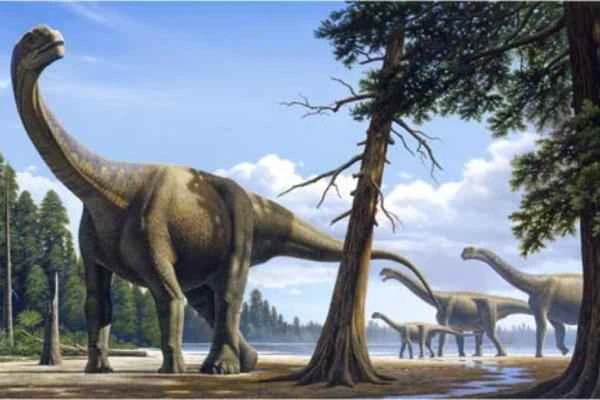
3. Aragosaurus ischiaticus
Distribution : Garvey, Teruel Province, coastal environment of the ancient Tethys Ocean
Highlights : Unique shovel-shaped, grooved teeth; one of the best-preserved sauropods in Spain.
Biogeography : Suspected evidence also exists in the Americas, suggesting that the continents were still connected during the Late Jurassic period.
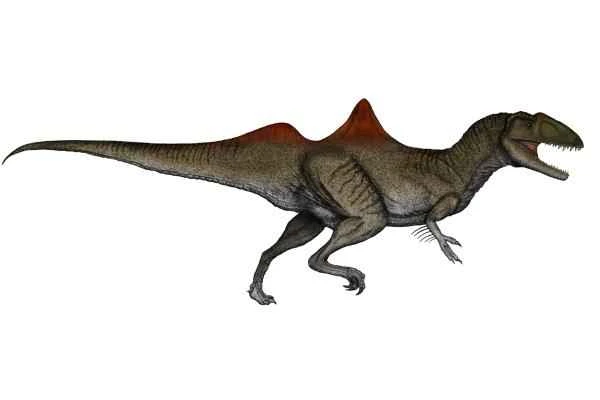
4. Concavenator corcovatus
Origin : Las Oyas Group, Cuenca Province
Age/Size : 130 million years ago; ~6 m
Signature features : Two towering neural spines on its back form a "V"-shaped hump, combining characteristics of a predatory theropod dinosaur with traces of feathers.
5. Tastavinsaurus sanzi
Origin : Peñarória de Tantavens, Teruel Department
Dimensions : 17 m, 20 t
Date : Approximately 125 million years ago, Lower Cretaceous
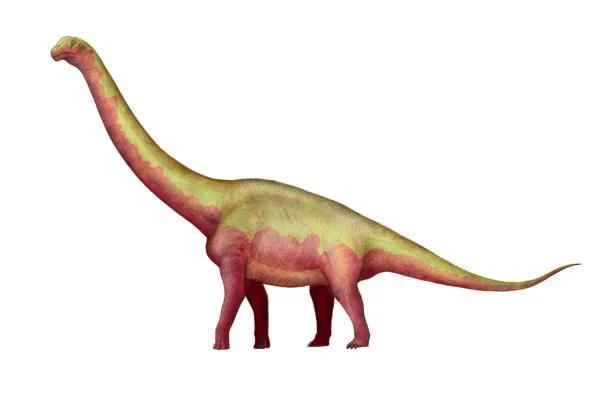
6. * Iguanodon * spp.
Discovery sites : multiple provinces including Teruel, Castellón, Cuenca, Soria, and La Rioja.
Dimensions : 10 m; 4–5 t
Characteristics : The thumb has evolved into a "spiky" shape; it can walk on two or four legs.
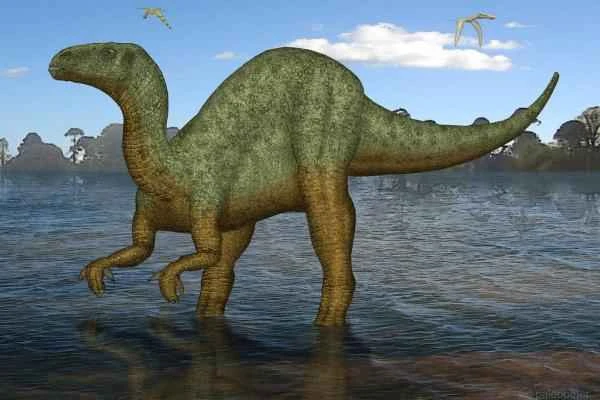
7. Hypsilophodon sp.
Record : Las Zabacheras, Galway, collected a single tooth.
Appearance : A small, fast-moving herbivore about 2 m in length; the beak-like mouth is a clue to the bird's origin.
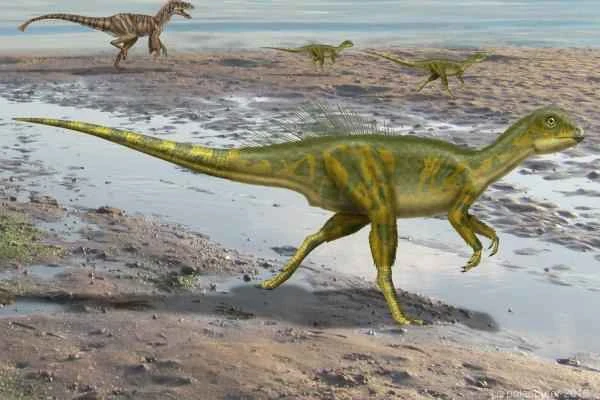
8. Stegosaurus sp.
Evidence : Galway found a dorsal thorn.
Classic features : double-row backplate + four "tail hammer" spikes; low-profile four legs.
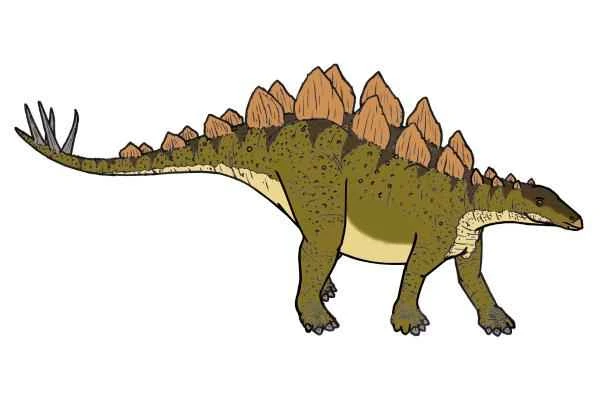
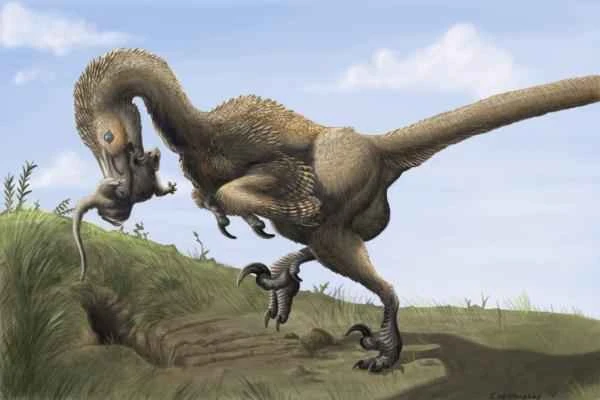
9. Sickle-clawed dromaeosauridae (Dromaeosauridae)
Specimens : A tooth from Pierago; a footprint strip discovered in Galvey
Features : Covered in feathers, bipedal for running, with a large sickle claw on its second toe.
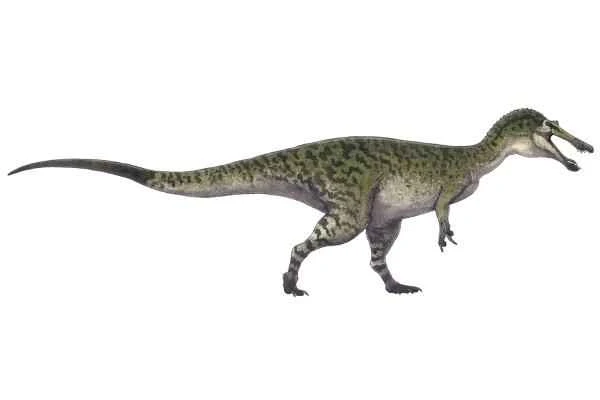
10. Baryonyx (Baryonychinae)
Origin : La Cantalera in Terueljosa and Vallipón in Castellote
Features : crocodile-like narrow snout, serrated sharp teeth; prefers fish food, but also hunts small dinosaurs.
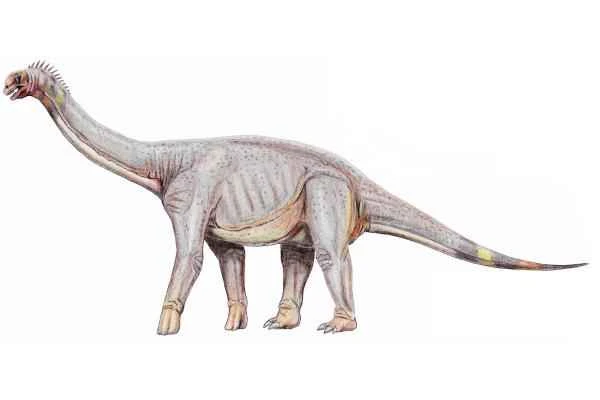
11. Astrodon johnstoni / Pleurocoelus sp.
Material : Galway Dental
Body type : 8 m, 10 t; pleurocoel for weight loss.
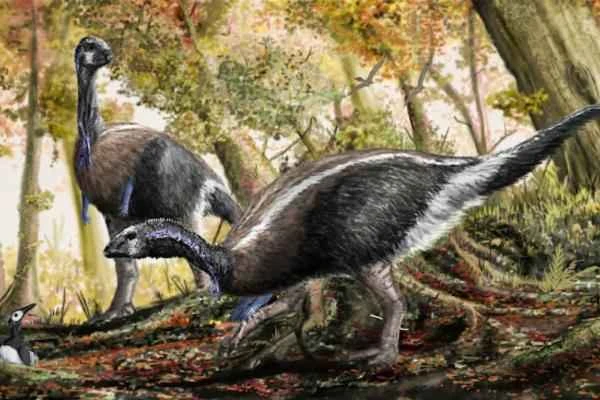
12. Valdosaurus canaliculatus
Specimen : One femur from Cerrada Roya-Mina, Trul.
Size : A medium-sized ornithopod, 5 m long and 1.2 m high; also found in England.
13. Echinodon sp.
Fossil : Galway sharp, multi-ridged teeth
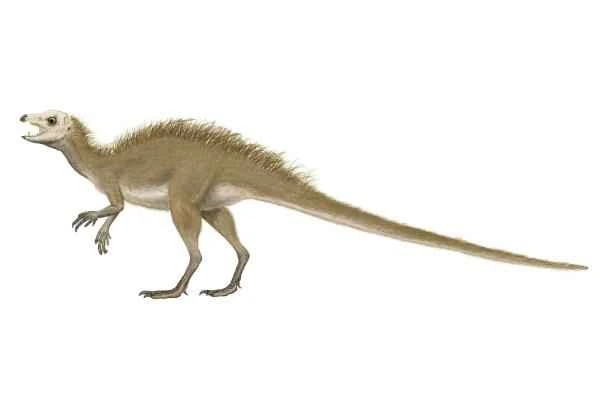
Ecology : 60 cm small omnivorous; has two canine teeth, used to catch small animals and gnaw on roots and stems.
14–25 More Iberian Dinosaur Names
| Serial Number | name | Brief description |
|---|---|---|
| 14 | Cruxicheiros newmanorum | Large basic tetanurans |
| 15 | Iliosuchus incognitus | small theropods |
| 16 | Camptosaurus spp. | medium-sized ornithopods |
| 17 | Carcharodontosaurus sp. | Giant Sharktooth Dragon Fragment |
| 18 | Nodosauridae family | Armored Dragon |
| 19 | Prismatoolithus sp. | Ornithopod or theropod eggs |
| 20 | Hadrosauridae | "Duckbill Dragon" |
| twenty one | Cardiodon rugulosus | It may belong to the Rebazilongae family. |
| twenty two | Euhelopodidae | Long-necked sauropod fragments |
| twenty three | Ankylosauria | Spiked Armor & Tail Hammer |
| twenty four | Arenysaurus sp. | Hadrosaurus of the Upper Cretaceous |
| 25 | Pelecanimimus sp. | The ostrichoid with the most teeth |
Spanish Dinosaur Museum and Theme Park
| venue | province | Featured exhibits |
|---|---|---|
| Dinópolis Teruel Dinosaur Theme Park | Teruel | Complete skeleton + simulated fossil excavation |
| Madrid Natural Science Museum | Madrid | Iberian sauropods & theropods |
| Karpin Abentura | Biscay | 1:1 Dinosaur Reconstruction |
| Jurassic Museum of Asturias (MUJA) | Asturias | Coastal footprint board |
| Lost Canyon (El Barranco Perdido) | La Rioja | Outdoor fossil experience |
| Soria Dinosaur Footprint Route | Soria | Large-scale track zone |
| Cuenca Paleontological Museum | Cuenca | Concavenator physical rack |
| Valencia Natural Science Museum | Valencia | Mediterranean Paleontology |
Conclusion: Why are Iberian dinosaurs important?
Stratigraphic continuity : Late Jurassic-Early Cretaceous fluvial/coastal sediments are well preserved.
Biogeographical hub : connecting the Laurasia continent with the North African dinosaur lineage.
Footprint abundance : revealing group behavior, speed, and even skin imprints.
Spain’s “prehistoric behemoths” not only rewrite the European dinosaur evolution roadmap, but also inspire the public to explore the fossil codes hidden for hundreds of millions of years in familiar mountains and rivers.
bibliography
Lawrence, FP (2003). Fossils of Cretaceous dinosaurs in Spain (pp. 49–108). University of La Rioja.
García, JLS (1995). José Rojo Gómez and the Spanish Dinosaurs. Geographic Bulletin, (19), 167-169.
Bescos, GC; Amo, O.; Rodriguez, JLB; Torres, RR; and Omeñaca, JIR (1999). Dinosaurs of Aragon. Zubia, (17), 235-2
Canudo, JI, Royo-Towers, R., Cuenca-Bescos, G. (2008). A new sauropod dinosaur: Tastavinsaurus sanzi gen. et al. November from the Early Cretaceous of Spain (Aptian). Journal of Vertebrate Paleontology, 28(3): 712-731.
Perez, J. (1998). Wilbord: Reconstruction and Modeling. Iguanodon. URL: http://www.wilbord.com/en/iguanodon.php
Canudo, JI, Aurell, M., Ship, JL, Cobos, A., Cuenca-Bescos, G., Martin-Closas, C., … & Ruiz-Omeñaca, JI (2002). La Cantalera: An overview of dinosaurs in the Hautreviens-Baremians (Lower Cretaceous) transition zone of the Iberian Mountains (Josa, Teruel province). Abstracts from the 18th Congress of the Spanish Paleontological Society. Abstracts from the 2nd Congress of Iberian Paleontology (pp. 27-28).