In the animal kingdom, many mammals, birds, reptiles, amphibians, fish, arachnids, and even insects themselves rely on insects as a primary or important food source. This article systematically introduces what insectivorous animals (also known as "insect predators") are , their morphological and behavioral characteristics , a list of common representative species , and supplements the overview of insectivorous plants and human insectivorous consumption.
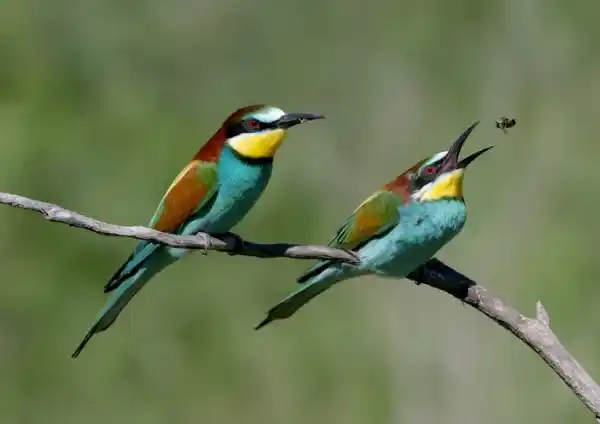
Table of contents
What are insectivorous animals (or "insect-eating animals")?
Main characteristics of insectivorous animals
List of insectivorous animals (by taxa)
birds
Reptiles
mammal
Amphibians
fish
"Insect Eaters" among Insects
Arachnida (spiders, etc.)
Overview of carnivorous plants (carnivorous plants)
What is human insectivorous food (eating insects)?
Countries/regions where insectivores are more common
Most commonly consumed insect groups (by percentage)
What are insectivorous animals (or "insect-eating animals")?
Insectivorous animals (Spanish: insectívoro or entomófago ) refer to organisms that primarily feed on invertebrates , mainly insects , but also often include arachnids (such as spiders), snails among mollusks , and some insects among annelids .
Insects are extremely common and abundant in almost all ecosystems around the world, serving as a key food source for many animals. Some animals are almost exclusively insectivorous , while others primarily feed on insects during their breeding/juvenile period or certain seasons, and otherwise consume omnivorous foods or other foods (such as fruits and seeds) to supplement their protein and micronutrient needs.
Main characteristics of insectivorous animals
Robust digestive system : Many insectivores can break down chitin (shell material) in the exoskeleton of insects; some species have thicker stomach walls or rely on symbiotic microorganisms/digestive enzymes to improve digestive efficiency.
Keen hearing and echolocation : For example, bats use echolocation to accurately hunt flying insects at night; many small mammals and birds also rely on sensitive hearing.
Vision and olfaction : Many nocturnal insectivores have poor eyesight but a well-developed sense of smell ; their snouts are flexible and have barbels (tactile hairs, whiskers) to help them detect prey.
A powerful tool for obtaining food :
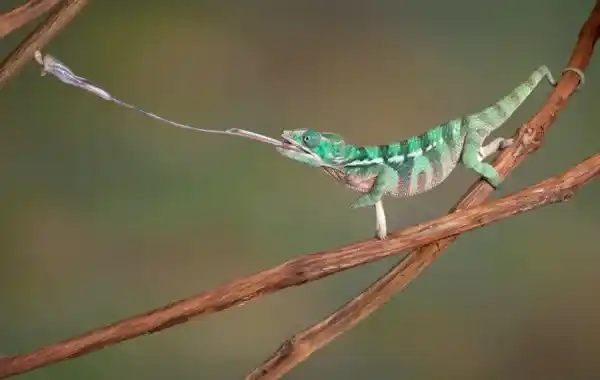
Long, sticky tongues (of anteaters, pangolins, some lizards, frogs, and certain birds) can instantly trap insects;
Specialized mouthparts/dental structure : Anteaters and pangolins have almost no teeth and rely on their tongues and stomach contents for grinding; most insectivorous birds have sharp beaks for catching insects or capturing them in the air.
Locomotion : Many small mammals that live on the ground are plantigrade (walking on their entire foot) ; arboreal or rock-crevice-dwelling reptiles and small mammals often have toes and claws that are good at climbing .
Birds' "vibrissae" : Some birds have sensitive feather/whisker-like structures near the base of their beak or the corners of their mouths, which help them sense and catch flying insects .
Diverse hunting strategies : aerial "predation/interception", ground/tree trunk ambush , nighttime feeding under lights , rummaging through fallen leaves/soil , etc.
Note: The list of species below includes both typical examples of " almost exclusively insectivorous " species and a broader category of insectivorous species that " feed insects at certain stages or in certain proportions " (such as most Galliformes birds that prey on large numbers of insects during the breeding season). This list is for popular science reference purposes and is not exhaustive.
List of insectivorous animals (by taxa)
birds
Swallow (Golondrina) , Robin/Red-breasted Robin (Petirrojo) , Sparrow (Gorrión) , Goldfinch (Jilguero)
Woodpecker (Pájaro carpintero) , Nightingale (Ruiseñor) , Blackbird (Mirlo) , Hoopoe (Abubilla)
Green Finch (Verdines) , Flycatcher (Papamoscas) , Tyrannidae (Tiránidos)
Bee-eater (Abejaruco) , Warbler (Parúlidos, Parulidae) , Skylark (Alondra)
Starlings (Estornino) , Thrushes (Zorzal) , Magpies (Urracas, some species)
Domestic chickens (Gallinas) and turkeys (Guajolotes) (both are mostly omnivorous, but consume large amounts of insects during the breeding/brooding period)
Reptiles
Many reptiles feed primarily on insects in their juvenile stage , but may transition to larger invertebrates or small vertebrates as adults.
Crocodiles (Cocodrilos) (juveniles prefer insects/invertebrates)
Chameleons (Camaleones) , Geckos (Salamanquesas/Geckos) , Iguanas
Examples of snakes: Red-bellied snake , Chionactis (shovel-nosed snake) , Ficimia , Sonora , Liopeltis , Tantilla , Gyalopion , Opheodrys (grass snake).
Lizards and closely related groups: Ameiva , Blanus , Diablo espinoso , Cophosaurus , Anniella.
Common lizards, gray lizards, long-tailed lizards, rock lizards , glass lizards (legless lizards) , peat lizards
Cordylus (armored lizard) , Bipes (bipedal lizard) , Cnemidophorus (race lizard, now mostly classified as Aspidoscelis )
Sceloporus (spiny lizard) , Urosaurus , Xantusia
Note: The original list included Dendrocopos (a type of woodpecker) as a reptile, but it should be classified as a bird. This is hereby corrected.
mammal
Anteaters (giant anteaters, etc.), aardvarks , pangolins , and numbats.
Bats (most species feed on insects), hedgehogs (such as the European hedgehog Erinaceus europaeus ), etc.
Shredders (such as the white-toothed shrew) , moles , river moles (Desmán) , and tenrec hedgehogs.
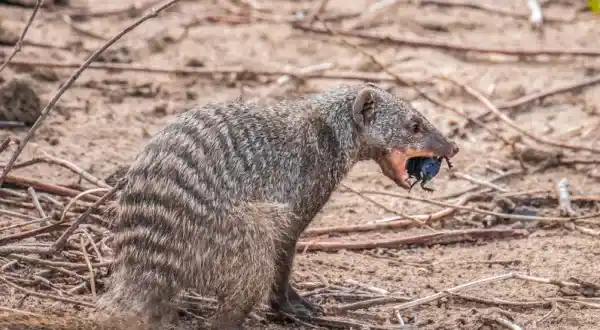
Meerkats (Suricata) , Mangostas , Armadillos
Raccoon (Mapache) , Sugar Glider (Petauro del azúcar) , Gálago (Gálago) , Tarsero (Tarsero)
Other animals mentioned in the original list but mostly omnivorous/carnivorous and not exclusively insectivorous include: house mice, prairie dogs, American mink, and African porcupines—which typically only occasionally consume insects .
Amphibians
Salamandra/Tritón
Frogs and toads : Sea toad, European green frog, bullfrog, red frog, green toad, fire-bellied toad, spotted toad, flower toad, midwife toad, running toad, etc.
Most amphibians feed mainly on insects and other small invertebrates.
fish
Many freshwater fish primarily feed on insects and aquatic insect larvae during their juvenile/subadult stages.
Carp (Carpas) , cichlids (Peces cíclidos) , rainbowfish (Pez arcoíris) , pufferfish (Pez globo)
Catfish (Pez gato) , fighting fish (Pez betta) , killifish (Pez killis) , and axefish (Pez hacha)
Elephantfish (Mormyridae) , Cypriniformes , Serrazálmidos (Serrasálmidos)
Viviparous killifish (Pecílidos) , spitting fish (Toxótidos, Toxotidae )
Note: "Pez espiga / Palometa o mojarra" and other regional common names in the original list are applicable to multiple groups. The actual classification should be determined based on the specific species.
"Insect Eaters" among Insects
This refers to predatory/parasitic insects that feed on other insects .
Honeybees (Abeja) (Some species and larvae exhibit predatory/cleaning behaviors)
Dragonfly (Libélulas) , ladybug (Mariquita) , wasp (Avispa) , mantis (Mantis religiosa)
Ground beetles (Escarabajo) , stink bugs/bed bugs (Chinches) , lacewings (Crisopas)
Various types of ants : bullet ants, yellow ants, cornfield ants, acrobatic ants, pharaoh ants, robber ants, bigfoot ants, etc.
"Ant lion" (actually a lacewing larva, which commonly preys on ants and small insects)
Flies (Moscas) (some groups are predatory/parasitic)
Arachnida (spiders, etc.)
Black Widow (Viuda negra) , Violin Spider (Araña violinista) , Brown Recluse/Corner Spider (Araña de rincón)
Hunting spiders/Araña cazadora gigante , wolf spiders (Lycosidae) , redback spiders (Araña espalda roja)
Funnel-web spider (Araña tela de embudo) , camel spider (Arañas camello)
Various large wolf spiders/tarantulas : *Rey babuíno* , *Tarántula goliath*, etc.
Common names vary considerably; when referring to a specific species, the scientific name should be used.
Overview of carnivorous plants (carnivorous plants)
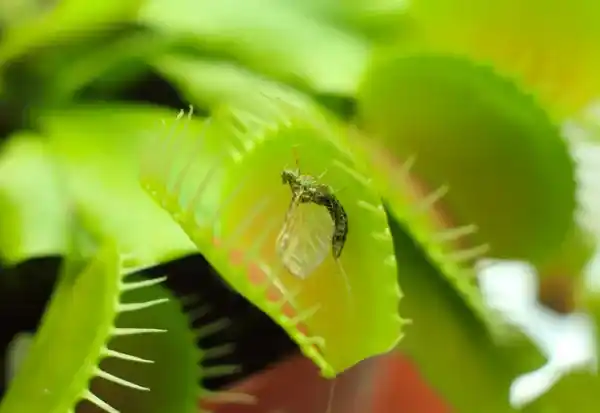
Some plants trap insects and other small invertebrates using trap structures, sticky substances, scents, colors, and shapes . They then secrete digestive enzymes to absorb the nutrients from these insects, compensating for the lack of nitrogen and phosphorus in their barren habitats. In rare cases, they may also capture extremely small vertebrates (such as young lizards/mice).
Common genus names (with commonly used Chinese names):
Nepenthes (Nepenthes)
Genlisea (Forked Bagweed)
Pinguicula (Insectivora)
Byblis (Rainbow Carnivora)
Heliamphora (Pitcher Plant/Swamp Pitcher Plant)
Cephalotus (Australian pitcher plant)
Drosera (drosera)
Aldrovanda (in front of the waterwheel)
Darlingtonia (California cobra)
Sarracenia (genus Sarracenia)
Drosophyllum (also known as Drosophyllum var. ...
Triphyophyllum (a genus of insectivorous plants)
Dionaea (Venom trap)
Utricularia (bladderwort)
What is human insectivorous food (eating insects)?
Entomofagagia refers to the dietary culture of humans consuming insects and some arachnids . Besides their flavor, insects are generally high in protein, healthy fats, and trace elements, and have a low environmental footprint , thus being considered a delicacy or a sustainable protein source in many regions. Some regions also have specific "specialties," such as Mexican ant eggs (hueva de mosco).
Food safety tips: If you are going to try eating insects, you should ensure that the source is traceable, the processing is proper, and you should avoid the risk of allergies (for example, people who are allergic to crustaceans are often also sensitive to insect chitin/related proteins).
Countries/regions where insectivores are more common
Mexico, China, Brazil, South Africa, Central African Republic, Democratic Republic of Congo, Egypt, Ghana, Morocco, Somalia, Cameroon, Angola, Thailand, Philippines, Japan, Chile, Australia, India, Uruguay, United States, etc.
Most commonly consumed insect groups (by percentage)
Beetles (Escarabajos) : 31%
Lepidoptera (butterflies and moths) : 18%
Bees, wasps, and ants : 14%
Orthoptera (locusts, grasshoppers, etc.) : 13%
Hemiptera (aphids, cicadas, bugs, etc.) : 10%
Other : 14%
summary
"Insectivorous" can refer to feeding almost exclusively on insects , or it can refer to insects making up a significant proportion of the diet at a certain stage/season .
Insectivorous animals control insect populations and maintain food web balance in ecosystems, and also have potential pest control value for agriculture and human living environments;
Insectivorous plants are a unique adaptation to poor habitats;
Human food has cultural and nutritional significance in many parts of the world and is receiving increasing attention in discussions on sustainable protein.
To learn more, please visit our website's sections on "Wildlife," "Amphibians and Reptiles," "Arthropods," and "Carnivorous Plants."