Chile in South America boasts a diverse landscape, from the world's driest Atacama Desert to the majestic Andes Mountains and Patagonian Icefields, and along its long coastline nourished by the Humboldt Current, fostering highly heterogeneous ecosystems and astonishing unique biodiversity. This list compiles common or representative protozoa of Chile (many of which are endemic to Chile or the southern cone region), supplementing their physical characteristics, ecological habits, distribution, and conservation status.
Southern Andean deer / Huemul
Scientific name: Hippocamelus bisulcus
Key identifying features: Medium-sized deer; males have bifurcated antlers; long ears; and a prominent white "rump patch." The coat color changes from dark brown to light brown depending on the season.
Size: Approximately 40–100 kg; females are slightly smaller.
Distribution (Chile): Southern Andes Mountains and foothills forests, including Ñuble, Chiloé, Aissen, and Magellan.
Ecology: They are mostly found in the forest edges, shrublands and alpine meadows of the sub-Antarctic mountains, feeding on grasses, tender branches and leaves.
Conservation: One of the animals on the Chilean national emblem; critically endangered due to habitat fragmentation, dog harassment and poaching.

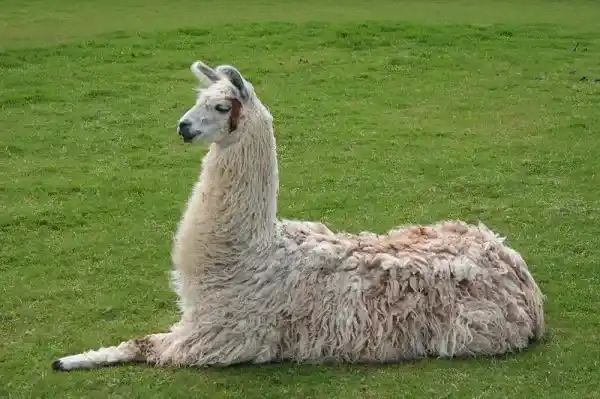
Llama
Scientific name: Lama glama
Key identification points: Domesticated camels, with a shoulder height of up to 1.2 m; thick, dense fur to adapt to high-altitude cold; face, ears, and limbs are often darker.
Distribution (Chile): Tarapacá, Antofagasta and other high Andean regions, commonly found at 2,300–4,000 m.
Ecology and utilization: Mainly raised by herders for pack animals, wool, and meat; it has the habit of spitting saliva for self-defense when threatened.
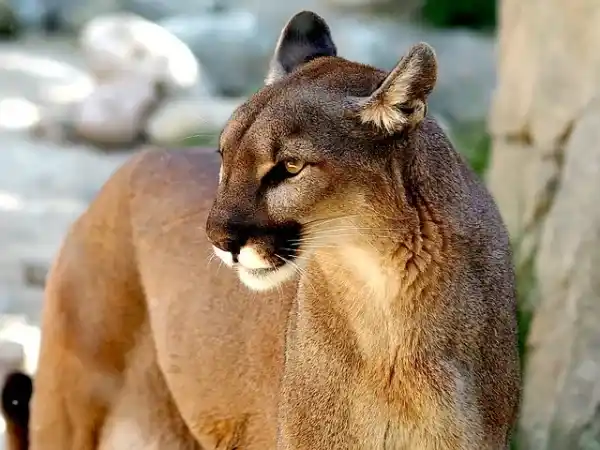
Puma
Scientific name: Puma concolor
Key identification features: One of the largest cats in South America; fur is sandy brown to grayish brown, with lighter fur around the mouth and belly.
Size: Usually up to 80 kg (females are smaller).
Distribution (Chile): A variety of habitats at altitudes of 0–5,000 m, recorded from Arica to Magellan.
Ecology: A broad-spectrum predator that feeds on birds, rodents, and large ungulates (including South Andean deer and guanacus); it is a key apex predator.
South American sea lion
Scientific name: Otaria flavescens
Key identification features: Males are large and have long, bristle-like hair; their limbs have evolved into flippers; thick hair and subcutaneous fat provide good insulation.
Size: Males can reach nearly 3 meters in length.
Distribution (Chile): Breeds on islands and rocky shores along the Pacific coast throughout the country.
Ecology: They mainly feed on fish and cephalopods; they leave the water to reproduce and molt on land, living in large breeding colonies.

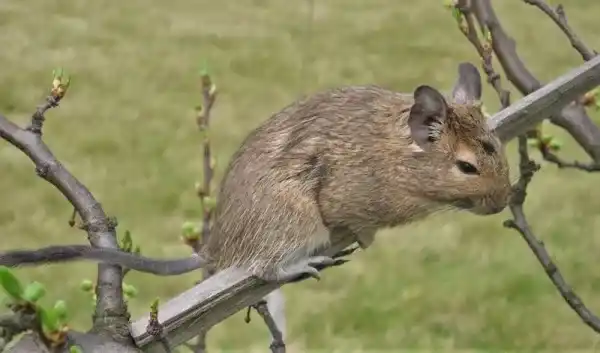
Degu/Chilean Octopus
Scientific name: Octodon degus
Key identification features: long, "paintbrush-like" hairs at the tail end; large head, round ears, well-developed eyes, and relatively stiff fur.
Ecology: Diurnal, gregarious, digs underground burrows; diet consists mainly of herbs, roots, pods, seeds, and bark.
Distribution (Chile): Mainly found in arid shrublands and grasslands from Huasco to Rapel.
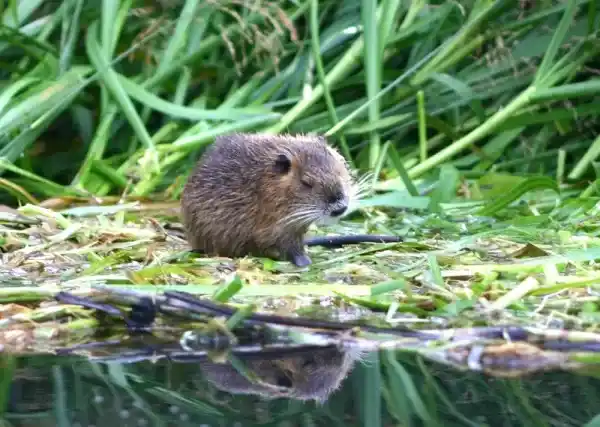
Beaver/Giant Beaver
Scientific name: Myocastor coypus
Key identification features: Large semi-aquatic rodent with distinct webbed toes; thick, long, and dense brown fur.
Size: Approximately 5–9 kg.
Distribution (Chile): Elqui to Malleco, at elevations of approximately 1,100 m; common in rivers, lakes and wetlands.
Ecology: It is a good swimmer and nests at the edge of water bodies; it feeds on aquatic and riparian plants.
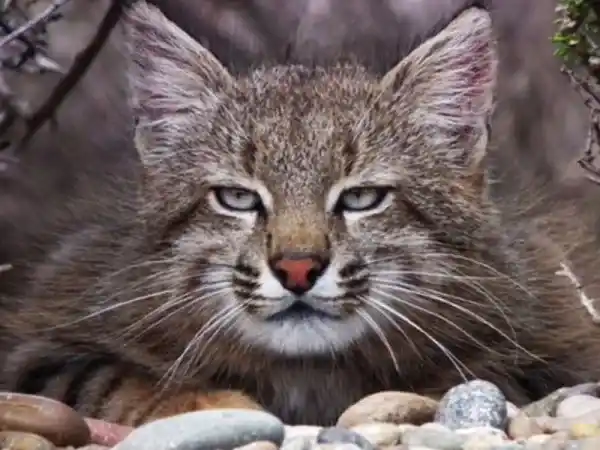
Pampas cat (Kolokolo cat)
Scientific name: Leopardus colocolo
Key identification features: Body size similar to a domestic cat but slightly larger; body color grayish-yellow to orange-yellow, with spots on the back and dark stripes on the neck extending to the shoulders.
Distribution (Chile): Grass-shrub ecosystems in many places including Tarapacá, Coquimbo, Concepción, Aissen, Magellan, etc.
Ecology: Primarily nocturnal, agile and adept at ambushes, preying on small mammals and birds.
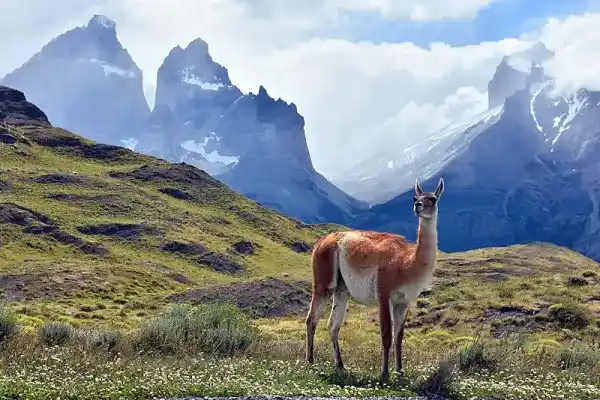
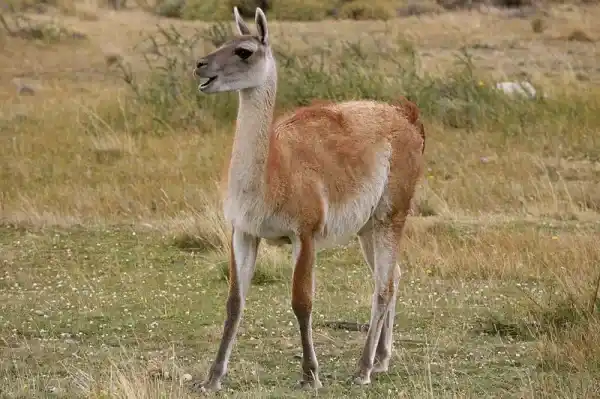
Guanaco
Scientific name: Lama guanicoe
Key identification features: Wild camel species, covered with thick, light wool; reddish-brown back and white belly in stark contrast.
Size: Up to 150 kg.
Social behavior: They form small "harem" groups (one male mates with multiple females) or males of the same age; they will spit saliva as a defense when threatened.
Distribution (Chile): From Tarapacá to Antofagasta arid highlands and grasslands.
Natural enemy: cougar.
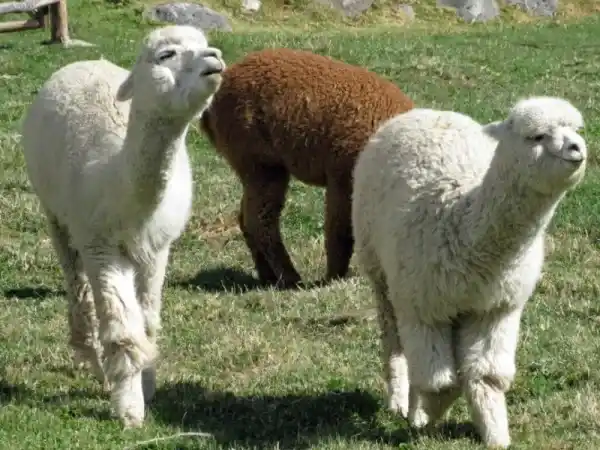
Alpaca
Scientific name: Vicugna pacos
Key identification points: Domesticated camels have soft, high-quality fur that is mostly light-colored.
Size: Head height up to 1.5 m; weight up to ~65 kg.
Distribution (Chile): Antofagasta, Atacama, Coquimbo, and other cold regions.
Uses: Known for its wool production, it is commonly found in highland pastures.
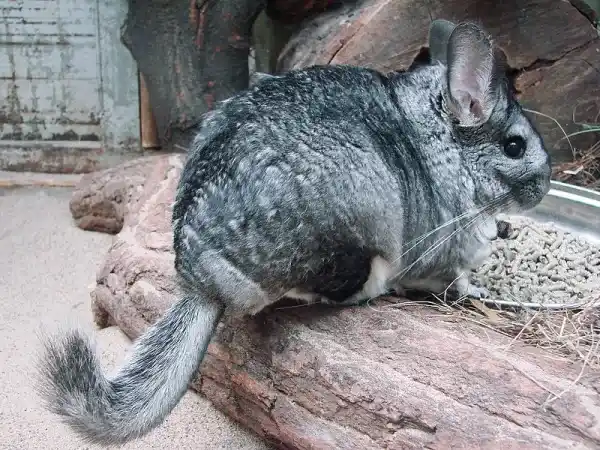
Chinchilla (the original species of domesticated "chinchilla")
Scientific name: Chinchilla lanigera
Key identification features: Small and rounded body with ultra-dense down for excellent insulation; long and sensitive whiskers (beard) adapted for nocturnal activity.
Size: Approximately 750 g.
Distribution (Chile): Currently, it is mainly concentrated in the remaining habitats near Aucó, the Chinchilla National Reserve, and La Higuera.
Ecology: Nocturnal, feeding on a variety of xerophytic plants; significantly affected by the historical fur trade and habitat loss.
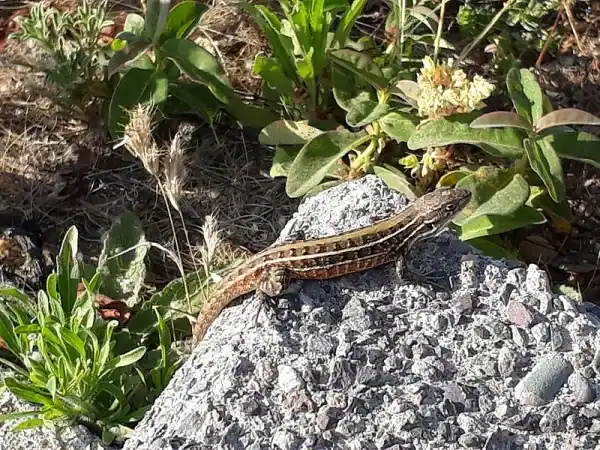
Chilean Crying Lizard (“Crying Lizard”)
Scientific name: Liolaemus chiliensis
Key identification features: Small lizard, greenish in color, with yellow longitudinal stripes on its back and tail; it will make a sound when stimulated.
Body length: up to ~30 cm.
Distribution (Chile): Diverse habitats from Coquimbo to Los Lagos.
Ecology: Diurnal, feeding on arthropods and a small amount of plants.
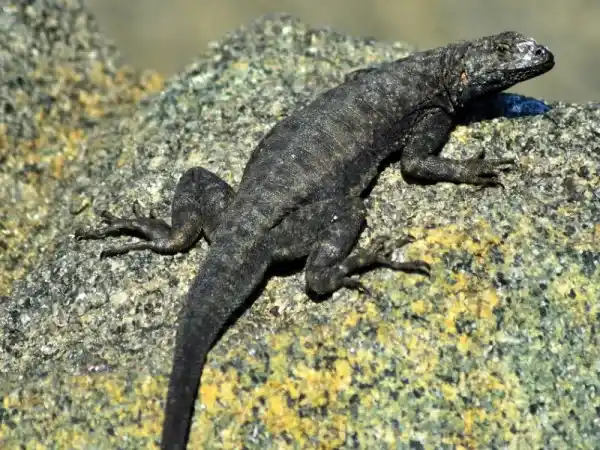
Atacama Runner
Scientific name: Microlophus atacamensis
Key identification points: A large running lizard unique to northern Chile, with a brown body color and scattered black spots, and more dense spots on the sides and limbs.
Body length: up to ~120 cm.
Distribution (Chile): Coastal zones of Antofagasta and Atacama.
Conservation: Vulnerable, affected by coastal development and habitat degradation.
Selected Birds of Chile (Supplementary List)
The following species are mostly native to Chile or common representatives of the southern cone, some of which are endemic to Chile. Common Chinese and scientific names are in parentheses for easy searching and illustration.
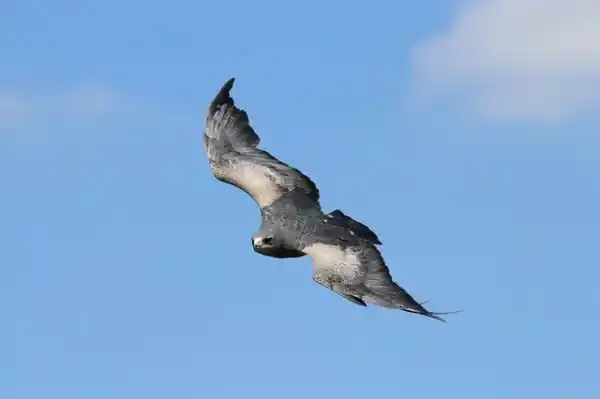
Chilean Eagle/Black-breasted Eagle ( Geranoaetus melanoleucus )
Black-faced Ibis Bandurria ( Theristicus melanopis )
Highland Goose (Caiquén Chloephaga picta )
Woodpeckers (various species of "Carpintero", such as the Magdalena woodpecker Campephilus magellanicus )
Common Kestrel / “Cernícalo” ( Falco sparverius )
Brown-necked Bunting "Chincol" ( Zonotrichia capensis )
Southern pygmy owl "Chuncho" ( Glaucidium nana )
Black-necked swan ( Cygnus melancoryphus )
Cometocino de Gay ( Phrygilus gayi )
Andean condor ( Vultur gryphus )
Cormorant ( Phalacrocorax spp., including "Yeco" = Neotropical cormorant P. brasilianus )
Diuca diuca
Flamingos (including the Chilean flamingo , Phoenicopterus chilensis, etc.)
Great Grebe "Huala" ( Podiceps major )
South American goldfinch "Jilguero" ( Spinus magellanicus , etc.)
The Southern Long-tailed Parrot "Loro choroy" ( Enicognathus ferrugineus )
Rhea pennata (also known as Ñandú)
Hooded duck "Pato juarjual" ( Lophonetta specularioides )
The multi-faceted eagle "Peuco" ( Geranoaetus polyosoma )
Giant hummingbird ( Patagona gigas )
Humboldt penguin ( Spheniscus humboldti )
Magellanic penguin ( Spheniscus magellanicus )
Coot/Coot ( Fulica spp., "Tagua")
Ground warbler/Tapaculo ( Rhinocryptidae family)
The Chilean mockingbird "Tenca" ( Mimus thenca , endemic to Chile)
The cave parrot/Patagonian parrot "Tricahue" ( Cyanoliseus patagonus )
Southern Thrush "Zorzal" ( Turdus falcklandii )
summary
Chile's biodiversity is shaped by a dramatic gradient formed by the cold-water coastline, the Mediterranean valleys, the Andes Mountains, and the Patagonian tundra . From the Southern Andean deer on the national emblem to the Humboldt and Magellanic penguins, and the llamas and guanacos of the highlands, each animal reflects a unique ecological niche and evolutionary story. Understanding their habitat needs and conservation status is the first step in recognizing and protecting Chile's natural heritage.