Puebla, located in central Mexico, boasts a diverse landscape of volcanoes, plateaus, valleys, and plains, resulting in a wide range of climates, including snow-covered, temperate, tropical, and arid zones. This geographical and climatic diversity fosters an exceptionally rich biodiversity. However, in recent years, due to the impacts of industrialization, agricultural expansion, and urban development, many native wildlife species are facing the threat of extinction.
This article will provide a detailed introduction to 12 endangered animal species in Puebla , and, in conjunction with their current ecological status and environmental threats, reveal why they are so vulnerable. We hope that through public education and awareness, we can work together to protect the rare lives on this land.
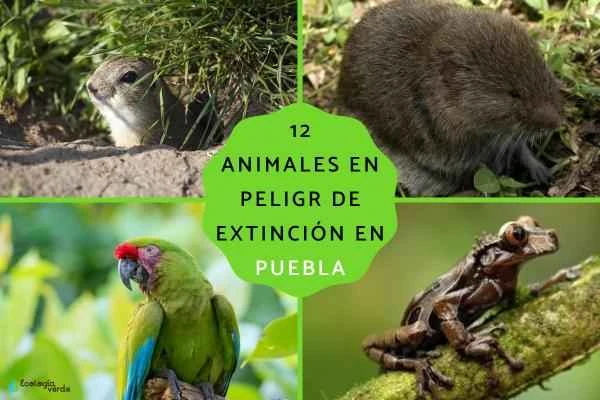
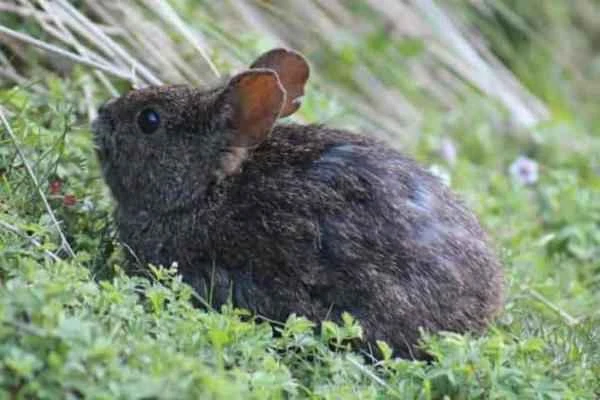
1. Volcanic rabbit (Teporingo, Romerolagus diazi )
Also known as the "volcano rabbit" or "Mexican dwarf rabbit," it is a species endemic to Mexico, found only in the Istácio Huatl volcano and Popocatepetl volcano regions.
Characteristics: It is the smallest rabbit species in Mexico, and is cautious and difficult to spot.
Threat: Agricultural expansion leads to forest habitat loss.
Conservation status: Critically Endangered (IUCN Red List).
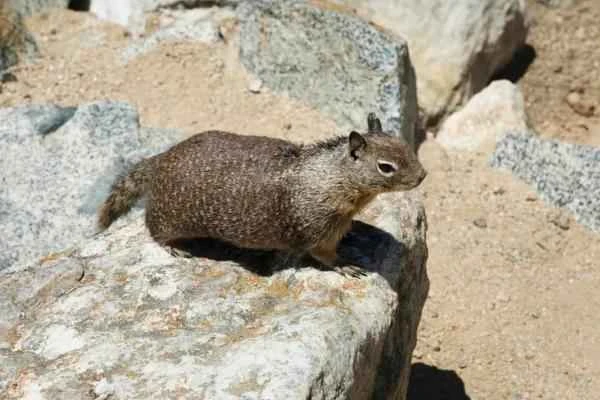
2. Perote Ground Squirrel ( Xerospermophilus perotensis )
It exists only in 16 small areas between Puebla and Veracruz, and is a local species.
The habitat shrank from 5,000 square kilometers to 2,700 square kilometers.
Cause: Large-scale logging and potato cultivation have destroyed its original grassland ecosystem.
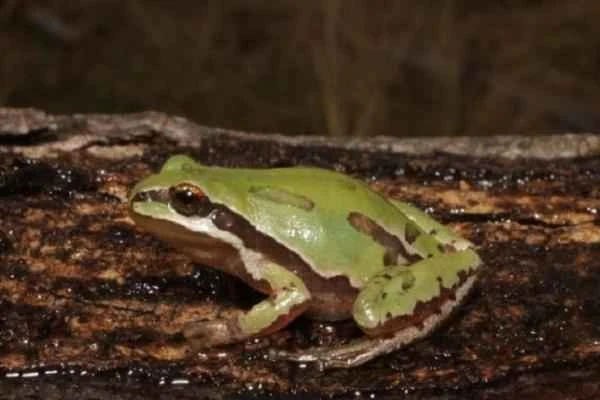
3. Puebla Treefrog ( Sarcohyla charadricola )
No more than 49 individuals are known to exist globally, and they may even be functionally extinct.
Habitat: River areas in pine and oak forests where the plant lives in symbiosis with epiphytes.
Threats: Habitat deforestation, extremely small habitat range.
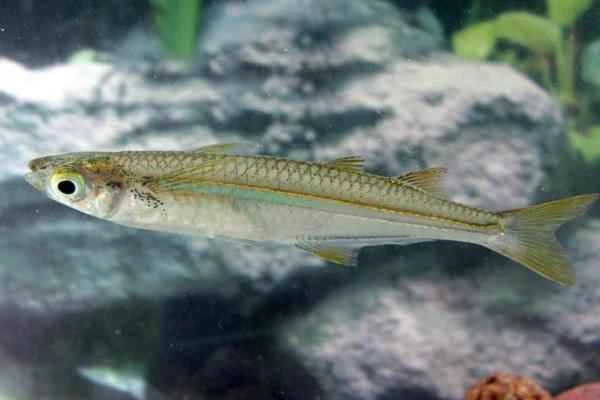
4. La Preciosa Silverside ( Poblana letholepis )
It lives only in the La Preciossa crater lake in the state of Puebla, which has an area of less than 0.78 square kilometers.
Threats: Invasive species, lake drying up, overgrazing and water resource exploitation.
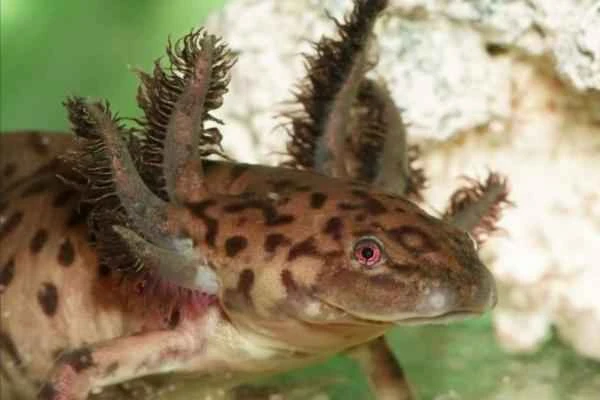
5. Alchichica Axolotl ( Ambystoma taylori )
It inhabits the Alchichka volcanic lake and is a local salamander that exists only in this area.
Problem: The lake water is being used for agricultural irrigation, leading to water quality deterioration.
Conservation status: Endangered.
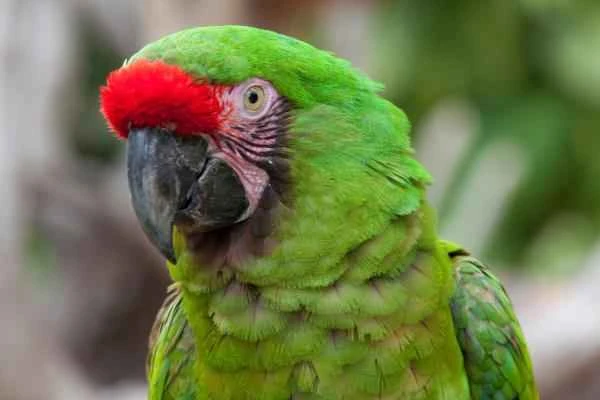
6. Green Macaw (Military Macaw, Ara militaris )
It inhabits the Tewacan-Quicateland Biosphere Reserve in Puebla.
Threats: Illegal pet trade, deforestation.
Law: In Mexico, it is illegal to capture wild parrots.
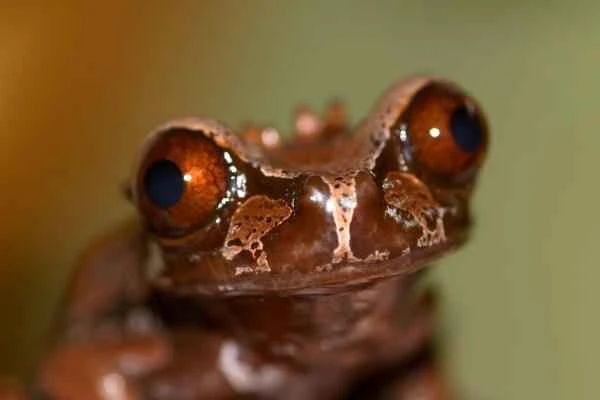
7. Crowned Treefrog, Triprion spinosus
Its distribution extends from Puebla to Panama, and it is an amphibian endemic to Mesoamerica.
Threats: Deforestation and chytriditis (a fungal infection that causes mass amphibian deaths).
Habitat: underground caves, tropical rainforests.
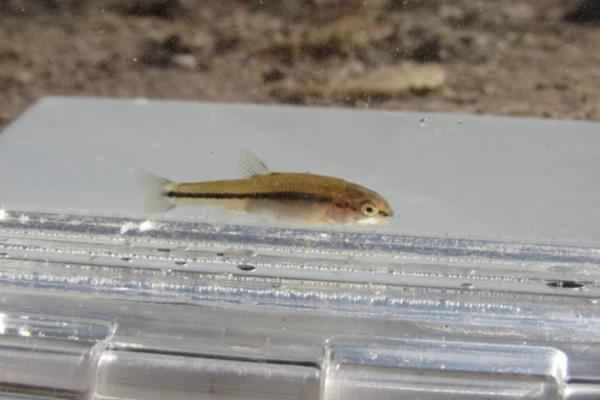
8. Atoyac Carpita ( Notropis cumingii )
They live in the heavily polluted Atoyak River.
Sources of pollution: wastewater from the textile, chemical, food and petrochemical industries.
Impact: Residues of 25 harmful chemicals, severe oxygen deficiency, and excessive ammonia nitrogen.
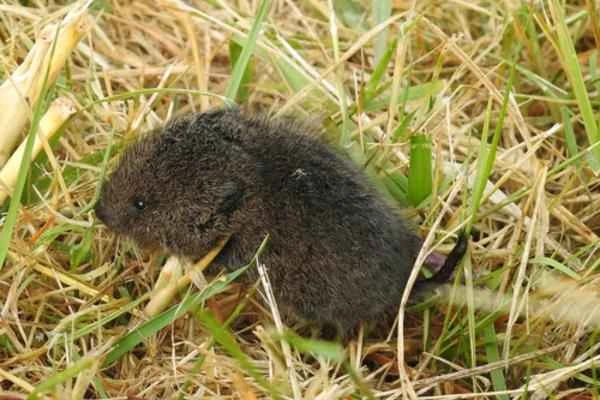
9. Xalapa Vole ( Microtus quasiater )
A short-tailed, black, small rodent found only in the high-altitude forests of the eastern and southern mountain ranges.
Their habitat is extremely small, their population is scarce, and they are extremely vulnerable to extinction.
The original habitat in the Zacapoaxtla area of Puebla has been completely destroyed by landslides.
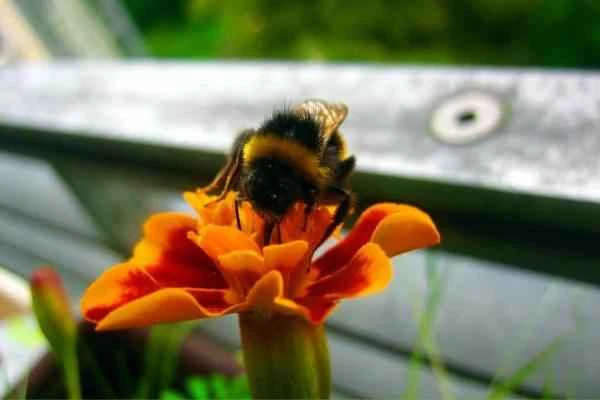
10. Mountain Bumblebee (Serrano Bumblebee, Bombus medius )
They are distributed from Honduras to Mexico City, and also include Puebla.
Threats: Overuse of pesticides and competition from introduced bee species.
Ecological role: an important plant pollinator.
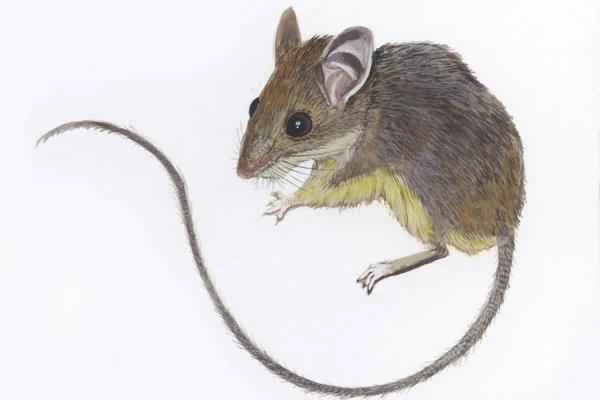
11. Puebla Deer Mouse ( Peromyscus mekisturus )
Critically endangered species; only two specimens were collected 60 years ago, and none have been found since.
Location: Ciudad Serdán and the city of Tewacan.
Characteristics: Extremely small distribution, endangered.
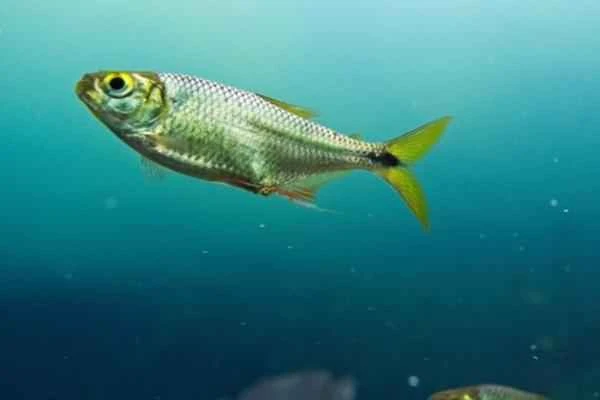
12. Tehuacán Sardine ( Astyanax tehuacanensis )
They live only in the Salado River region and are significantly affected by climate change and drought.
Excessive pumping in urban areas has led to the near depletion of their living environment.
Protection status: Vulnerable.
Summary: How can we protect the endangered animals of Puebla?
Support local ecological reserves , such as the Twacan-Quicateland biosphere.
Reduce the use of pesticides and fertilizers to protect pollinating insects.
Reject the illegal trade in wild animals , especially popular pets such as parrots and salamanders.
Educate the public and raise environmental awareness.
References
IUCN Red List of Threatened Species (2022). Animal Kingdom, Puebla Threatened Species Search. Access: https://www.iucnredlist.org/search/grid