Animal teeth vary by species. Generally, carnivorous animals have sharper and more developed teeth than herbivorous animals, which helps them quickly kill prey and tear through its flesh and bones when hunting. Furthermore, different animals adapt to different diets and lifestyles, resulting in their own unique tooth morphology and function. For example, dolphins and whales have very sharp teeth used for grasping and chewing fish and other marine life, while giant pandas have molars specifically for chewing bamboo. In short, the number, morphology, and function of an animal's teeth are closely related to its adapted environment and dietary habits. Which animals have the most teeth? This article lists the top ten animals with the most teeth in the world, including snails, sharks, dolphins, armadillos, crocodiles, Komodo dragons, hippos, polar bears, giant pandas, and wolves. If you're interested, read on!
1. Snail

Snails are the animals with the most teeth, possessing approximately 14,175 teeth. Their tongues are covered with countless tiny, neatly arranged keratinous teeth, some arranged in 135 rows of 105 teeth each, bringing the total number of teeth to over 10,000. These teeth are extremely small, invisible to the naked eye, yet incredibly sharp. However, snail teeth are not "three-dimensional teeth." Despite having tens of thousands of teeth, they cannot chew food. This is because they use a "radula," a ribbon-like structure covered with teeth, to crush food for digestion.
2. Shark
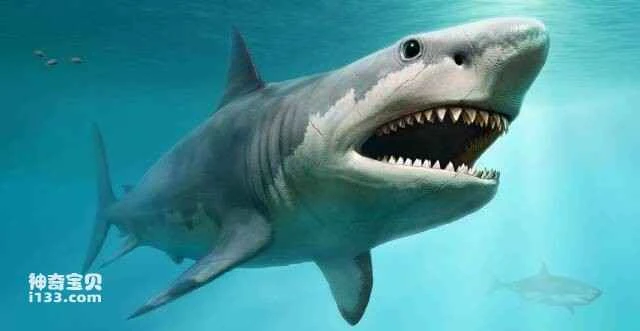
The number of teeth can vary among different shark species. For example, some small shark species have only a few dozen teeth, while large shark species may have hundreds or even thousands. Furthermore, shark teeth are typically replaced; they continuously grow new teeth to replace old or damaged ones. Statistics show that most sharks grow one to several new teeth per week. Scientifically, a shark can replace over 20,000 teeth in 10 years, making it the species with the most frequent tooth replacement in the animal kingdom.
3. Dolphins

The number of teeth a dolphin has varies among species, but it is one of the animals with the most teeth in the world. An average adult dolphin typically has 272 teeth in its upper and lower jaws, ranking among the top three animals with the most teeth. Each tooth is conical with sharp edges, used for hunting and chewing. Unlike sharks, dolphin teeth are fixed and not replaceable, so they need to maintain and care for them to ensure they can eat and survive normally.
4. Armadillo
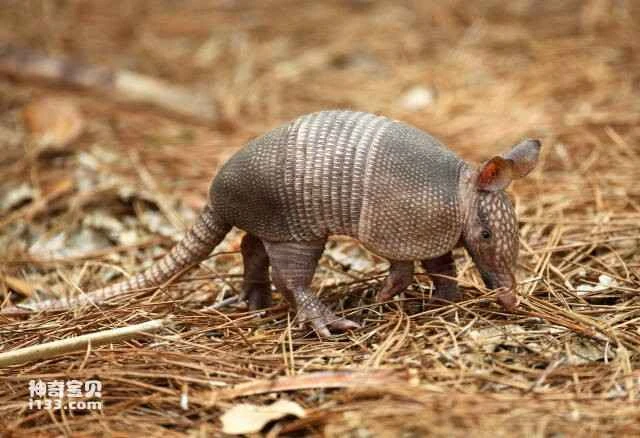
Armadillos are mammals characterized by their hard, armored shells, which they typically use for protection. However, armadillos do not have true teeth. Instead, they possess keratinous teeth, or plate-like teeth, inside their mouths, which function in grinding food. Specifically, armadillos have approximately 13 rows of plate-like teeth on the inside of their jaws, with 8-9 teeth in each row, giving them roughly 100 plate-like teeth. It's important to note that different species of armadillos may have slightly different numbers and arrangements of teeth or plate-like teeth, but the order of magnitude is roughly the same.
5. Crocodile

Crocodiles are reptiles with many sharp teeth used for hunting and chewing. Different species of crocodiles may have slightly different numbers and arrangements of teeth, but generally, crocodiles have a great many teeth, sometimes dozens or even hundreds. For example, an adult American crocodile has about 80 teeth, while a male alligator may have nearly 100. Most of these teeth are located in the crocodile's lower jaw, but some protrude into the upper jaw. It's important to note that crocodile teeth are not fixed to the jawbone like human teeth; they are constantly being replaced.
6. Komodo dragon

The Komodo dragon, also known as the Komodo monitor lizard, is the largest known monitor lizard on Earth. It possesses 60 frequently replaced, serrated teeth that can reach up to 2.5 centimeters in length, ranking sixth in the list of animals with the most teeth. The Komodo dragon evolved from an ancient monitor lizard over 4 million years ago and was once widely distributed across the islands of Australia and Indonesia. However, today, its habitat is limited to the Indonesian archipelago, with a current wild population of approximately 5,700, making it an endangered species.
7. Hippopotamus
Hippos are herbivorous mammals, and the number of their teeth varies with age. Adult hippos typically have 44 teeth, including 12 incisors, 4 canines, and 28 molars. Juvenile hippos have only 28 teeth, lacking the 8 back molars. Hippos' incisors and canines are very sharp, used for defense against predators or competitors. The remaining molars are larger and suitable for chewing grass. It's worth noting that while hippos' incisors wear down over time, they have a self-repairing ability, continuously growing new teeth to replace the old ones.
8. Polar bear

Polar bears are carnivores with a similar number of teeth to other bears, totaling 42. Their incisors are extremely sharp, easily tearing through the flesh of prey, while their molars are used to grind meat and bones. The polar bear's incisors differ slightly in size and shape from those of other bears, an adaptation to their lifestyle of hunting aquatic animals such as seals. Like hippos, polar bears' teeth wear down over time, but they do not possess the self-repairing abilities of hippos.
9. Giant Panda

Giant pandas are bamboo-eating mammals with a similar number of teeth to other bears, totaling 42. Their incisors are very sharp, easily tearing through plant fibers like bamboo, while their molars are used for grinding plants. Unlike other carnivorous bears, giant pandas have relatively small teeth, adapted for eating bamboo and other plants rather than meat and bones. Due to their diet, giant panda teeth may face some challenges in terms of wear and corrosion.
10. Wolf
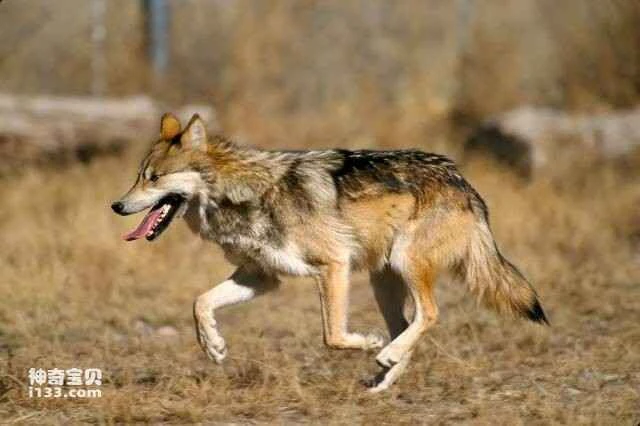
Wolves are carnivorous animals with 42 teeth. Their incisors are extremely sharp, easily tearing through the skin, flesh, and bones of their prey, while their molars are used for chewing and grinding meat and bones. Like other carnivorous mammals, wolves have well-developed incisors and canines, which helps them quickly kill prey during hunts. Wolves' teeth also wear down and corrode over time.
This list of the 10 animals with the most teeth in the world is primarily based on the number of teeth of each extant animal, public awareness, online attention, and relevance to the list's theme, while also referencing relevant internet rankings and lists. This list is for reference only; please feel free to comment or discuss at the end if you have any questions.