The lifespan of birds varies depending on the species. Generally, smaller birds (such as sparrows) can live for several years to over ten years, while larger birds (such as eagles and ostriches) can live for decades or even over a hundred years. It's important to note that a bird's lifespan is influenced by many factors, such as its living environment, threats it faces, and diseases. Do you know which birds are among the longest-living in the world? This article introduces ten of the world's longest-living birds: the Sulphur-crested Cockatoo, Macaw, Royal Albatross, African Grey Parrot, Flamingo, Andean Condor, Blue-eyed Cockatoo, Eagle, Malayan Hornbill, and Lorikeet. Let's see just how long these amazing birds can live!
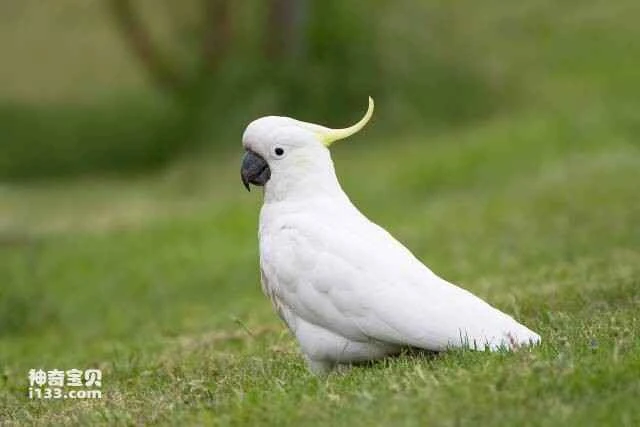
1. Sulphur-crested cockatoo (scientific name: Cacatua galerita)
The cockatoo, also known as the white cockatoo or great white cockatoo, is a highly intelligent and alert parrot. Their lifespan is typically between 40 and 60 years, but some individuals can live up to 80 years. To ensure your cockatoo's health and longevity, you need to provide it with ample food and water, a suitable living environment, and necessary healthcare. Regular interaction, education, and training are also essential to ensure it receives sufficient stimulation and exercise, helping it maintain its physical and mental well-being.
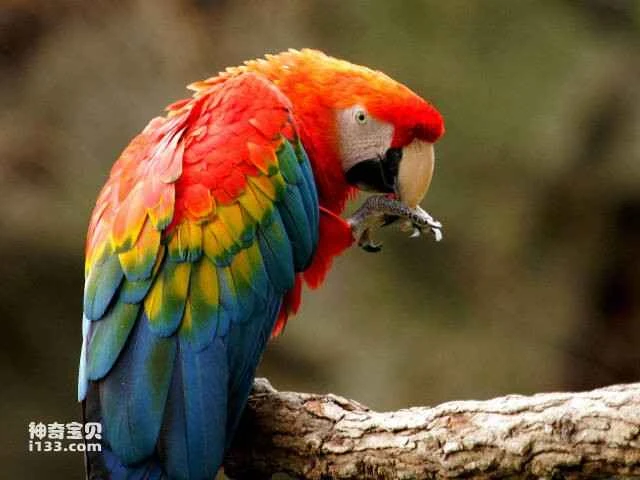
2. Macaw (scientific name: Psittacidae)
Macaws are beautiful, large parrots that can typically live 30-50 years or even longer. However, a macaw's lifespan is influenced by many factors, such as its living environment, diet, and healthcare. To ensure your macaw's health and longevity, you need to provide it with a suitable environment, including ample space, appropriate temperature and humidity, and a safe habitat. In addition, you should provide it with a balanced diet, regular health checkups and necessary medical care, as well as plenty of exercise and social interaction to help maintain its physical and mental well-being.
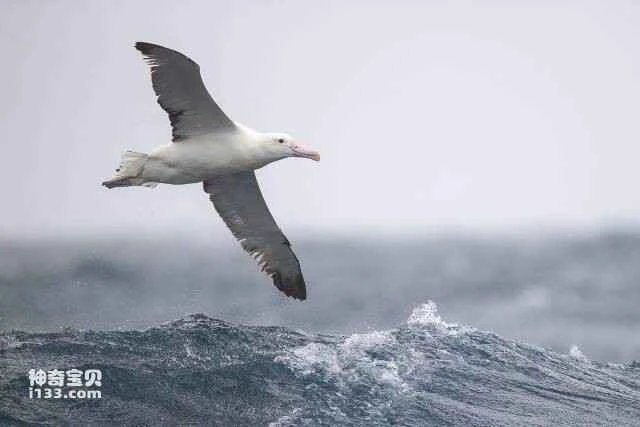
3. Albatross (scientific name: Diomedea epomophora)
The King Albatross, also known as the Antarctic Albatross or the Antarctic Bird, is one of the largest flying birds in the world. They typically live to be around 30-40 years old, but some individuals may live even longer. For these birds to live healthy and long lives, they need a suitable living environment, sufficient food and water, and to maintain good hygiene and health. In addition, they require ample exercise, regular medical checkups, and necessary treatment. Because the Antarctic Albatross is a protected animal, extra care and respect must be shown when interacting with them to avoid causing harm.
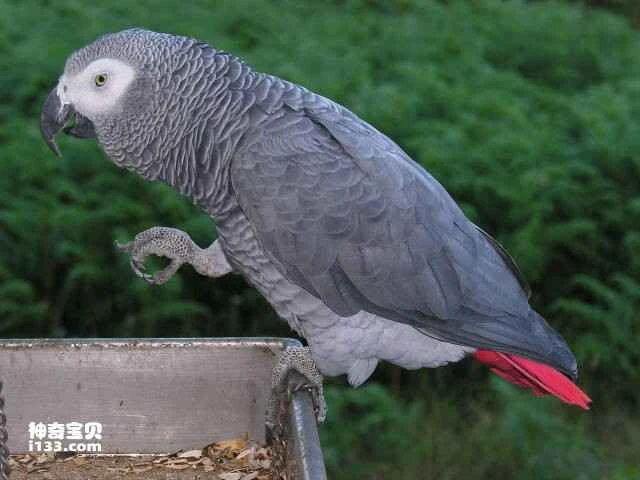
4. African Grey Parrot (scientific name: Psittacus erithacus)
The African Grey Parrot is a large, intelligent, and easily trained parrot. They typically live to be around 50-60 years old, but some individuals may live longer. To ensure your African Grey Parrot's health and longevity, you need to provide it with a suitable living environment, including ample space, appropriate temperature and humidity, and a safe habitat. In addition, you need to provide it with a balanced diet, regular health checkups and necessary veterinary care, as well as sufficient exercise and social interaction to help maintain its physical and mental well-being. At the same time, be aware of the African Grey Parrot's sensitivity to air quality and chemicals, so try to avoid exposing it to harmful environments.
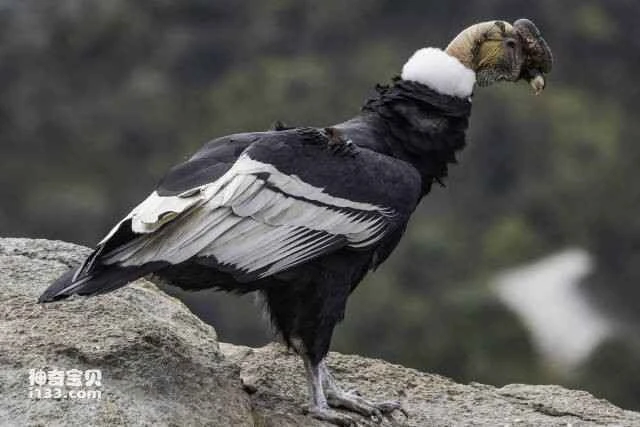
5. Andean condor (scientific name: Vultur gryphus)
The Andean condor, also known as the Andean eagle or Andean grosbeak, is a large New World vulture. They typically live to be 20-50 years old, but may live even longer under human care than in the wild. To ensure their health and longevity, they need a suitable living environment, sufficient food and water, and to be kept clean and healthy. Regular veterinary checkups, a balanced diet, and appropriate exercise are also essential to maintain their physical and mental well-being. Because Andean condors are solitary animals, extra care must be taken when interacting with them to avoid causing harm.
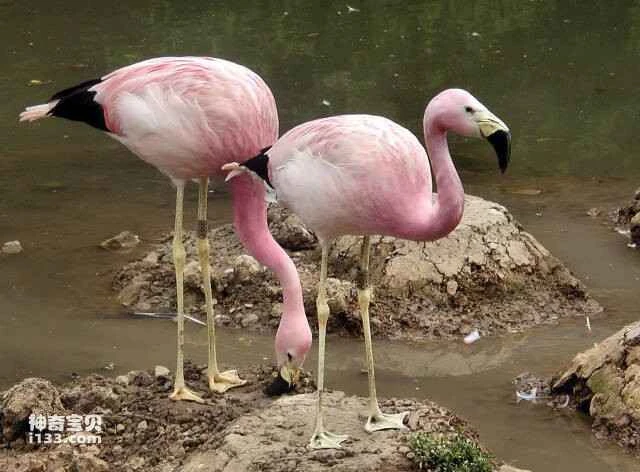
6. Flamingos (scientific name: Phoenicopteridae)
Flamingos are birds belonging to the family Flamingoidae, which includes six species, the most well-known being the pink Chilean flamingo and the American flamingo. These birds typically live to be around 20-50 years old, but some individuals can live even longer. To ensure your flamingo's health and longevity, you need to provide them with a suitable living environment, including sufficient space, appropriate temperature and humidity, and a safe habitat. In addition, you need to provide them with a balanced diet, regular health checkups and necessary medical care, as well as appropriate exercise and social interaction to help them maintain their physical and mental well-being. Mimicking their natural habitat in the wild as much as possible will promote their health and longevity.
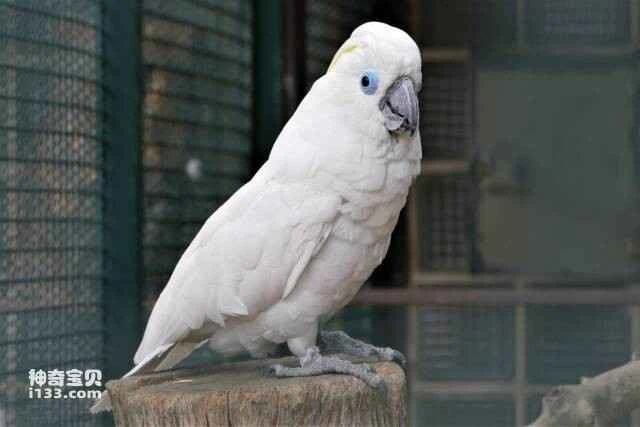
7. Blue-eyed Cockatoo (scientific name: Cacatua ophthalmica)
The Blue-eyed Cockatoo, also known as the Yellow-eyed White Cockatoo, is a rare type of cockatoo. The average lifespan of a captive Blue-eyed Cockatoo is 40 years, but surprisingly, its lifespan in the wild is as high as 50-60 years. This is likely due to improper captive breeding practices, which shorten their lifespan, depending on their living environment and care. To ensure your Yellow-eyed White Cockatoo lives a long and healthy life, you need to provide them with a suitable environment, including sufficient space, appropriate temperature and humidity, and a safe habitat. In addition, you need to provide them with a balanced diet, regular health checkups and necessary medical care, as well as appropriate exercise and social interaction to help maintain their physical and mental well-being.
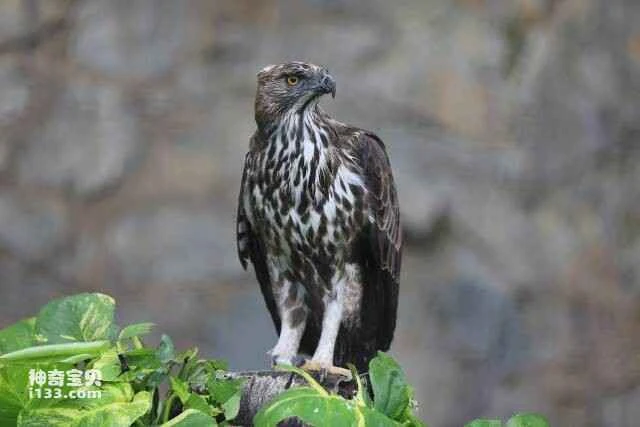
8. Hawk; eagle
Eagles are a group of birds of prey, encompassing many different species, and their lifespan varies by species. Generally, eagles can live between 20 and 40 years, or even longer, depending on factors such as their habitat, diet, and whether they are hunted or protected by humans. In the wild, eagles may face various challenges, such as weather changes, prey availability, competition, disease, and predators, thus their lifespan may be relatively shorter. Under human protection and care, eagles may live even longer. In short, to ensure the health and longevity of eagles, they need a suitable living environment and nutrition, while minimizing unnecessary stress and disturbance to ensure their safe survival and reproduction.
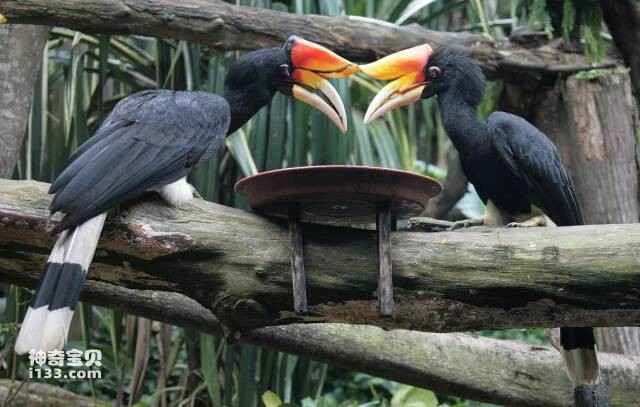
9. Malayan Hornbill (scientific name: Buceros rhinoceros)
The Malayan hornbill is a large bird of the hornbill family. They typically live to be around 35-40 years old, but some individuals may live longer. To ensure your hornbill's health and longevity, you need to provide it with a suitable living environment and sufficient nutrition, including ample food and water, appropriate habitat, and play area. In addition, regular veterinary checkups and necessary healthcare are essential. Hornbills are very intelligent birds and require appropriate stimulation and social interaction to maintain their physical and mental well-being. Therefore, extra care must be taken when interacting with hornbills to avoid causing them harm.
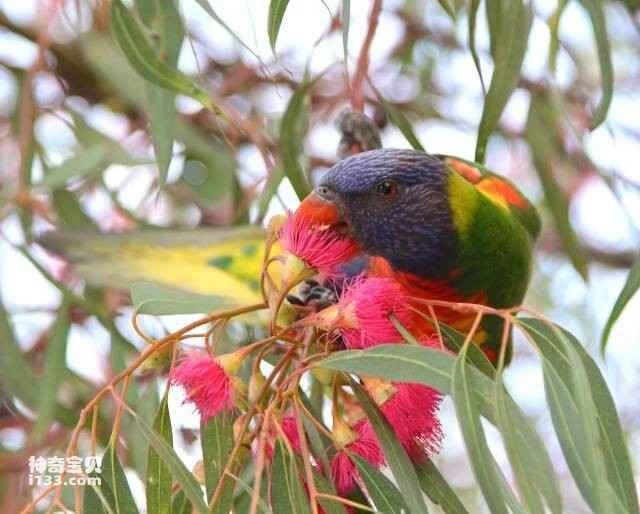
10. Lory (scientific name: Lory, Lorikeet)
Lorikeets are small, lively, and playful parrots that typically live 10-15 years, but may live even longer under human care. To ensure your lorikeet's health and longevity, you need to provide them with a suitable living environment, including ample space, appropriate temperature and humidity, and a safe habitat. In addition, you need to provide them with a balanced diet, regular health checkups and necessary medical care, as well as plenty of exercise and social interaction to help maintain their physical and mental well-being. Lorikeets are very active birds, so you need to provide them with a variety of fun and engaging games and activities in their daily lives to meet their natural needs.
The list of the ten longest-living birds is compiled from various websites. It uses research on the average lifespan of these birds from search engines like Baidu, and ranks them from highest to lowest based on their average lifespan. This list is for reference only. If you have any questions, please feel free to comment at the end.