In traditional Chinese culture, the tortoise has always been a symbol of longevity, with the folk saying "a thousand-year-old tortoise, a ten-thousand-year-old turtle." Ancient books abound with records and descriptions of the tortoise's longevity. In the eyes of the ancients, the tortoise's long lifespan was astonishing, thus placing it alongside the dragon, phoenix, and qilin as one of the "Four Auspicious Beasts," a symbol of good fortune and longevity. Of course, their lifespans aren't as exaggerated as some claim, and the average lifespan varies among different tortoise species; land tortoises and sea turtles generally have very long lifespans. Below, we've compiled a list of the ten longest-living tortoise species: hawksbill turtle, Yangtze giant softshell turtle, Aldabra giant tortoise, Galapagos giant tortoise, European pond turtle, radiated tortoise, alligator snapping turtle, yellow-margined box turtle, red-footed tortoise, and yellow-margined box turtle.
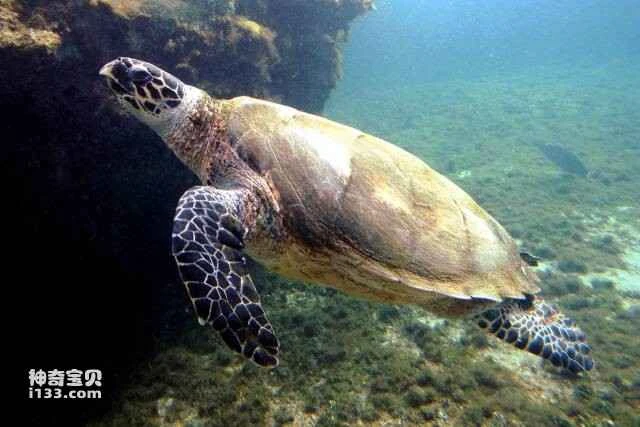
1. Hawksbill turtle (over 1000 years old)
Hawksbill turtles are a very precious species of sea turtle, considered one of the longest-living animals in the world. It is said that the average lifespan of a hawksbill turtle can reach over a thousand years, and the oldest known hawksbill turtle is said to be 1500 years old. Hawksbill turtles are typically small, generally about 0.6 meters long, but larger ones can reach 1.6 meters. They mainly inhabit shallow lagoons and coral reefs, feeding primarily on sponges.
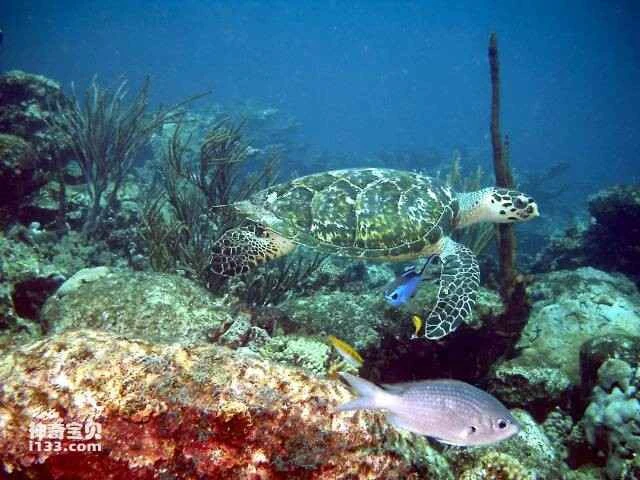
The hawksbill turtle's carapace is reddish-brown, smooth and shiny, with pale yellow cloud-like markings, making it very beautiful. However, due to its beauty, the hawksbill turtle has suffered from overhunting by humans. Its shell scales are used to make medicine, and its keratinous plates are used to make eyeglass frames or other ornaments. This unrestrained fishing has made the hawksbill turtle an endangered species, and it has almost disappeared from the coastal waters of China. We should do our best to protect these precious biological resources so that they can survive safely in their natural environment.
2. Yangtze giant softshell turtle (over 400 years old)
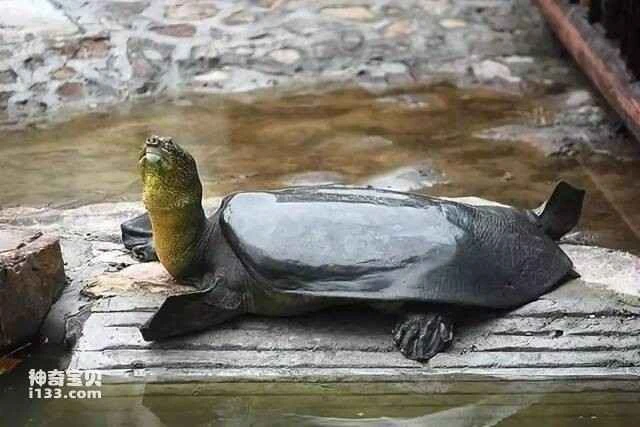
The Yangtze giant softshell turtle, also known as the Swinhoe's softshell turtle, is a very precious turtle species. In ancient times, they were widely distributed in the lower reaches of the Yangtze River and the Taihu Lake region of China. However, due to unrestrained hunting and ecological destruction, the number of Yangtze giant softshell turtles has decreased dramatically since 1972, making them an even more endangered "giant panda of the water" than the Chinese sturgeon.
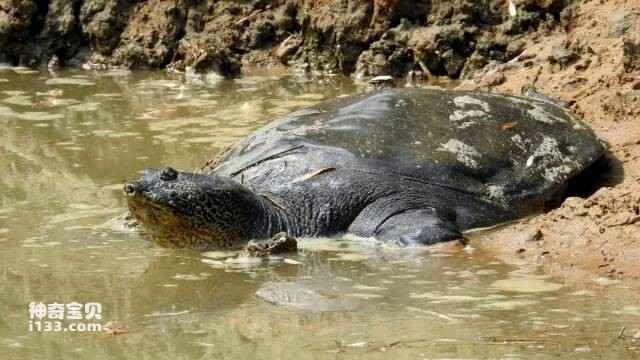
Despite their dwindling numbers, the Yangtze giant softshell turtle remains an exceptionally long-lived animal. A male Yangtze giant softshell turtle at Xiyuan Temple in Suzhou reportedly lived for over 400 years before finally passing away in 2007. The lifespan of these turtles is several times that of humans, and it is truly lamentable that this species has come to an end under human hands. We should recognize the importance of wild animals and protect them as much as possible. Only in this way can we ensure the continued existence of these precious biological resources in the future.
3. Aldabra giant tortoise (over 200 years old)
The Aldabra giant tortoise is a reptile belonging to the genus Aldabra in the family Testudinidae of the order Testudines. It is primarily found on the Aldabra Islands of the Seychelles. They are herbivores and can reach a maximum carapace length of 105 cm. The Aldabra giant tortoise is considered one of the longest-living reptiles in the world, with an average lifespan exceeding 200 years, often outliving their observers.
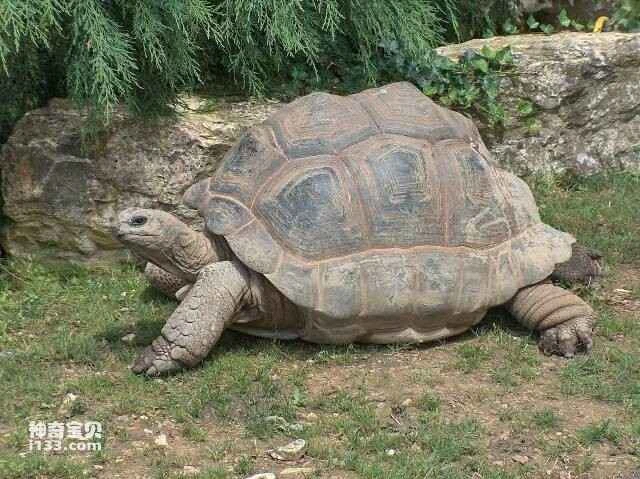
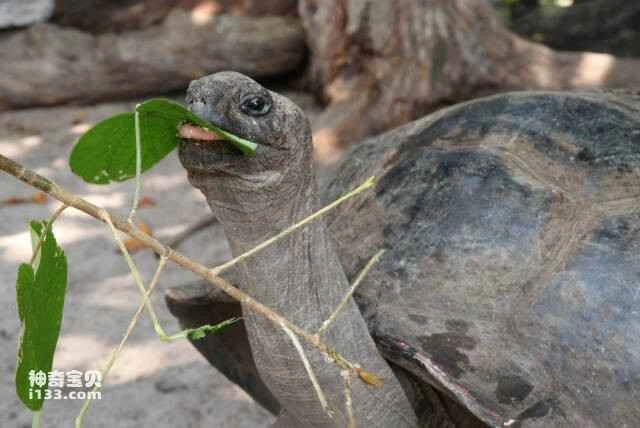
A giant tortoise named Adevita was reportedly sent as a gift to the British East India Company by British sailors in the 18th century and later transferred to the Calcutta Zoo in India. This tortoise lived to an astonishing 255 years old, dying in March 2006, becoming one of the longest-lived tortoises ever recorded. Despite their exceptionally long lifespan, Aldabra giant tortoises have drastically declined in number and are listed as an endangered species. We should protect these precious biological resources and take measures to ensure their survival and reproduction in the future.
4. Galapagos tortoise (over 100 years old)
The Galapagos tortoise is the largest living land tortoise, found only on nine small islands in the Galapagos archipelago. They typically reach a length of about 1.2 meters and feed on cacti, fruits, and leaves. The sex of Galapagos tortoises can be determined around age 15, and they reach sexual maturity at approximately 20-25 years old. In the wild, it takes about 40 years to reach their standard adult size. Their lifespan in the wild exceeds 100 years, making them one of the longest-living species in the animal kingdom.
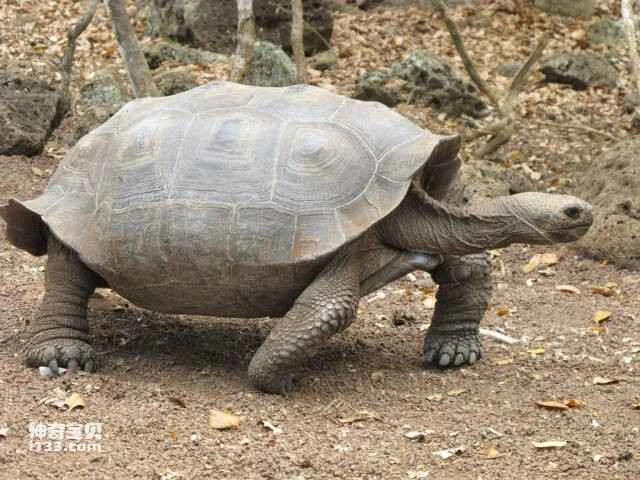
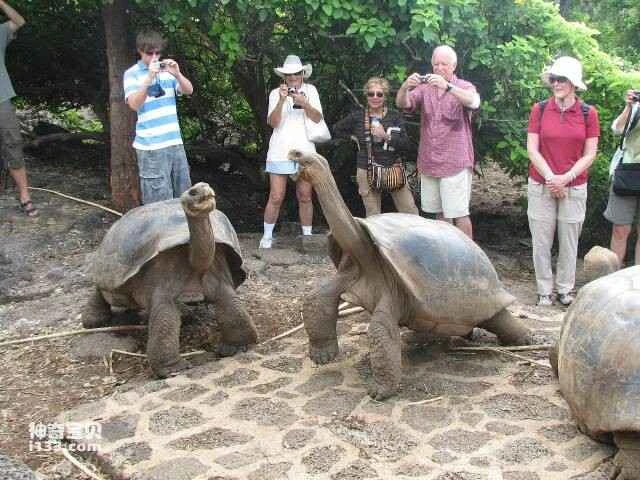
The Australian Zoo houses a specimen of a Galapagos tortoise named Harriet, the oldest known Galapagos tortoise, who died in 2006 at the age of 176. This demonstrates the exceptionally long lifespan of the Galapagos tortoise and highlights its importance for protection and understanding. However, due to factors such as habitat destruction and illegal hunting, the Galapagos tortoise population has declined, leading to its listing as an endangered species. We should take measures to ensure the continued existence of these precious biological resources in the future.
5. European Zebra Turtle (more than 100 years old)
The European pond turtle is a typical small to medium-sized aquatic turtle belonging to the family Geoemydidae and the genus *Typhonium*. It measures approximately 15-20 cm in length and is mainly distributed in the Mediterranean region, including Europe and North Africa. They can be found in many ponds throughout Europe. The European pond turtle has a hard, armor-like exterior; its carapace is brownish-red, densely covered with yellow spots and dark markings, making it very beautiful. Even more remarkable than its beautiful appearance is its longevity, typically exceeding 100 years, making it a remarkably long-lived creature.
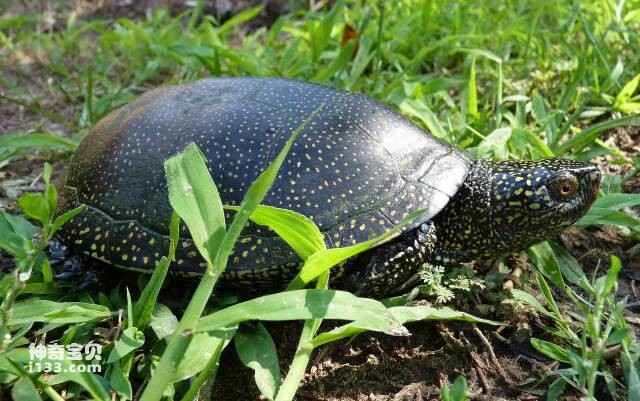

However, due to factors such as overhunting and ecological degradation, the number of European pond turtles has declined sharply, and they are now listed as an endangered species. We should recognize the importance of wild animals and protect them as much as possible to ensure the continued existence of these precious biological resources in the future.
6. Radiated tortoise (50-100 years old)
Radiated tortoises, also known as radiated storks, are a type of tortoise with beautiful markings and a gentle temperament, mainly distributed in Mauritius and Madagascar. They feed on plant stems and leaves, fruits, and vegetables. Although they are tortoises, radiated tortoises also have an extremely long lifespan, generally between 50 and 100 years. Records show that a radiated tortoise given to the King of Tonga by Captain Cook in 1777 lived to 1965, reaching the age of 188, spanning two centuries and becoming one of the longest-living animals.
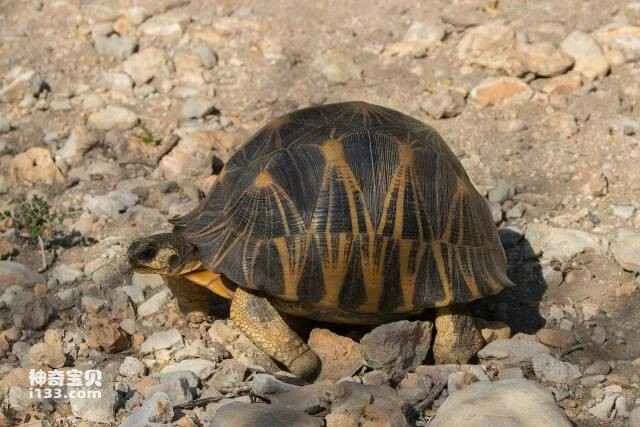
However, due to overhunting and ecological destruction by humans, the number of radiated tortoises has drastically decreased, and they are now listed as an endangered species. We should protect these precious biological resources and take measures to ensure their survival and reproduction in the future.
7. Alligator snapping turtle (60-80 years)
The alligator snapping turtle, scientifically known as *Triplophysa elegans*, is one of the oldest living reptiles and one of the largest aquatic turtles in the world. They live in rivers, lakes, ponds, and swamps, feeding on fish, water birds, snails, shrimp, and water snakes, and are mainly distributed in the Mississippi River basin in the United States.
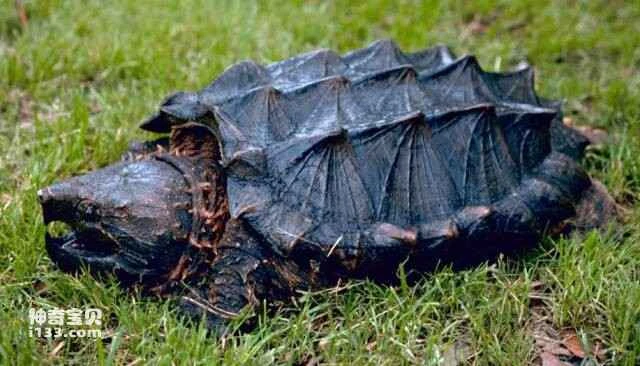
Alligator snapping turtles are highly adaptable and resilient. Their average lifespan is around 60-80 years, but the longest recorded lifespan in captivity is 60 years. They grow extremely slowly, and only under ideal conditions can they potentially live to be over a hundred years old, though there are no documented examples to date. Due to their rapidly declining numbers in the wild, they have been listed as an endangered species. We should take measures to protect these precious biological resources and ensure their continued existence in the future.

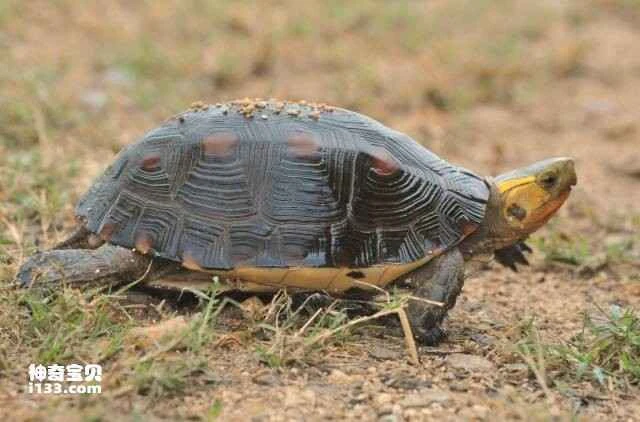
8. Yellow-margined Box Turtle (40-60 years)
The Yellow-margined Box Turtle, also known as the Yellow-margined Box Turtle, is a reptile widely distributed in southern China, Japan, and other regions. It frequently inhabits damp places such as forest edges, rivers, and lakes, feeding on fish, shrimp, earthworms, vegetables, and grains. It is said that the Yellow-margined Box Turtle can live for 40-60 years, and some may even live over 100 years. As a popular pet turtle, it is highly interactive with humans and is well-loved. The Yellow-margined Box Turtle is very active and not afraid of humans; this optimistic personality may be the secret to its longevity.
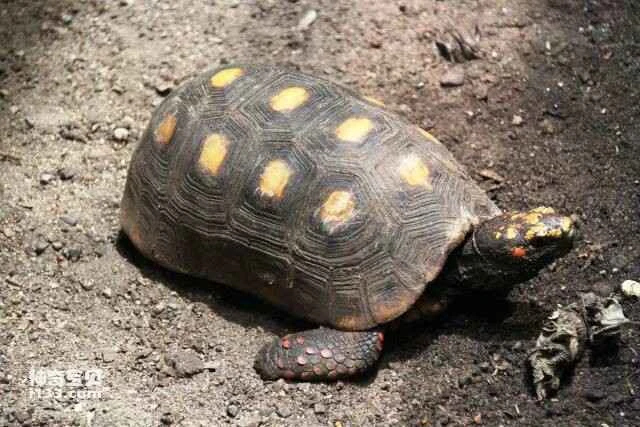
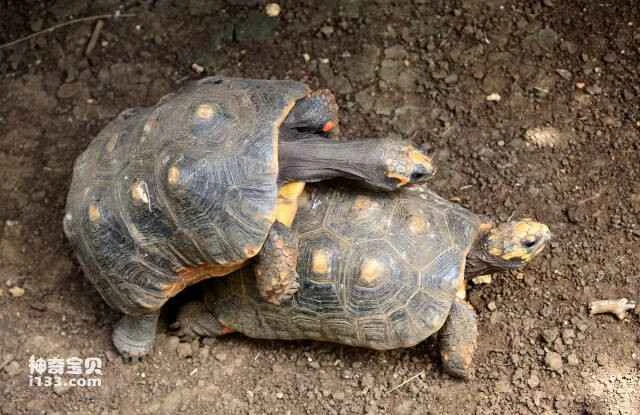
9. Red-legged tortoise (40-60 years)
The red-footed tortoise, scientifically known as *Geochelone carbonaria*, belongs to the family Testudinidae. It typically measures about 30 cm in length, but can reach up to 45 cm. Its vibrant and striking colors are very eye-catching. Due to its ease of care and large appetite, it is an ideal choice for many beginner tortoise keepers. There are two subspecies: the Colombian red-footed tortoise and the Caribbean island red-footed tortoise. The older, more mature red-footed tortoise is larger, with less prominent head markings, but its carapace develops a concave shape in the middle as it grows. The cherry red-footed tortoise, on the other hand, is smaller, with distinct red markings on its head. Even in adulthood, its carapace remains oval and does not shrink in shape.
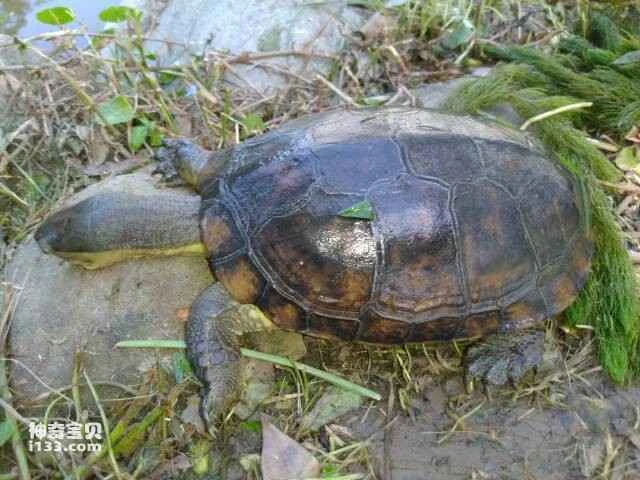
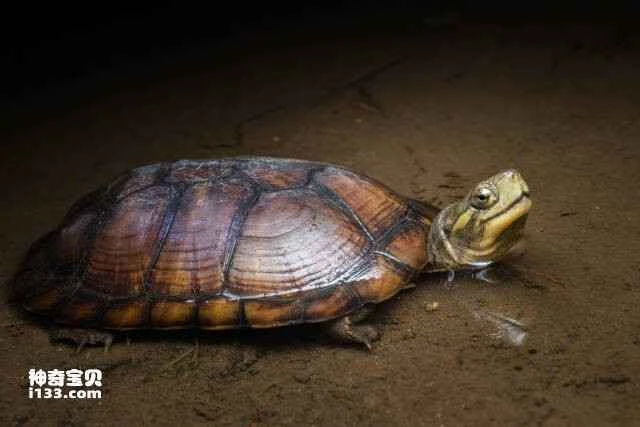
10. Yellow-throated box turtle (30-50 years)
The yellow-margined box turtle is one of the oldest and most primitive species of aquatic turtles, considered a representative of the "ancient stone turtle." This turtle mainly lives in the near-shore areas of coastal islands and peninsulas drifting from the mainland, and is rare and uncommon. They are mainly distributed in the near-tropical and subtropical regions of East and South Asia, as well as some low-altitude temperate areas. The yellow-margined box turtle is heat-resistant, cold-resistant, and thirst-resistant, and is an omnivorous animal, eating almost anything. Therefore, it has a very strong vitality. Generally, the lifespan of the yellow-margined box turtle is about 30 to 50 years, and it may live even longer under high-quality captive breeding conditions.
A turtle's lifespan is influenced by many other factors, such as environment, diet, and lifestyle. This list is primarily compiled by searching relevant online platforms for turtle lifespans and considering their popularity and rarity. If you have any questions, please feel free to leave a comment.