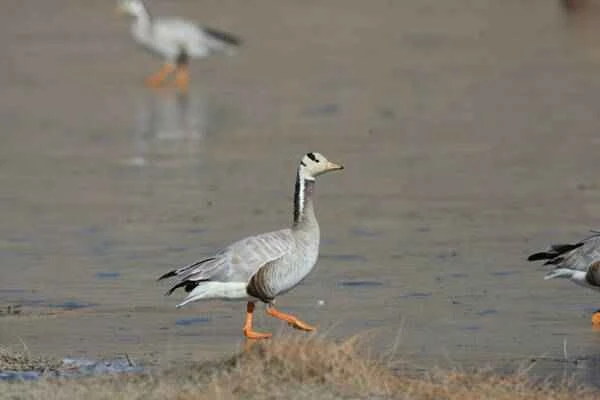
White-eyes are a collective term for 97 species of birds in the family White-eyeidae, mainly distributed in southern Africa and northeastern to southern Asia. Their most distinctive feature is the prominent eyebrow line around their eyes. White-eyes are not easy to keep; they are easy to keep alive, but difficult to raise well. Problems such as watery droppings, ruffled feathers, and feather loss are common during their care. It's important to maintain a stable diet and temperature, avoiding drastic changes. One of the main reasons why keeping white-eyes as pets is not recommended is that they are wild birds that need to engage in instinctive activities such as free flight and hunting in the wild. Confining them in cages restricts their movement and natural instincts, easily causing physical and psychological stress, leading to health problems and behavioral abnormalities. Furthermore, white-eyes are protected animals, and illegal acquisition and trade can threaten wild populations. Therefore, if you wish to own a pet, it is recommended to choose one that complies with legal regulations and ensure that you provide the necessary living environment, food, and care.
Main species of the White-eye family :
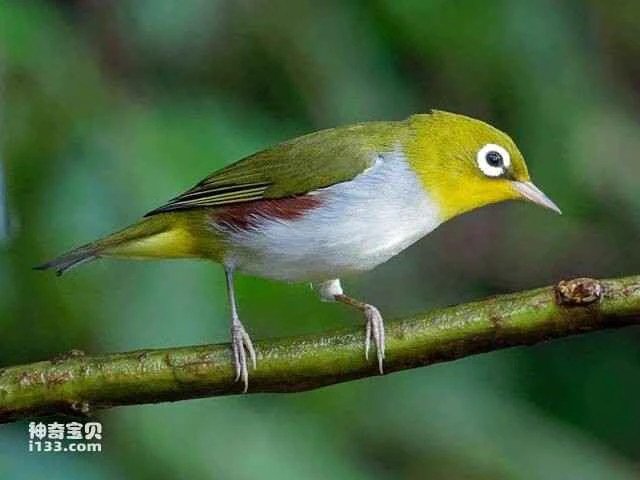
1. Red-flanked White-eye (scientific name: Zosterops erythropleurus)
The Red-flanked White-eye is a small white-eye bird found on the island of Sulawesi in Indonesia and nearby islets. It measures about 12 cm in length, with dark green plumage and a grey head and neck. Its name comes from its distinctive red eyebrows and red patches on its sides. They inhabit various types of forests, including primary, secondary, and plantations, and are also found in gardens and other areas with human activity. They primarily feed on insects and other small arthropods.
There are currently no detailed reports on the population stability of the Red-flanked White-eye, but it is widely distributed and not listed as endangered, therefore it is classified as "Least Concern" (LC) by the IUCN. In my country, it is listed as a Class II protected wild animal in the National Key Protected Wild Animals List (February 5, 2021).
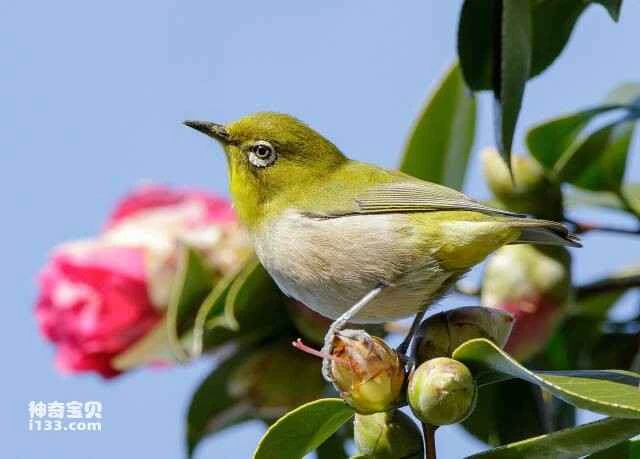
2. Japanese White-eye (scientific name: Zosterops japonicus)
The Japanese White-eye, also known as the Japanese Blue-eye, is a small bird belonging to the family White-eyeidae, found in Japan and neighboring islands. It measures approximately 11-13 cm in length, with pale green plumage, a grey head, and a distinctive white patch on its throat and chest. They inhabit various forests, including evergreen, coniferous, deciduous, and plantations, and are also found in gardens and other areas with human activity. Their diet consists primarily of insects and other small arthropods.
Due to its wide distribution and stable population, the Japanese White-eye is currently classified as a "Least Concern" (LC) species by the IUCN. In Japan, they are widely regarded as birds of good fortune and are protected and cherished.
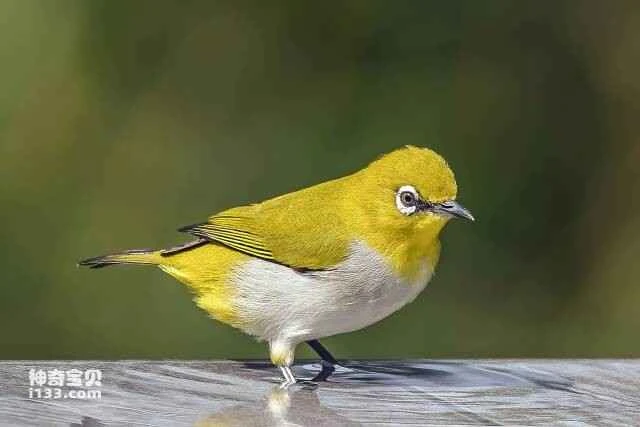
3. Grey-bellied White-eye (scientific name: Zosterops palpebrosus)
The Grey-bellied White-eye is a medium-sized white-eye bird belonging to the family White-eyeidae in the order Passeriformes. It is mainly distributed in Yunnan, Sichuan, Guizhou, Hunan, and Guangxi provinces of China, and also found in Vietnam and Laos. The Grey-bellied White-eye is about 25 cm long and weighs about 90 grams. Its plumage is a mottled mix of black, brown, and grey, possessing a unique beauty. The head, chest, and abdomen are dark grey, with a white ring around the eyes, while the abdomen and undertail coverts are reddish-brown. Black stripes are present on the throat and chest, often visible when perched. Grey-bellied White-eyes typically inhabit secondary forests, bamboo groves, and thickets in mountainous areas, feeding on insects, fruits, and seeds. They are very solitary, often found in small groups of 6-10 individuals.
The Grey-bellied White-eye is a constantly chirping bird, usually with a loud and complex call, sometimes accompanied by melodious twittering. They are very active birds, enjoying hopping, exploring, and foraging among trees, the ground, and bushes. The breeding season typically runs from spring to summer, with the female nesting in grass or bushes and laying 2-4 eggs. Although the Grey-bellied White-eye is a beautiful and interesting bird, its wild population is declining due to habitat threats and illegal hunting. Therefore, we should protect these precious birds and allow them to continue to thrive in nature.
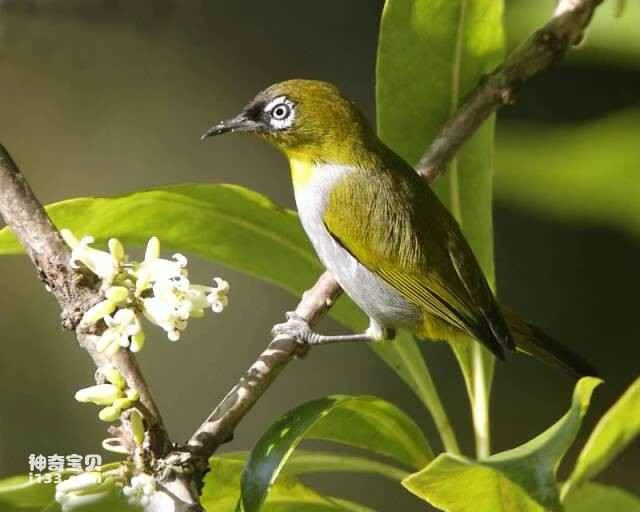
4. Yellow-bellied White-eye (scientific name: Zosterops fuscicapillus)
The Yellow-bellied White-eye, also known as the Brown-crowned White-eye, is a small white-eye bird, about 10 centimeters long and weighing approximately 7 grams. Its head, sides of the neck, and back are cape-colored or olive-green, with a white eyebrow ring around the eyes and a distinct white eyebrow patch. The throat and chest are pale yellow, and the belly is white. The Yellow-bellied White-eye is mainly distributed on the island of Sumatra in Indonesia. They primarily inhabit lowland and mountain rainforests below 2000 meters in altitude, and can also be found in sparsely vegetated reeds and shrublands. The Brown-crowned White-eye mainly feeds on insects, but also eats fruits and nectar.
Due to habitat destruction and deforestation caused by human activities, coupled with factors such as harvesting and illegal trade, the population of the Yellow-bellied White-eye has been declining, and it has been assessed as an endangered species by the International Union for Conservation of Nature (IUCN).