From childhood, we hear various stereotypes about animals—owls are intelligent, sloths are lazy, hyenas are evil, elephants never forget things… These descriptions are deeply ingrained and even influence our understanding of the animal world. But are they all true?
Today, we'll take you behind the scenes to uncover the truths behind 12 of the most common animal stereotypes, some of which may change your perceptions!
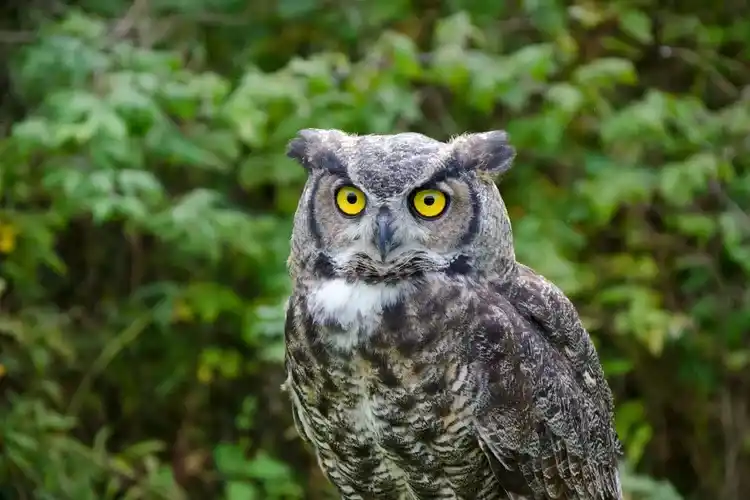
1. Are owls really intelligent?
Many people consider owls a symbol of wisdom, an impression that dates back to ancient Greece, where owls were a symbol of Athena, the goddess of wisdom. However, the owl's large eyes are simply a result of visual adaptation to nocturnal activity; their brain size and learning ability are not particularly outstanding. In contrast, crows and ravens are the true "wise birds."
2. Do elephants really have a good memory?
It's true! Elephants have brains larger than most mammals and possess amazing memories. They can remember the faces of other elephants they haven't seen for years, recall the location of water sources, and even "mourn" deceased relatives and friends. But the claim that they are "afraid of mice" is unreliable; they are simply more sensitive to things that move suddenly.

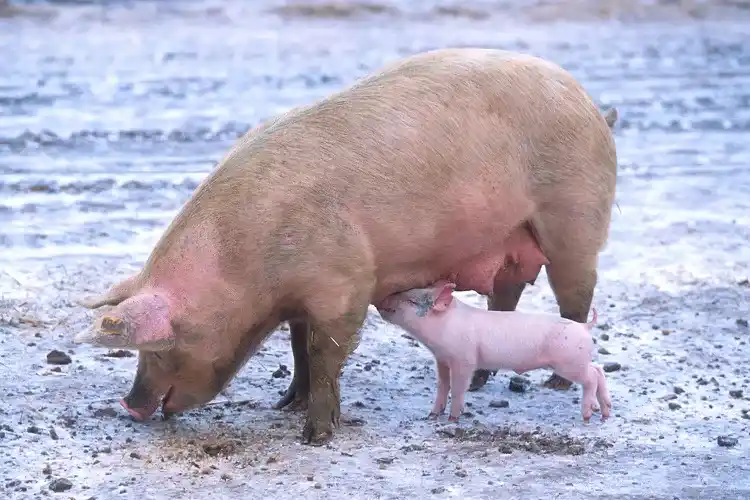
3. Do pigs really have "unseemly eating habits"?
The phrase "eating like a pig" is actually unfair. While pigs may make a lot of noise and look disheveled while eating, they don't vomit as people say. Pigs simply eat more efficiently than us, and their diet is very diverse; they can eat almost anything, which is the root of the misunderstanding.
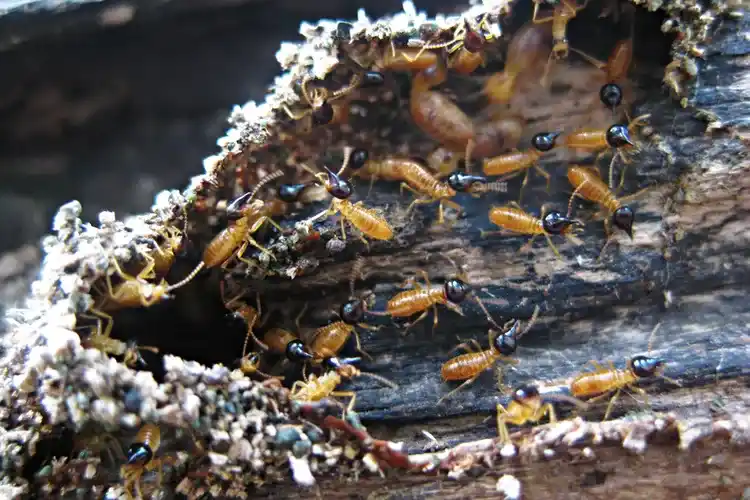
4. Do termites really only eat wood?
Actually, not all termites eat wood. Some "advanced" termites prefer to eat grass, leaves, and even feces. Termites that do eat wood do so by using symbiotic microorganisms within their bodies to break down the lignocellulose. Incidentally, the large amounts of methane gas produced by termites each year also have a significant impact on global warming.
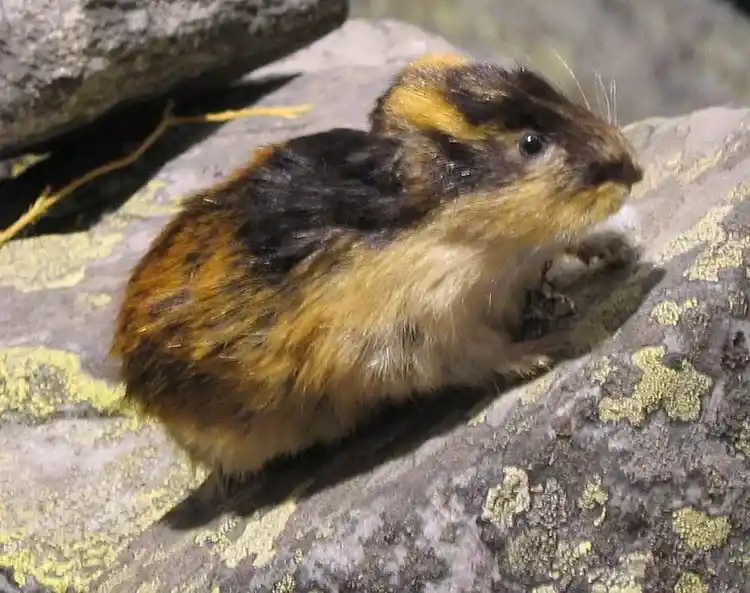
5. Do lemmings really commit "mass suicide"?
This is a blunder caused by a misleading "nature documentary." The 1958 Disney film *The White Wasteland* showed lemmings jumping off a cliff to commit suicide, but this was actually a staged scene of them being driven away. The lemmings were simply migrating in large numbers during a population explosion and accidentally fell into the water; they had no "suicidal tendencies."
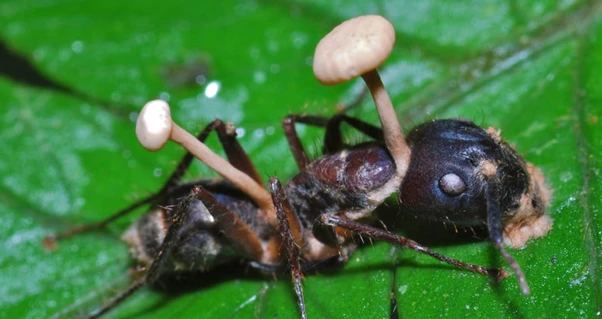
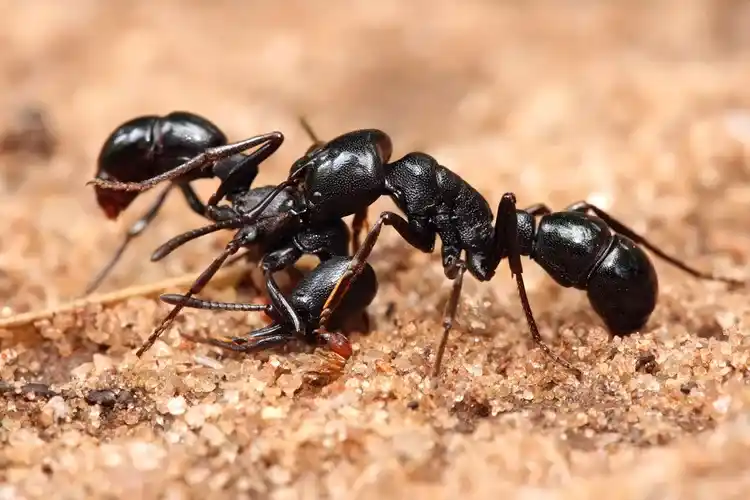
6. Are ants really that "hardworking"?
The impression of ants as "hardworking" comes largely from myths and fables. However, they don't work consciously; rather, their work is driven by instinctive reactions fueled by genetic "programs." Their "efforts" are like robots executing commands, completely different from the motivations behind human effort.
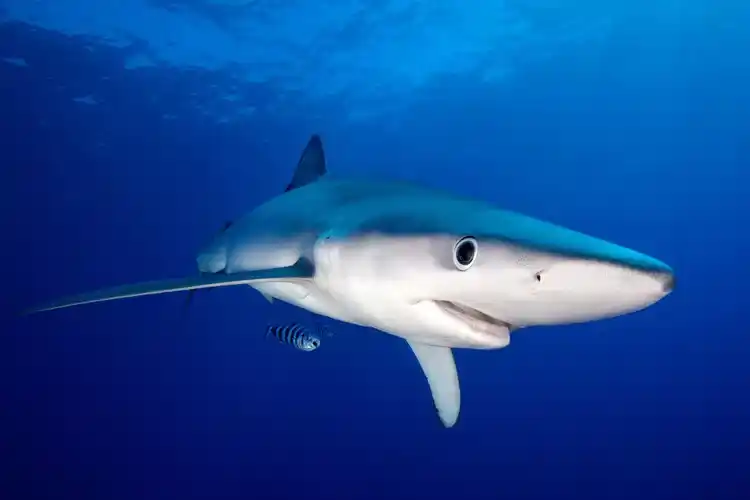
7. Are sharks really "bloodthirsty"?
Sharks are not malicious killers; they are simply normal carnivores. It's true that some sharks can smell blood at a concentration of one part per million (about one drop of blood in 50 liters of water), but this doesn't mean they will attack in a frenzy. So-called "shark frenzy" is actually related to the sounds of struggle in the water and the reactions of their companions.
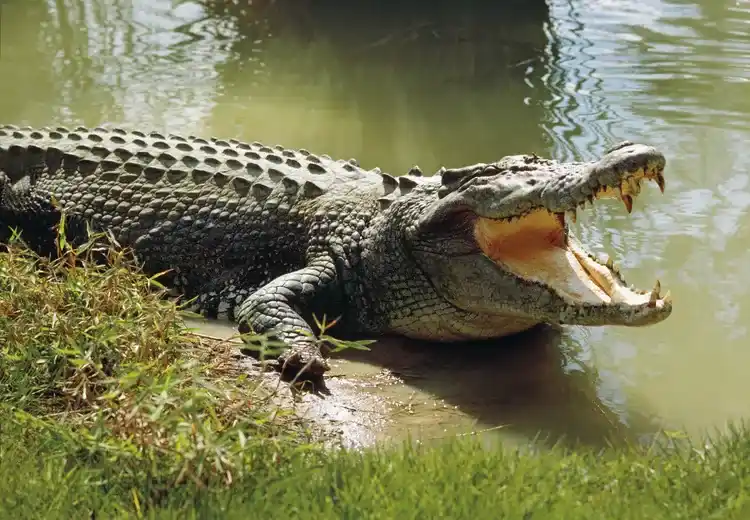
8. Do crocodiles really "shed tears"?
It's true! When crocodiles come ashore, they do shed tears to keep their eyes moist due to dryness. Sometimes, they also tear up when swallowing prey because muscle activity stimulates their tear glands. But this doesn't mean they are actually "sad"—it's just a physiological reaction that has been misinterpreted as "false compassion."
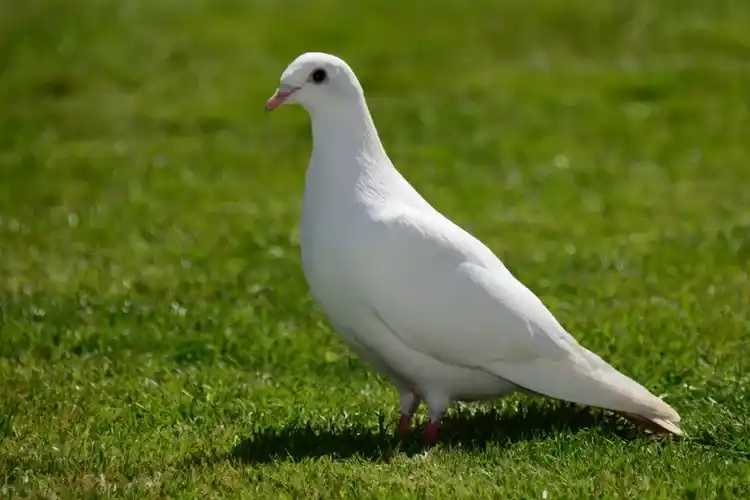
9. Are pigeons really "peaceful"?
Pigeons symbolize peace, primarily because their white feathers easily evoke images of surrender flags. However, pigeons also engage in fierce fights for food or territory. Ironically, their close relatives—homing pigeons—have long been used to deliver intelligence during wartime.
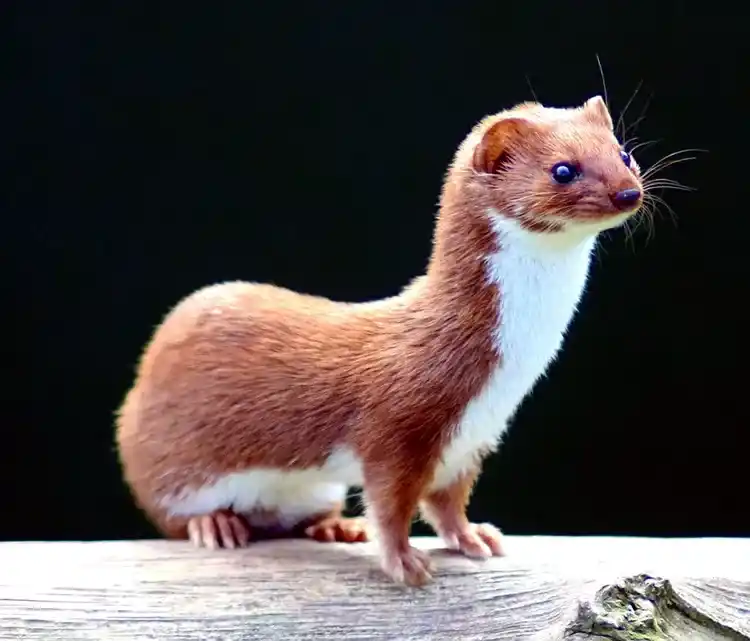
10. Are weasels really "cunning"?
Weasels are often labeled "cunning" due to their "sly" appearance and their habit of raiding chicken coops. However, their behavior is simply driven by survival instincts. Just as cats can move silently, weasels are naturally suited for stealth and possess no innate capacity for betrayal.
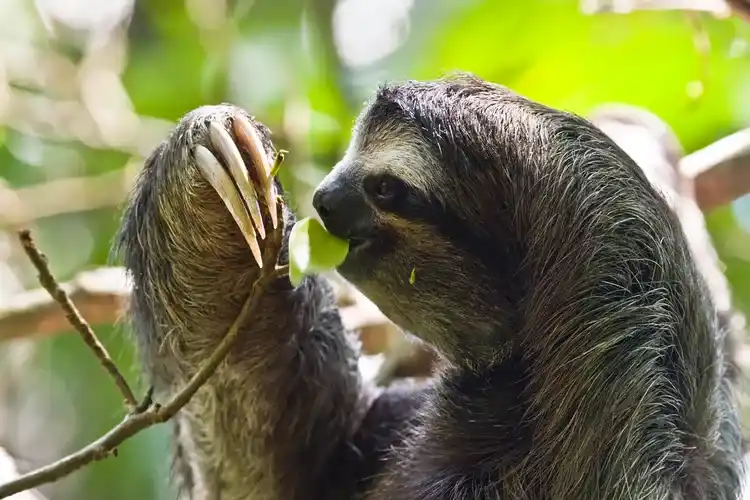
11. Are sloths really that "lazy"?
Slow doesn't equal lazy. Sloths do move extremely slowly, with a metabolic rate half that of mammals of similar size. But this isn't "laziness," but rather a result of their ecological niche dictating that they must conserve energy. They don't lack the desire to move; rather, they simply "can't" move that fast—a consequence of natural selection.
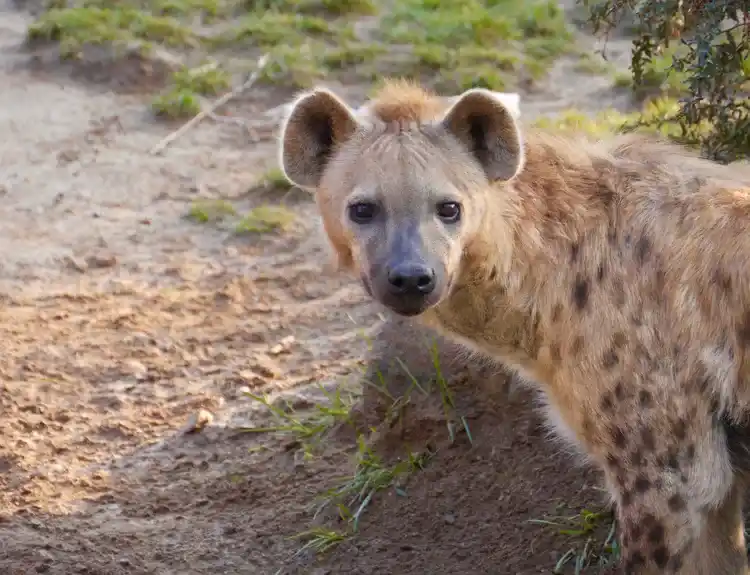
12. Are hyenas really "evil"?
Influenced by the movie "The Lion King," many people see hyenas as symbols of evil. But in reality, hyenas, like other animals, are simply fighting for survival. Although their laughter is chilling and their appearance is not appealing, they have a highly developed social structure and a clear division of labor, and are not "born villains."
Conclusion <br />There are no "good guys" or "bad guys" in the animal world. Many stereotypes we take for granted are actually products of human over-imagination. Hopefully, this article will help you rediscover them and understand their true nature.
If you enjoy this kind of content, remember to follow us for more exciting content next time!