Bearded dragons (scientific name: *Pogona*), also known as bearded dragons, are one of Australia's most iconic wild reptiles and have become popular reptile pets worldwide in recent years. Many people mistakenly believe they are dangerous or even venomous due to their dragon-like appearance—covered in scales and with spiny structures—but bearded dragons are actually gentle and easy to tame. This article will provide a comprehensive overview of bearded dragons' physical characteristics, distribution areas, diet, behavior, and breeding practices, helping you gain a deeper understanding of this unique Australian reptile.
Main characteristics of bearded dragon
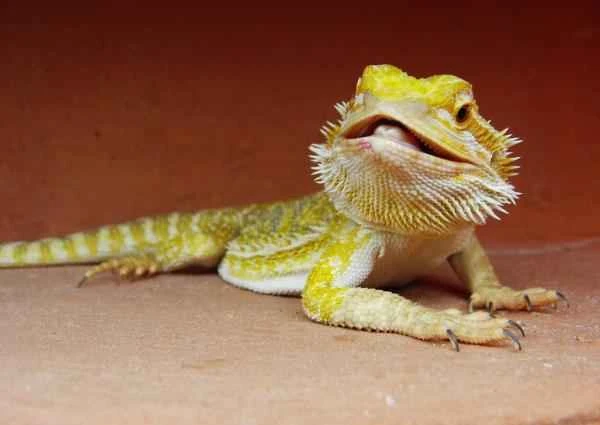
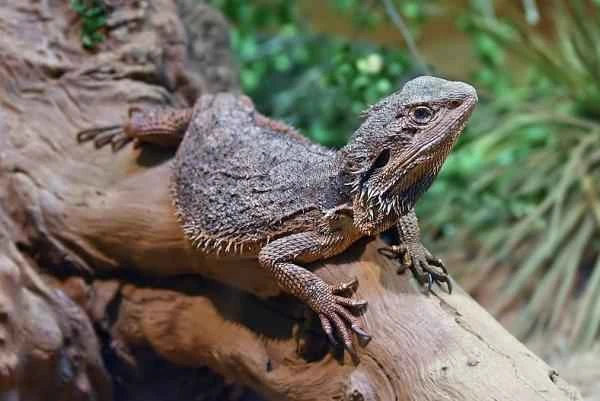
Bearded dragons belong to the genus *Pogona*, which currently includes seven species: *Pogona barbata*, *Pogona henrylawsoni*, *Pogona microlepidota*, *Pogona minor*, *Pogona mitchelli*, *Pogona nullarbor*, and *Pogona vitticeps*. *Pogona vitticeps* is the most common pet species. Its most distinctive feature is the inflatable sac in its throat, surrounded by black or dark-colored "whiskers"-like scales. When threatened, it expands significantly, forming a whisker-like appearance, making it highly recognizable.
Bearded dragons are primarily brown and grayish-brown in color, but their color can vary in shade depending on the terrain and their body temperature regulation. Artificially bred strains have also developed diverse color variations, including red, yellow, blue, and pink. They are cold-blooded animals, adjusting their body color to absorb more sunlight and maintain their body temperature.
Adult bearded dragons typically range in length from 30 to 60 centimeters. They have a triangular head, a thick tail, and sharp claws on their limbs, which are advantageous for climbing and digging. Their bodies are broad and flat, covered with dense scales and spikes, providing strong defense.
Under artificial breeding conditions, healthy bearded dragons can live for 10-15 years, making them long-lived reptiles.
Bearded dragon's habitat
Bearded dragons are native to Australia, with a wide distribution spanning central and eastern Australia. They are highly adaptable to various environments, including deserts, scrublands, dry forests, savannas, and farmland edges. As semi-arboreal animals, they are commonly seen basking in the sun or foraging on tree trunks, rocks, fallen logs, and even human-built structures.
To adapt to extreme climates, bearded dragons have unique physiological regulation mechanisms. During the high temperatures of summer, they will actively dig burrows to enter a short period of hibernation (estivation); when the nighttime temperature in winter drops below 15°C, they will enter a state of "hibernation" (scientific name: brumation), during which they eat very little but will still drink water.
Dietary habits of bearded dragons
Bearded dragons are omnivorous reptiles with an extremely flexible diet. In the wild, they primarily feed on insects (such as crickets and beetles), small reptiles, plant shoots, flowers, fruits, and a small number of small mammals. Their large digestive tract allows them to store large amounts of nutrients when food is plentiful, enabling them to cope with drought and food shortages.
When kept in captivity, they can be provided with high-protein live food (such as crickets and mealworms) along with fresh vegetables and fruits to ensure a balanced diet. Bearded dragons are also considered a classic example of understanding the omnivorousness and adaptation to arid environments in reptiles.
Bearded dragon behavior and habits
Bearded dragons exhibit diverse social and defensive behaviors. When threatened or wanting to demonstrate power, both males and females inflate their throat pouches, blacken and expand their scales to intimidate opponents, while simultaneously opening their mouths in a show of force. Males also frequently make "nodding" gestures to demonstrate dominance when fighting for territory or courting.
Interestingly, bearded dragons often use a "waving" gesture to indicate friendliness or submission, which involves standing and drawing a circle with one forelimb. This behavior facilitates communication between individuals and reduces unnecessary conflict. Juveniles often use this behavior to show submissiveness, while adults can also use it to indicate "non-hostility."
Overall, bearded dragons are gentle in nature and are ideal pet reptiles for viewing.
Bearded dragon breeding methods
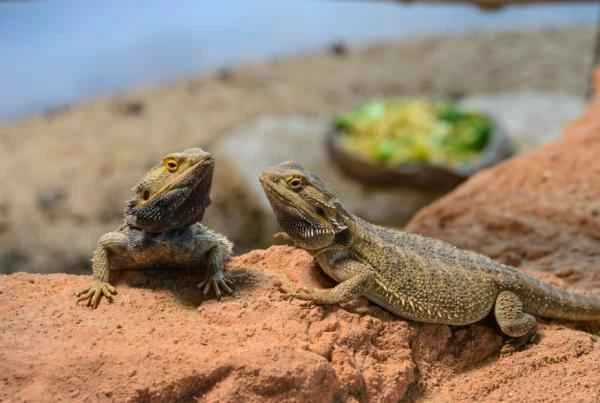
The breeding season for Australian bearded dragons is generally from September to March of the following year. Males can reproduce after reaching sexual maturity at 1-2 years old. There is some sexual dimorphism in body shape between males and females, with males having more prominent whiskers.
During the breeding season, males change their body color, frequently nod their heads, and chase females to court them. Once accepted, the female raises her claws to indicate consent. After fertilization, the female lays eggs in a self-dug burrow, producing approximately 20-24 eggs at a time, and can lay eggs multiple times throughout the year. The eggs hatch into baby dragons after 55-75 days.
Conclusion
Bearded dragons are not only important reptiles in the Australian ecosystem but also among the most popular lizards in the global pet market. Whether in the wild or in captivity, bearded dragons demonstrate remarkable adaptability and unique survival skills. For more information on Australian wildlife and reptiles, please visit our animal encyclopedia channel!
References
Periat, J. (2000) "Pogona vitticeps" Animal Diversity Website. URL: https://animaldiversity.org/accounts/Pogona_vitticeps/