When you think of scorpions, many people immediately think of "venom." But did you know that this seemingly terrifying creature actually possesses many amazing secrets? From glowing skin to being able to survive for a year without food, the scorpion's survival abilities far exceed your imagination! Today, let's step into the world of scorpions and see what amazing things they have to offer!

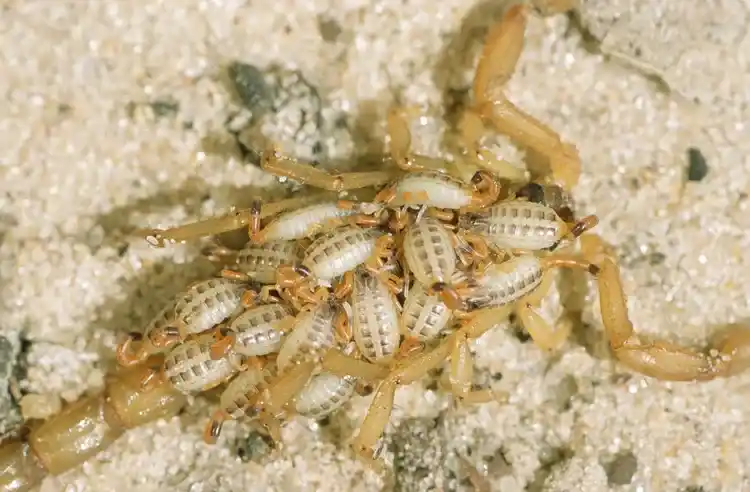
First, scorpions don't lay eggs; they give birth to baby scorpions directly!
Most insects reproduce by laying eggs, but scorpions are different; they give birth to live baby scorpions! Newborn scorpions will crawl onto their mother's back for a few days until they molt for the first time before living independently. The gestation period for different species of scorpions ranges from 2 to 18 months, making them truly "patient mothers."
Second, scorpions can actually live for 25 years!
Most insects have short lifespans, but scorpions can live up to 10 years in the wild, and even up to 25 years in captivity! Among arthropods, scorpions are definitely "longevity champions".
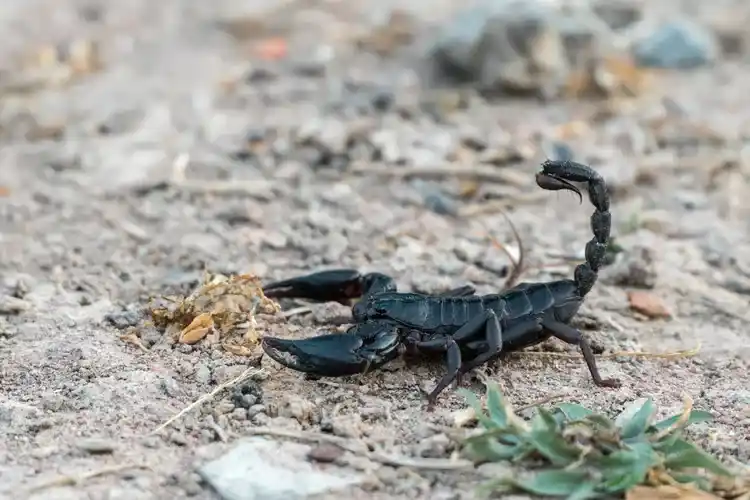
Third, it existed 300 million years ago!
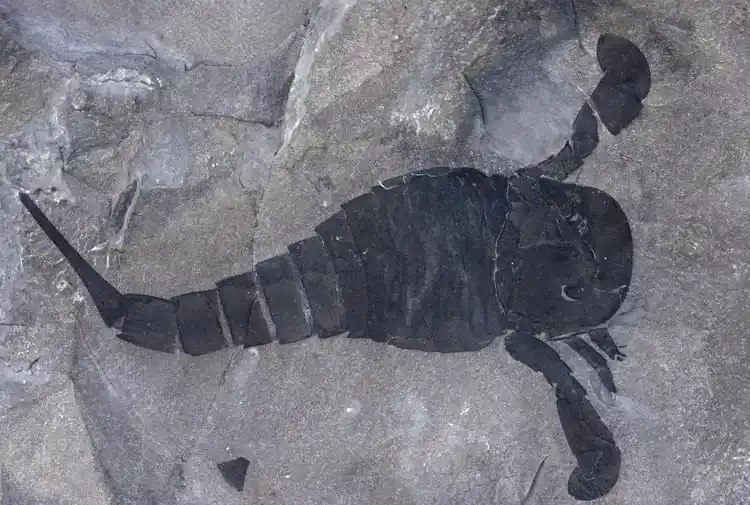
Scorpions existed long before dinosaurs ruled the Earth. Fossils show that scorpions looked very similar to themselves 300 million years ago. The earliest scorpions lived in the ocean and may even have had gill-like organs. Later, they gradually adapted to terrestrial life and evolved to their present form.
Fourth, it can survive for a year without eating; it is the "King of Survival"!
Scorpions are incredibly resilient to hunger, able to go a whole year without eating anything! Their metabolic rate is extremely low, requiring only one-tenth the oxygen of ordinary insects. Furthermore, they can survive underwater for up to 48 hours, even sufficing on the water they obtain from prey. They're practically superhumanly resilient!
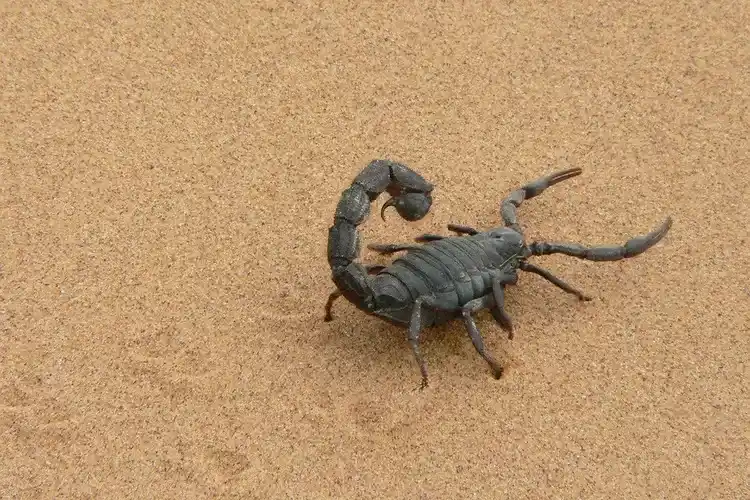
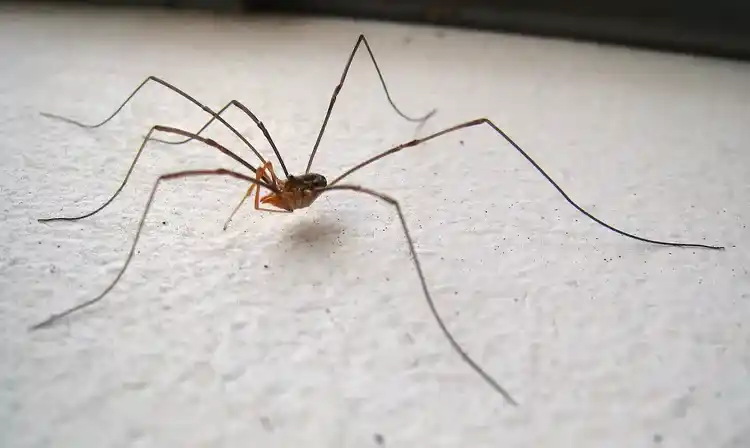
V. Scorpions are actually related to spiders.
Like spiders, scorpions belong to the class Arachnida. They have two main body parts and four pairs of legs. Although they look like "poisonous giants," they are members of the same family as other "father-level" insects such as spiders, mites, and ticks.
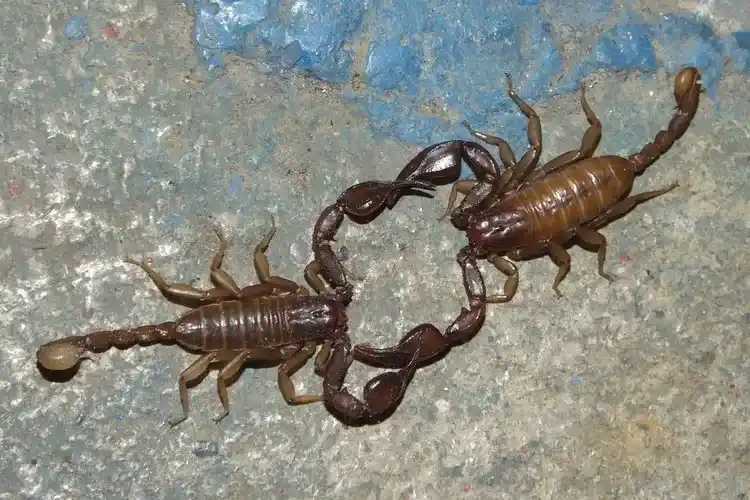
6. Scorpions perform a "romantic duet" when courting.
Scorpions have a unique courtship behavior; they hold each other's "hands" (pincers) and perform a mating dance called "Promenade à deux." Once they reach a suitable spot, the male places his spermatophore on the ground and guides the female to absorb it. After the dance, the male quickly flees, otherwise he might be eaten by the "hungry" female!
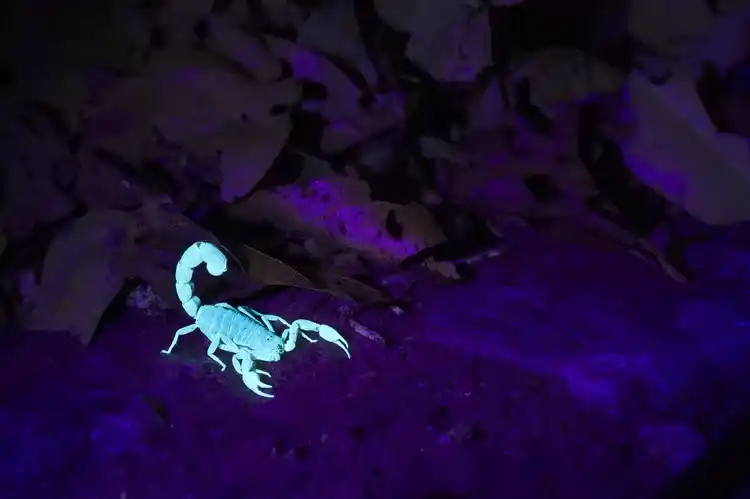
7. They glow under ultraviolet light!
Scorpions' exoskeletons contain a special substance that fluoresces under ultraviolet light. This has become a cutting-edge tool for scientists to find scorpions: at night, they can easily spot them with an ultraviolet lamp. Even more astonishingly, scorpion fossils can glow under ultraviolet light!
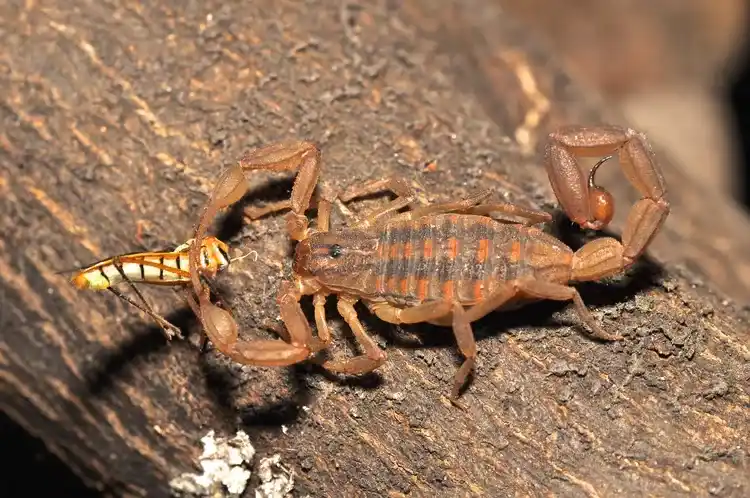
8. They eat everything, even their own children!
Scorpions are nocturnal predators that feed on insects, spiders, worms, and other small creatures. Larger scorpions can also prey on small lizards and mice. If food is scarce, mother scorpions will even eat their own newborn chicks! Faced with the pressure of survival, anything is possible.
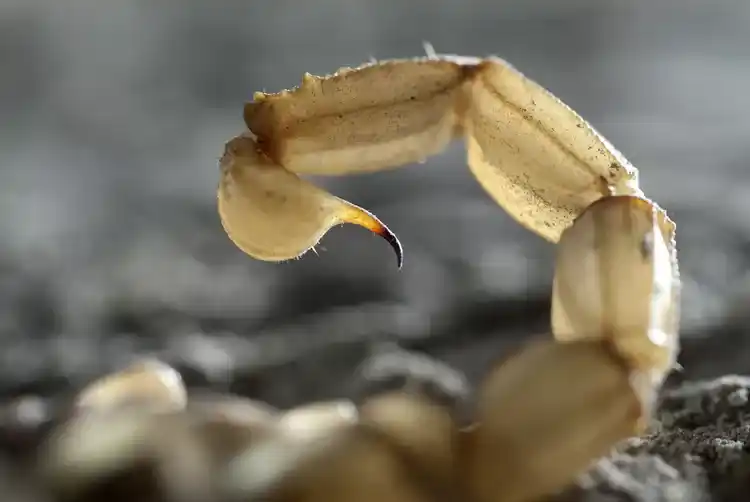
9. The venom in a scorpion's tail is "controllable"!
A scorpion's "stinger" is actually part of the end of its abdomen, and the "venom glands" on its tail can regulate the strength of the venom—injecting a potent venom into prey, while using a milder one to defend itself. This "venom regulation system" is both terrifying and sophisticated.
10. Don't be afraid, most scorpions are harmless to humans!
Although scorpions look scary, of the nearly 2,000 known species of scorpions worldwide, fewer than 25 pose a serious threat to humans. In the United States, the only one that requires attention is the Arizona bark scorpion (Centruroides sculpturatus), but with timely medical attention, it is usually not life-threatening.
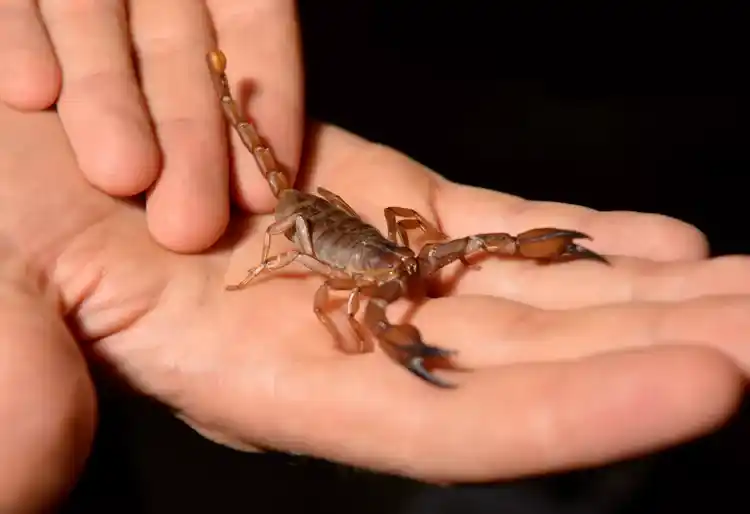
In conclusion: Scorpions are actually more amazing than you think!
They are a miracle of survival spanning millions of years, and the most resilient representatives of nature. If you think scorpions are just "venomous creatures," you're seriously underestimating them! Learning these little-known facts about scorpions, don't you think they're kind of "cool"?
Follow us for more amazing animal trivia!
Source of information
Bartlett, Troy. “Scorpiones.” Department of Entomology, Iowa State University, February 16, 2004.
Capinera, John L. “Encyclopedia of Entomology.” 2nd edition, Springer, September 17, 2008.
Pearson, Gwen. “Dazzling: The Secret World of Fluorescent Arthropods.” Wired, Condé Nast, November 20, 2013.
Polis, Gary A. “Scorpion Biology.” 10th ed., Stanford University Press, May 1, 1990.
Christopher Putnam. “Scorpions are not scary.” Arizona State University, College of Life Sciences, Biologist Q&A, September 27, 2009.
Stockwell, Dr. Scott A. "The fluorescence of scorpions." Walter Reed Army Institute of Research, Silver Spring, Maryland.