The Yucatan Peninsula is home to 58 species of snakes, which play a vital role in maintaining the balance of the ecological food chain. While most snakes are non-venomous and harmless to humans, two of the nine families are venomous. Regardless of their venom, these snakes are valuable in pest control, ecosystem balancing, and medicinal research. This article will take you deeper into the representative snakes of the Yucatan Peninsula and their ecological significance.
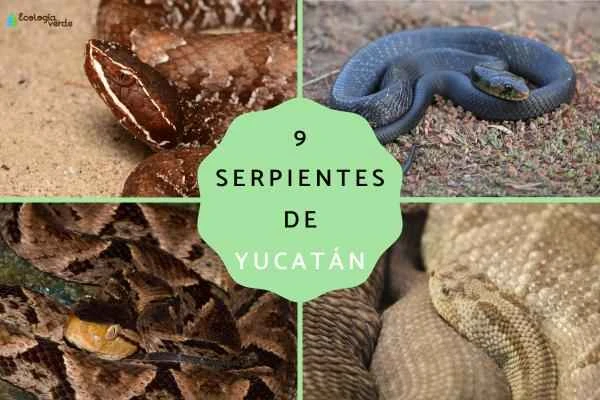
Table of contents
Yucatan Brown-headed Razorback Viper (Agkistrodon russeolus)
Whiptail snake (Coluber mentovarius)
Indigo snake (Drymarchon melanurus)
Yucatan Rat Snake (Pseudelaphe phaescens)
Scorpion (Stenorrhina freminvillei)
Bothrops asper
Yucatan Rattlesnake (Crotalus tzabcan)
Color-changing coral snake (Micrurus apiatus)
Green vine snake (Oxybelis fulgidus)
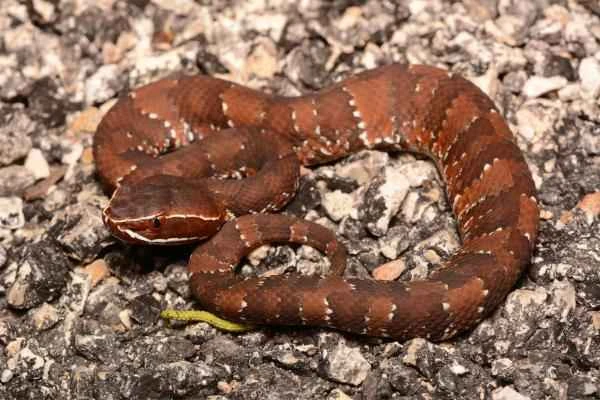
1. Yucatan Brown-headed Razorback Viper (Agkistrodon russeolus)
This is a venomous snake endemic to the Yucatan Peninsula. It skillfully camouflages itself under fallen leaves, luring prey with its tail before injecting a potent necrotic and hemolytic venom with its fangs. Its venom is extremely potent, sometimes requiring amputation in severe cases. Despite its danger, it has significant ecological value in controlling rodent and other small animal populations.
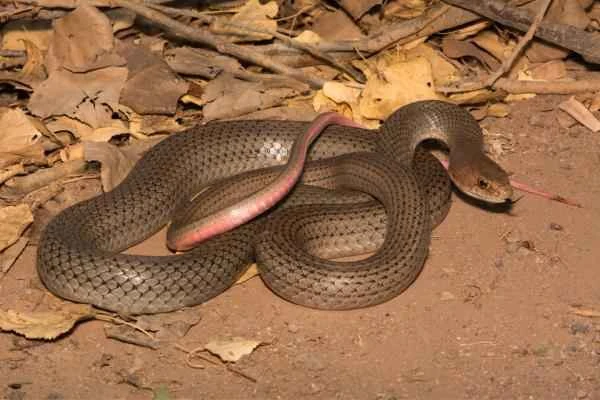
2. Whiptail snake (Coluber mentovarius)
Commonly known as the "whip snake" or "fast snake," it can reach 1.5 meters in length and is a common non-venomous snake species in Yucatan and Central America. They are known for their agility and often prey on small snakes, lizards, and small mammals. Their long tail, which they can use to strike, is the origin of their name.
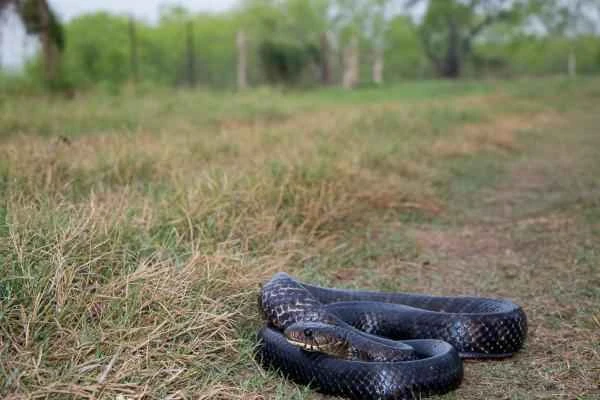
3. Indigo snake (Drymarchon melanurus)
Also known as the blue snake or black snake, it is one of the largest snakes in the Yucatan region, reaching 2-3 meters in length. It has a wide distribution, extending from Texas to El Salvador, and is particularly common in the Yucatan. It feeds on eggs, turtles, snakes, and small mammals.
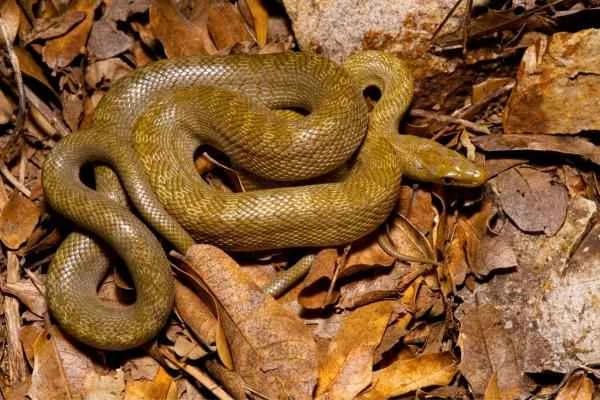
4. Yucatan Rat Snake (Pseudelaphe phaescens)
This snake, found only in the Yucatan Peninsula, feeds primarily on rats and bats. It is nocturnal and can reach lengths of up to 2 meters. Its distinctive large eyes make it highly recognizable. Although non-venomous, it plays a crucial role in controlling rodent populations.
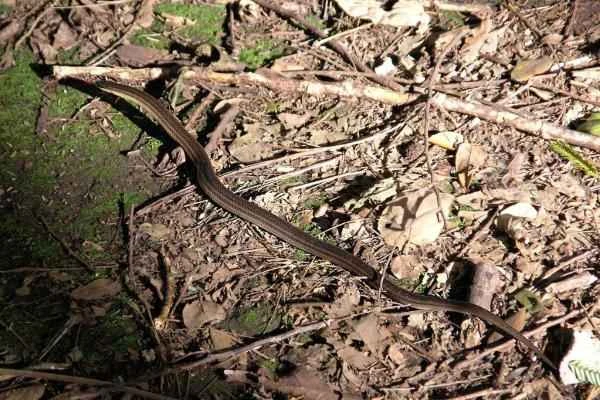
5. Scorpion (Stenorrhina freminvillei)
Scorpion snakes inhabit tropical regions from Yucatan to Costa Rica, primarily feeding on scorpions and tarantulas. They are terrestrial snakes, measuring 50-60 cm in length, and are nocturnal. They are non-venomous and harmless to humans, but effectively control harmful insects within the ecosystem.
6. Royal lancet asper
This is the largest and most aggressive venomous snake in the Yucatan region, reaching lengths of 1-1.8 meters, and is also the snake that bites humans most frequently. Its venom is highly concentrated, possessing strong hemolytic and necrotizing effects. It is nocturnal and adept at camouflage.
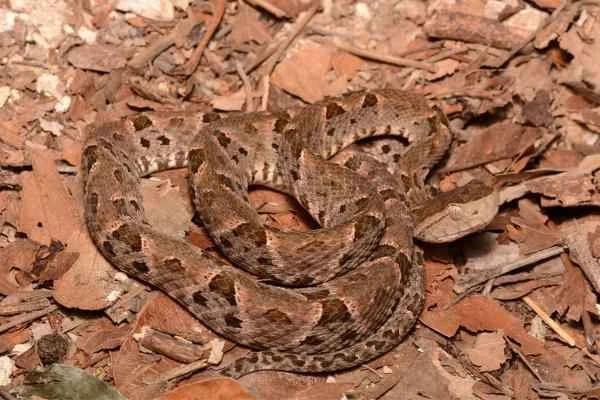
7. Yucatan Rattlesnake (Crotalus tzabcan)
The rattlesnake, endemic to Yucatan, measures approximately 1.3-1.6 meters in length and has a distinctive diamond-shaped white pattern on its back. When attacking, it coils its body and raises its head as a warning. It possesses potent neurotoxins and hemolytic toxins and preys on small mammals and lizards.
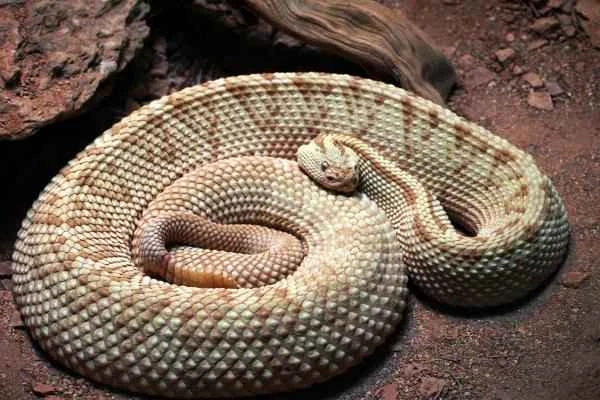
8. Color-changing coral snake (Micrurus apiatus)
It is known for its red, yellow, and black ringed markings, with some individuals exhibiting variable patterns. Although highly venomous, it is relatively shy and typically only attacks when threatened. It feeds on other snakes, lizards, and small animals. A bite requires immediate medical attention; otherwise, it can be life-threatening.
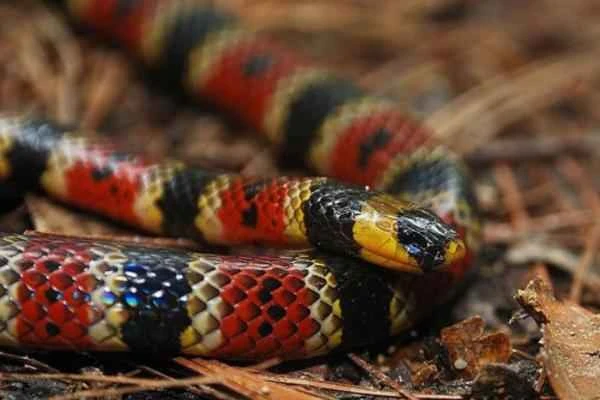
9. Green Vine Snake (Oxybelis fulgidus)
Known for its vibrant green color and slender head, it can reach a length of 2 meters. While slightly venomous, its effects on humans are limited; it is primarily used to paralyze prey. An arboreal snake, it prefers to ambush small birds, lizards, and mice.
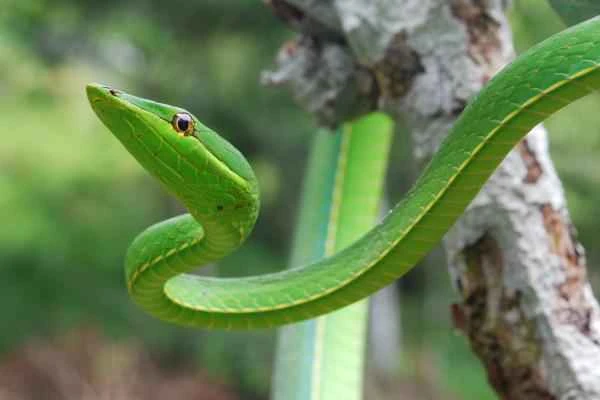
Ecological significance of Yucatan snakes
Whether venomous or non-venomous, snakes are extremely important to the Yucatan ecosystem. They not only control pest and rodent populations but also provide a basis for drug research. Protecting snakes is a shared responsibility for maintaining ecological balance and human health.
To learn more about Yucatan reptiles and their biodiversity, please follow our Animal Encyclopedia section!
bibliography
Diaz, LF (2020). Snakes in the Yucatan Peninsula: conocerlas para respetarlas. Biological Agricultural Science, 13(2).
Díaz, L., May, D., Gallardo, A., Chiappa, X. (2018). Quick identification: Serpientes comunes del estado de Yucatán. Institute of Regional Zoology and Reptile Science, National Autonomous University of Mexico.