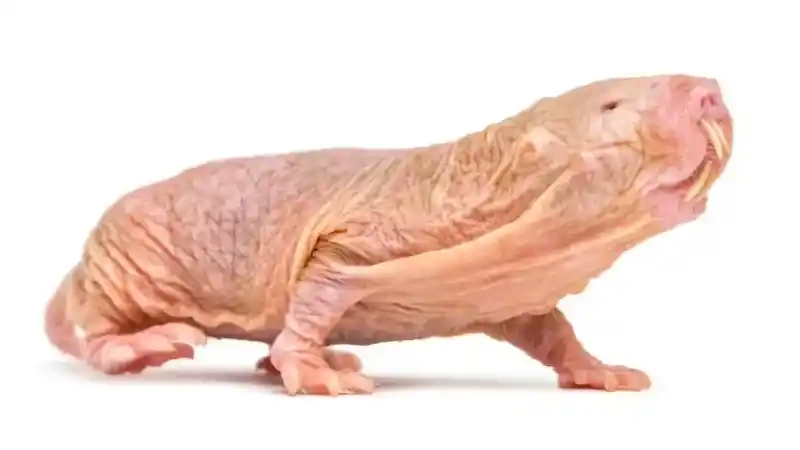
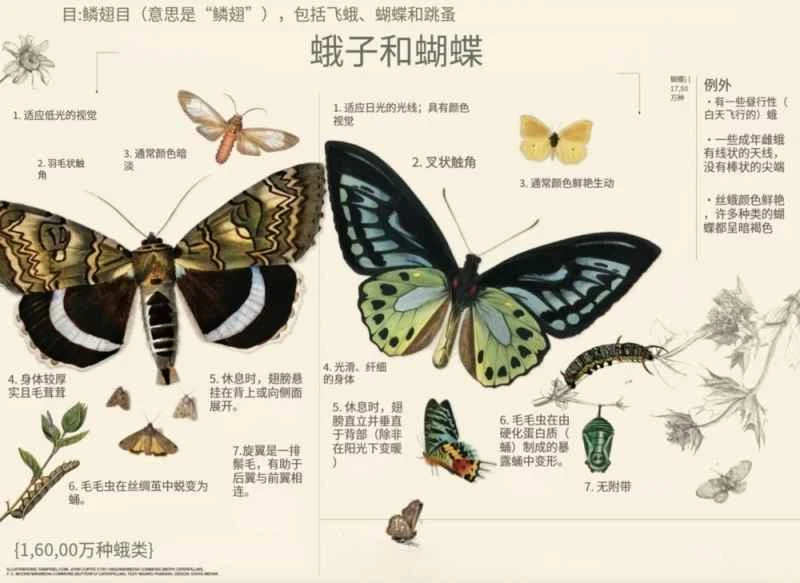
An animal's regenerative ability refers to its ability to restore normal function through self-repair or regeneration after injury or loss of body parts. Animals with regenerative abilities can grow new body parts through processes such as cell division, regeneration of tissues, or stem cells. This ability includes not only the regeneration of limbs and organs but also the regeneration of systems such as the nervous, cardiovascular, and immune systems. While not all animals possess regenerative abilities, for those that do, regeneration is crucial for survival and reproduction. An animal's regenerative ability varies by species. Some animals can regenerate parts of their bodies, such as a scorpion's tail, a lizard's tail, an octopus's tentacles, and an astral's arms.
However, not all animals possess regenerative abilities. For example, humans have very limited regenerative abilities, only able to recover from minor injuries such as skin wounds. In contrast, many reptiles and arthropods have much stronger regenerative abilities, even capable of completely rebuilding lost body parts.
Let's take a look at the world's top ten animals with regenerative abilities, such as comb jelly, axolotl, starfish, salamander, flatworm, hydra, sea cucumber, brittle star, sponge, and octopus. These organisms with regenerative abilities have once been a hot topic of research for scientists.
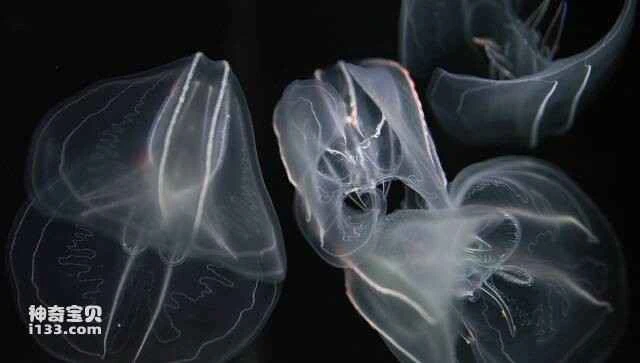
1. Comb jellyfish (scientific name: Ctenophores)
Comb jellyfish are a type of marine organism with an amazing regenerative ability. They can restore their original form and function through cell proliferation and regeneration after being injured or losing parts of their body. Research has found that comb jellyfish can even cut themselves into many pieces, each of which can regenerate into a complete adult comb jelly.
The regenerative capacity of comb jelly primarily relies on highly plastic cell types within its body, known as "intermediate cells." These cells can differentiate into different cell types to promote repair and regeneration. Furthermore, comb jelly can reassemble its tissue structure to adapt to different environments and survival needs, which is another reason for its powerful regenerative ability. Because of the immense regenerative capacity of comb jelly, it has attracted great interest from scientists and is widely used as a model organism for regeneration and stem cell research.
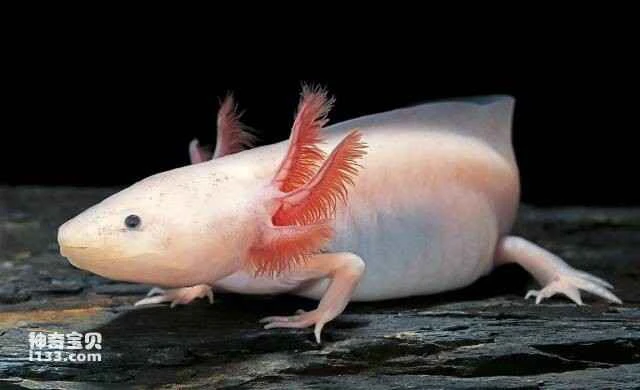
2. American axolotl (scientific name: Ambystoma mexicanum)
The axolotl, also known as the Mexican axolotl, is an amphibian that lives in Mexico. They are renowned for their remarkable regenerative abilities; after being injured or losing body parts, they can restore their original form and function through cell proliferation and regeneration. Most notably, they can regenerate multiple body parts, including limbs, tails, eyes, and even the inner ear.
Research has found that the axolotl's regenerative capacity primarily relies on its highly plastic stem cells. These stem cells can differentiate into different cell types and recombine to form tissue structures suitable for repairing damaged areas. Furthermore, the axolotl can control cell proliferation and differentiation through mechanisms such as regulating gene expression and cell signaling pathways, thereby driving the regeneration process. Currently, scientists are working to decipher the molecular mechanisms of axolotl regeneration, hoping to develop more effective regenerative therapies to help humans recover damaged tissues and organs.
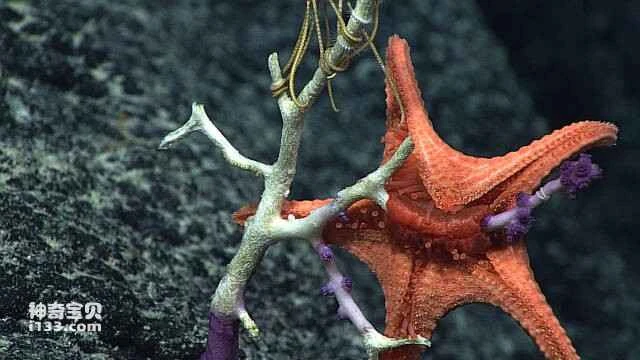
3. Starfish (scientific name: Asteroidea)
Starfish are renowned for their astonishing regenerative abilities. After injury or loss of body parts, starfish can restore their original form and function through cell proliferation and regeneration. Most remarkably, they can completely rebuild their body structures, including limbs, internal organs, and the nervous system. Because of this incredible regenerative capacity, losing limbs is a trivial matter for starfish. Scientists are currently exploring the mysteries of starfish regeneration to gain insights into new medical approaches for humanity. They have discovered that when a starfish is injured, reserve cells are activated. These cells contain all the genes of the lost part of the body and work with other tissues to regenerate the lost arm or other body part.
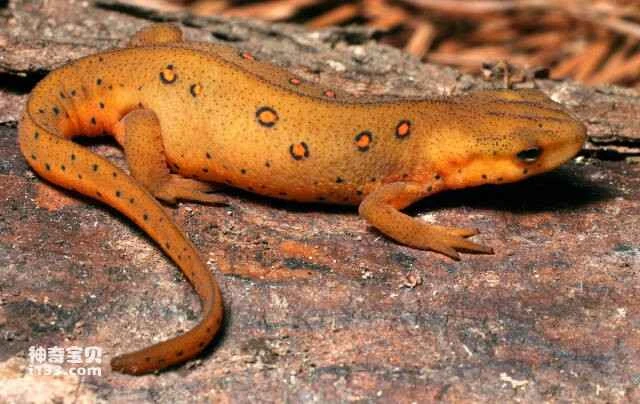
4. Salamander (scientific name: Salamandridae)
Salamanders are amphibians belonging to the family Salamanderidae, possessing remarkable regenerative abilities. my country has 23 species in 6 genera, representing 30.3% and 29.9% of the world's 77 species in 20 genera, respectively. A type of immune cell called a macrophage is crucial to the salamander's regenerative capacity. If macrophages are systematically eliminated, the salamander loses its limb regeneration ability, forming scar tissue. However, the salamander's tissue regeneration process does not produce scars, almost perfectly replicating the site before the damage. The salamander can be considered a template for perfect regeneration.
Beyond its "holy grail" applications in healing damaged spinal cords and brain injuries, research into the newt's healing process can help develop a range of new therapies for treating a host of common ailments, such as heart and liver diseases, all linked to fibrosis or scarring. Newts can regenerate not only limbs but also internal organs. Scientists have discovered that the cells in a newt's regenerated limbs possess partial memory functions, which are responsible for regenerating new bone, muscle, and nerve tissue. Research into the memory functions within newts can aid in research on limb regeneration in humans. On September 2, 2022, the world's first spatiotemporal map of newt brain regeneration was unveiled.

5. Flatworm (scientific name: Platyhelminthes)
Flatworms, generally referring to animals in the phylum Platyhelminthes, possess an astonishing regenerative capacity. They can regenerate new, complete individuals from their own fragments, even when only a small portion of their body remains. This regenerative ability stems from the pluripotency and regenerative capacity of flatworm cells, allowing them to restore missing tissues and organs through redifferentiation and cell reorganization. Furthermore, the relatively simple nervous system of flatworms further facilitates their regeneration process. This ability has attracted widespread attention from scientists and is being studied to understand its potential applications.
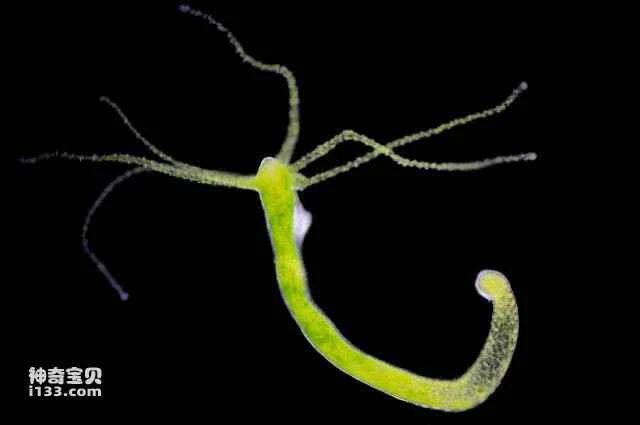
6. Hydra (scientific name: Hydra)
Hydras are multicellular invertebrates with an astonishing capacity for regeneration. They can regenerate new, complete individuals from their own fragments, even when only a small portion of their body remains. Similar to flatworms, this regenerative ability stems from the pluripotency and regenerative capacity of hydra cells, allowing them to restore missing tissues and organs by redifferentiating and reorganizing cells. Furthermore, the hydra's nervous system is remarkably simple, further facilitating their regeneration process.
Interestingly, hydra's regenerative abilities also include the regeneration of their brains and central nervous systems. This means that even if a hydra's head is removed, it can still regain normal function by regenerating a new head. This ability has potential value for studying nerve regeneration and treating neurodegenerative diseases. Scientists hope that through this type of research, they can find ways to extend human lifespan.
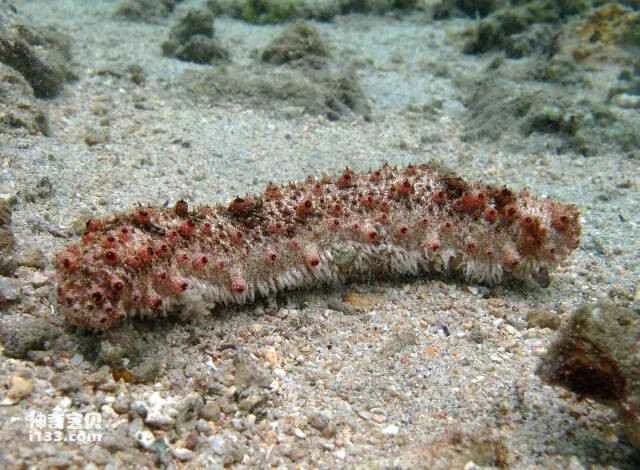
7. Sea cucumber (scientific name: Holothuria)
Sea cucumbers are invertebrates, with over 900 species worldwide, including about 140 in my country. They are also remarkable for their regenerative abilities. They can regenerate their bodies even after injury or being broken into multiple pieces. In fact, in some cases, a sea cucumber can even regenerate a fragmented body into a complete individual.
Sea cucumbers' regenerative capacity is primarily attributed to their cells' ability to differentiate into various cell types, and their tissues and organs' capacity to recombine and form new body parts. Furthermore, the sea cucumber's immune system assists in the regenerative process, preventing infection and promoting rapid repair of damaged areas. This regenerative ability holds significant potential value in the medical and scientific fields. Sea cucumber cells can be used to study stem cell and tissue regeneration, as well as to treat neurodegenerative diseases, cardiovascular diseases, and other ailments.
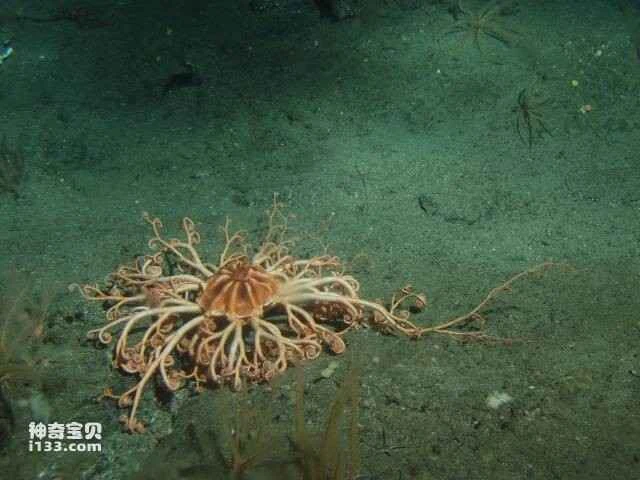
8. Baskettail (scientific name: Gorgonocephalus)
Baskettails are also considered animals with astonishing regenerative abilities. They can regenerate a complete tail after being injured or severed. Not only is the regeneration remarkable, but each of its five arms can divide into two smaller arms, which in turn divide into numerous smaller arms, resembling many snakes coiled together. It's quite similar to the hair of Medusa in mythology.
This regenerative capacity is primarily attributed to the fact that the cells of the basilisk tail can redifferentiate into various cell types, and that tissues and organs can recombine to form new body parts. Furthermore, during regeneration, the basilisk tail produces a special cell type called regenerative organ tissue, which can rapidly proliferate and differentiate, promoting the repair of damaged areas.

9. Sponge (scientific name: Phylum Porifera)
Sponges are among the most primitive multicellular animals, having lived in the ocean for 600 million years. They have evolved into more than 10,000 species, accounting for about 1/15 of all marine animal species. Sponges also possess a certain regenerative capacity, especially for minor injuries. When their bodies suffer minor damage, sponges can recover the damaged area through tissue regeneration and cell proliferation. Unlike other animals with more advanced tissues and organs, sponges' bodies are composed of a series of cells without specific structures or functions, making their regeneration process relatively simple. In the damaged area, sponge cells begin to divide and migrate outwards, forming a structure called a "blastema." This structure can differentiate into various cell types and re-establish the tissue structure of the damaged area.
While sponges don't regenerate as powerfully as other animals, studying their regeneration mechanisms still has scientific value. For example, understanding the tissue regeneration process in sponges may help develop new treatments to promote the regeneration of human tissues and organs. Scientists have also discovered that toxins within sponges can be used to make pharmaceuticals to treat diseases such as tumors, cardiovascular diseases, and respiratory diseases. Currently, sponges are the richest source of bioactive marine substances and have become an important resource for marine drug development.
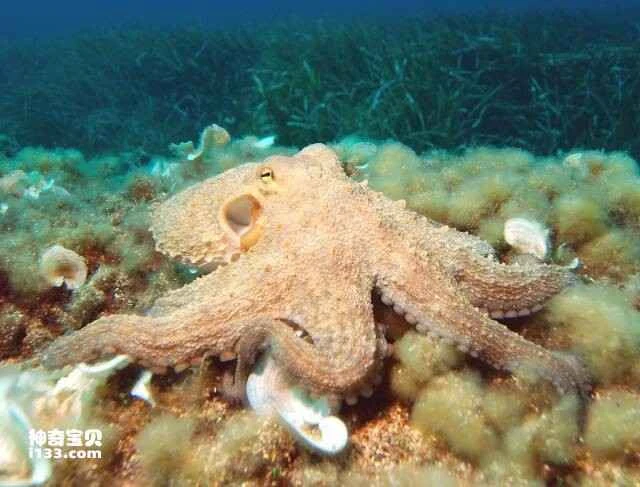
10. Octopus (scientific name: Octopus)
Octopuses, also known as eight-armed octopuses, are the common name for 252 species of marine mollusks belonging to 26 genera in the family Octopidae. Octopuses are truly remarkable animals, though their regenerative abilities are considered relatively weak compared to other invertebrates. While they can regrow some tissue when their bodies suffer minor injuries, their regenerative capacity is very limited for large-scale injuries or amputations. When an octopus's body is damaged, its cells can rapidly divide and multiply in an attempt to repair the damaged area. However, because octopuses lack blastema (the tissue that regenerates organs), they cannot regrow complete new limbs at the site of amputation, so amputations are usually permanent.
Nevertheless, studying the regeneration process of octopuses still has great scientific value. For example, understanding the mechanisms of cell proliferation and differentiation in octopuses can help us better understand the basic principles of animal regeneration and lay the foundation for the development of new treatments for certain human diseases.
Of course, geckos, snakes, shrimp, crabs, planarians, lizards, and so on also possess regenerative abilities. This list of the top ten animals with regenerative abilities is mainly compiled from online indexes or netizens' sharing, combined with descriptions from relevant websites. The ranking is not in any particular order and is for your reference and entertainment only. If you have any questions, please feel free to comment at the end.