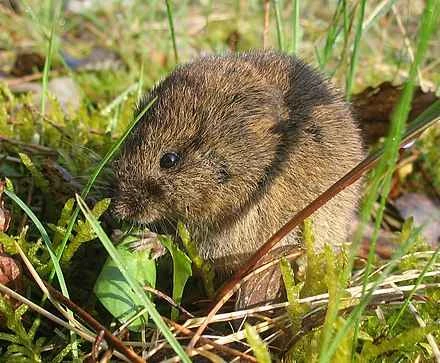
Rats are small mammals belonging to the order Rodentia, and they are exceptionally widespread and diverse globally. The term "rats" is often used to refer to a variety of different rodents, especially those that live in close symbiosis with humans, such as the house mouse (Mus musculus) and the brown rat (Rattus norvegicus). These animals are generally considered pests because they damage property, gnaw on electrical wires, spread diseases, and consume stored food.
Basic features
Size : Mice are usually small, with a body length (excluding the tail) typically between 5 and 10 centimeters. However, there are also larger species, such as the brown rat, which can grow to over 20 centimeters.
Weight : Weight ranges from tens of grams to hundreds of grams, depending on the species.
Appearance : Common house mice have a pointed face, large, round ears, and a long tail, which is almost as long as their body in most cases.
Lifestyle
Diet : Rats are typical omnivores; they eat almost anything they can find, including grains, seeds, fruits, plant roots and stems, insects, and the carcasses of other animals.
Nocturnal : Most mice are nocturnal, meaning they hunt for food and are active at night.
Behavioral habits : Rats are very well adapted to urban environments. They are adept at crawling, jumping, swimming, and can even enter buildings through tiny gaps.
Social structure : Rats can form complex social structures, but many rats also live solitary lives.
Reproduction
Reproductive capacity : Mice have an extremely high reproductive capacity; a pair of mice can produce dozens to hundreds of offspring in a year.
Life cycle : Although their potential lifespan may be 1-3 years, many mice have a much shorter actual lifespan in the wild due to predation, disease and human factors.
Current situation and control
Pest status : Rats are generally considered problem animals in agricultural and urban environments, as they are believed to spread a variety of diseases such as plague.
Control methods : Various control measures, including traps, poison baits, and biological control, are used to reduce the rat population.
Relationship with humans
Medical research : Laboratory mice are used as model organisms and play a crucial role in the field of biomedical research.
Historical impact : Due to their ability to transmit diseases, rats have been associated with the spread of some major epidemics in human history, such as the Black Death, which was closely related to rats.
Ecological impact : Rats can become an invasive species in some environments, having a serious impact on local ecosystems, especially in island ecosystems.
Ecological significance
Although considered pests in human habitats, rats play a vital role in natural ecosystems. They are an important link in the food chain, serving as prey for many predators and dispersing seeds and plant material. Proper management of rat populations is crucial for balancing ecosystems and preventing economic losses.