Polar bears are majestic marine mammals of the Arctic, primarily distributed across North America and Eurasia . As apex predators, they play a vital role in the ecological balance of the Arctic environment. This article explores the geographical distribution, habitat, migration patterns, and impacts of climate change on polar bears.
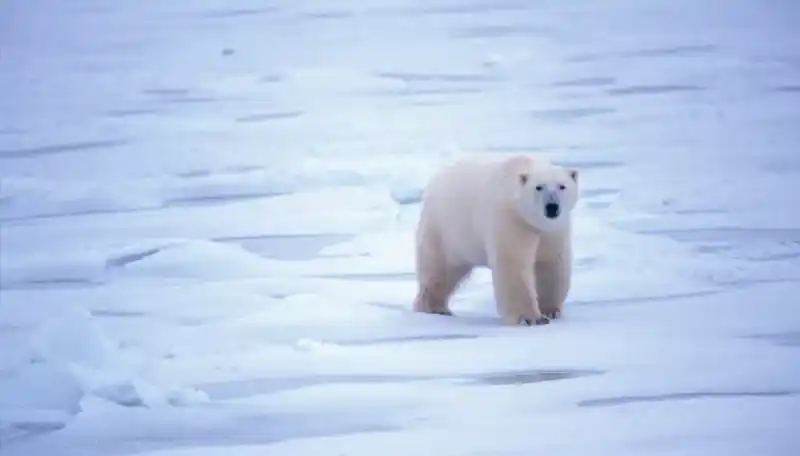
Geographical distribution of polar bears
Polar bears are native to the Arctic Circle and surrounding areas. The following is an overview of their distribution range:
| area | Details |
|---|---|
| Arctic Circle | Core habitat, mostly inhabiting areas north of this latitude |
| Southern distribution area | This includes parts of Alaska and Hudson Bay (Canada), and occasionally extends into Southern Labrador and Newfoundland in cold years, where thick ice floes form. |
| Eurasian distribution area | Wandering in the sea ice near Greenland, Russia, and the northern islands of Norway |
These regions provide the necessary conditions for polar bears to thrive, as they have access to sea ice and a large population of seals, which are their primary prey.
Habitat preference and adaptation
Polar bears are highly adapted to cold environments. They typically inhabit areas close to the coast, providing easy access to sea ice, which is crucial for hunting seals. Here's how polar bears adapt to their habitat:
| Habitat characteristics | Polar bear's adaptability |
|---|---|
| Near sea ice | To get closer to the coast so they can enter the ice sheet to hunt seals. |
| Swimming ability | Strong swimming ability, capable of long-distance trekking to the ice sheet |
Although they may occasionally roam as far inland as 124 miles, most polar bears prefer the edge of the ice, where they can easily hunt prey.
Migration and seasonal activities
Polar bears exhibit a distinct seasonal migration in response to the rise and fall of sea ice:
| season | Migration |
|---|---|
| spring | Following the receding ice northward |
| autumn | As the ice sheet advances and moves southward |
Their migration range is very wide, sometimes covering more than 20 miles a day, as they track the movement of sea ice, which is essential to their survival.
Behavioral characteristics and reproduction
Unlike other bears that hibernate, polar bears enter a semi-hibernation state during the extremely cold winter, known as predator dormancy . This allows them to conserve energy. Pregnant females are an exception; they build nests, give birth, and nurse their cubs until spring.
The impact of climate change on polar bears
Climate change poses a significant threat to polar bears, primarily through its impact on sea ice patterns.
| Climate factors | Impact on polar bears |
|---|---|
| Temperature rise | This causes the ice to melt earlier and form later, reducing hunting opportunities. |
| Reduce ice cover | This forces bears to swim longer distances, increasing their energy expenditure. |
The reduction in ice cover not only limits their ability to hunt seals, but also prolongs the time they have to fast, threatening their survival.
Conclusion: The struggle of polar bears against climate change
Polar bears are iconic symbols of the Arctic, adapted to one of the world's harshest environments. However, their dependence on sea ice makes them particularly vulnerable to climate change. Understanding their geographic distribution, habitat preferences, and migration patterns is crucial for their conservation.