Seabirds are a group of birds (including both flying and flightless species) adapted to marine and coastal environments. Compared to many land birds, seabirds often have more subdued plumage, making them easier to camouflage against the sea and sky. They have also evolved salt glands above their eyes to excrete excess salt, allowing them to adapt to a lifestyle that includes feeding on marine fish, invertebrates, and even drinking seawater. Below, we will systematically explain what seabirds are, their typical characteristics, and the key identification points for common seabird groups, using a structure more suited to search and browsing habits.
What are seabirds?
Seabirds generally refer to birds that primarily live in ocean, coastal, and nearshore waters. They are also commonly found in bays, estuaries, wetlands, lagoons, salt marshes, mangroves, and other areas closely related to marine ecosystems. Many seabirds are capable of long-distance migration, flying to other sea areas to overwinter or forage after the breeding season. Due to the relatively concentrated nature of safe breeding grounds (islands, sea cliffs, remote beaches, etc.), many seabirds form large breeding colonies, ranging from several thousand to hundreds of thousands of birds, creating a spectacular sight.
Quick overview of seabird names
Albatross (Diomedeidae)
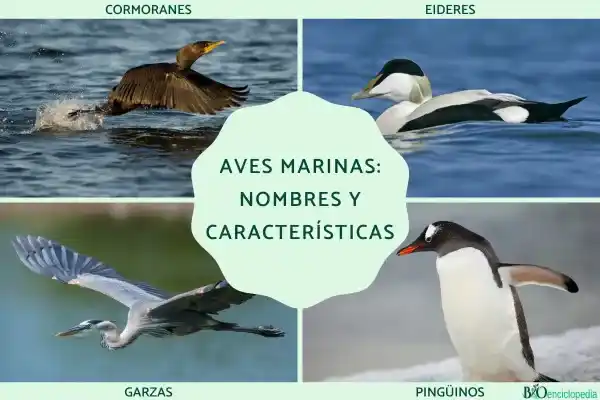
Cormorant (Phalacrocoracidae)
Sternidae (Tern)
Eider duck ( Somateria )
Frigatebird (Fregatidae)
Aukidae (Family: Puffin/Finch/Raven)
Herons (Ardeidae)
Seagull (Laridae)
Pelican ( Pelecanus )
Penguin (Spheniscidae)
Typical characteristics of seabirds
1) The wing shape and flight mode are significantly different.
Oceanic seabirds often have longer, narrower wings, which allow them to glide efficiently using sea breezes, making them suitable for long-distance cruising.
Diving seabirds have relatively shorter wings, which makes it easier to turn and propel themselves underwater, but they need to flap their wings more quickly to fly in the air.
2) The plumage is mostly understated, combining camouflage and weather resistance.
Seabirds are commonly found in white, gray, brown, and black plumage, making them less noticeable against the backdrop of the sea and sky.
Many seabirds have denser, more water-resistant feathers, which help them withstand sea breezes, low temperatures, and seawater soaking.
3) Salt glands: Key to seabirds' adaptation to a "high-salt diet"
Seabirds have salt glands above their eyes that filter and excrete excess salt from their bodies, often manifesting as "salt water flowing from their nostrils or near their eye sockets."
This ability allows seabirds to obtain marine food more consistently, and some species can also cope with drinking water problems when freshwater is scarce.
4) Webbed feet and ability to move on and under water
Many seabirds have prominent webbed feet , which make paddling on the surface of the water easier and provide propulsion and stability when diving.
5) Diverse feeding methods: surface feeding, diving, and chasing diving each have their own specialties.
Surface feeding: pecking at fish, shrimp, or floating organisms on the sea surface.
Chasing dives: diving down to chase fish, "swimming" underwater using wings or flippers.
Dive-and-hunt: Dive at high speed from the air into the water to catch fish with swift and precise movements.
Common Seabird Groups: Names and Key Identification Points
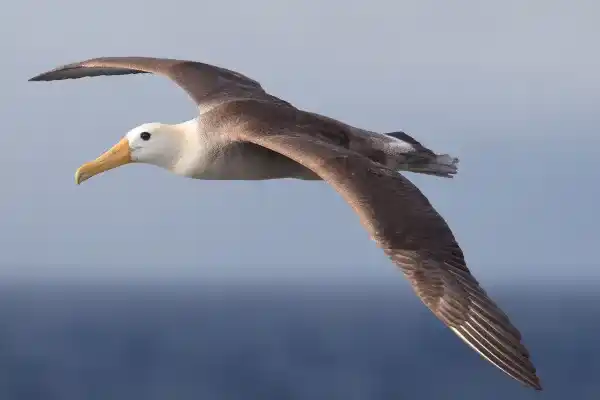
Albatross (family Diomedeidae)
Albatrosses are typical ocean gliders, large in size with extremely wide wingspans, capable of gliding for extended periods without flapping their wings in strong sea winds. They primarily forage in vast ocean areas, feeding on squid, fish, and crustaceans. Many albatrosses maintain stable mating relationships, have long breeding cycles, and require significant investment in raising their young.
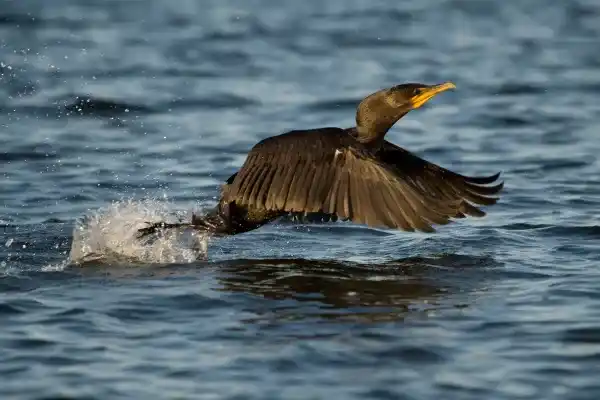
Cormorant (Phalacrocoracidae)
Cormorants are known for their diving hunting, often employing a "diving into the water to chase fish" method. Some cormorants cooperate in groups to surround and catch fish, increasing their catch efficiency. Cormorant feathers are often not completely waterproof like some seabirds, so they frequently spread their wings to dry after catching prey, a very distinctive identifying action.
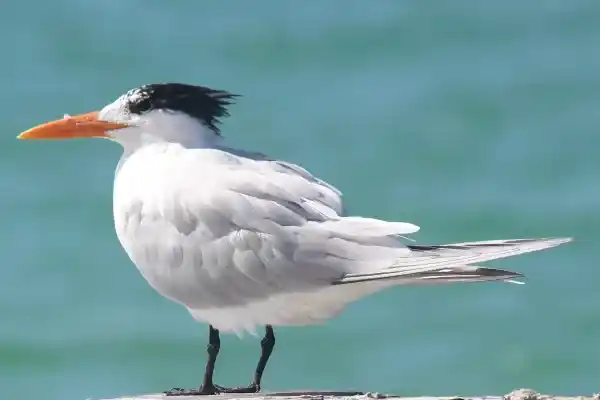
Tern (family Sternidae)
Tern are mostly found near coastlines, estuaries, lakes, and wetlands. They are typically slender with long, thin bills and often forked tails. Their most common hunting method is to spot schools of fish from the air and then quickly swoop down into the water to catch them; some species also prey on insects.
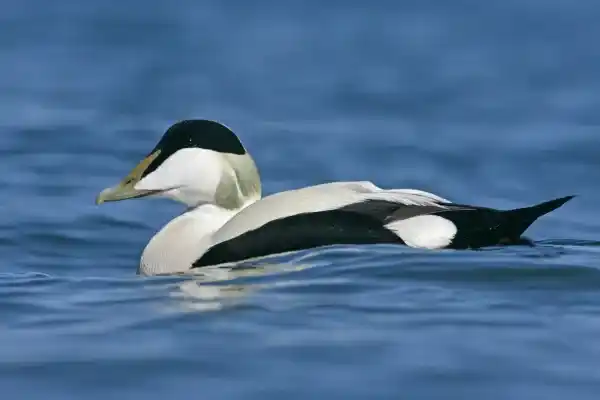
Eriochet (genus: Somateria)
Eider ducks belong to the sea duck family and are commonly found in cold coastal and island waters. They are skilled divers and forage for food, mainly feeding on marine invertebrates such as shellfish and crustaceans. Their feathers have strong insulating properties, enabling them to adapt to low-temperature environments; their down feathers are also often used as insulating materials (this is only for ecological purposes).
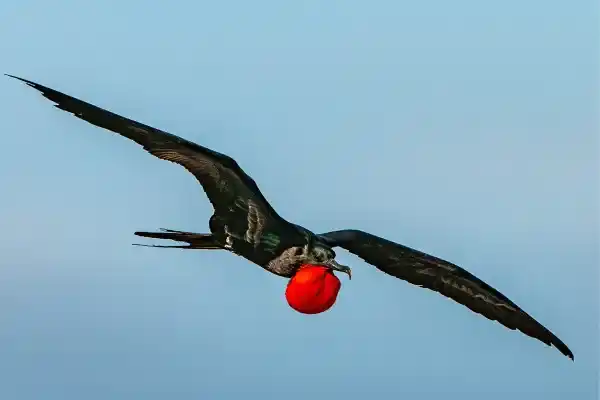
Frigatebird (Frigatidae)
Frigatebirds live in tropical and subtropical waters. They have large wingspans, are lightweight, and have excellent gliding abilities, often circling for long periods over the sea in search of food. During courtship, the male inflates its red throat pouch, creating a striking visual effect and serving as one of the key characteristics for identifying frigatebirds.
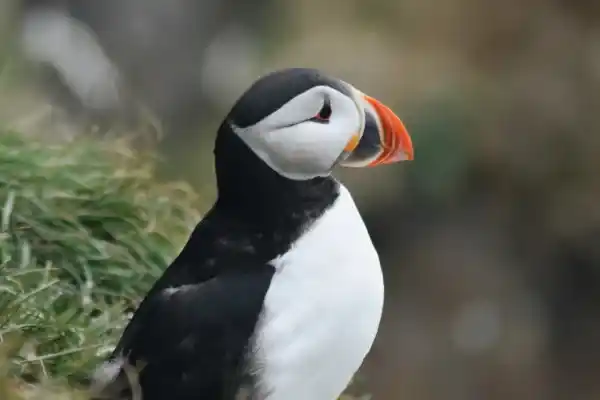
Puffins, nautiluses, and ravens (family Alcidae)
Puffins are mostly found in the cold waters of the Northern Hemisphere. They are excellent divers, propelling themselves underwater with their wings, making them appear to "fly" in the water. They need to flap their wings rapidly when flying, as their short, powerful wings are better suited for underwater movement. Puffins (genus *Puffins*) are often admired for their colorful beaks and adorable appearance.
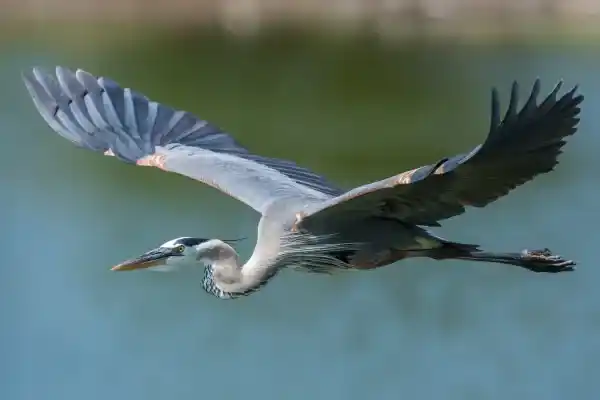
Herons (Ardeidae family)
Herons are typical wading birds, often found in shallow waters, marshes, lakes, and estuaries. With their long legs and necks, they often remain motionless, waiting for prey to approach before swiftly snapping their beaks to catch fish, shrimp, crabs, amphibians, and other prey. Many herons are solitary in normal times, but may form breeding colonies during the breeding season.
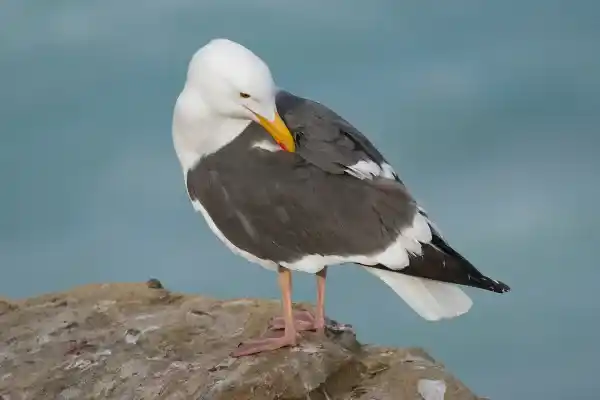
Seagull (Laridae family)
Seagulls are among the most common and easily recognizable seabirds, frequently appearing along coastlines, in harbors, and around coastal cities. Their plumage is typically a combination of white, grey, and black, with often distinctive markings on their wings. Seagulls are highly adaptable in their diet, preying on fish, shrimp, and mollusks, and also utilizing coastal resources, resulting in their wide distribution and common numbers.
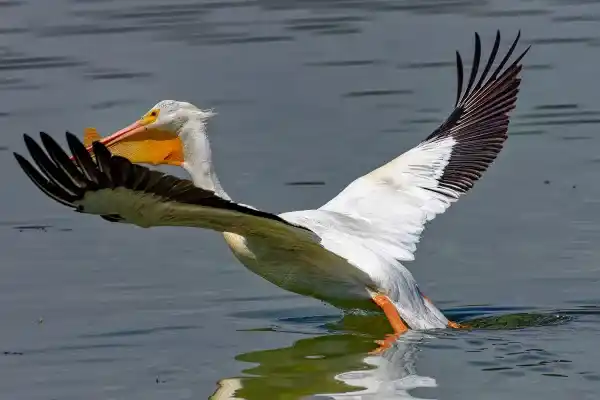
Pelican (genus: Pelecanus)
Pelicans are large animals, most notably characterized by their long beaks and expandable throat pouches. When catching fish, they use their throat pouches to scoop up the fish and water together, then filter out the water before swallowing their prey. Pelicans are social animals, often hunting and breeding in groups.
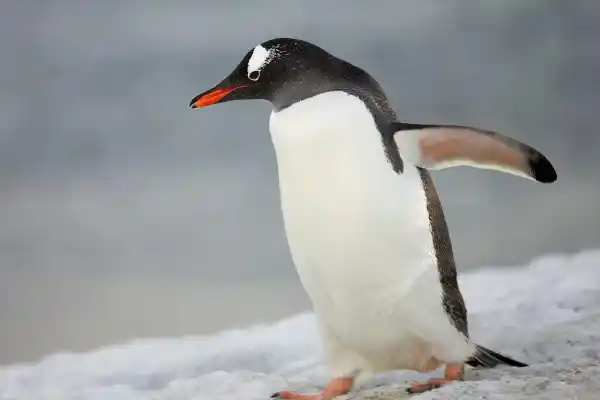
Penguin (Family: Spheniscidae)
Penguins are flightless seabirds, mainly distributed in the Southern Hemisphere. Their wings have evolved into flippers, allowing them to swim quickly and maneuver nimbly underwater; their bodies have excellent thermal insulation structures, enabling them to maintain body temperature in cold waters. Penguins feed on fish, krill, and squid, and many species form large breeding colonies.
Why are seabirds important?
Seabirds play a crucial role in marine ecosystems: they are both predators and indicators of changes in marine food resources. Significant fluctuations in seabird breeding success, migration timing, or numbers often indicate changes in the marine environment, fishery resources, or habitat.
Practical methods for quickly identifying seabirds
Observing these four points is enough.
Wing shape: long and narrow (excels at gliding) vs. short and powerful (excels at diving).
Feet: Whether or not they have webbed feet. Webbed feet usually mean greater ability to move on or underwater.
Predatory behaviors: pecking at the surface of the water, swooping down from the air, or chasing underwater.
Habitat: Coastal areas, islands, sea cliffs, estuarine wetlands, or open ocean areas.