An obedient dog is generally defined as a dog that follows its owner's commands, rules, or training, exhibiting good behavior and manners. This includes, but is not limited to, obeying basic commands (such as "sit," "wait," "lie down," etc.), not causing trouble at home, not jumping on people, and not chewing things. Making a dog obedient requires long-term, patient training and positive reinforcement, as well as appropriate rewards and punishments from the owner, and providing sufficient exercise and emotional stimulation. So, which dogs are intelligent, easy to care for, and obedient? This article lists the world's top ten most obedient dog breeds, including: Golden Retrievers, Labrador Retrievers, Border Collies, German Shepherds, Shetland Sheepdogs, Chihuahuas, Pugs, Schnauzers, Chinese Rural Dogs, and Boston Terriers. Which of these intelligent, easy-to-care-for, and obedient breeds do you like best?
1. Golden Retriever
Golden Retrievers are a popular breed of dog, a medium to large size, typically weighing 25-35 kg and standing 50-60 cm tall. They have a beautiful, dense, and soft golden coat. Golden Retrievers are gentle, friendly, loyal, intelligent, and easy to train. This makes them excellent family pets, as well as search and rescue, guide, and therapy dogs.
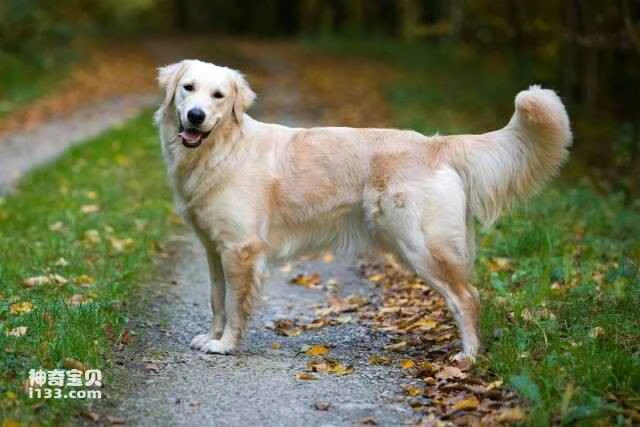
Golden Retrievers typically live 10-12 years and need regular exercise and a proper diet to stay healthy. They love interacting with people and therefore require a lot of socialization and companionship. If you want a loyal, friendly, and easy-going family companion, a Golden Retriever is a great choice.
2. Labrador Retriever
Labrador Retrievers are widely considered one of the most popular dog breeds, beloved for their friendliness, intelligence, and adaptability. They are typically medium-sized dogs, very active, and require plenty of exercise and activity. These dogs have excellent stamina and energy, making them well-suited for working and playing in outdoor environments. They are favored not only by families, police, and the military, but also play important roles in many workplaces, such as guide dogs, therapy dogs, and search and rescue dogs.
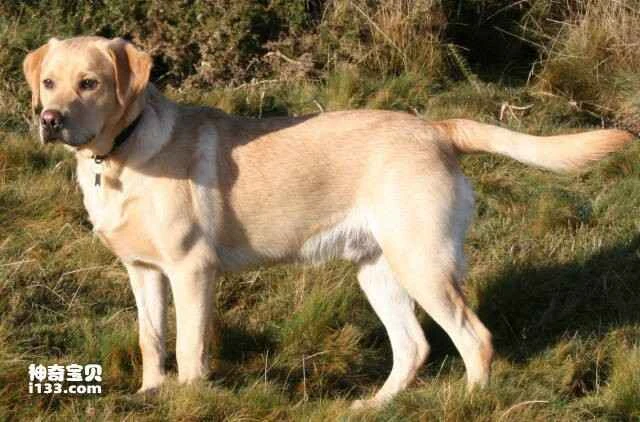
Labrador Retrievers are a very intelligent breed with a high learning ability, making them well-suited for training and performing. They typically bond easily with humans and often become family pets, especially for families with young children. Labrador Retrievers usually have short, dense coats and come in three main colors: black, tan, and yellow. The color doesn't significantly affect their temperament and behavior, but generally, this breed is very friendly, loyal, and gentle.
3. Border Collie
The Border Collie is a flexible, intelligent, and courageous dog, typically used in livestock herding. Originating in the border regions of Scotland, UK, it was primarily used for herding and managing sheep. Border Collies possess a very strong working instinct and require ample exercise and activity to maintain their physical and mental well-being. They generally need a stable yet active environment; otherwise, they may exhibit restlessness and anxiety. Intelligent, brave, and alert, they are well-suited for working in a variety of environments and tasks.
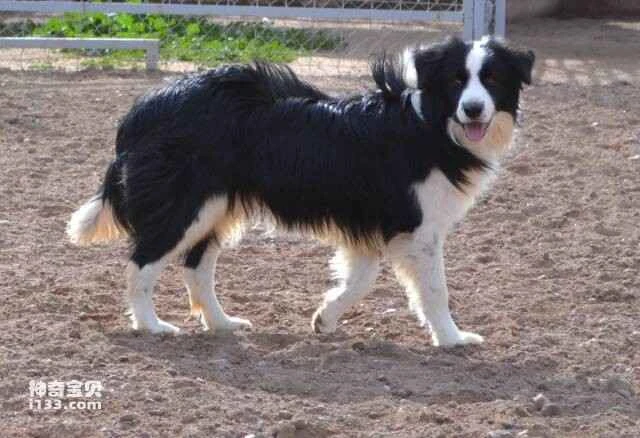
Border Collies are a highly intelligent breed with exceptional learning abilities, making them well-suited for training and various tasks. They frequently serve in police departments, the military, and search and rescue organizations, playing vital roles in these fields. Border Collies have dense coats in a variety of colors, ranging from black, white, and brown to blue. These dogs are typically large, standing 20-27 cm tall and weighing between 13-25 kg.
4. German Shepherd
The German Shepherd is a highly intelligent, loyal, and courageous breed of dog, widely considered one of the most popular working dogs. They are typically medium to large dogs with thick, dense coats. German Shepherds are a very versatile breed, often used for a variety of tasks such as police work, military service, search and rescue, guide dogs, family protection, and even performances in the film and television industry. These dogs have a strong working instinct and require regular exercise and training to maintain their physical and mental well-being.
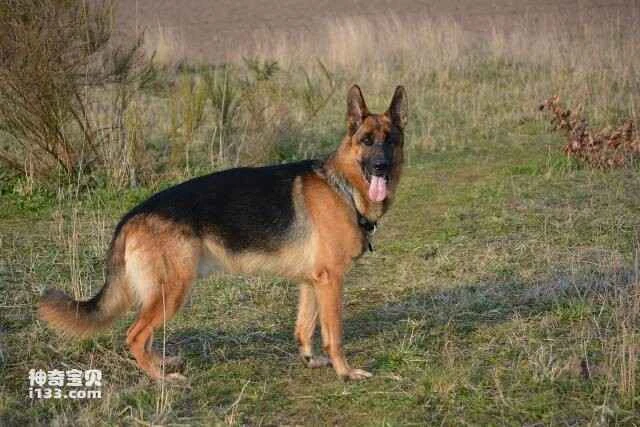
German Shepherds possess very high intelligence and learning abilities, quickly understanding and executing commands, making them well-suited for training and performances. These dogs are typically very loyal to their owners and require frequent human contact to maintain their socialization and emotional well-being. German Shepherds are usually black or brown, but other color variations exist. They are generally large, reaching a height of 60-66 cm and weighing between 22-42 kg.
5. Shetland Sheepdog
The Shetland Sheepdog, also known as the Collie, is a breed of Collie with a well-proportioned and beautiful build. Commonly called a "fox dog" due to its appearance, it is one of the ten most popular domestic dog breeds. Shetland Sheepdogs are naturally intelligent and quick learners, mastering training techniques rapidly. They are patient with children but wary of strangers, sometimes barking. They are also highly alert to suspicious noises and shadows at night, making them a reliable breed for family and guard dogs.
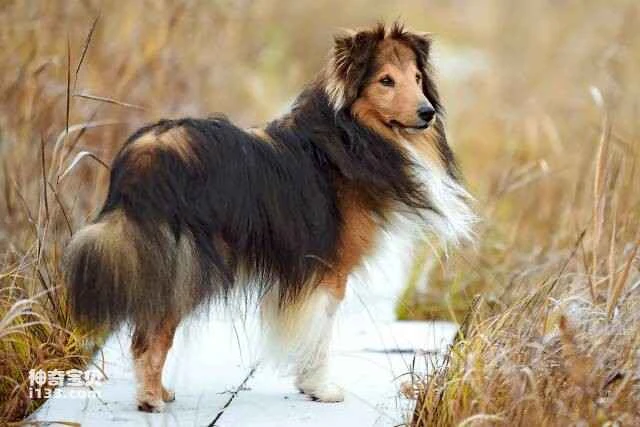
The Shetland Sheepdog is highly trainable and makes an ideal working dog, show dog, or family dog. Loyal and affectionate towards its owner, it is wary of strangers and makes an excellent family guard dog. It possesses remarkable intelligence and learning ability. At the same time, it retains many of the hardworking traits of its ancestors. Its coat requires frequent grooming. Regular exercise is essential to maintain its strong physique.
6. Chihuahua
The Chihuahua is a small dog breed originating in Mexico. They typically weigh only 1-3 kilograms and stand about 15-23 centimeters tall at the shoulder, making them one of the smallest dog breeds in the world. They are also a very common pet dog, with a lifespan of generally 13-14 years. Their small size means they don't require much space. They don't eat much and don't need much exercise. Chihuahuas come in both long-haired and short-haired varieties, and their coat colors include brown, black, white, and gray. Their heads are slightly larger than their bodies, with large, round eyes, a short nose, and erect or tilted ears.

Chihuahuas are lively, active, loyal, and alert, but can also be a bit stubborn and mischievous. They possess a tenacious will, are intelligent and extremely loyal, agile, lively, and very brave, capable of defending themselves against larger dogs. They are quite sensitive to cold and should not be kept in outdoor kennels; in winter, they need an extra layer of clothing for warmth. It is important to note that due to their relatively small size, Chihuahuas require close attention to their health and safety.
7. Pug
The Pug, also known as the "Tina," "Clown Dog," or "Toy Dog," typically has thick skin and short, smooth fur. It has large, protruding, round eyes that are black or brown. Pugs are small dogs with a sturdy frame, a flat face, and a short, tightly closed muzzle. Their excellent cleanliness is a major reason for their popularity.
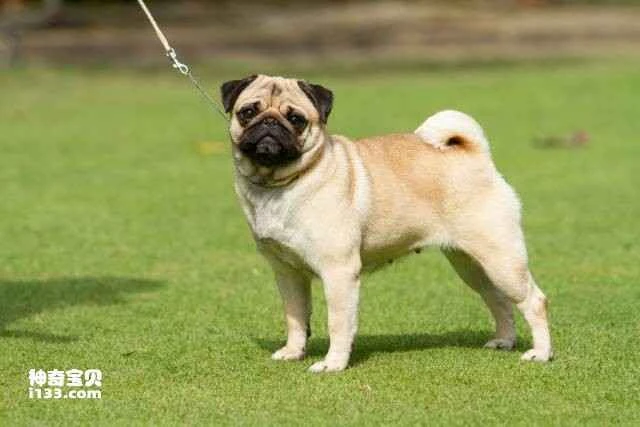
Pugs are gentle, lively, and affectionate, making them well-suited for family life. However, due to their short noses and underdeveloped respiratory systems, they are prone to respiratory infections. Furthermore, pugs are prone to obesity, requiring careful attention to their diet and appropriate exercise. Pugs are friendly, curious, playful, and agile, but not particularly alert. Because they are not overly competitive and have a weak sense of defiance, they are well-suited for urban living. They don't require much exercise, are clean, and don't need frequent grooming, making them especially suitable as companion dogs for seniors.
8. Schnauzer
The Schnauzer is a small dog breed originating from Germany, widely considered a cute and friendly pet. They typically weigh between 5-10 kg and stand approximately 22-30 cm tall at the shoulder. There are three varieties of Schnauzers: Miniature, Standard, and Giant. Their coat colors and lengths also vary, including black, white, gray, cream, and brown. Schnauzers are characterized by their well-developed head, compact body, short, thick legs, and short, curled tail.
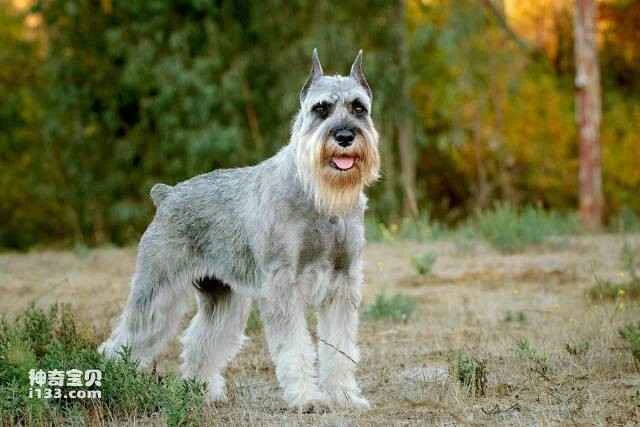
Schnauzers are gentle, intelligent, and active dogs that enjoy interacting with humans. Due to their high intelligence, they can be trained to learn various skills, such as search and rescue and herding. Schnauzers are also ideal family pets because they adapt easily to city life and get along well with children.
9. Chinese Rural Dog
The Chinese Rural Dog (also known as the Chinese Country Dog or "Tu Gou") is a native Chinese dog breed. They are medium-sized, muscular, and have a compact yet agile body. Their coat is short and dense, and comes in various colors, primarily black, yellow, and brown. Chinese Rural Dogs are independent, intelligent, and loyal, extremely devoted to their owners, and adapt well to different environments. Due to their strong natural instincts, they require proper training and socialization to become gentle and friendly family pets. They possess excellent guarding abilities and are widely used as working dogs in security, search and rescue, and guide dog roles.
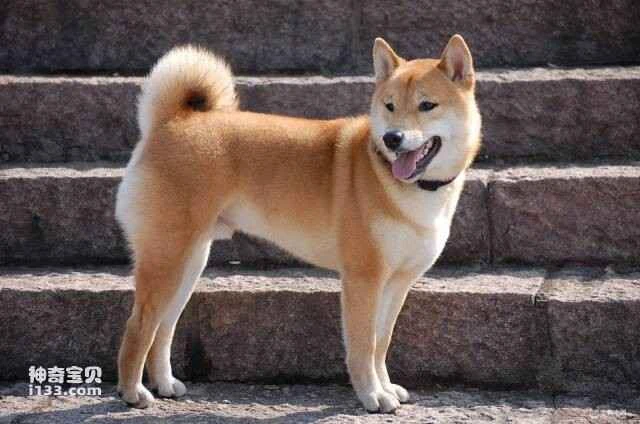
In recent years, with increasing emphasis on native dog breeds, the Chinese Rural Dog has received growing attention and recognition. People both domestically and internationally are beginning to recognize and appreciate this breed with its long history and unique charm.
10. Boston Terrier
The Boston Terrier is a small dog breed originating in the United States and is one of the most popular breeds there. They typically weigh between 4.5 and 12 kilograms and stand approximately 30-43 centimeters tall at the shoulder. Boston Terriers come in a variety of coat colors, including black, white, and brown, but are usually mostly white with black spots or markings on the head, tail, and legs. They are characterized by a square head, sharp eyes, erect ears, a well-proportioned body, and long, sturdy legs. Boston Terriers are lively, friendly, and intelligent, enjoying interaction with humans. Due to their high intelligence, they can be trained to perform various skills, such as search and rescue and guarding. Furthermore, Boston Terriers are ideal family pets because they get along well with children and are loyal to their owners.
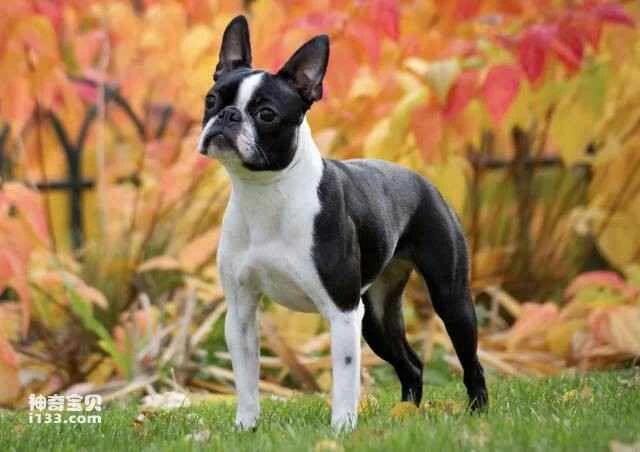
It's important to note that common health problems for Boston Terriers include eye issues and breathing difficulties. Therefore, when purchasing one, it's crucial to choose a breed from a healthy pedigree and take them to the veterinarian for regular checkups.
Here are some things to keep in mind when raising a dog:
1. Dog's Diet: To keep a dog healthy, we need to provide it with a balanced diet. Dogs need to eat enough protein, carbohydrates, and fat.
2. Exercise for dogs: Dogs need regular exercise, which helps them stay healthy, burns energy, and prevents them from getting bored.
3. Dog hygiene: Dogs need to be bathed and have their nails trimmed frequently, and have regular veterinary checkups to ensure their health and well-being.
4. Dog Socialization: Dogs are social animals and need to socialize with other dogs and humans. We need to provide dogs with opportunities to interact with other dogs and humans.
5. Dog Training: We need to teach dogs how to behave well and avoid behavioral problems such as biting or damaging furniture. Proper training can help dogs learn proper behavior both at home and outside.
6. Dog Safety: We need to ensure the safety of our dogs and prevent them from running into dangerous places, such as roads or high places. We need to provide them with a safe living environment and ensure that their living environment is clean and hygienic.
Here are some things to keep in mind when taking your dog out:
1. Keep your dog safe: Before going outside, make sure your dog's mouth, nose, and tail are dry. If the weather is hot, avoid prolonged outdoor activities during midday or afternoon. Also, if your dog has any health problems, consult a veterinarian before going out.
2. Use appropriate equipment: Appropriate collars, leashes, and harnesses must be used to control the dog's behavior to ensure it does not run away or attack other people or animals.
3. Prepare food and water: When you are out, please carry enough food and water with you and provide them to your dog at any time.
4. Prepare cleaning supplies: Your dog may urinate or defecate anywhere while you are out, requiring immediate cleaning. Therefore, please carry some cleaning supplies with you, such as paper towels and plastic bags.
5. Familiarize yourself with local regulations: Before going out, familiarize yourself with local laws and regulations to ensure your dog can legally roam in public places and will not pose a danger to other people or animals.
In short, owning a dog is a serious responsibility that requires time and effort to ensure the dog's health, happiness, and safety.