Santanaraptor is a fascinating and little-known dinosaur that provides important insights into the evolutionary history of theropod dinosaurs. This small but significant predator has attracted the interest of paleontologists and dinosaur enthusiasts due to its unique features, remarkable preservation, and the secrets it holds about the Early Cretaceous ecosystem. In this article, we will explore everything about Santanaraptor, from its discovery and physical characteristics to its role in paleontological research.
What is Santana Raptor?
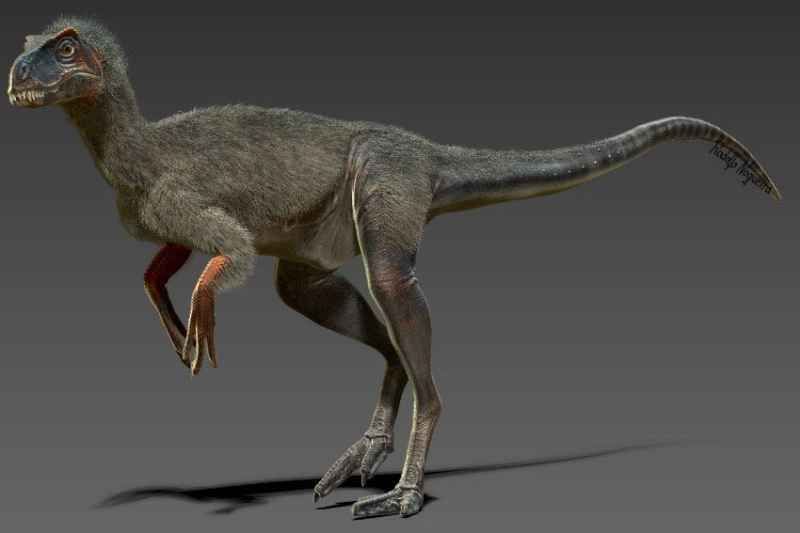
Santanaraptor was a small theropod dinosaur that lived during the Early Cretaceous period, approximately 112 million years ago. Its name comes from the Santana Formation in Brazil where it was discovered, combining "Santana" with "raptor," meaning "thief" or "predator." Although small compared to other theropods, Santanaraptor is significant for understanding the evolution and diversity of theropods.
Scientific name : Santanaraptor placidus
Period : Early Cretaceous (Apdian stage)
Diet : Carnivorous
Location : Santana Group, Brazil
The fossil remains of Santanaraptor are a rare discovery, providing paleontologists with well-preserved skeletal and soft tissue evidence that offers clues to its anatomy and behavior.
Santana Raptor Discovered
Santana Group
Santanaraptor was discovered in the Santana Formation, a fossil-rich geological site in the Ara Ripe Basin of northeastern Brazil. The Santana Formation is renowned for its exceptional fossil preservation, including remains of fish, reptiles, and dinosaurs. The Early Cretaceous environment was likely a lush tropical region with rivers, lakes, and coastal areas.
First fossil discovery
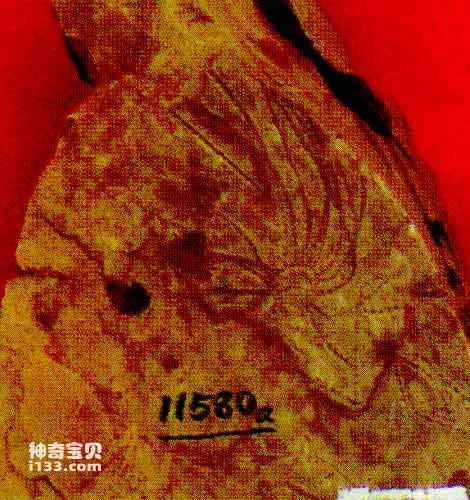
Paleontologist Alexander Kellner and his team discovered the first Santanaraptor fossils in the mid-1990s. These fossils consist of partial skeletal remains, including leg bones, vertebrae, and soft tissue impressions.
Significance of the discovery : The well-preserved soft tissue makes Santanaraptor a groundbreaking find. Soft tissue fossils are extremely rare and provide unparalleled insights into the muscles and structure of ancient animals.
Importance to paleontology
The discovery of Santanaraptor expands our understanding of early theropod dinosaurs in South America, providing evidence for the diversity and evolution of dinosaurs in the Southern Hemisphere during the Cretaceous. It also contributes to the study of theropod locomotion and biomechanics.
Physical characteristics of Santana raptor
Size and shape
Santanaraptor was a relatively small theropod dinosaur, measuring about 2 to 3 meters (6.5 to 10 feet) in length. Its light and agile body was adapted for rapid movement and efficient hunting.
Weight : Estimated to be approximately 20 to 25 kg (45 to 55 lbs)
Body structure : Long legs, slender build and lightweight frame make it faster and more maneuverable.
Limbs and movement
Santanaraptor had long, well-developed legs, indicating it was a fast bipedal predator. Its limb structure suggests it was adapted to running, which was crucial for chasing prey or escaping larger predators.
Hind limbs : powerful and slender, capable of rapid sprints.
Forelimbs : Relatively short but fully functional, likely used for grasping small prey.
Skull and teeth
Although no complete skull remains have been found, paleontologists speculate that the skull of Santanaraptor may have been elongated, similar to other small theropod dinosaurs. Its teeth were sharp and serrated, perfectly suited for cutting through flesh.
well-preserved soft tissue
The most remarkable aspect of the Santanaraptor discovery, one of the oldest dinosaurs, is the preservation of soft tissue, including muscle and collagen fibers. This rare preservation provides detailed insights into the dinosaur's anatomy and biology, insights that are typically lost during fossilization.
Muscle structure : Soft tissue indicates well-developed leg muscles, supporting the idea of a fast and agile predator.
Scientific value : Soft tissue evidence helps paleontologists reconstruct the appearance and movement of Santanaraptor more accurately.
Habitat and Ecosystem
Early Cretaceous environment
Santanaraptor lived during the Early Cretaceous period, when South America was part of the supercontinent Gondwana. This region was characterized by a warm, humid climate, dense forests, and abundant water resources.
Plants : Ferns, conifers and early-flowering plants dominate the landscape.
Fauna : The ecosystem was teeming with fish, pterosaurs, crocodiles and other dinosaurs, providing a rich food web for predators such as Santa Narraptor.
Role in the ecosystem
As a small theropod dinosaur, Santanaraptor likely carved out a niche market among intermediate predators. It preyed on small animals such as lizards, mammals, and juvenile dinosaurs, while also facing threats from larger predators.
Prey : Small vertebrates, insects, and possibly carrion.
Predators : Large theropod or crocodile species from the same ecosystem.
The Importance of Santanaraptor in Paleontology
Evolutionary Insights
Santanaraptor provides important information about the evolution of theropod dinosaurs in Gondwana. Its discovery suggests that during the Cretaceous period, small, agile predators were more widely distributed and more diverse in South America than previously thought.
Connections with other theropod dinosaurs : Santanaraptor shares similarities with other theropod dinosaurs (such as Coelurosaurus and Tetanurae basalis), which helps paleontologists trace evolutionary relationships.
Soft tissue preservation
Fossilized soft tissues associated with Santanaraptor are invaluable for paleontological research. They provide direct evidence of muscle arrangement, skin texture, and other anatomical features that typically disappear over millions of years.
Biomechanics : Analysis of the preserved muscles helps scientists understand how Santanaraptor moved and hunted.
Comparative anatomy : Soft tissue evidence can be used for comparison with modern birds and reptiles, helping to understand the evolutionary process of theropod dinosaurs.
Contributions to science
Santanaraptor 's research has contributed to multiple areas of paleontology, including:
Learn about the diversity of early theropod dinosaurs in South America.
Gain a deeper understanding of the soft tissue fossilization process.
Reconstruct the Early Cretaceous ecosystem.
Interesting facts about Santana raptors
Rare soft tissue fossil : Santanaraptor is one of the few dinosaurs that has preserved its soft tissue, making it a major paleontological discovery.
Small and agile : Despite its small size, Santanaraptor was likely an agile and efficient predator.
Discovery in the Southern Hemisphere : Santanaraptor highlights the diversity of dinosaurs in the Southern Hemisphere during the Cretaceous period.
Meaning of the name : Its name combines the Santana landscape with "raptor," emphasizing its predator role.
Scientific significance : The preservation of soft tissue in fossils provides unparalleled insights into dinosaur biology.
Comparison of Santanaraptor with other theropod dinosaurs
Comparison with Velociraptors
Size : The Velociraptor was slightly smaller, about 2 meters long, while the Santanaraptor was up to 3 meters long.
Habitat : Velociraptors lived in Asia, while Santanaraptor was native to South America.
Similarities : Both are small, agile predators with sharp claws and teeth.
Comparison with Coelophysis
Period : Coelophysis lived in the Late Triassic, millions of years earlier than Santa Narraptor.
Body type : Both have a slender, lightweight body type to optimize speed.
Conclusion: The Legacy of the Santana Raptor
Santanaraptor may not be as well-known as large theropod dinosaurs like Tyrannosaurus Rex, but its importance in paleontology cannot be overstated. From its discovery in the Santana Formation to its well-preserved soft tissue, Santanaraptor provides invaluable insights into the evolution, anatomy, and ecosystems of Early Cretaceous dinosaurs.
Paleontologists continue to unravel the mysteries of this rare dinosaur by answering questions about its size, behavior, and evolutionary role. As research progresses, Santanaraptor will undoubtedly remain a key figure in understanding the diversity of theropod dinosaurs and the ancient Gondwana world.
For those fascinated by dinosaurs, Santanaraptor reminds us that life once existed on Earth in a variety of forms, offering a glimpse into an era long gone but forever preserved in the fossil record.