Dinosaurs were once the absolute rulers of this planet, but for various reasons, they eventually disappeared from the historical stage, becoming evidence for people's exploration of history. However, it is undeniable that dinosaurs were far larger and more lethal than humans. Today, let's learn about these inherently cruel dinosaurs.
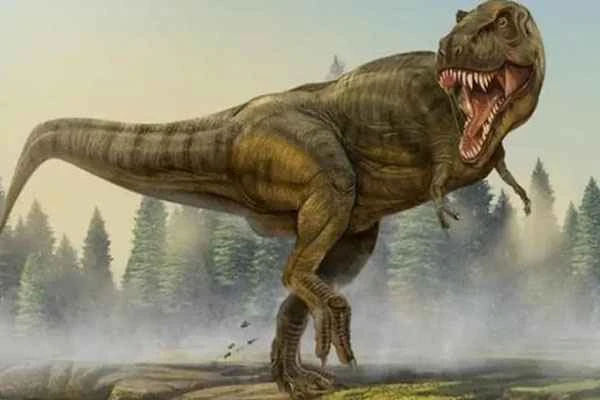
Tyrannosaurus Rex is the most ferocious dinosaur by nature.
Tyrannosaurus Rex, also known as Tyrannosaurus Rex, lived during the Late Cretaceous period and was one of the last non-avian dinosaurs to go extinct before the Cretaceous-Paleogene extinction event. Fossils are found in the United States and Canada in North America, making it one of the last dinosaurs to go extinct. Tyrannosaurus Rex was an extremely deadly and ferocious dinosaur; its reputation as a "tyrant" in the dinosaur world was well-deserved. Its massive jaws and sharp teeth could tear its prey to shreds the size of toothpicks.
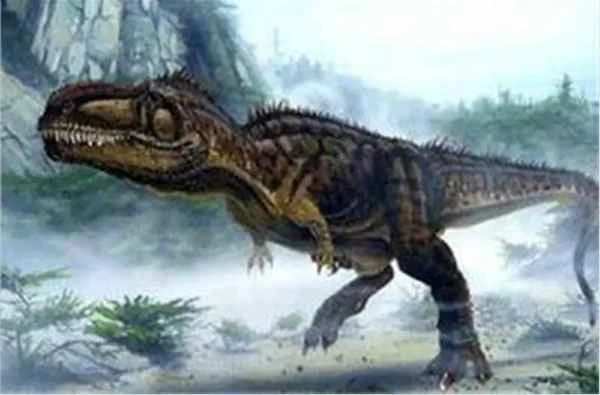
The second most ferocious dinosaur, Giganotosaurus
Giganotosaurus was the largest Allosauridae and Carnivora invertebrate dinosaur, and the second largest carnivorous dinosaur and terrestrial carnivore in history, averaging 11 tons in weight and 14.5 meters in length. Living in Argentina, South America, during the Cretaceous period (100 to 92 million years ago), it was the largest carnivorous dinosaur in South America. It possessed a powerful bite force, extremely fast tearing speed, and teeth as sharp as steel blades, with a maximum bite force reaching 12 tons.
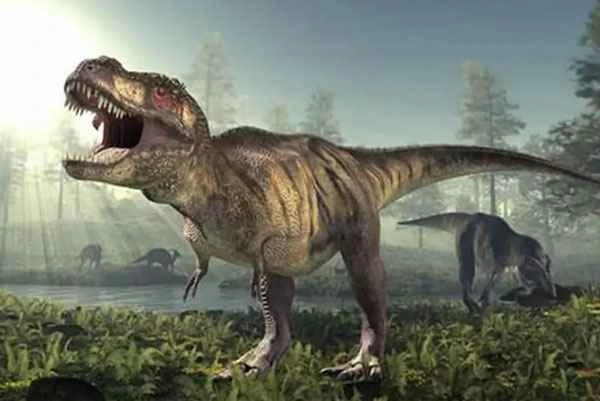
Majungasaurus, ranked third among the most ferocious dinosaurs.
Majungasaurus, meaning "Lizard of Madagascar," is a genus of theropod lizard belonging to the family Abelisauridae. It lived in Madagascar during the Late Cretaceous period, approximately 70 to 65 million years ago. Majungasaurus frequently preyed on its own kind in bloody hunts, treating them as a delicious meal.
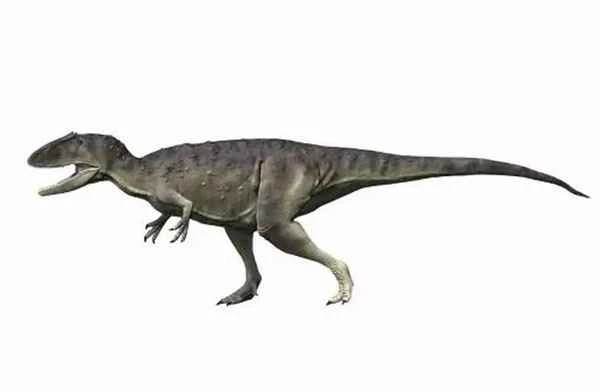
The fourth most ferocious dinosaur: Eriocarpus.
Carcharodontosaurus, belonging to the family Carcharodontosauridae within the suborder Theropoda, lived in the Sahara 112 million years ago. Its fossils were discovered in Niger in 2000 by paleontologist Paul Cerino of the University of Chicago. Its brow ridge was a massive, bulging bone, which it used like a battering ram to strike its prey during competition, thus attracting attention and favor from the opposite sex. It also possessed blade-like teeth, capable of killing prey alive and dismembering its body in various ways.
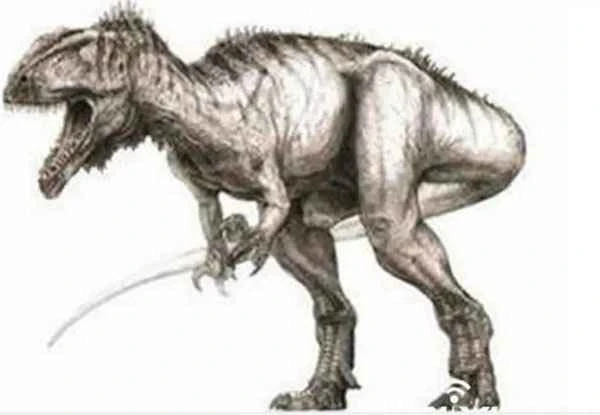
The fifth most ferocious dinosaur: Norfolk.
The multi-toothed Norfolkosaurus used its spear-like front teeth to pierce its prey, then used its blade-like rear teeth to tear and chew it—a type of tooth arrangement uncommon among predatory dinosaurs. Norfolkosaurus, about the size of a German Shepherd, lived in the southern part of the supercontinent Gondwana during the late Cretaceous period, 65-70 million years ago. Scientists believe they primarily fed on fish, lizards, and other animals.
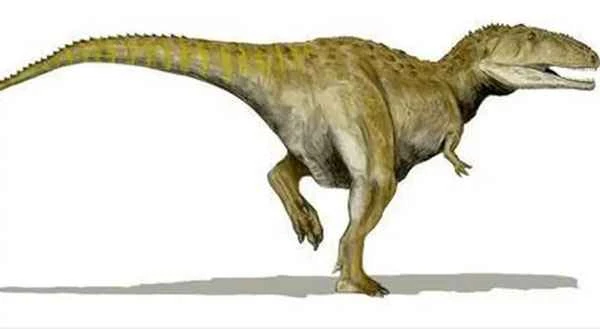
The sixth most ferocious dinosaur: the Rose Mapusaurus
Mapusaurus, meaning "earth lizard," was a giant carnivorous dinosaur that lived in Argentina during the Late Cretaceous period. Mapusaurus was very similar to its close relative, Giganotosaurus, but larger, making it one of the largest carnivorous dinosaurs. Its teeth were narrow and sharp, like blades, which were advantageous for tearing apart prey. Its skeletal fossils have been found in the Patagonia region of Argentina.
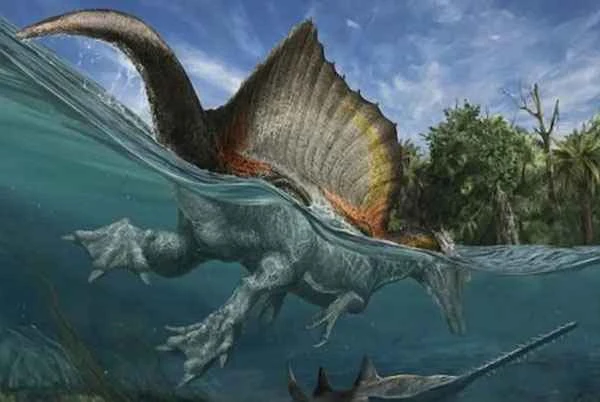
The seventh most ferocious dinosaur: Spinosaurus
Spinosaurus, meaning "spiny lizard," was a large theropod carnivorous dinosaur. The subspecies Spinosaurus aegyptiacus is the largest known carnivorous dinosaur, measuring 12 to 20 meters in length, 270 to 400 centimeters in hip height, and weighing 4 to 26 tons. It lived in North Africa during the Cretaceous period, approximately 114 to 65 million years ago. This super predator primarily fed on various fish, walked on its hind limbs, and had a spine over two meters long supporting its powerful forelimbs, enabling it to hunt prey more effectively.
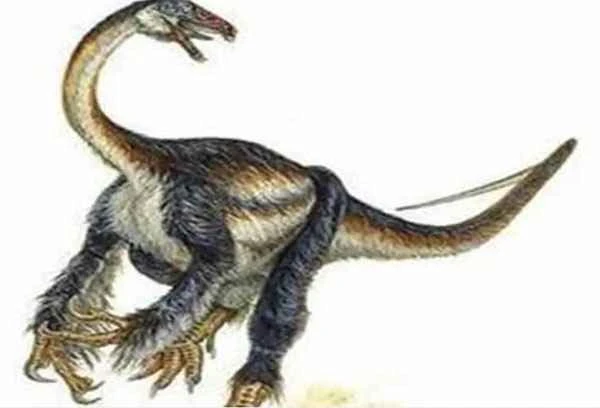
The eighth most ferocious dinosaur: Utah Therizinosaurus
Utah Therizinosaurus truly achieved a transformation from a carnivore to a herbivore. Scientists do not yet know whether this bird-like dinosaur completely rejected carnivorous habits, but they have found that Utah Therizinosaurus's teeth, which were suitable for chewing meat, became leaf-cutting teeth, and its stomach and intestines became bloated to fully ferment plants.
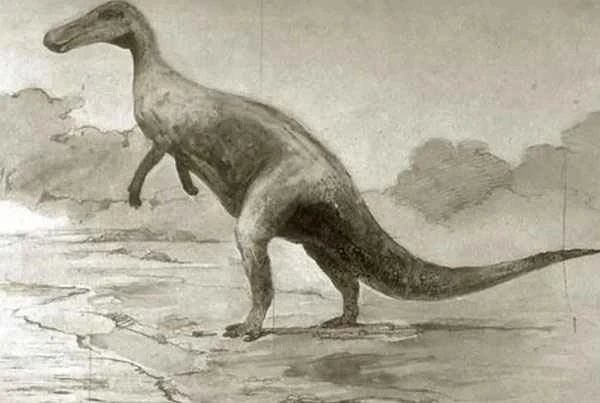
The ninth most ferocious dinosaur: Hadrosaurus
Hadrosaurs were a group of relatively large ornithischian dinosaurs, the largest reaching over 15 meters in length. They were members of the herbivorous dinosaur family of the Ornithischian order from the Late Cretaceous period. Hadrosaurs were dinosaurs with large skeletons, capable of swallowing all the plants in their path. Their large skulls contained at least 300 teeth for chewing fibrous plants, and their jawbones had hundreds of replaceable teeth.
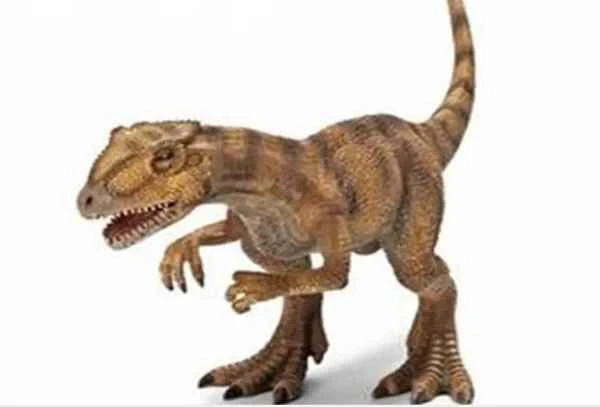
Allosaurus, the tenth most ferocious dinosaur.
Allosaurus, also known as the Leaping Dragon or Allosaurus, is a genus of carnivorous dinosaur belonging to the suborder Carnivora of the suborder Theropoda within the order Saurischia. Allosaurus was a medium-sized bipedal, predatory dinosaur, measuring 8.5 meters in length, with a maximum length of 9.7 meters, and weighing 1.5 to 3 tons, with a maximum weight of 3.6 tons. They lived during the Late Jurassic period, approximately 155 million to 135 million years ago. While not the largest carnivorous dinosaur in terms of size, Allosaurus possessed a body structure more adapted for hunting.