Dinosaurs were once the rulers of the Earth, dominating the land for 160 million years. Many mysteries surround dinosaurs: how did they become extinct? How did they mate? How much do you know? Join this episode's special feature to find out.
I. How did dinosaurs mate?
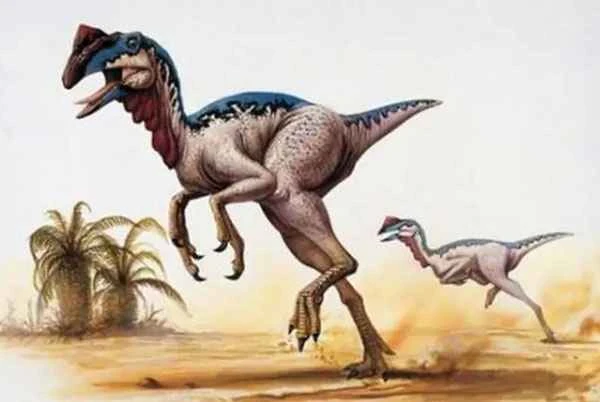
All dinosaurs hatched from eggs, but how they mated to produce offspring remains unclear. Evidence of dinosaur mating cannot be fossilized, and paleontologists have yet to find any fossilized traces of dinosaurs embracing. Even the basic anatomy of dinosaurs remains a mystery.
II. The First Dinosaur
For paleontologists, any species with the earliest lineage is highly sought after. However, the problem is that the fossil record only shows a portion of their life history, not the whole story. Therefore, discovering the origin of dinosaurs requires not only science but also luck. Current findings suggest that the earliest dinosaurs lived approximately 245 million years ago, with the best candidate being a small, slender animal called Nyasaur.
III. Were dinosaurs warm-blooded or cold-blooded animals?
During the height of the "dinosaur renaissance" in the 1970s, one of the most controversial questions was whether dinosaurs were warm-blooded or cold-blooded. More than 40 years later, the physiology of dinosaurs remains a mystery. The latest hypothesis suggests that dinosaurs were mesothermal animals, maintaining their body temperature through muscle activity, but their body temperature fluctuated. Undoubtedly, experts will continue to investigate and discuss this issue.
IV. Who is the largest dinosaur?
Of all the superlatives about dinosaurs, the title of largest is considered the most prestigious. However, multiple evolutionary processes and changes in the fossil record make it difficult to definitively identify the true winner. The largest creatures, such as Supersaurus, Diplodocus, and Argentinosaurus, were around 100 to 110 feet in length. This significant margin of error stems primarily from our limited knowledge of them based on only partial skeletal remains. We need more complex fossil evidence to definitively determine their size.
V. The Role of Dinosaur-themed Fashion Decorations
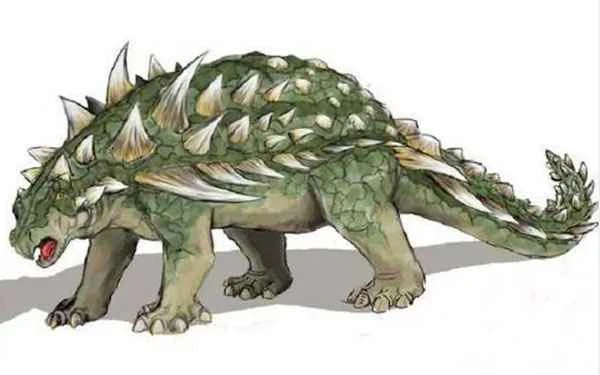
Many of our favorite dinosaur species are adorned with a variety of horns, spikes, crests, and other unique structures. Why dinosaurs evolved this way has long been a subject of debate among experts.

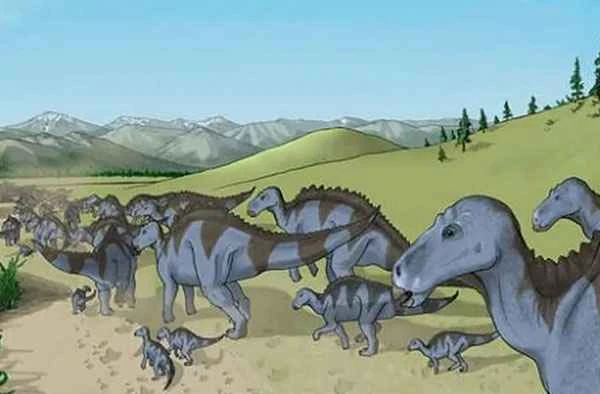
VI. Did dinosaurs live in groups?
Despite the scenes of dinosaurs hunting in groups depicted in the movie "Jurassic Park," we don't actually know whether carnivorous dinosaurs cooperated in hunting. While rare fossil footprints suggest that some carnivorous dinosaurs may have walked together, these footprints don't tell us why they walked side by side.
7. Which dinosaur roamed at night?
One of the most common metaphors used to describe the Mesozoic world is that small mammals barely survived the Age of Reptiles because they were active at night while the dinosaurs slept. The problem is that we have little knowledge of when the dinosaurs woke up.
8. How did dinosaurs learn to fly?
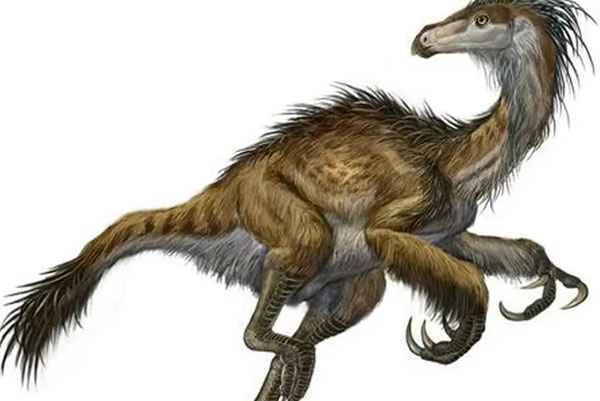
How did the avian branch of dinosaurs acquire this special ability? Paleontologists generally believe that dinosaurs acquired the ability to fly in several ways. The most popular theory now is the "ground takeoff" theory, which suggests that dinosaurs took off by flapping their wings from the ground. Studies of the aerodynamics of feathered dinosaurs are giving us new insights into this question, but more details still need to be pieced together from the fossil record.
9. Which dinosaur species were furry?
Research indicates that many dinosaur lineages included individuals with fluffy feathers. However, it remains unclear which dinosaurs artists should depict as fluffy. We also don't know if these feathers were an ancient feature of a common ancestor of all dinosaurs.
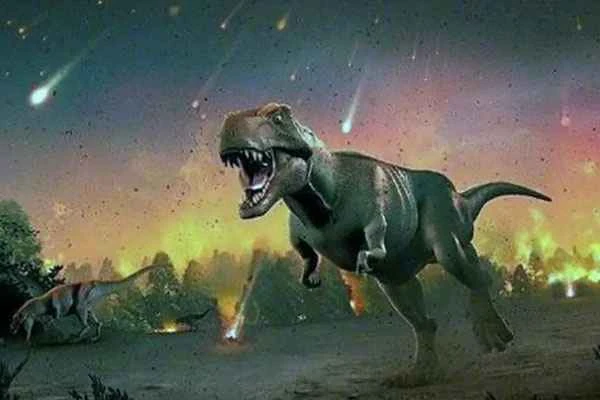
10. Why did so many dinosaurs become extinct?
Bird-winged dinosaurs (i.e., birds) still exist today, but all their relatives went extinct in a geological catastrophe 66 million years ago, and paleontologists still don't know why. They cannot answer how asteroid impacts, global ecological shifts, and intense volcanic activity combined to cause the extinction of all non-bird-winged dinosaurs.