One-sentence answer:
The longest of its kind in modern times : the reticulated python ( Malayopython reticulatus ), with a credible field record of nearly 10 m / 32 ft .
The heaviest of modern times : the green anaconda ( Eunectes murinus ), with giant females exceeding 200 kg / 440 lb , and even heavier in extreme individuals.
The largest ever : Titanoboa , approximately 12.8 m / 42 ft , >1.1 tons .
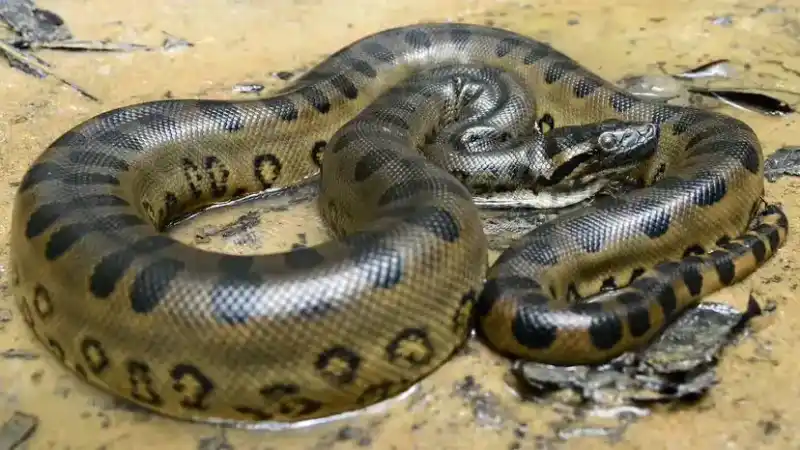
The green anaconda (Eunectes murinus) holds the title of the world's largest snake and is likely to devour other creatures as well.
Key points: "Maximum" can refer to either length or mass . Snakes can stretch and contract, gain weight after eating, and their carcasses can be stretched, which can exaggerate the size. Measurement methods and the sex of the sample ( females of many giant snakes are even larger ) can also affect the recording.
How do you measure the "largest" snake?
Length vs. Mass : In biology, mass is often used to measure "body size," but there is more historical data on length and it is easier to compare.
Measurement method : The best practice is to stretch the body into a straight line (not coiled), and to have a photograph/scale . A stretched or overweight corpse will result in an inflated weight .
Sex differences : Females are more common and larger than females in giant snakes such as reticulated pythons and anacondas (related to breeding strategies).
The 6 "longest" living snakes in the world (based on the largest credible wild length).
Note: This is the "maximum upper limit," and the average adult body length is usually lower than this value.
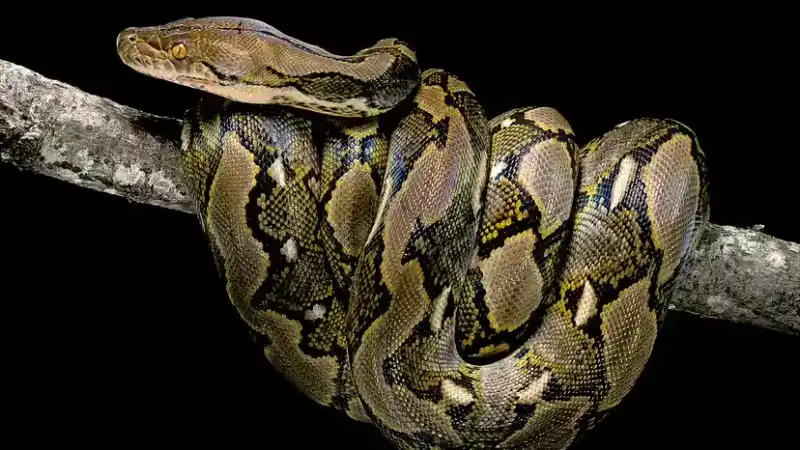
1) Reticulated python ( Malayopython reticulatus ) – approximately 9.8 m / 32 ft
In the rainforests and agroforest edges of Southeast Asia, they are not poisoned or killed by predators, but occasionally prey on large mammals; females are often taller than males .
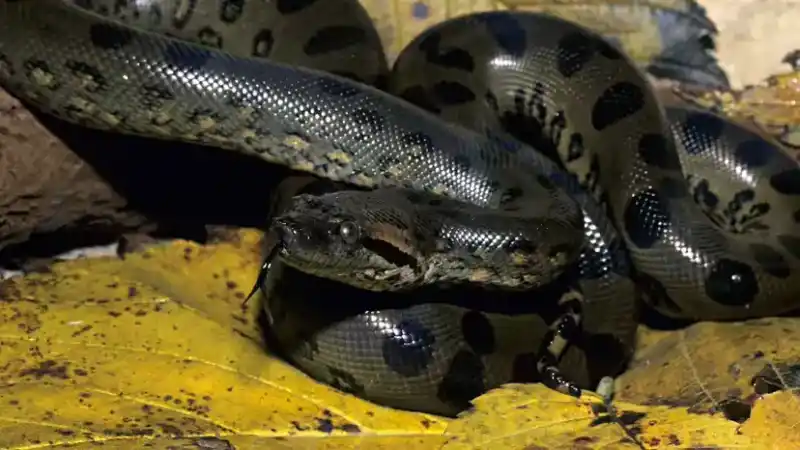
2) Green Anaconda ( Eunectes murinus ) – Approximately 9.1 m / 30 ft
The Amazon-Orinoco wetlands are home to semi-aquatic ambush predators; while they may not be the longest, they are unparalleled in girth and weight .
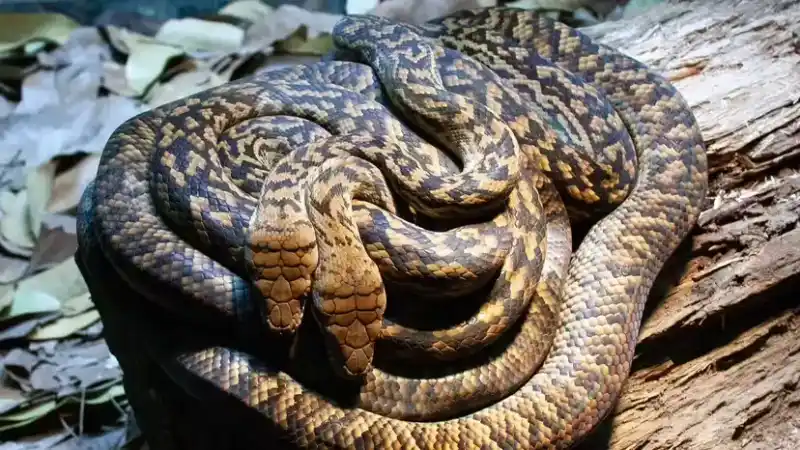
3) Australian Amethyst Python/Shrub Python ( Simalia amethistina complex) – approximately 8.2 m / 27 ft
Australasia, with its slender build and strong climbing ability, inhabits mountain forest edges and rocky slopes.
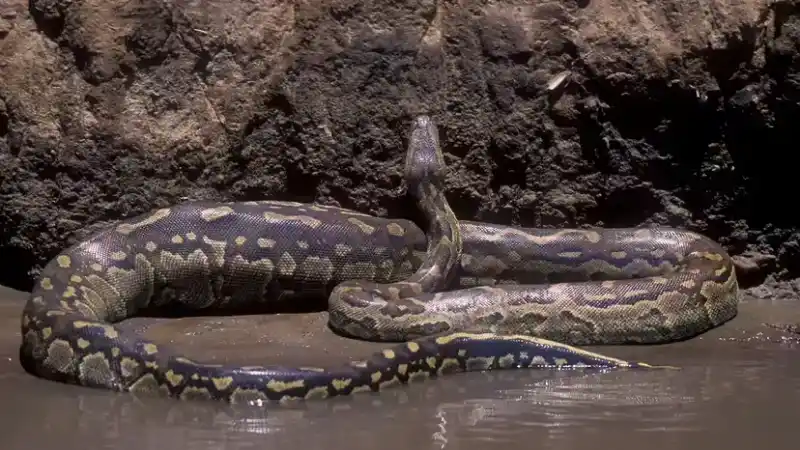
4) African rock python ( Python sebae ) – approximately 7.3 m / 24 ft
It is found in sub-Saharan Africa, with a broad head and great strength, and can hunt antelopes, monitor lizards, and young crocodiles.
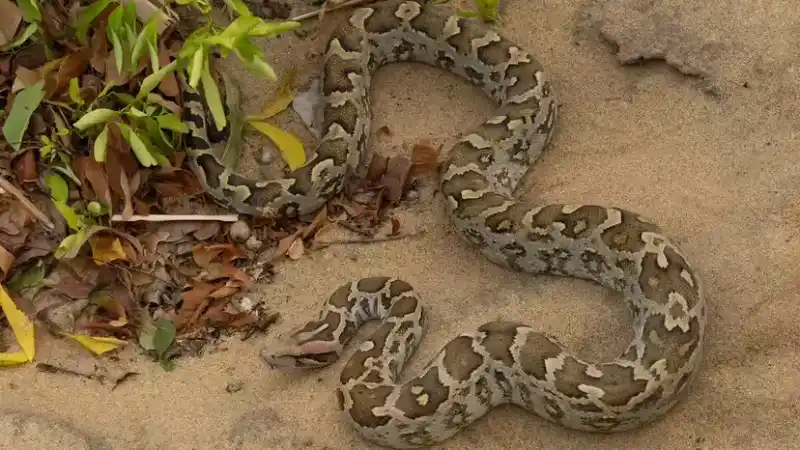
5) Indian Python ( Python molurus ) – approximately 6.1 m / 20 ft
They live in South Asian meadows and wetlands, are good swimmers, and have a relatively mild temperament.
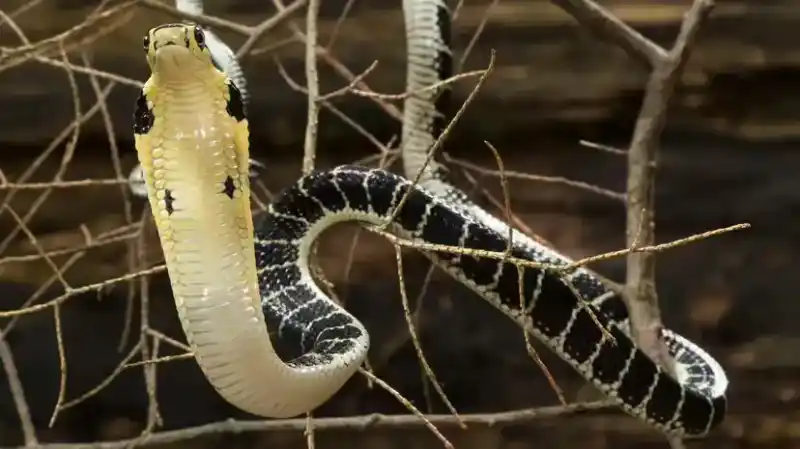
6) King Cobra ( Ophiophagus hannah ) – approximately 5.5–5.8 m / 18–19 ft
The longest living venomous snake ; it preys on other snakes (including pythons) and also nests and lays eggs , which is rare among snakes.
The 6 heaviest living snake species in the world (based on maximum reported weight)
Note: Extreme individuals are rare; common weight is significantly below the upper limit.
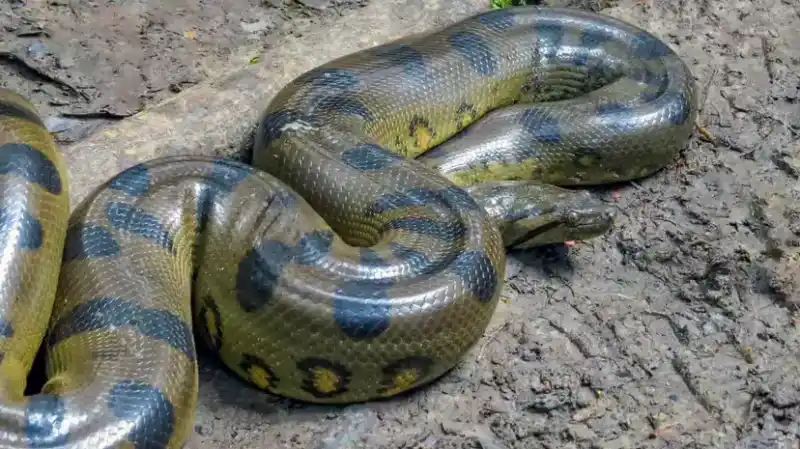
1) Green anaconda ( Eunectes murinus ) – Approximately 249–250 kg / 550 lb (extreme)
The buoyancy of the water supports its extreme girth , and its mass far exceeds that of most pythons.
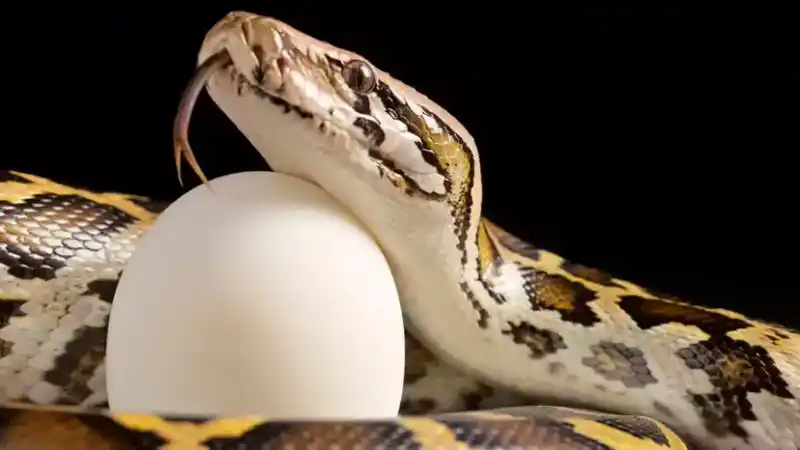
2) Burmese Python ( Python bivittatus ) – Up to ~183 kg / 403 lb
Native to Southeast Asia; an excellent swimmer. In invaded habitats (such as Florida) with abundant prey, they can gain weight rapidly.
3) Reticulated python ( Malayopython reticulatus ) – up to ~159 kg / 350 lb
One of the few snake species that combines exceptional length with high quality .
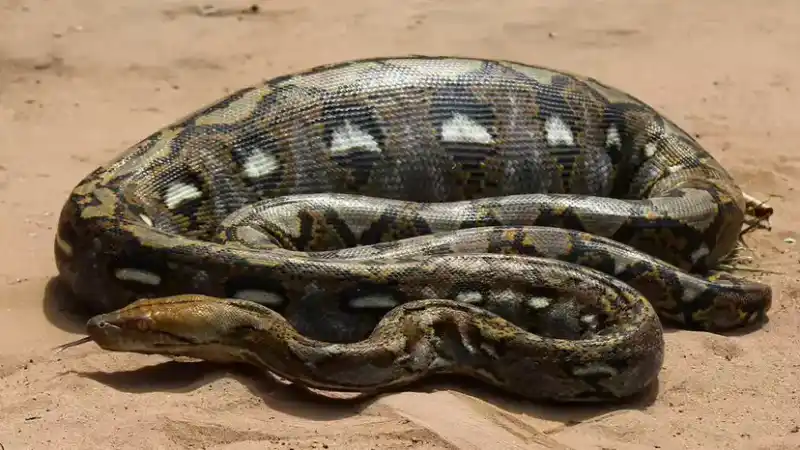
4) African rock python ( Python sebae ) – up to ~91 kg / 200 lb
The largest snake in Africa, the female exhibits nest-guarding behavior.
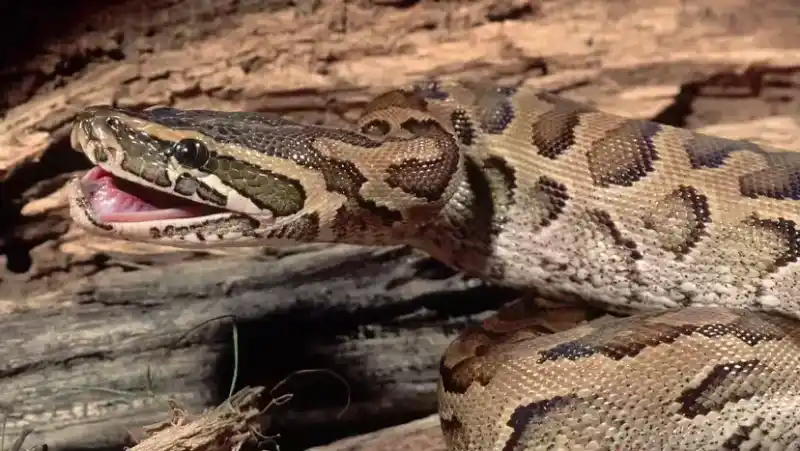
5) Indian Python ( Python molurus ) – Up to ~91 kg / 200 lb
The middle section is robust in girth; historically, it has been confused with records of Burmese pythons.
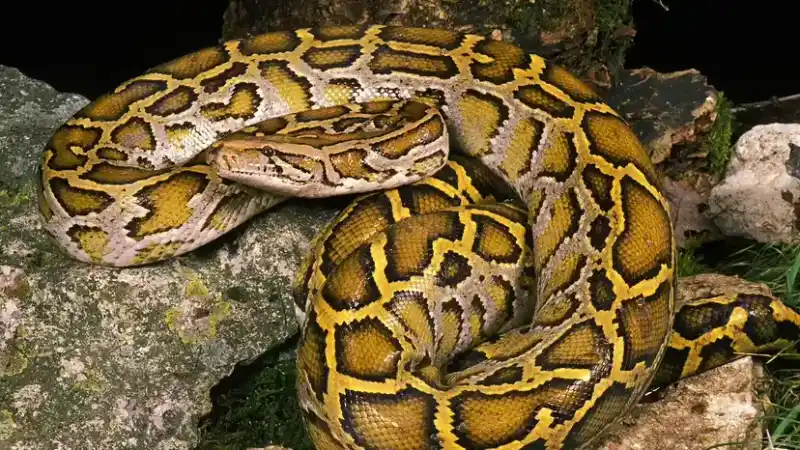
6) Bush Python/Amethyst Python ( Simalia amethistina ) – Up to ~35 kg / 77 lb
Although long, it is relatively slender and of inferior quality to the robust python/boa.
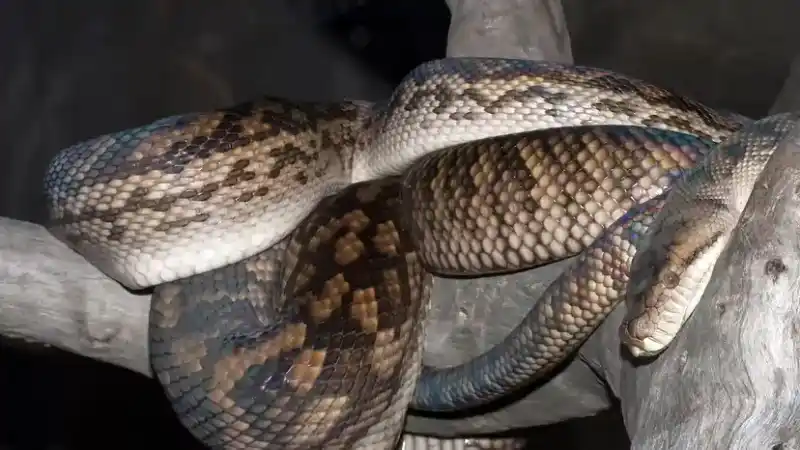
Two "epic" extinct giant snakes
1) Titanoboa cerrejonensis – Approximately 12.8 m / 42 ft ; >1.1 tons . Paleocene (approximately 58 million years ago), the largest known snake in the Columbia River system; possibly semi-aquatic, preying on large fish and crocodiles.

On March 23, 2012, visitors viewed a replica of the prehistoric Titanoboa at Grand Central Station in New York City. Titanoboa is the largest snake ever discovered.
2) Gigantophis garstini – approximately 11 m / 36 ft
In Eocene (approximately 40 million years ago) in North Africa, members of the Madtsoiidae family, now extinct, were likely top predators in wetlands.
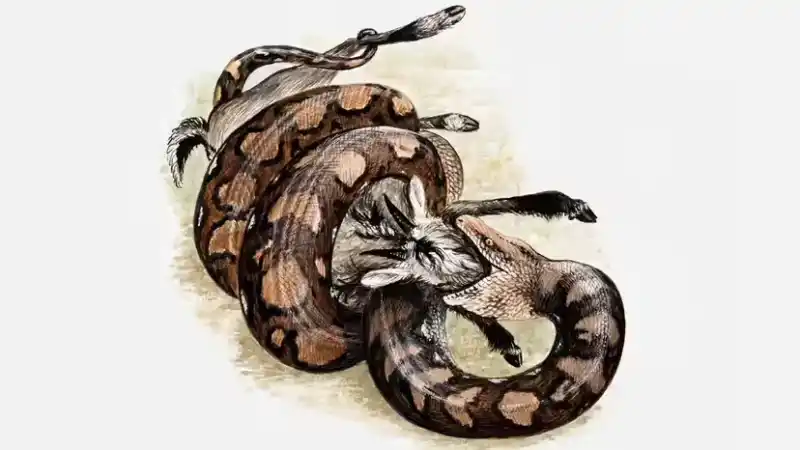
The reticulated python is currently the world's largest snake, capable of swallowing a goat whole—but it is still smaller than the giant python (Gigantophis garstini).
Comparison overview
"Length Ranking" Maximum Reliable Field Length
| Ranking | Species | Maximum length (approximately) | distributed | Remark |
|---|---|---|---|---|
| 1 | Reticulated python | 9.8 m / 32 ft | Southeast Asia | The most common and longest snake in modern times |
| 2 | Green anaconda (also known as green anaconda) | 9.1 m / 30 ft | South America | Semi-aquatic, with a huge girth |
| 3 | bush python/amethyst python | 8.2 m / 27 ft | Australasia | Long and relatively slender |
| 4 | African rock python | 7.3 m / 24 ft | Africa | Highly offensive |
| 5 | Indian python | 6.1 m / 20 ft | South Asia | Good at swimming |
| 6 | King cobra (venomous) | 5.5–5.8 m | South Asia-Southeast Asia | The longest venomous snake in existence |
The highest quality of reporting on the "weight list"
| Ranking | Species | Maximum weight (approximately) | distributed | Remark |
|---|---|---|---|---|
| 1 | Green anaconda (also known as green anaconda) | ~249–250 kg / 550 lb | South America | The most important thing in life |
| 2 | Burmese python | ~183 kg / 403 lb | Southeast Asia | Invaded land weight can surge |
| 3 | Reticulated python | ~159 kg / 350 lb | Southeast Asia | Combining extreme length and mass |
| 4 | African rock python | ~91 kg / 200 lb | Africa | Africa's heaviest |
| 5 | Indian python | ~91 kg / 200 lb | South Asia | Easily confused with records of Burmese pythons |
| 6 | bush python | ~35 kg / 77 lb | Australasia | Long and light |
Why can anacondas "win the weight battle"? The aquatic environment reduces the cost of carrying weight, allowing them to stack girth and mass without sacrificing maneuverability.
Ecology and Adaptation: The Giant Snake's "Hardware" and "Strategies"
Ambush vs. Patrol : Anacondas often ambush near water ; Reticulated/shrub pythons often actively patrol forest edges, trees, or rocky slopes.
Thermosensitive depressions and night hunting : Most pythons have thermosensitive depressions on their labial margins, which, together with their vertical pupils, enhance their ability to hunt at night.
Entanglement mechanism : Entanglement does not "crush all the bones", but rather quickly blocks blood flow and respiration .
Female gigantism : Larger female snakes can produce more or larger offspring , driving upward selection in terms of body size.
Frequently Asked Questions (FAQ)
Q: Who is the longest living person on record?
A: It is generally believed that reticulated pythons most commonly reach a reliable size of nearly 10 m ; however, in terms of weight , anacondas are far ahead.
Q: Do giant snakes eat people?
A: Very few cases involve large reticulated pythons/Burmese pythons/African rock pythons ; these are extreme events and are related to individual size, environment, and human behavior.
Q: Which is the longest venomous snake?
A: The king cobra is the longest living venomous snake ; individuals exceeding 6 meters are extremely unreliable.
Q: Why are there such large differences between different records?
A: Measurement methods (stretching/coiling/full body), lack of images and scale, individual gender/condition, etc., can all significantly affect the data. A straight line plus supporting evidence is essential for reliability.
Q: Which is more "dangerous," the anaconda or the reticulated python?
A: Neither of them are poison-free killers ; the risk depends on size and distance . Any close contact in the wild should be avoided .