Australia is one of the world's most biodiverse countries, home to a wealth of unique wildlife—animals found only in their natural habitats, such as koalas, platypuses, kangaroos, and some of the world's most venomous snakes. Unfortunately, many of Australia's native animals face serious threats to extinction. This article will provide an in-depth look at the animal species currently endangered in Australia (based on IUCN data), their major threats to survival, and the conservation measures we can take.
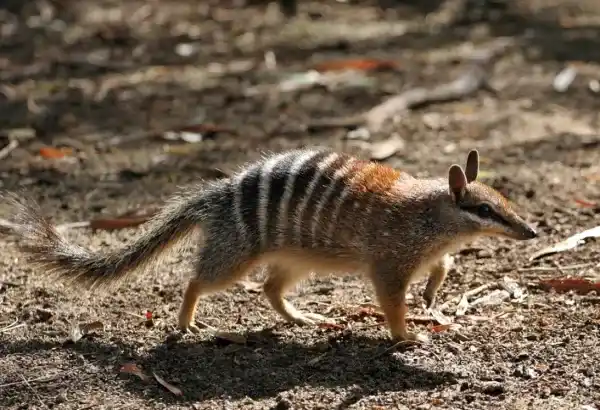
1. Quokka (Chinese quokka)
The quokka (Setonix brachyurus), known for its "smiling face," is hailed as "the happiest animal in the world." It's a small, herbivorous marsupial found only in specific areas of Australia. However, its popularity on social media has led to a rapid decline in its wild population, largely due to illegal capture for zoo displays and as pets. Furthermore, habitat fragmentation and climate change-induced droughts have also impacted its population. Currently, the IUCN lists it as "Vulnerable," and its numbers are declining.
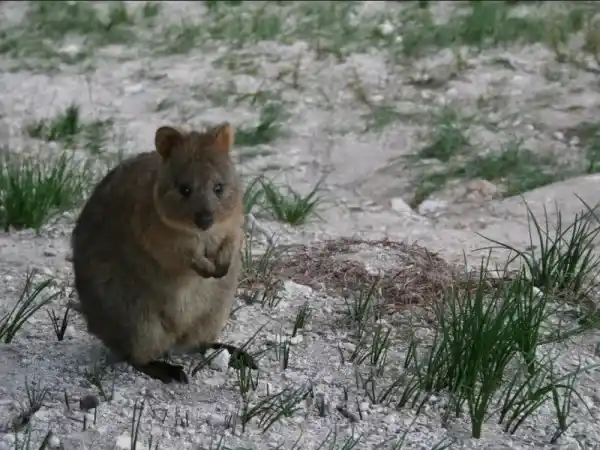
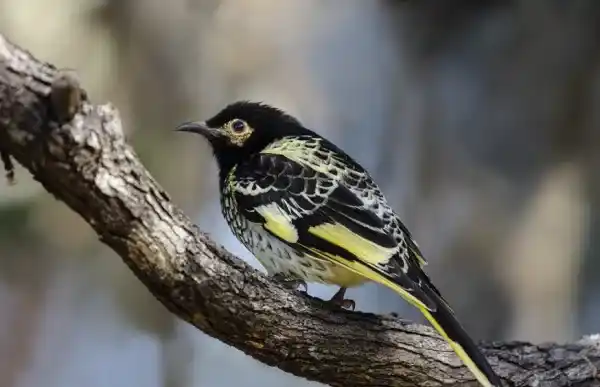
2. Regent honeyeater
The Regent's Honeylover (Anthochaera phrygia) is a brightly colored native Australian bird that primarily inhabits the southeastern forest regions. It is listed as critically endangered due to habitat loss, illegal trade, invasive species, and climate change. Research has also found that due to extremely small populations, many males are unable to learn the adult's calls, facing a "muteness" crisis that further impacts their reproductive capabilities.
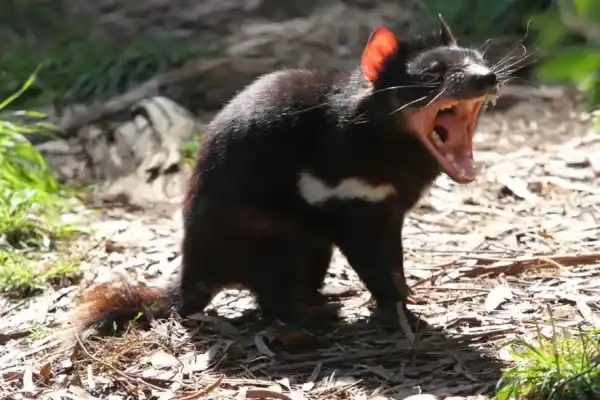
3. Tasmanian Devil
The Tasmanian devil (Sarcophilus harrisii) is a carnivorous, nocturnal marsupial endemic to the island of Tasmania. Its numbers have plummeted due to poaching and the introduction of exotic animals, leading to its endangered status. Furthermore, it is severely threatened by facial tumor infectious disease (DFTD), a rapidly spreading and highly fatal disease.
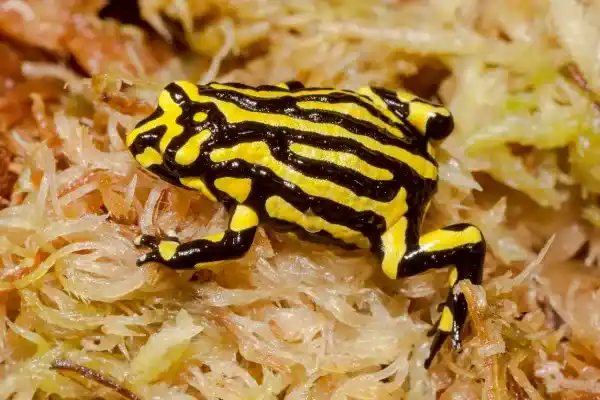
4. Corroboree frogs
Australia has two species of Corobori frogs: the southern species (Pseudophryne corroboree, critically endangered) and the northern species (Pseudophryne pengilleyi, endangered). They are distinguished by the yellow markings on their backs. Major threats include habitat destruction, invasive alien species, pollution, and climate change. Although both species appear similar, the distribution and size of the spots on their backs differ.
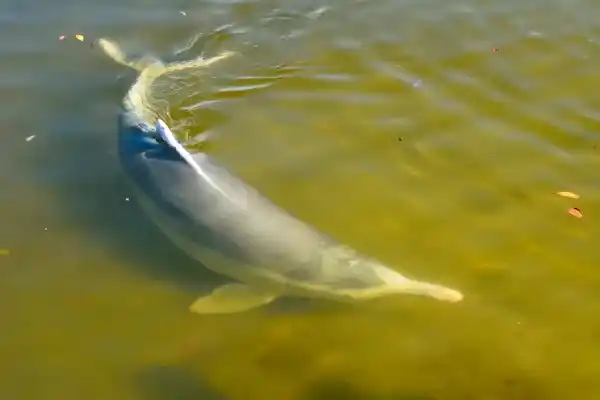
5. Australian humpback dolphin
This dolphin (Sousa sahulensis) inhabits the coastal areas of northern Australia and southern New Guinea and is listed as a "Vulnerable" species by the IUCN. Threats include port construction, marine pollution, bycatch in fishing nets, illegal hunting, and climate change. Due to its narrow habitat range, environmental degradation poses a significant threat to its survival.
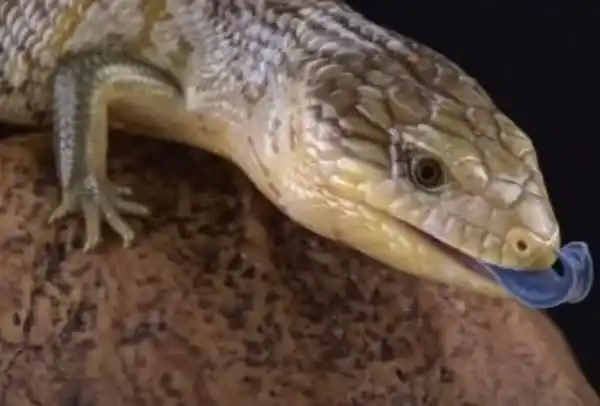
6. Blue-tongued lizard
The blue-tongued lizard (Tiliqua adelaidensis) was once thought to be extinct until its rediscovery in the Barossa Valley of South Australia in 1992. They live in pristine grassland spider burrows. Agricultural expansion, aquaculture pollution, and habitat destruction have once again put them at risk of extinction, leading to their listing as an "endangered" species.
Other endangered Australian animals
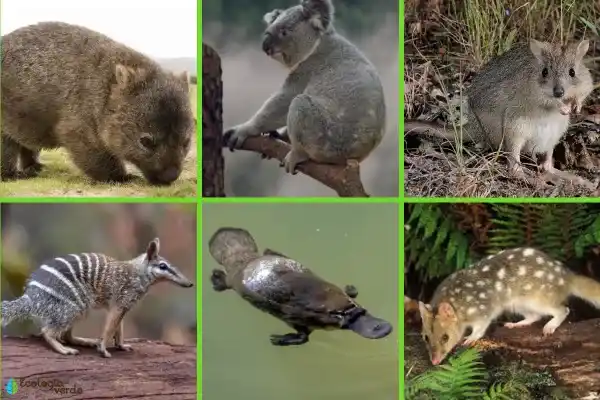
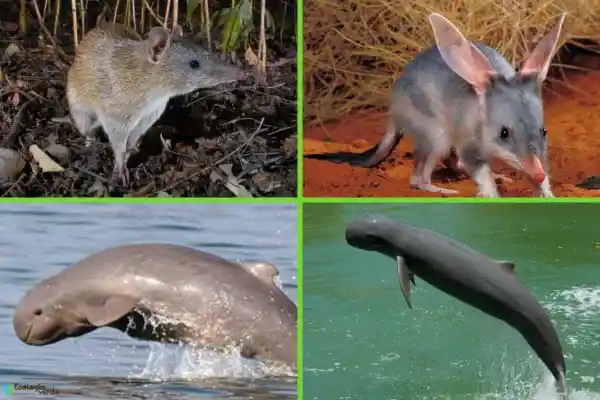
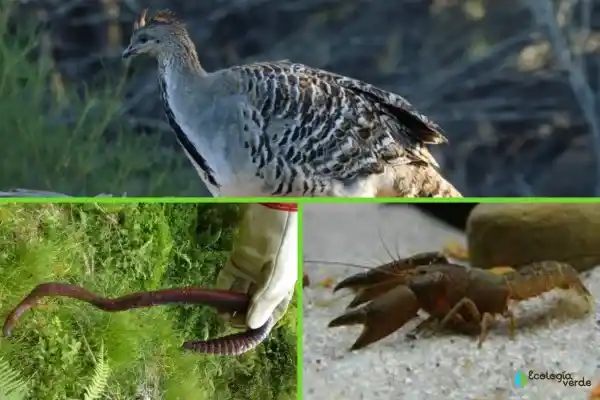
In addition to the six representative animals mentioned above, Australia has many other endangered or vulnerable species, including:
Northern wombat (Lasiorhinus krefftii)
Koala (Phascolarctos cinereus)
Northern kangaroo (Bettongia tropica)
Numbat (Myrmecobius fasciatus)
Platypus (Ornithorhynchus anatinus)
Eastern sable weasel (Dasyurus viverrinus)
Golden banded glove (Isoodon auratus)
Large-eared, long-nosed bilby (Macrotis lagotis)
Flat-finned dolphin (Orcaella heinsohni)
Irrawaddy dolphin (Orcaella brevirostris)
Australian pheasant (Leipoa ocellata)
Giant earthworm (Megascolides australis)
Freshwater rock crab (Tenuibranchiurus glypticus)
How can we help endangered animals in Australia?
Faced with increasingly severe ecological threats, each of us can do our part to protect Australia's endangered animals. Here are some practical suggestions:
Reduce your carbon footprint by choosing public transportation, energy-efficient appliances, and renewable energy sources to address climate change.
Avoid buying or supporting wildlife products : Refuse to buy endangered animals, illegal specimens, or animal organs from pet markets.
Engage with environmental organizations or make donations : Support non-governmental organizations or research projects dedicated to protecting Australia's ecology.
Promote environmentally friendly consumption : Use biodegradable packaging and choose eco-certified products to reduce pollution.
Report illegal hunting or habitat destruction .
Avoid introducing alien species : this has a devastating impact on the original environment and native species.
Drive policy change : Support the Australian government and local agencies in strengthening legislation and enforcement for the protection of endangered species.
If you would like to learn more about endangered animals, please visit our animal encyclopedia's "Endangered Animals" category to learn about and spread knowledge about protecting biodiversity. Protecting a species is protecting the future of an ecosystem.
References
IUCN Red List. Website: https://www.iucnredlist.org/