In today's world, we know of more than 9,000 different species of birds. It is heartbreaking that 139 bird species have disappeared from the earth in the last 2,000 years—a truly difficult situation to accept.

However, as human efforts to protect bird habitats have gradually intensified, the numbers of some rare bird species have begun to show an increasing trend, bringing us a glimmer of hope. China boasts many beautiful bird species, some of which are particularly striking.
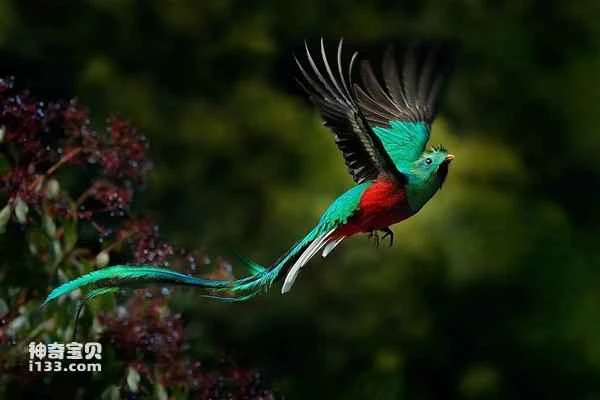
In China, the following are ten birds considered among the most beautiful: Crested Ibis, Green Peacock, Red-crowned Crane, Fairy Pitta, Blue-crowned Laughingthrush, Green-tailed Pheasant, and Brown Eared Pheasant. These birds are renowned for their unique appearance and captivating colors, offering a visual feast. Let's appreciate their beauty together.
1. Crested Ibis (Oriental Gem/Endangered/Internationally Protected Bird/Class I Protected Animal/CITES Class I Protected Animal)
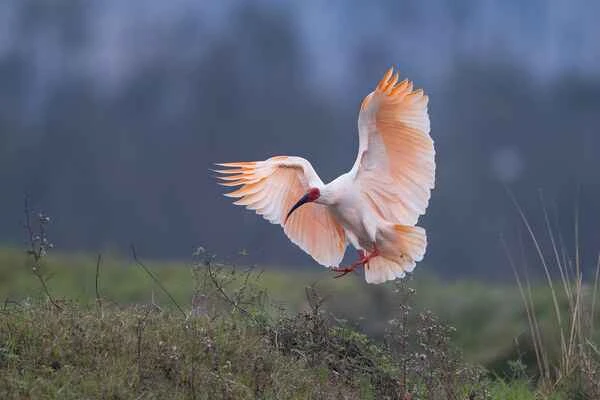
The crested ibis is widely regarded as one of the rarest birds worthy of observation, frequently appearing in lists of the top ten most precious birds. Its beautiful appearance has earned it the title of "Oriental Gem," and it is considered one of China's four national treasures, alongside the giant panda, golden monkey, and takin. This bird was once widely distributed in eastern China, Japan, Russia, and North Korea; however, due to environmental degradation and other factors, its population has drastically declined.
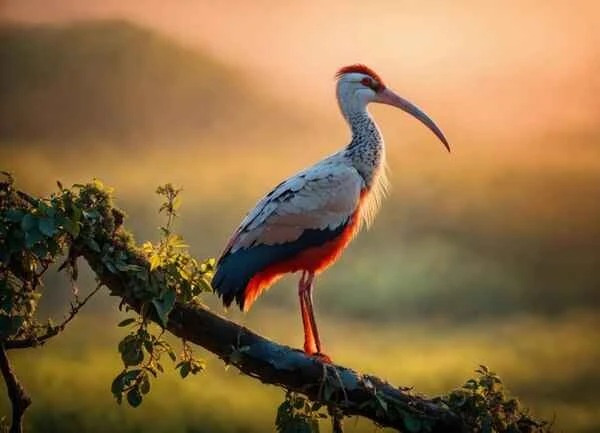
In 1960, the 12th World Congress of Ornithology listed the crested ibis as an "internationally protected bird"; at the same time, China also listed it as a national first-class protected animal. Thanks to the unremitting efforts of scientists and artificial breeding programs, the global crested ibis population has increased from only 7 individuals when it was discovered in 1981 to more than 7,000 in May 2021.
2. Green Peacock (King of Birds/Prototype of the Phoenix/Endangered/First-Class Protected Animal)
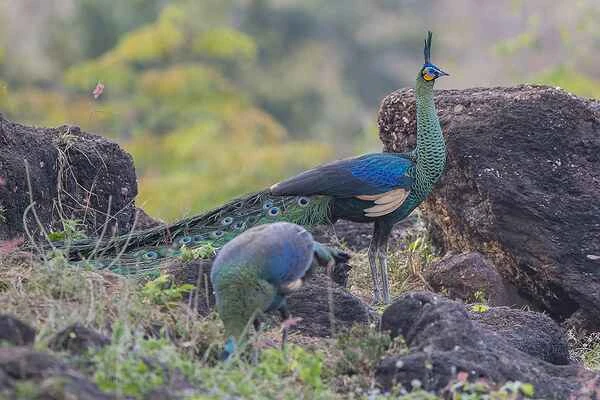
When it comes to beautiful birds, many people immediately think of peacocks, these magical creatures naturally ranking among the most beautiful birds in China. The green peacock, in particular, is extremely rare, with its tail feathers extending over a meter long. Each feather tip is shimmering with brilliant eye-like markings, forming a magnificent tail display that is truly eye-catching. The male peacock's plumage is vibrant and striking, while the female's plumage is somewhat plain, lacking the magnificent tail display; its main coverts are emerald green, its back is dark brown, and it has a tuft of upright feathers on its head.
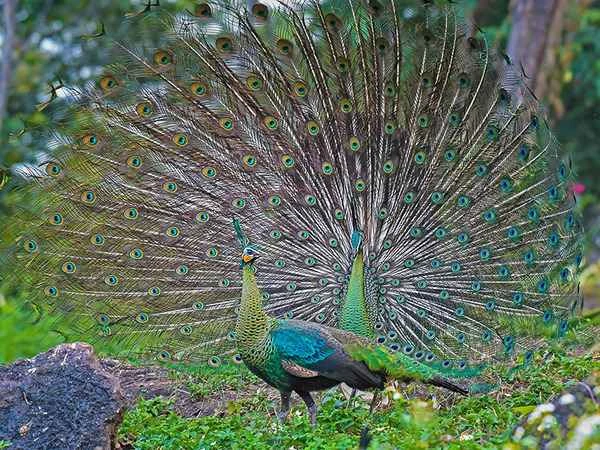
The green peafowl is found only in western, central, and southern Yunnan province in China. Data from 1995 showed an estimated 800 to 1100 individuals in Yunnan. However, by 2014, this rare bird had become extremely scarce. Without timely and effective conservation measures, the wild green peafowl in Yunnan could face extinction within the next decade.
3. Red-crowned crane (the fairy bird of the wetlands/endangered/first-class protected animal)
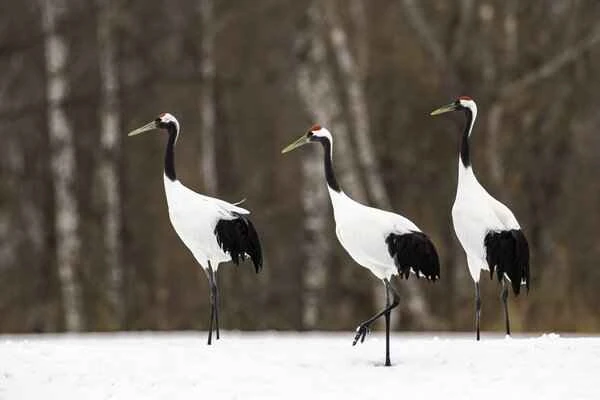
The red-crowned crane, a famous and rare bird, is commonly known as the fairy crane and is hailed as a symbol of good fortune, fidelity, and longevity. It is also a renowned auspicious bird in China, bestowed with the mythical title of "celestial bird." Because it primarily inhabits wetlands and marshes with abundant water, it is called the "spirit of the wetlands" and is one of the most beautiful ornamental birds, also listed as one of the world's ten rarest birds.
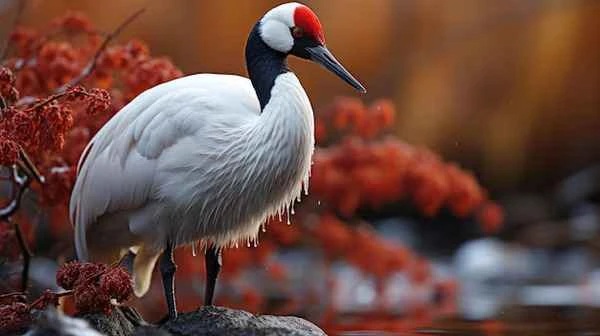
Currently, there are only about 2,000 red-crowned cranes left in the world, and they are listed on the IUCN Red List of Threatened Species, making them one of the most endangered species. The red-crowned crane is endemic to East Asia, with the largest population found in China. Eighteen nature reserves have been established in China primarily for the protection of red-crowned cranes, including Xianghai in Jilin, Dongting Lake in Hunan, Bird Island in Qinghai, and Poyang Lake in Jiangxi.
4. Fairy Pitta (the fairy bird of birds/vulnerable/second-class protected animal)
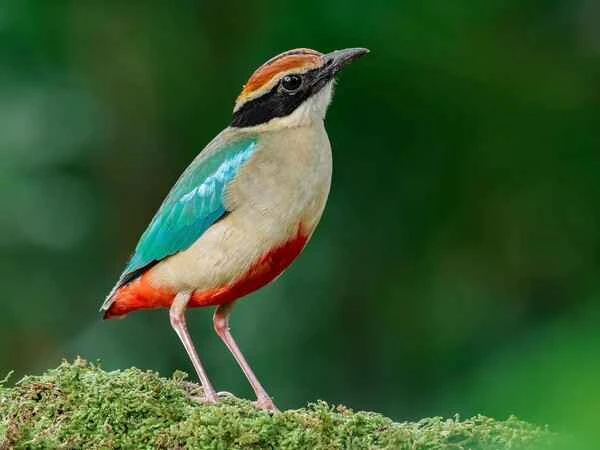
The Fairy Pitta, also known as the Eight-Colored Pitta, is one of the most colorful birds. Among the most beautiful birds in China, this bird, hailed as the "Fairy of Birds," is a rare gem, its vibrant colors rivaling those of hummingbirds, birds of paradise, and parrots, making it truly exquisite. It is mainly distributed in Japan, Korea, and eastern and southeastern China, migrating to Borneo in winter.
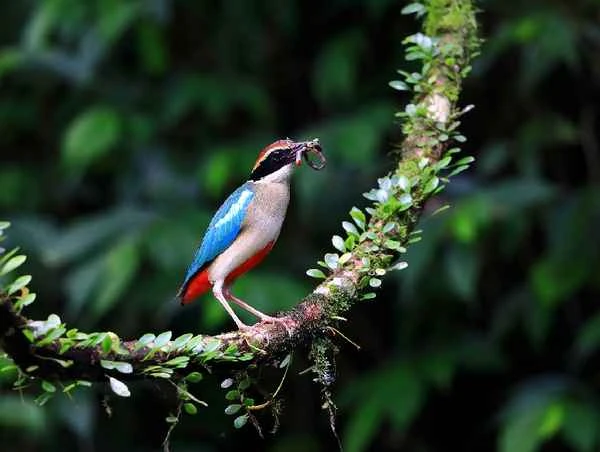
Despite the fact that the Yangtze River Delta region of China should be its breeding grounds, the Fairy Pitta is extremely rare, with fewer than 10,000 individuals worldwide. Historically, it has only been recorded in Nanjing. It is currently classified as a globally vulnerable bird species. Within China, it is estimated that approximately 100 to 1,000 pairs of Fairy Pittas breed, and 50 to 1,000 individuals migrate among them.
5. Blue-crowned Laughingthrush (The world's most mysterious bird/Critically Endangered/First-class protected animal)
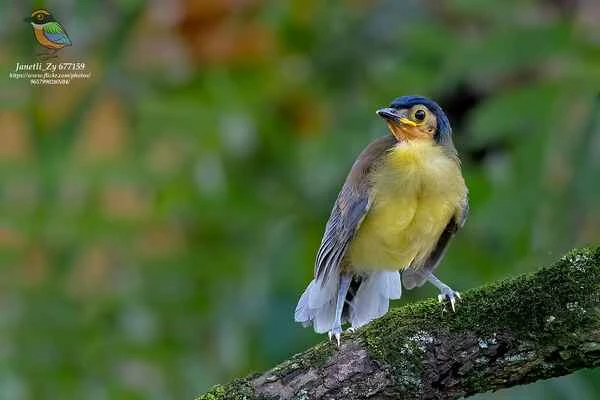
The Blue-crowned Laughingthrush is a bird species endemic to China and is hailed as "the world's most mysterious bird." These enigmatic birds are listed as Critically Endangered (CR) and classified as a Class I protected animal in China. It is estimated that only 200-300 individuals remain, making them one of the world's ten rarest bird species.
The Blue-crowned Laughingthrush has a graceful appearance, with a layer of blue feathers covering its head, resembling a "blue crown"; it also has an olive-green band on its shoulders and back; it has black facial features, blue and white tail feathers, and a bright yellow throat, and it emits a melodious and clear call.
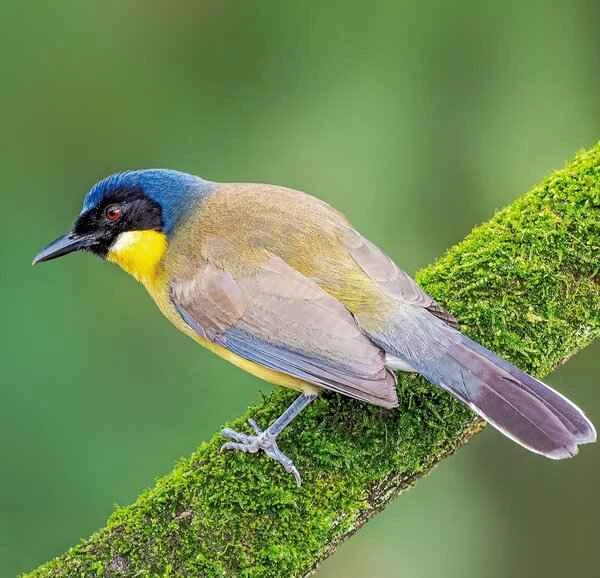
Blue-crowned Laughingthrushes prefer to nest in trees taller than 10 meters, typically found around or even within residential villages, in areas with well-preserved spruce forests. Wuyuan, Jiangxi Province, is their only surviving wild habitat. Wuyuan's four main habitats include Caomen Village in Taibai Town, Shimen and Moon Bay in Qiukou Town, and the forests near Hexi Village.
6. Green-tailed Monal (Queen of Birds/Class I Protected Animal/Vulnerable/CITES Appendix I Protected Animal)
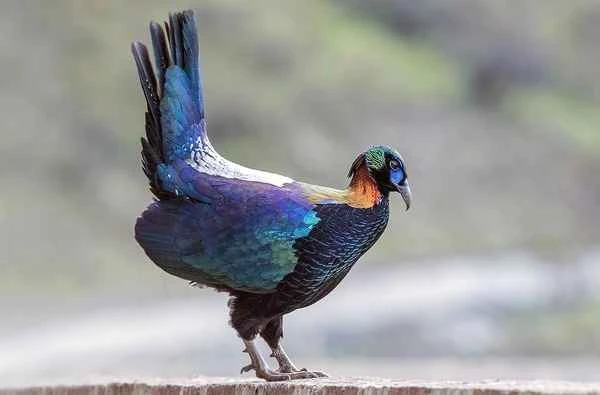
The Green-tailed Pheasant is a rare bird species endemic to China, with a population of fewer than 3,000, mainly distributed in the areas surrounding the Qinghai-Tibet Plateau. Their rarity rivals that of the giant panda, and they are considered one of the most precious and beautiful pheasant species globally, earning them the title of "Queen of Birds."
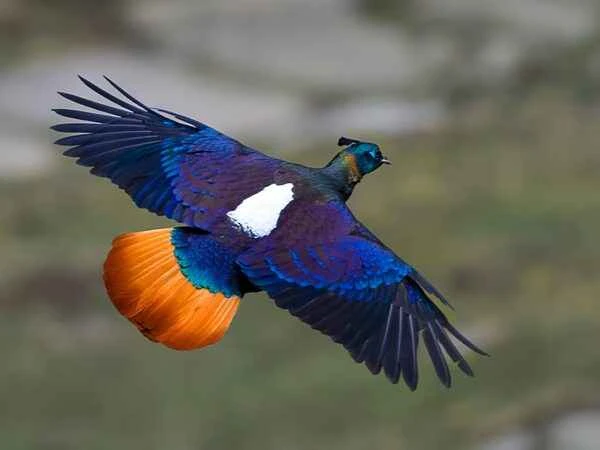
These green-tailed monal pheasants possess a dazzling array of colors, displaying an incredibly rich spectrum. The male's plumage is composed of ten different colors: a black tuft on the head, and a deep blue eye; from the beak downwards, the feathers gradually transition to a shimmering metallic emerald green; the back of the neck gleams with a bright coppery red, the upper body reflects a copper and bronze sheen, the lower back is snow-white, and the lower body is a bluish-green. Especially under sunlight, when the green-tailed monal takes flight, it resembles a living rainbow, transforming into a "rainbow bird," radiant and dazzling, making it one of the most beautiful ornamental birds.
7. Brown Eared Pheasant (Class I protected animal/Vulnerable)
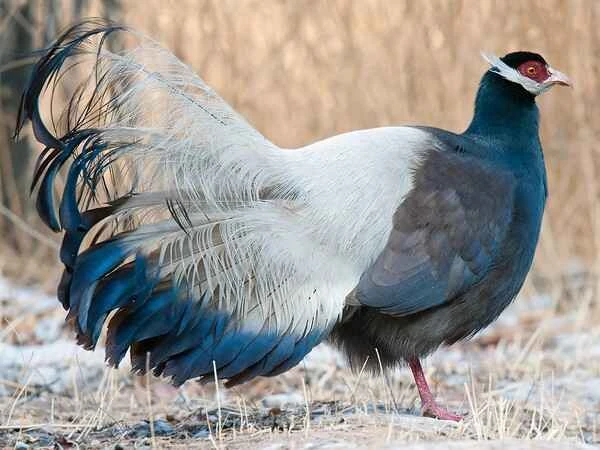
The brown eared pheasant, native to China, is a rare and precious bird, hailed as one of the most beautiful birds in the country. It measures approximately 60 centimeters in length, with a deep brown body, grayish-black markings on its head and neck, and a short, thick tuft of black down on its head resembling a crown. The pheasant's face and cheeks are bare and display a vibrant red, while its long, straight tail, a patchwork of white and blue, resembles a feather fan, making it exceptionally beautiful and captivating.
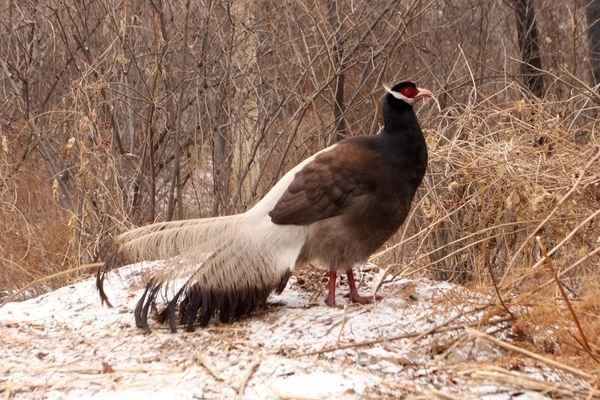
These brown eared pheasants primarily inhabit forests dominated by larch and spruce, especially thriving in secondary mixed coniferous and broad-leaved forests of larch, spruce, poplar, and birch in North China. Their distribution is limited to Shanxi, northwestern Hebei, Huanglong Mountain in Shaanxi, and Dongling Mountain in Beijing. A 1987 survey indicated a wild brown eared pheasant population of only a few hundred individuals. According to a 2009 report, the current wild brown eared pheasant population in China is approximately 17,900.
8. Oriental White Stork (National Treasure of the Bird World / World's First-Class Endangered Species / First-Class Protected Animal)
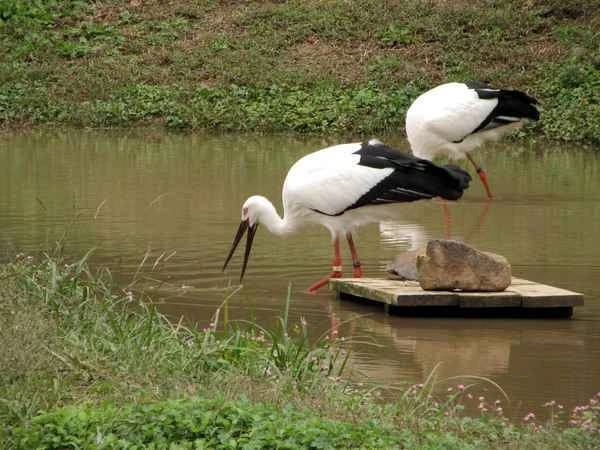
The International Council for Bird Conservation has listed the Oriental White Stork as a Class I endangered species and includes it in the Vulnerable category of the IUCN Red List of Threatened Species. In China, the Oriental White Stork is considered a Class I protected animal and is hailed as a "national treasure of the bird world." This graceful bird is mainly distributed in southeastern Russia and northeastern China. According to the latest data released by the National Forestry and Grassland Administration of China in 2021, the total population of Oriental White Storks in my country has exceeded 7,400.
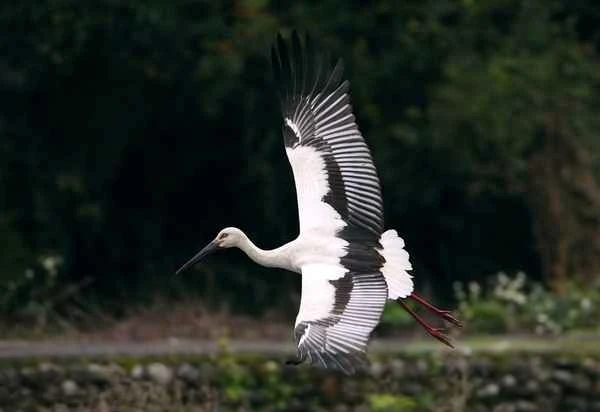
The Oriental White Stork is elegant and graceful, reaching over 1 meter in length with a wingspan exceeding 3 meters. Its feathers are pure white, with black patches on the sides of its wings, and its legs display a vibrant bright red. Its beak is black, tapering to a cone shape at the tip, while the bare areas around its eyes are a vivid red. These features contribute to the Oriental White Stork's graceful and captivating appearance; in flight, its outstretched wings resemble piano keys, a striking black and white contrast, making it one of China's most beautiful birds.
9. Hainan Peacock Pheasant (Class I protected animal/endangered)
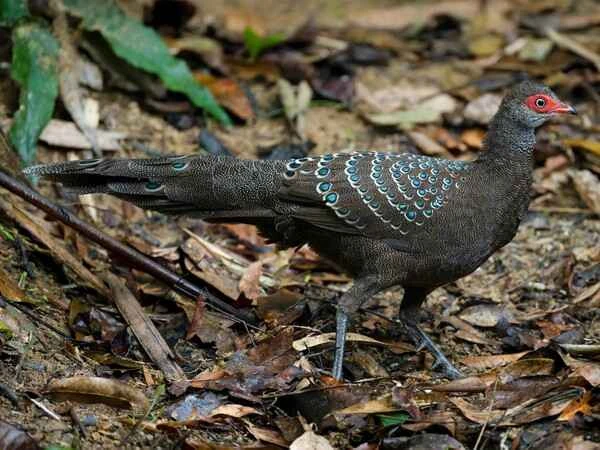
The Hainan Peacock Pheasant is a unique endemic species in China, mainly distributed in the rare mountain forests of southwestern Hainan Island. Their numbers are extremely limited, with a total population of no more than 2,700 on the entire island. They are classified as a globally endangered bird and are also a Class I protected animal in China.
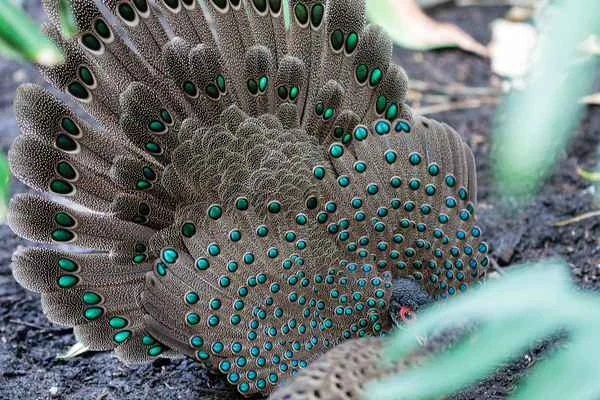
The Hainan peacock pheasant has soft feathers, typically brown or grayish-brown, covered with tiny, buff-yellow speckles. Its wings and tail are adorned with densely packed, metallic, eye-like patches, resembling a thousand eyes observing the world, displaying a dazzling and captivating luster in the sunlight. During the breeding season, the male Hainan peacock pheasant spreads its feathers, especially its tail feathers, creating a beautiful display, like a blooming flower showcasing its myriad beauties.
10. Light-vented Ibis (Near Threatened/Class I Protected Animal)
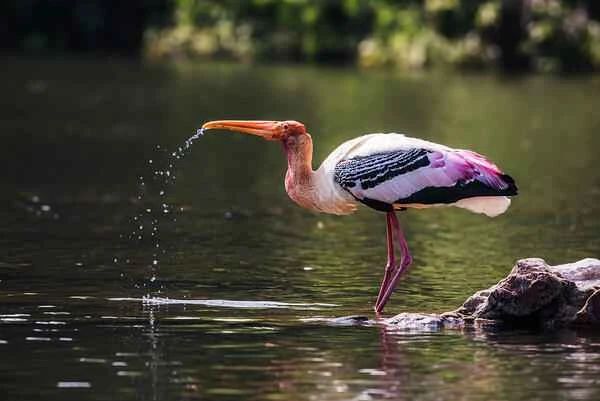
The White-headed Ibis, also known as the Painted Stork, is a rare and highly regarded species, listed as Near Threatened on the IUCN Red List of Threatened Species. In my country, it is classified as a Class I protected wild animal. This elegant bird is mainly distributed from India to southwestern China, and was once thought to be extinct in China.
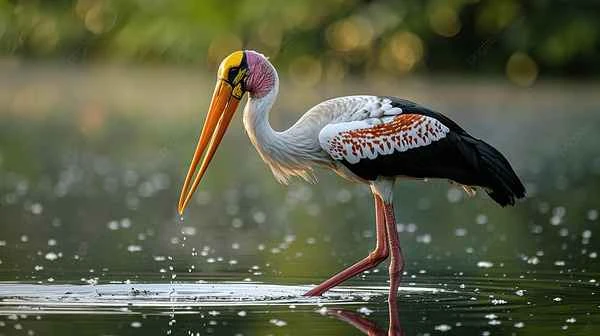
The white-naped ibis is renowned for its beautiful plumage and graceful posture, earning it the reputation as one of the most beautiful birds in the world. When at rest, the patterns on its plumage are incredibly vibrant and beautiful, resembling the colors of a traditional Chinese ink painting. Its flight feathers and tail feathers are black with a green metallic sheen, and its breast displays a broad black band that also has a green metallic sheen.
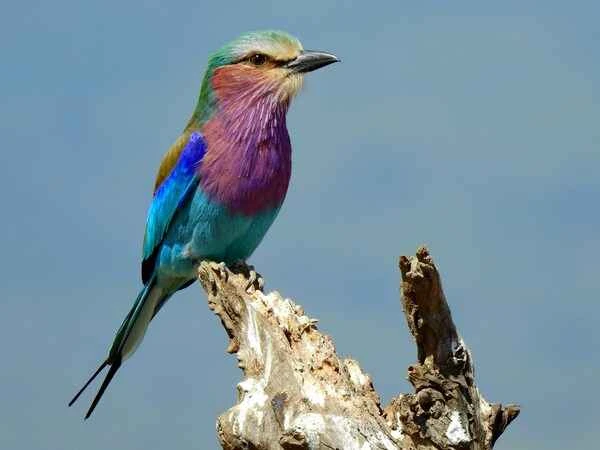
The selection criteria for China's top ten most beautiful birds are primarily based on their endangered status as listed in the IUCN Red List of Threatened Species and the endangered status listed in the China Red Data Book of Endangered Animals. The criteria consider rare birds that exist in sufficient numbers and scales and possess ornamental value. The selection process comprehensively considered factors such as animal appearance, endangered status, fame, and population size, and also incorporated information from relevant online rankings.
Some bird species were not included on this list because their numbers are quite small (less than 200 individuals) and they are difficult to observe. This list is for reference only. Please feel free to comment or offer criticism at the end of the article if you have any questions or comments.