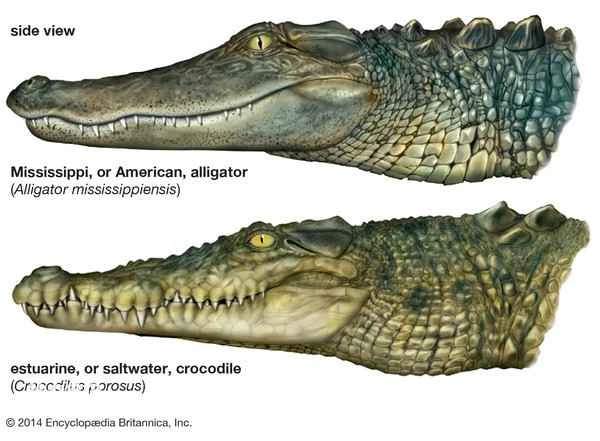
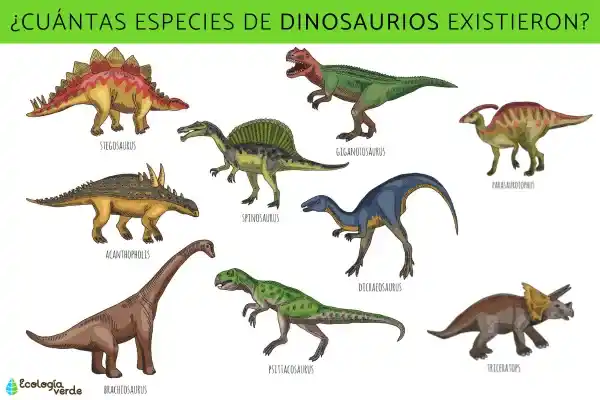
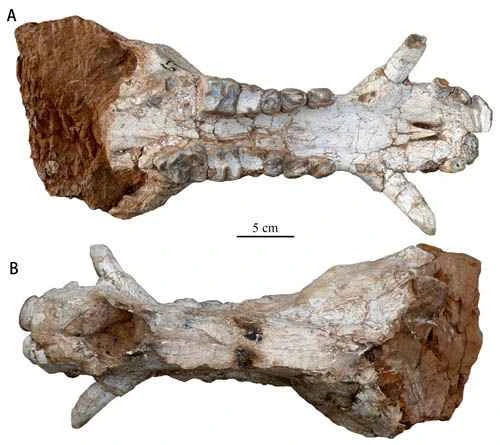
Crocodiles, ancient amphibians and reptiles that coexisted with dinosaurs, are hailed as "living fossils," with origins dating back over 200 million years and consistently maintaining superior survival abilities. Are you familiar with the world's crocodile species? This article introduces ten of the world's most well-known crocodile species, including the estuarine crocodile, gharial crocodile, Nile crocodile, Siamese crocodile, Malayan crocodile, Petén crocodile, Philippine crocodile, American alligator, caiman, and Chinese alligator. Let's explore the world of these ancient creatures together.

1. Ganges Crocodile
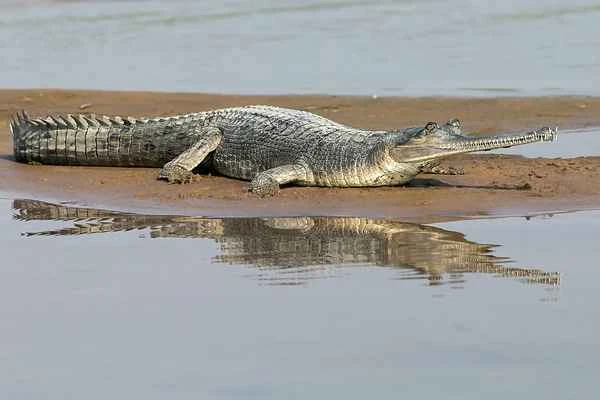
The gharial is a species of crocodile in the family Alligatoridae, belonging to the genus *Gharial*, and is one of the largest crocodiles in the world. Male gharials typically reach 5 to 6 meters in length and weigh between 159 and 250 kilograms; females are about 3.5 to 4.5 meters long and weigh approximately 100 to 130 kilograms. Gharials primarily inhabit rivers, ponds, swamps, and artificial waterways in India, Sri Lanka, Pakistan, and Nepal. Besides feeding on fish, they also prey on large mammals, including humans. However, gharials do not actively attack humans.
2. Estuarine Crocodile
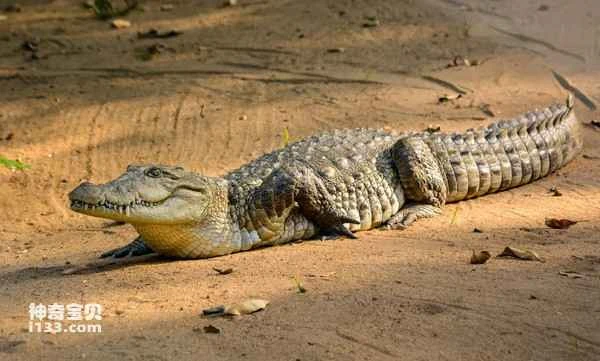
The saltwater crocodile, also known as the estuarine crocodile, is one of the 23 known species of crocodiles and one of the largest living reptiles on Earth. Adult saltwater crocodiles can reach 5 to 7 meters in length and weigh between 500 and 1400 kilograms. These crocodiles are fierce, powerful, and excellent swimmers. They have a wide distribution, mainly in Southeast Asia, South Asia, the Philippines, Papua New Guinea, the Malay Archipelago, and northern Australia. Saltwater crocodiles have an extremely broad diet, preying on fish, amphibians, reptiles, and large mammals. Sometimes they will even actively attack and prey on humans.
3. Nile crocodile
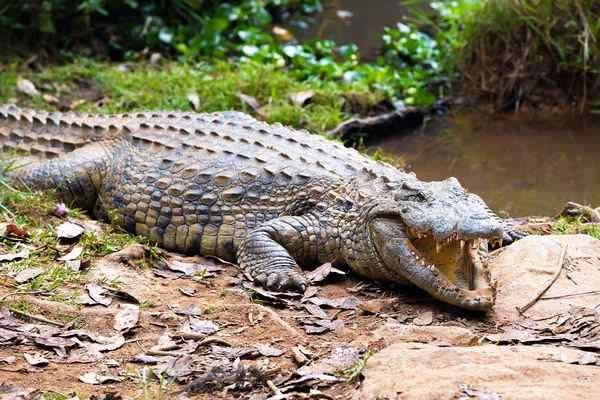
The Nile crocodile, also known as the African crocodile, is the largest reptile in Africa, reaching up to 6 meters in length and weighing up to 1 ton. It is among the most studied crocodiles globally. Nile crocodiles primarily inhabit the Nile River basin and southeastern Africa, and are also found on Madagascar. Their diet is quite diverse, ranging from antelope, zebras, and buffalo to even young hippos and elephants, as well as fish and birds. They sometimes even attack humans. Due to their large size, Nile crocodiles are often hunted for their leather and other products. They are not currently found in China.
4. Siamese crocodile
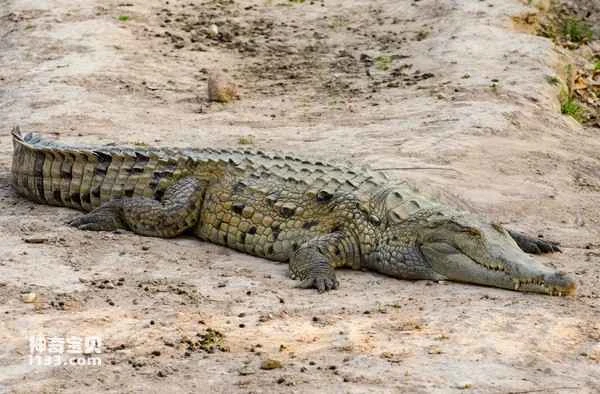
The Siamese crocodile is a medium-sized crocodile species. Adults can reach lengths of up to 4 meters, though some individuals reach 3 meters. Hatching crocodiles are approximately 25 centimeters long. Siamese crocodiles are renowned internationally for their leather, with the value of the pelt directly proportional to its size. Wild Siamese crocodiles are primarily found in Southeast Asia, including Borneo, Indonesia, Malaysia, Thailand, and Vietnam.
Siamese crocodiles play a top role in the food chain of wetland ecosystems. Juvenile individuals mainly feed on insects, amphibians, crustaceans, young reptiles, and fish, while adult individuals prey on larger animals. Although fish are their main food, they also prey on amphibians, reptiles, and small mammals.
5. Malayan crocodile
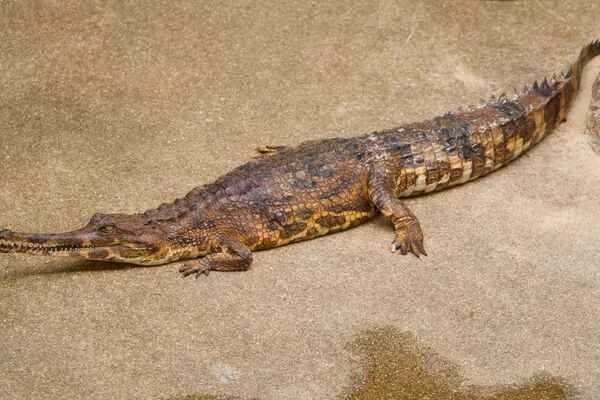
The Malayan crocodile, also known as the Malayan long-snouted crocodile, was once widely distributed, with records even dating back to southern China several centuries ago. Currently, this crocodile primarily inhabits freshwater swamps, lakes, and rivers in the Malay Peninsula, Kalimantan, Sumatra, and Java. The average length of a Malayan crocodile is about 3 meters, with some individuals reaching up to 4 meters. Although the Malayan crocodile is very similar in appearance to the Ganges crocodile, its head gradually tapers towards its snout, and male Malayan crocodiles lack the distinctive bulbous snout of the Ganges crocodile.
6. Petén Crocodile
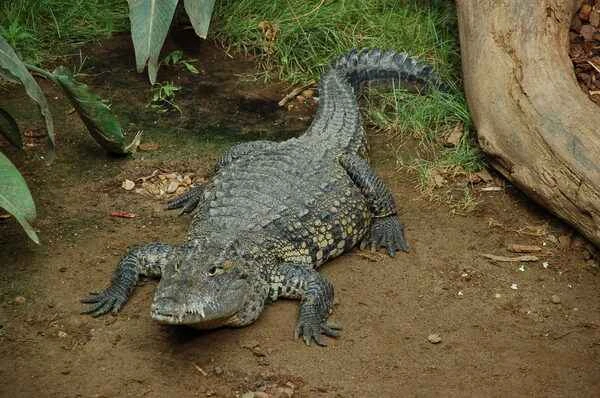
The Petén alligator, commonly known as the Central American alligator, Mexican alligator, or Belize alligator, is a medium-sized alligator with a relatively wide snout, measuring approximately 3 to 3.4 meters in length. It belongs to the smaller species, typically reaching around 3 meters in length. The Petén alligator has a broad snout and resembles the American alligator in appearance, but is usually darker in color, with grayish-brown stripes and spots on its body and tail.
This type of crocodile typically inhabits freshwater ponds, rivers, and swamps from southern Mexico to northern Guatemala, and sometimes appears in areas near the Atlantic coastline.
7. Philippine crocodile
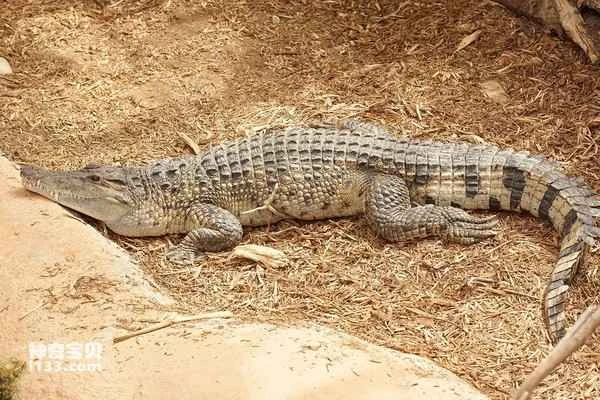
The Manila crocodile, also known as the Philippine crocodile, is a unique crocodile species found exclusively in the Philippine archipelago. It measures approximately 2.4 to 2.7 meters in length and weighs between 15 and 36 kilograms. Compared to other crocodiles, the Manila crocodile has a wider snout and a relatively smaller body, typically not exceeding 3 meters in length, with males generally being larger than females.
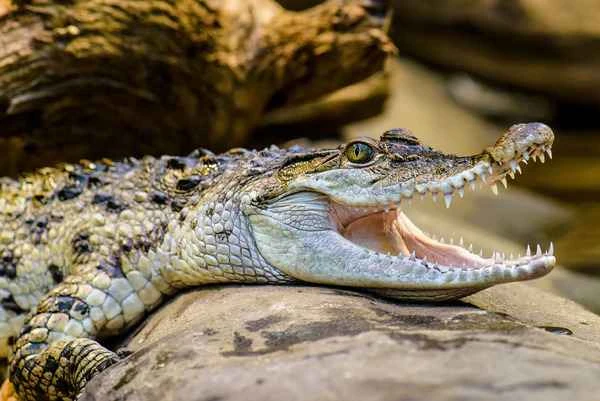
While not overly aggressive, this type of crocodile will bite when disturbed. The Philippine crocodile is listed as an endangered species; according to a 2008 ranking by the American website Live Science, it was among the world's top ten most endangered and rare animal species.
8. American alligator
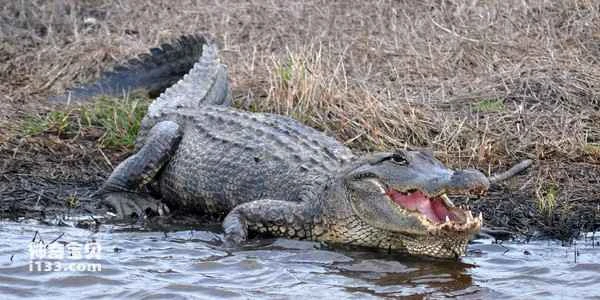
The American alligator, also known as the Mississippi River alligator, is a relatively large alligator species found in the Western Hemisphere, typically measuring between 1.8 and 2.7 meters in length. However, according to data from the Everglades National Park website, the largest alligator ever recorded in Florida reached 5.3 meters, while the largest American alligator ever found was found on Wetlands Island near Lake Washington in Louisiana, measuring 5.8 meters. This demonstrates the American alligator's potential for further growth. The American alligator is primarily found in the large rivers and inland lakes of the United States and is endemic to the country.
9. Caiman
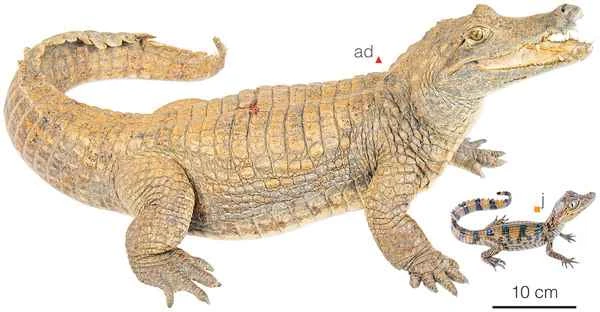
Caimans are animals belonging to the genus *Caimanus* in the family Alligatoridae, and are a type of small to medium-sized crocodile. Compared to other crocodiles of similar size, caimans have a weaker bite force because their jaw muscles are not as developed when they open their mouths, making it easy for an adult male to prevent them from opening their mouths. This weakness is a key advantage for crocodile hunters. Common caimans can reach a maximum length of 2.5 meters, while adults typically range from 1.5 to 2 meters in length. They are mainly distributed in rivers in Central and South America.
10. Yangtze alligator
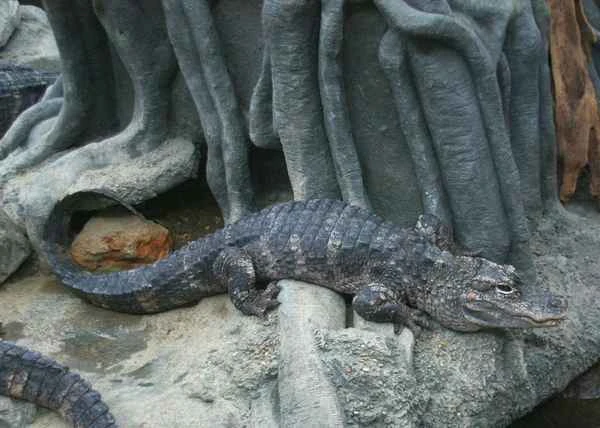
The Chinese alligator, commonly known as the tuó, is a species of crocodile in the family Alligatoridae, genus Alligator. It is listed as a Class I protected animal in my country. As a species endemic to China, the Chinese alligator is also one of the smallest crocodiles in the world. Its current population is scarce and endangered, making it one of the world's most critically endangered reptiles. Possessing many unique characteristics of dinosaur-like reptiles, the Chinese alligator is hailed as a "living fossil." Therefore, studying the Chinese alligator is of great significance for exploring the rise and fall of ancient reptiles, paleogeology, and biological evolution.