Mexico, located in North America, covers an area of over 1.96 million square kilometers and has a population of approximately 127 million. This country not only boasts a rich cultural heritage but is also one of the world's most biodiverse regions. Due to its diverse geography, including mountains, volcanoes, grasslands, rainforests, arid deserts, and a long coastline, it has fostered a vast array of plant and animal species.
However, like many countries around the world, natural evolution and human activities have placed enormous pressure on ecosystems. Mexico currently has over 2,500 species protected by law, but many more are on the verge of extinction. Without proactive measures, Mexico will lose even more unique and precious biological resources.
This article will introduce you to 25 endangered animals in Mexico , why they are threatened, and the importance of protecting these species.
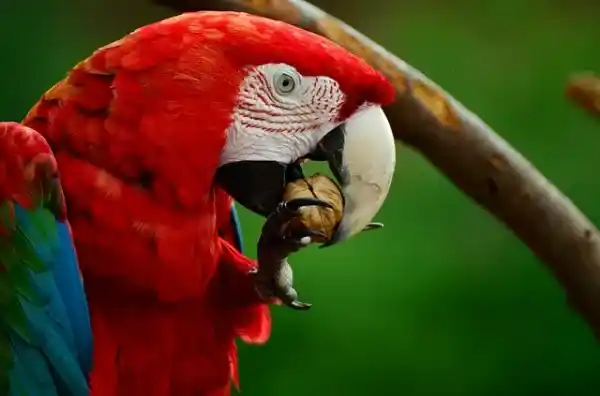
1. Red-crowned macaw (Guacamayo rojo, Ara chloropterus )
The scarlet macaw is one of the most striking parrots in tropical America, primarily found in the Mexican states of Veracruz, Oaxaca, Tamaulipas, Campeche, and Tabasco. While a large population still exists in South America, its wild numbers in Mexico have drastically declined, with only about 20,000 to 30,000 remaining.
Cultural significance : In Mayan mythology, it is a symbol of the god Vucub-Caquix.
Key threats : habitat loss and illegal hunting.
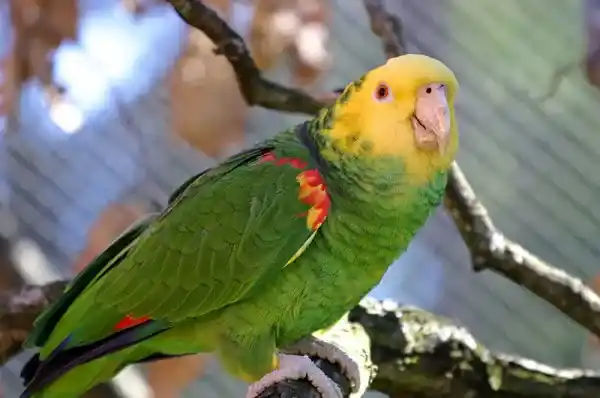
2. Yellow-headed Amazon Parrot (Amazona oratrix)
This parrot gets its name from its bright yellow head feathers; its body is predominantly green, with blue and red feathers on its wings. It is one of the parrots most adept at mimicking sounds, making it extremely popular in the illicit pet trade.
Current situation : The population size is declining sharply.
Threats : poaching, smuggling and habitat destruction.
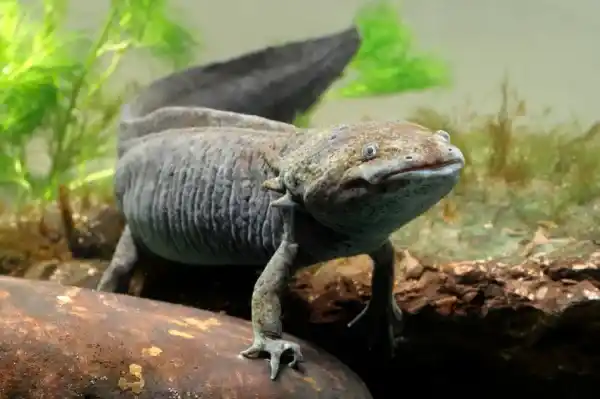
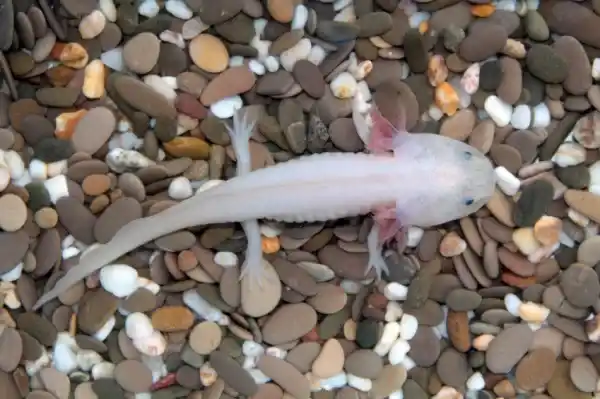
3. Mexican newt (Ajolote, Ambystoma mexicanum )
Also known as the "lake monster," it is a very special amphibian with external gills and a tail, resembling a large tadpole with legs. It has been listed as a critically endangered species , and currently, wild individuals can only be found in the Sochimilco Lake region near Mexico City.
Threats : Water pollution, invasive alien species, habitat loss.
Popular science value : It has extremely strong regenerative ability and is an important subject of biomedical research.
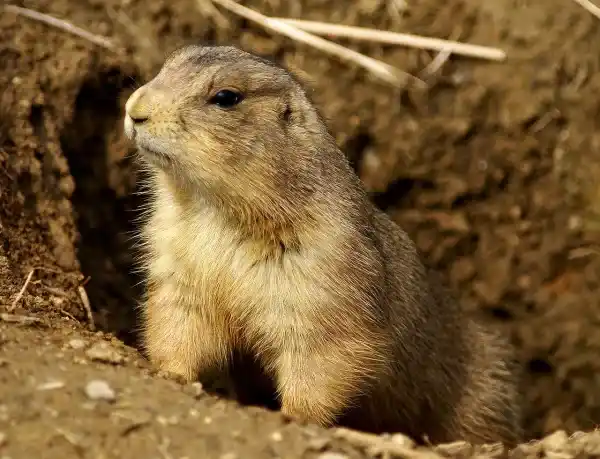
4. Mexican Prairie Dog (Perrito de la pradera mexicano, Cynomys mexicanus )
A small rodent that lives in underground burrows and is native to the states of Coahuila and the Saltillo region.
Threats : Farmers hunt them for fear of damaging crops, while grassland environments continue to be polluted and developed.
Current situation : Wild population unknown, extremely rare.
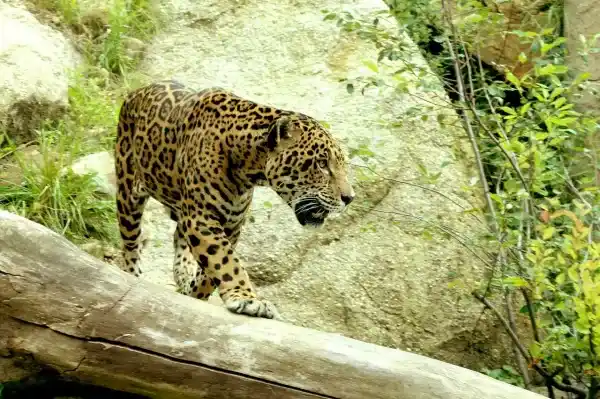
5. Jaguar ( Panthera onca )
As the largest cat species in the Americas, the jaguar still has about 15,000 individuals in Mexico, but the number is declining year by year.
Cultural significance : In pre-Spanish colonial Mexican culture, the jaguar was a symbol of strength and protection.
Threats : Deforestation, wetland loss, poaching.
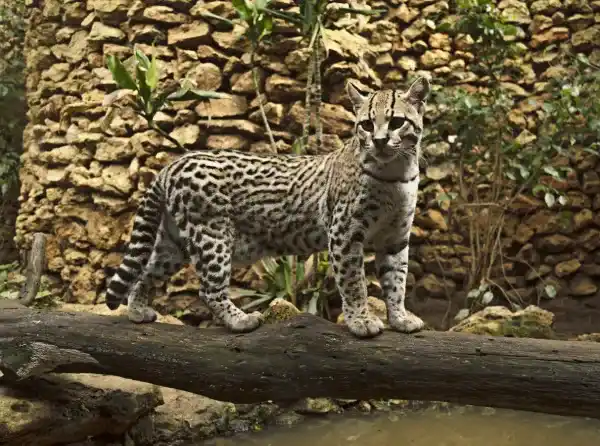
6. Ocelote, Leopardus pardalis
Resembling a small jaguar in appearance, with gorgeous fur, it is commonly found in the forests of Chiapas.
Current situation : The global number is still acceptable, but it continues to decline in Mexico.
Main causes : fur trade, habitat destruction.
7. Black bear (Oso negro, Ursus americanus )
This is the last surviving bear in Mexico. While their numbers have generally increased in North America, they have plummeted in Mexico.
Threats : Poaching and habitat loss due to environmental change.

8. Vaquita marina ( Phocoena sinus ) of the Gulf of California
The world's rarest cetacean species, currently found only in the Gulf of California.
Current status : Listed as critically endangered , with fewer than 20 individuals remaining in the wild.
Threat : Accidental catching in fishing nets is the main cause.

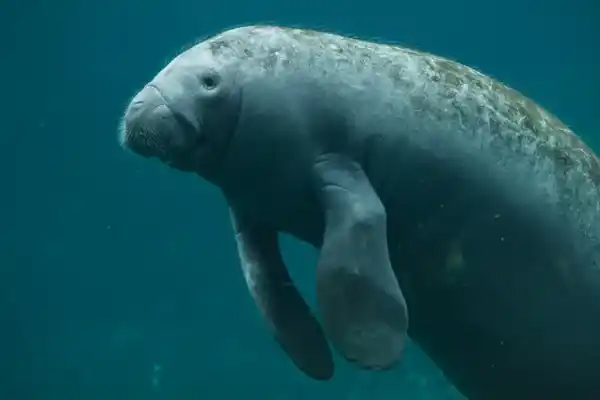
9. Antilles manatee (Manatí de las Antillas, Trichechus manatus )
Its distribution ranges from the Gulf of Mexico to the mouth of the Amazon River.
Current situation : It has been listed as "near endangered" in Mexico, and its numbers are declining year by year.
Ecological role : Maintains the ecological balance of aquatic areas by consuming aquatic plants.
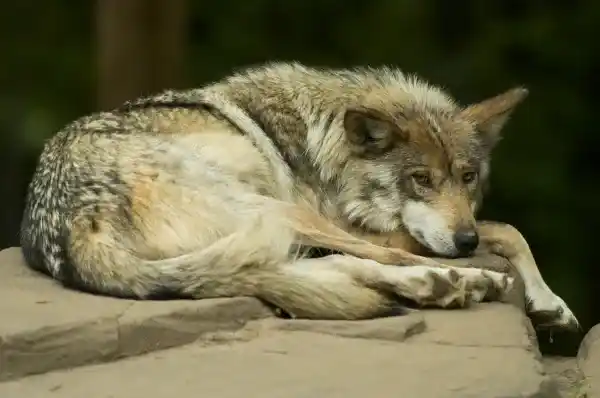
10. Mexican Grey Wolf (Lobo gris mexicano, Canis lupus baileyi )
A unique subspecies of the gray wolf, it is a top predator native to Mexico.
Cultural significance : In Aztec mythology, it is associated with the god of fire and the underworld.
Current situation : The total number of wild and captive individuals is only about 520.
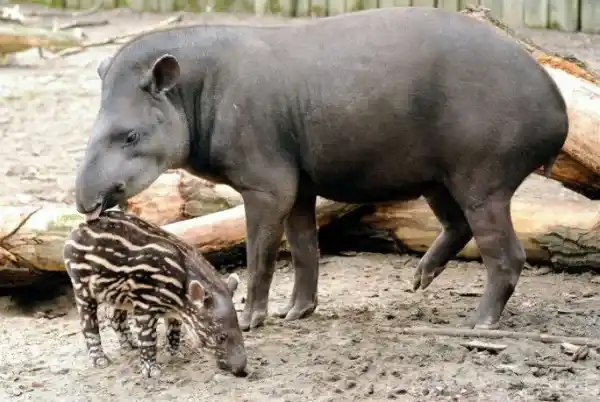
11. Central American tapir (Tapir centroamericano, Tapirus bairdii )
It is distributed in southern Mexico and Central America.
Number : Only about 1,500 in the wild.
Ecological value : It acts as a "forest gardener," spreading plant seeds through its feces.
Threats : Deforestation and disease.
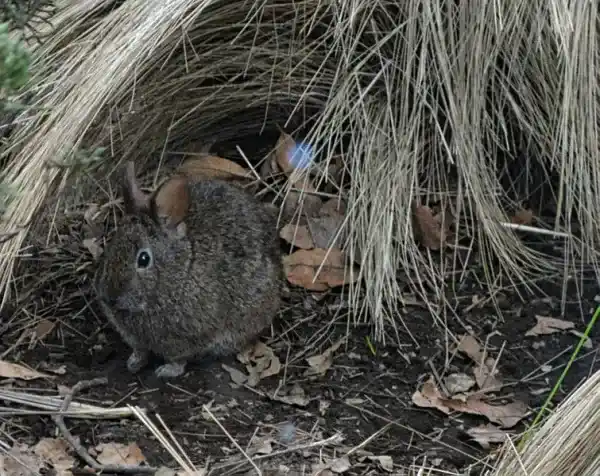
12. Volcano rabbit (Teporingo o conejito de los volcanes, Romerolagus diazi )
A small rabbit species that lives in the highlands of the Mexican volcanic zone.
Current situation : The habitat is severely fragmented, and the population is scattered and sparse.
Main threats : deforestation and environmental pollution.
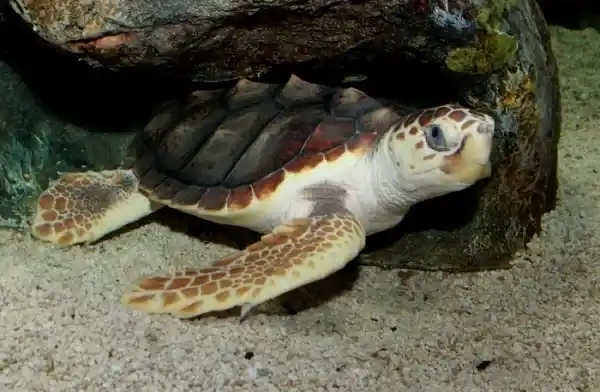
13. Red Sea Turtle (Tortuga caguama o boba, Caretta caretta )
A widely distributed sea turtle, but its population is declining in Mexico.
Current situation : Vulnerable globally, with only about 60,000 females nesting on beaches in Mexico each year.
Threats : by-catch of fish, poaching of eggs and shells, and plastic pollution.
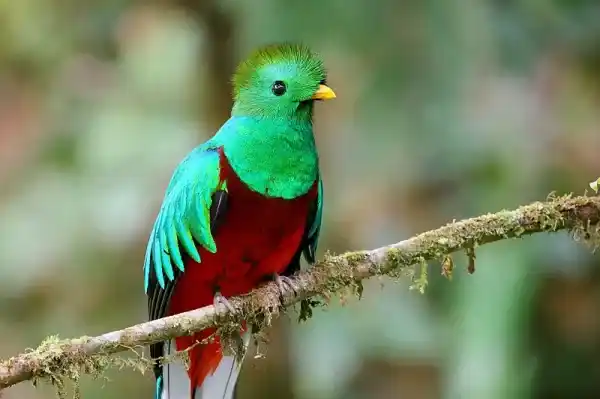
14. Quetzal ( Pharomachrus mocinno )
It is hailed as the most beautiful bird in Central America.
Current status : It is an endangered species in Mexico.
Threats : Deforestation, wildfires, illegal hunting.
Other endangered or vulnerable animals
Mexican giant tortoise ( Gopherus flavomarginatus )
Giant frog ( Eleutherodactylus grandis )
Cryptotis nelsoni (Tustralasian shrew)
Mexican curly-haired follicle mouse ( Orthogeomys lanius )
San Jose Island Rabbit ( Sylvilagus mansuetus )
Cozumel raccoon ( Procyon pygmaeus )
The Imperial Woodpecker ( Campephilus imperialis )
In addition, there are many other unique bird species and fish species.
The main reasons for the endangerment of Mexican animals
Natural factors : the process of species evolution, new diseases.
Environmental damage : deforestation, urbanization, and climate change.
Human factors : poaching, illegal pet trade, and tourism interference.
Human-wildlife conflict : Retaliatory killings triggered by the predation of livestock.
Possible consequences
Ecological imbalance : predation chains and vegetation dispersal patterns will be disrupted.
Cultural loss : Many species held important symbolic significance in ancient cultures such as the Maya and Aztec.
Biodiversity loss directly leads to weakened ecosystem resilience.
What can we do?
Support conservation organizations : Help nature conservation through volunteering or donations.
Reduce pollution : Practice low-carbon, recycling and zero-waste living.
Adhere to ecotourism guidelines : Respect nature reserves.
Report poaching and smuggling : Assist law enforcement agencies in protecting wildlife.
Summarize
Mexico is one of the world's most biodiverse countries, but this natural treasure is facing enormous threats. From brightly colored parrots to powerful jaguars, from rare salamanders to mysterious volcano rabbits, many species are teetering on the brink of extinction. Protecting them is not only about maintaining the balance of nature, but also about safeguarding human culture and the future.