Colombia is renowned not only for its tropical climate, culture, and cuisine, but also for its astonishing biodiversity. From the Andes Mountains, Amazon rainforest, cloud forests, and savannahs to the Pacific and Caribbean coasts, diverse ecosystems have shaped a vast array of unique native wildlife. Below is a systematic overview of 23 species endemic or highly endemic to Colombia and neighboring regions , covering mammals, birds, reptiles, and amphibians.
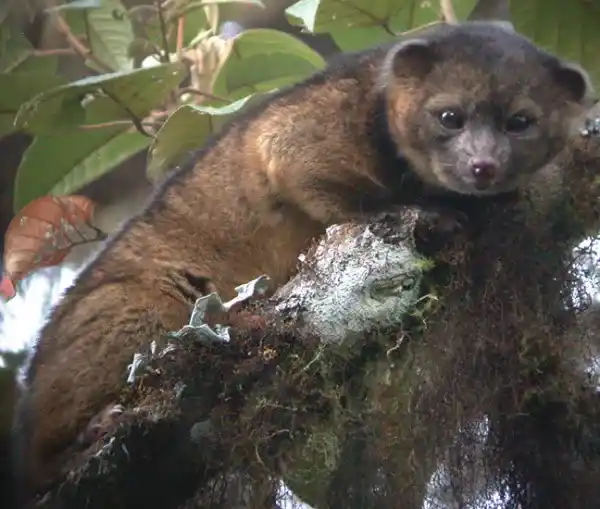
1) Olinguito
Scientific name: Bassaricyon neblina | Class: Mammalia / Family: Raccoon
Distribution and habitat : Cloud forests in Colombia and Ecuador (cloudy, humid, medium to high altitude).
Physical characteristics : Weighs approximately 900 g , has large eyes, a plush appearance, and is nocturnal and arboreal.
Habits and diet : Primarily feeds on fruits , but also consumes nectar and insects ; mainly solitary with a small range of activity.
Conservation advisory : Cloud forest fragmentation and the illegal pet trade may pose potential threats.
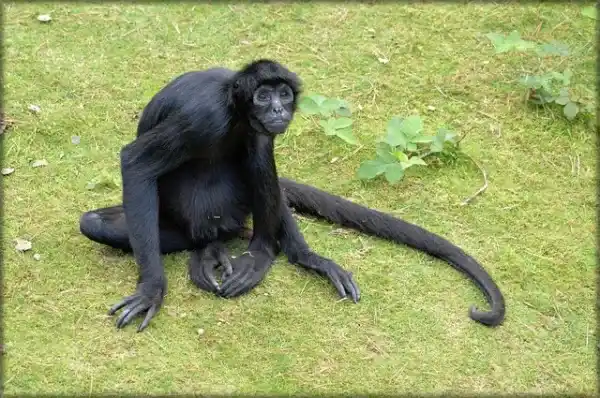
2) Colombian spider monkey
Scientific name: Atels fusciceps rufiventris | Group: Mammalia / Capuchinidae
Distribution and Habitat : Colombian moist forests, fog forests and seasonally dry forests , up to 2,000 m+ .
Morphological features : Long limbs, hooked hands without a thumb , and bare skin patches at the end of the tail that are curled up to grasp objects ; individual variations exist. Weight can reach ~9 kg .
Social structure : Large group size (about 30 individuals), often splitting into smaller foraging groups of 3–4 individuals.
Diet : Primarily fruits , but also seeds, bark, leaves, flowers, and insects.
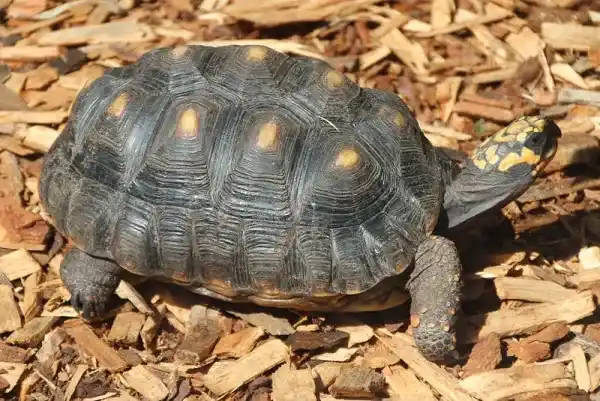
3) Red-legged tortoise (Morrocoy)
Scientific name: Chelonoidis carbonaria | Class: Reptilia / Family: Testudinidae
Distribution and Habitat : South American tropical rainforests, savannas and grasslands , widely distributed in Colombia.
Key identification features : Black carapace with orange-red spots , head and limbs also have red and orange spots; body length 30–35 cm , males are larger .
Daily routine and diet : Diurnal ; mainly herbivorous , but also eats fungi, fallen fruit and small invertebrates, and occasionally carrion.
Threats : Overhunting for food, habitat loss and the pet trade .
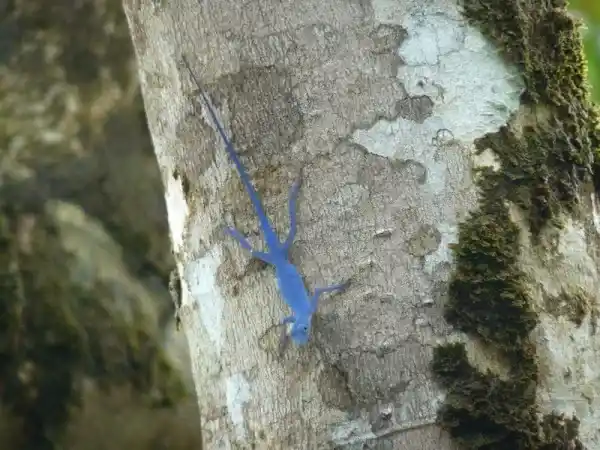
4) Gorgona Blue Lizard
Scientific name: Anolis gorgonae | Group: Reptilia / Chameleonidae
Distribution and habitat : Endemic to Gorgona Island, Colombia , inhabiting rainforest trunks.
Key identification features : A captivating blue color throughout ; small size; insect-eating.
Conservation status : Endangered ; mainly due to deforestation and invasion by alien predators (such as the red-crowned basilisk ).
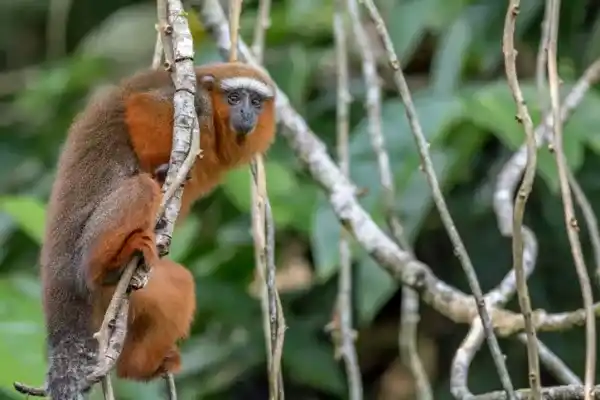
5) Ornamental tamarin ("White-handed tamarin" or "Zocay")
Scientific name: Callicebus ornatus (= Plecturocebus ornatus) | Class: Mammalia / Sakiciformes
Distribution and Habitat : Moist forests in western Meta Province , Colombia.
Key identification points : "White hands and feet" as if wearing gloves; soft and fluffy fur; weight approximately 1 kg .
Behavioral ecology : Solitary small families ( 2–4 individuals, usually parents and 1–2 offspring); strong long-distance jumping ability; use calls to mark territory and groom each other to maintain relationships.
Conservation status : Vulnerable (VU) .
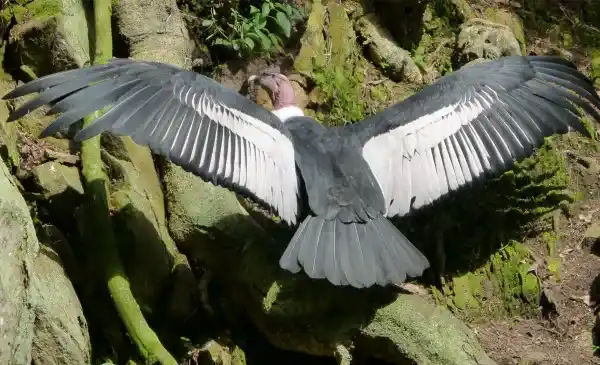
6) Andean Condor (Colombia's national bird)
Scientific name: Vultur gryphus | Class: Aves / Family: Vulture
Distribution and Habitat : Found in countries along the Andes Mountains (including Colombia), mostly in high mountains and valleys .
Extreme size : The largest wingspan among non-seabirds , reaching ~3.4 m ; males weigh ~15 kg . Black body plumage, with white rings around the neck.
Ecological role : carrion feeder ; can glide for 1 hour with almost no wing flapping, excellent eyesight to search for carcasses.
Threats : Hunting and the feather trade have led to a clear trend of endangerment for regional populations.
7) Spectacled Bear (Andean Bear)
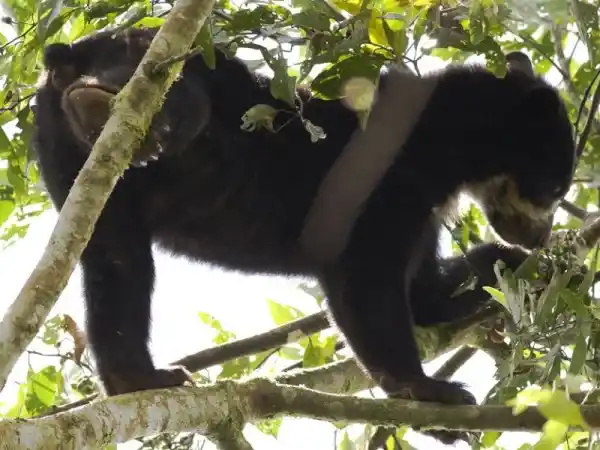
Scientific name: Tremarctos ornatus | Class: Mammalia / Family: Ursidae
Distribution and habitat : Moist forests and cloud forests in the Andes Mountains .
Key identification points : The area around the eyes is pale yellow or milky white , resembling "glasses," and the pattern of the spots varies from person to person ; the body length is 1.3–1.9 m , and the weight is 80–125 kg .
Habits : Diurnal, good at climbing trees, solitary ; keen hearing.
Diet : Omnivorous , mainly plant-based .
Conservation status : Vulnerable (VU) .
8) Prince Alcabuco Hummingbird (Black-Purple Hummingbird)
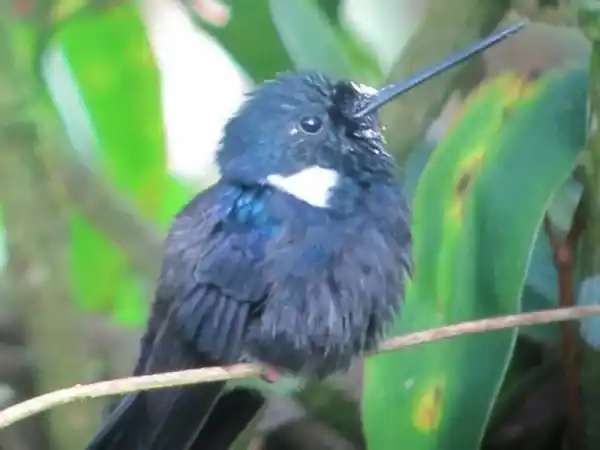
Scientific name: Coeligena prunellei | Class: Aves / Family: Hummingbirds
Distribution : Endemic to a narrow range on the western slopes of the Eastern Cordillera in Colombia.
Key identification features : Body length approximately 10 cm ; main body black with white spots on the sides of the chest; shoulders and throat with blue-green iridescence .
Energy science : It has extremely high daily energy consumption, visiting flowers up to 2,200 times a day ; it mainly feeds on nectar and also consumes small arthropods.
9) Kauca Valley "Ruby" Poison Dart Frog
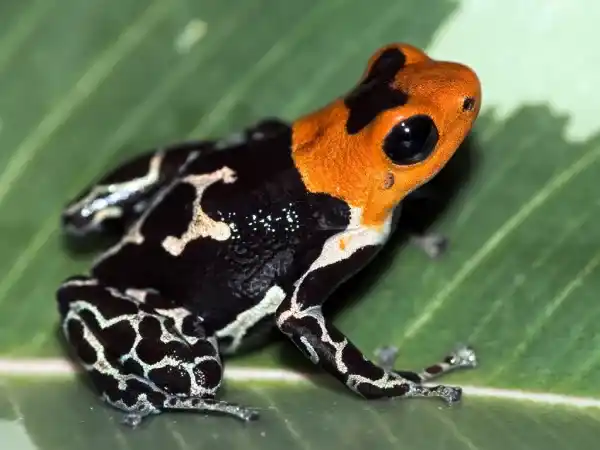
Scientific name: Minyobates bombetes (common synonym: Andinobates bombetes) | Group: Amphibia / Tree frog family (poison dart frog subgroup)
Distribution : Colombian Andes region (western Cordillera and western slopes of the central Cordillera in the Cauca Valley).
Size and color : Male ~17 mm , female ~18 mm ; base color black/brown/purple , with bright orange-red stripes on the sides, warning coloration indicating skin toxins.
Daily routine : Diurnal ; Although its distribution range is not extremely narrow, habitat loss and the illegal pet trade have led to its classification as Vulnerable (VU) .
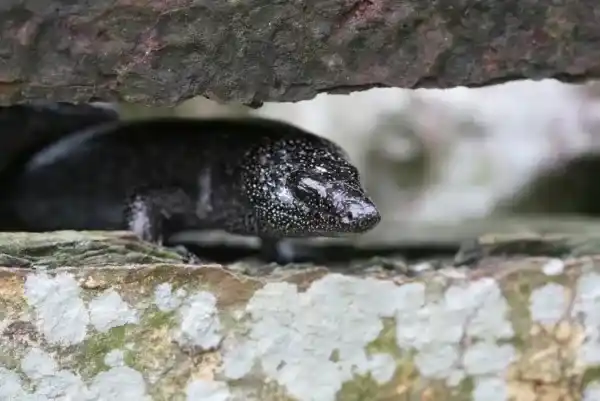
10) Spotted lizard (Mapelo spotted lizard)
Scientific name: Diploglossus millepunctatus | Group: Reptilia / Alligatoridae
Distribution : Endemic to Mappelo Island, Colombia .
Body length : Adults ~18–36 cm (including tail). Short limbs , stout body.
Diet : An omnivorous predator that feeds on insects, crabs, worms , and occasionally on organic debris such as feathers.
Regenerative ability : It can regenerate its tail after it is severed , and it can also regenerate its teeth after they are lost .
Note : Although not as large as a monitor lizard, it has a voracious appetite and plays a crucial role in the ecological niche.
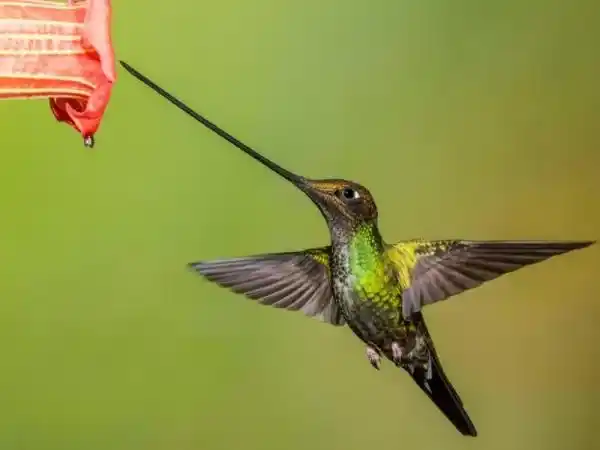
11) Andean decorative hummingbird (supplementary)
Scientific names: Ensifera ensifera ("Sword-billed Hummingbird") / Lepidopyga lilliae ("Swamp Sapphire Hummingbird"), etc.
This is a representative of other local hummingbirds in Colombia and neighboring regions, which have adapted to deep tubular flowers or have narrow wetland habitats as their core habitats, showing a very high degree of flower-bird co-evolution.
12) Other notable Colombian (and surrounding) endemic or endemic species (quick overview)
Colombian freshwater crab Hypolobocera gorgonensis
Johngarthia malpilensis, the land crab of Mapelo Island
Ananteris gorgonae (Gorgona Island Scorpion)
Columbia leaf-toed gecko Phyllodactylus transversalis
Dactyloa agassizi, a lizard from Mapelo
Colombian Crested Pheasant (Paujil) Crax alberti
Yellow-headed finches (Atlapetes flaviceps)
Oophaga histrionica (Clown Poison Dart Frog)
Golden poison dart frog Phyllobates terribilis
Grey-necked spiny rat (Proechimys canicollis)
White-headed tamarin (Saguinus oedipus)
Most of these species are narrowly distributed or highly endemic , and they are extremely dependent on forest connectivity, clean freshwater, and low-disturbance habitats; deforestation, mining expansion, road construction, and illegal trade are the most common stressors.
13) Andean condor (address its position in the order of appearance)
Scientific name: Vultur gryphus
Although not exclusive to Colombia, it serves as a national symbol and a top scavenger, playing an irreplaceable ecological role in cleaning up corpses and suppressing disease ; protecting its alpine gliding corridors and nesting cliffs is crucial.
summary
From the canopy of cloud forests to offshore volcanic islands , Colombia's endemic flora displays astonishing adaptive radiation : hummingbirds co-evolving with flowers, poison dart frogs employing warning coloration and chemical defense, arboreal primates employing socially divisive foraging, and island reptiles employing regenerative strategies… These species are highly sensitive to intact, interconnected habitats and strict controls on illicit trade . Systematic habitat conservation, invasive species control, scientific monitoring, and community co-management are key to protecting this "super-diversity hotspot."