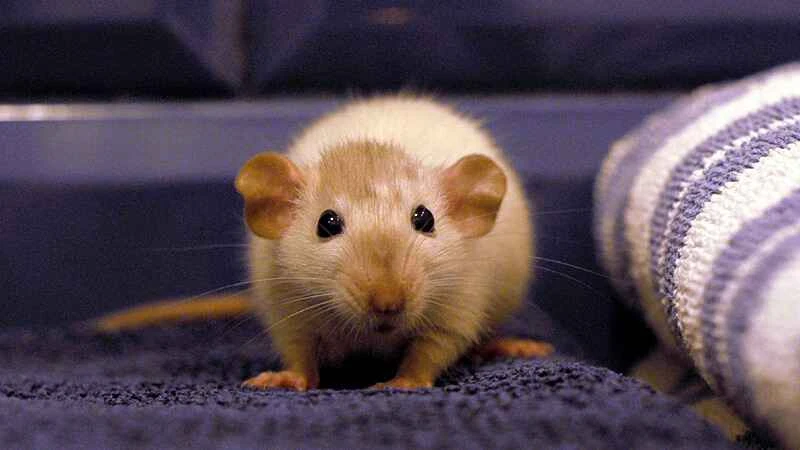
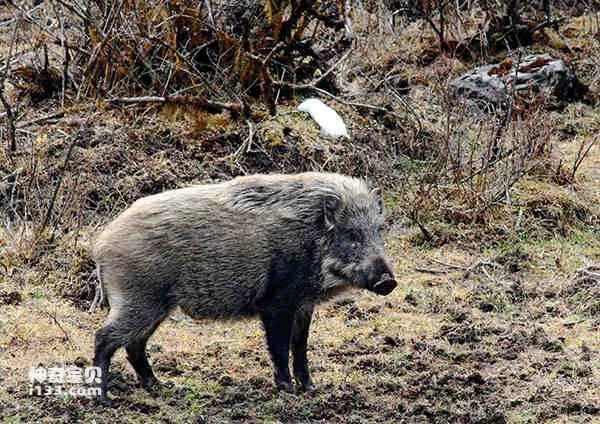
Did you know that there are currently over 62,000 known species of vertebrates on Earth?
These animals are called vertebrates because they have a spine and skeleton, and they are one of the most common types of animals that people encounter in daily life.
It is precisely because they possess skeletal structures, and because their bones readily fossilize, that scientists have been able to uncover many secrets about species evolution through paleontological research. Furthermore, through embryological analysis, scientists have discovered important characteristics such as whether vertebrates possess amnios during development, thus further subdividing them into two major categories: amniotas and anamniotas.
Next, we will provide a comprehensive overview of the origins, key characteristics, scientific classification , and numerous examples of vertebrates to help you quickly identify and understand this vast group of animals.
I. The Origin of Vertebrates
The history of vertebrates can be traced back to the Paleozoic Era, 525 million years ago .
The earliest known vertebrates are fish, with *Haikouichthys* being the earliest representative fossil, discovered in China in 1999. This ancient fish already possessed a primitive spine, laying the foundation for subsequent vertebrate evolution.
II. Main characteristics of vertebrates
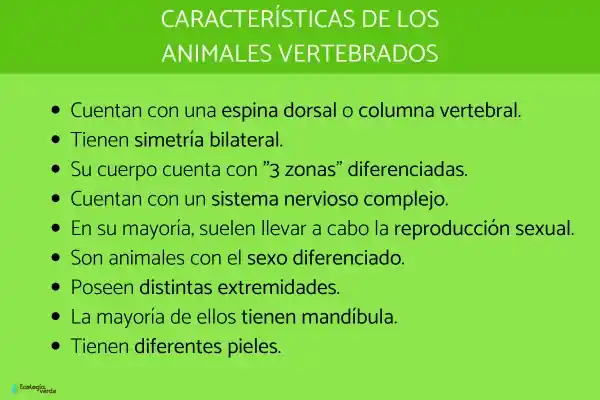
It has a spine (vertebrae).
The spine is composed of individual vertebrae, which not only support the body structure but also protect the spinal cord and nerves.
The spinal structure can adapt to the movement needs of different environments: land, air, or water.
bilateral symmetry
The body structure is bilaterally symmetrical, and the skeleton may be composed of bone or cartilage.
Clear body divisions
It is divided into a head, trunk, and four limbs (forelimbs and hindlimbs), and most also have a tail, which is used for balance, movement or climbing.
Complex nervous system
The brain is the central nervous system that controls the senses and movement, and is protected by the skull.
Sexual reproduction
Male and female individuals are clearly differentiated and reproduce through gene exchange.
Diverse musculoskeletal system
Limbs can evolve into fins, wings, or legs, while some species (such as snakes) lose all their limbs.
Most have a mandible
Except for jawless fish (such as lampreys and hagfish), most fish have a lower jaw to help them catch prey.
Skin coverage is diverse
Scales (fish), teeth (sharks), feathers (birds), hair (mammals), shell (turtles).
III. Scientific Classification of Vertebrates
Vertebrates belong to the subphylum Vertebrata of the phylum Chordata , and can be further divided into:
Jawless animals (Agnatha)
lamprey, hagfish
Jawed animals (Gnathostomata)
Cartilaginous fish (sharks, rays)
bony fish (most fish)
Tetrapoda
Amphibians (frogs, salamanders)
Reptiles (snakes, turtles, lizards)
Birds (eagles, penguins)
Mammals (humans, lions)
Based on whether the amnion is present during embryonic development :
Anamniotas : Fish and amphibians
Amniotas : Mammals, reptiles, birds
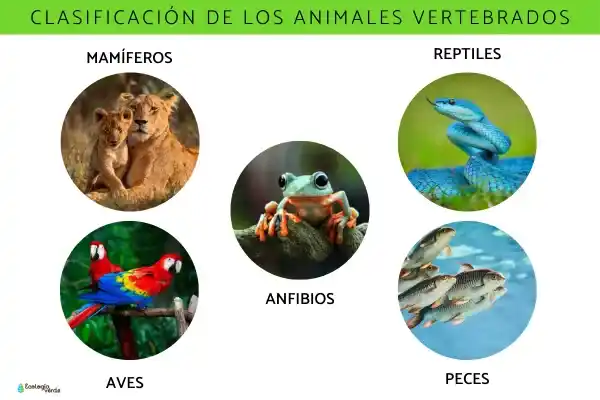
IV. Five major categories of vertebrates and their characteristics
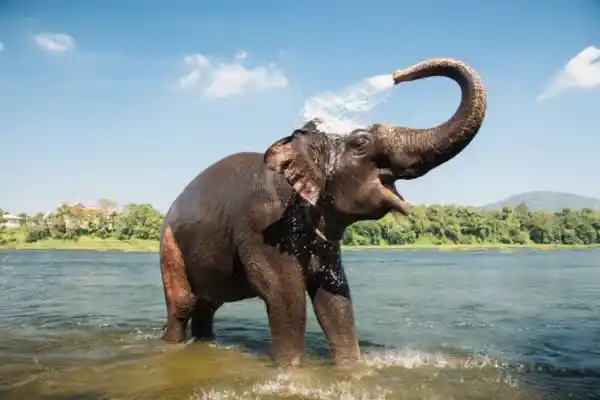
1. Mammals
Characteristics: viviparous, breastfed, thermoregulatory, hairy.
Representatives: Humans, tigers, elephants, dolphins, bats.
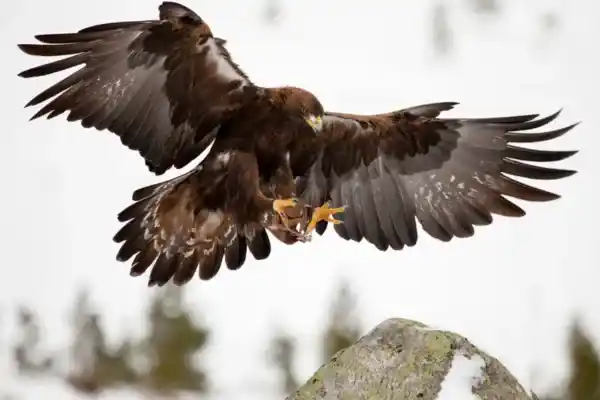
2. Birds (Aves)
Characteristics: constant temperature, covered with feathers, lays eggs, has wings (most can fly).
Representatives: Eagle, penguin, parrot, ostrich.
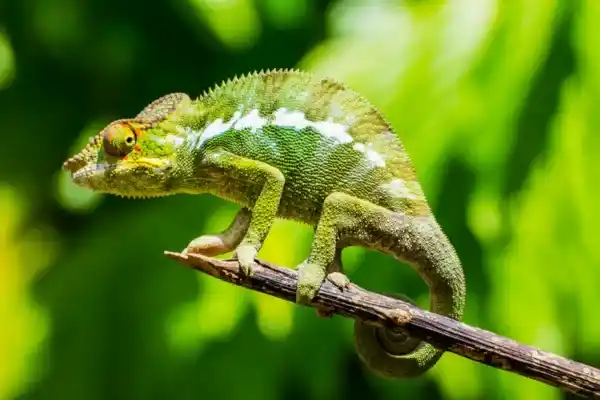
3. Reptilia (Crawling)
Characteristics: Cold-blooded, scaly skin, mostly oviparous.
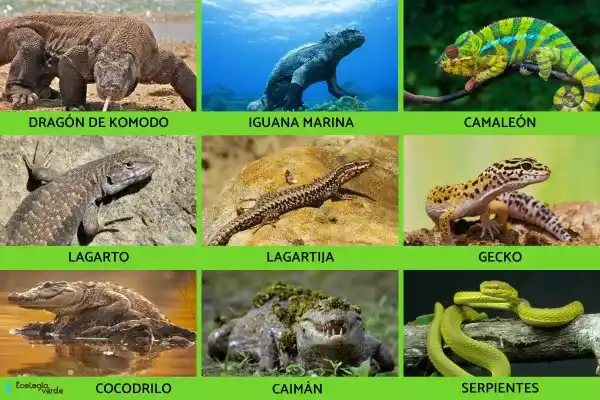
Examples: snake, turtle, crocodile, lizard.
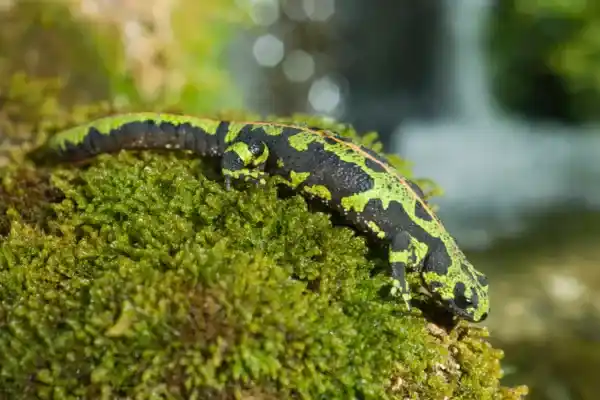
4. Amphibia
Characteristics: Juveniles are aquatic, adults can live on land, and need to keep their skin moist.
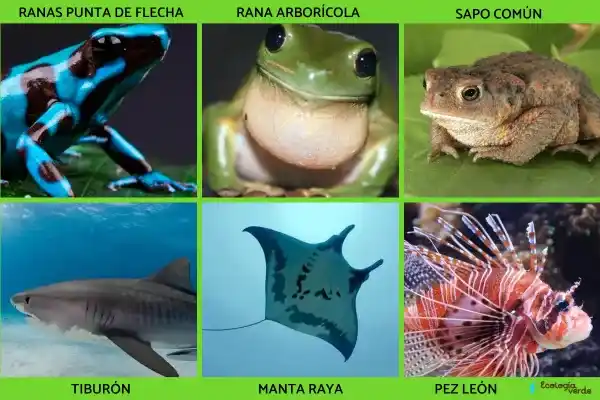
Examples: frog, toad, salamander.
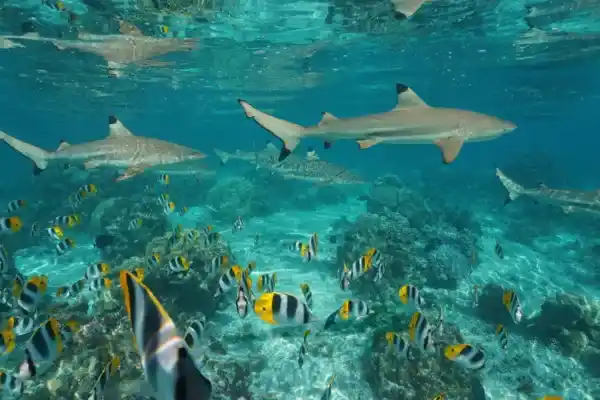
5. Fish (Pisces)
Characteristics: Lives in water, breathes with gills, and has fins.
Examples: shark, carp, tuna, ray.
V. A Comprehensive Collection of Vertebrate Examples
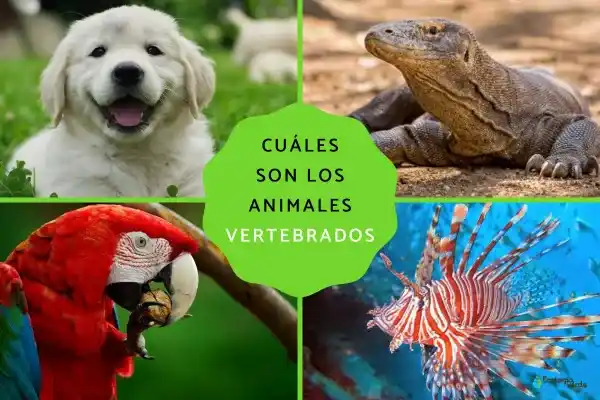
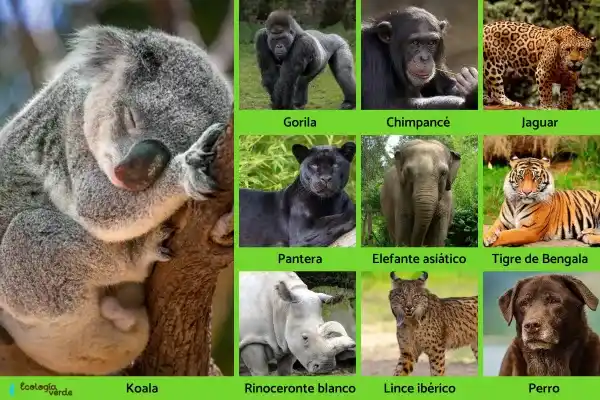
Mammals : Koalas, gorillas, chimpanzees, Bengal tigers, Asian elephants, white rhinoceroses, and canines.
Birds : Macaw, Toucan, Albatross, Snowy Owl, Cinereous Vulture, Andean Condor
Reptiles : Komodo dragon, iguana, chameleon, python, crocodile
Amphibians : poison dart frog, tree frog, common toad, salamander, Iberian newt
Fish : Great white shark, sunfish, manta ray, lionfish, salmon, eel
VI. The difference between vertebrates and invertebrates
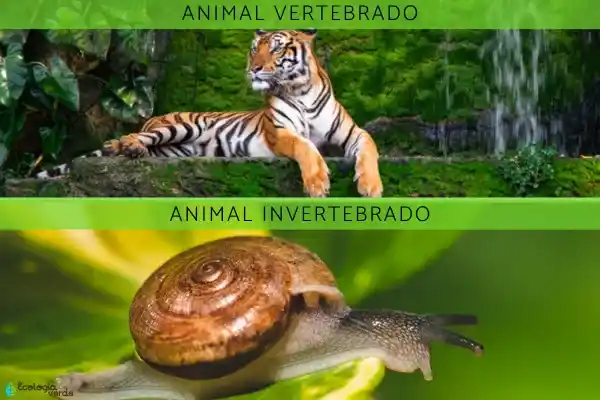
Vertebrates : have a spine, skull, and complete skeletal system.
Invertebrates : lack a vertebral column and may have an exoskeleton (such as the chitinous shell of insects or the calcareous shell of crustaceans).
References
Hickman, C. et al., (2003), Zoology: The Holistic Principle, 5th ed. McGraw-Hill Inter-American Publishers (Madrid), pp. 190-215.
Olalla, L. (2001) "Structural features and formation of cardiac cartilage in amniotes." University of Malaga (Spain).