Climate change and global warming have become an undeniable reality, with the Arctic being one of the hardest-hit regions. As ice sheets continue to melt, many animals that depend on icy environments face a severe survival crisis.
For these animals, there are only two choices: adapt to new environmental conditions or face extinction . In this article, we will introduce the major endangered animals in the Arctic and the challenges they face.
The survival plight of Arctic animals
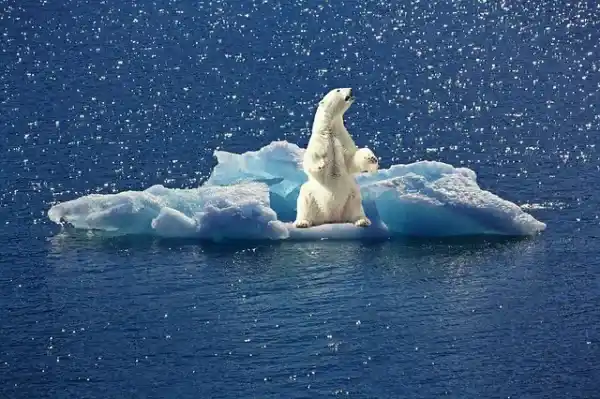
The rapid melting of Arctic ice is one of the greatest threats to these animals. The disappearance of ice not only means a reduction in habitat but also disrupts the balance of the food chain.
Polar bears : After losing access to the ice, mother bears and their cubs are forced to swim long distances in search of food, but the cubs often die from exhaustion. Furthermore, hunting seals has become increasingly difficult.
Walruses : With fewer sea ice floes, they are forced to rest and breed in small coastal areas, making them more vulnerable to human hunting and disturbance. Long migrations are also extremely taxing for these large animals.
These changes not only made hunting more difficult but also reduced reproductive efficiency, further accelerating the decline in species numbers.
1. Polar bear ( Ursus maritimus )
Polar bears are among the most iconic animals of the Arctic region and also among the most endangered species. They rely heavily on sea ice to hunt their primary prey—seals.
In some areas of Manitoba, Canada, as Hudson Bay freezes later in time, polar bears are forced to wait longer on the shore, sometimes even venturing into human settlements to forage, leading to conflicts between humans and bears. Some polar bears have been killed as a result.
Due to various threats, polar bears have been officially listed as an endangered species since 2008 .
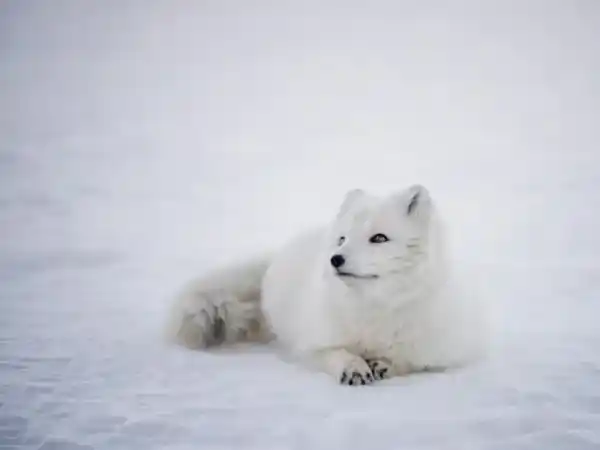
2. Arctic fox ( Alopex lagopus )
Arctic foxes, also known as white foxes, primarily feed on small mammals, birds, and scraps left by polar bears. As polar bear populations decline, the Arctic fox's food sources are also shrinking.
Meanwhile, rising temperatures are driving red foxes into the Arctic, creating direct competition with Arctic foxes and exacerbating the latter's survival pressure. Although the Arctic fox is not currently officially listed as an "endangered species," it has been classified as a "threatened species."
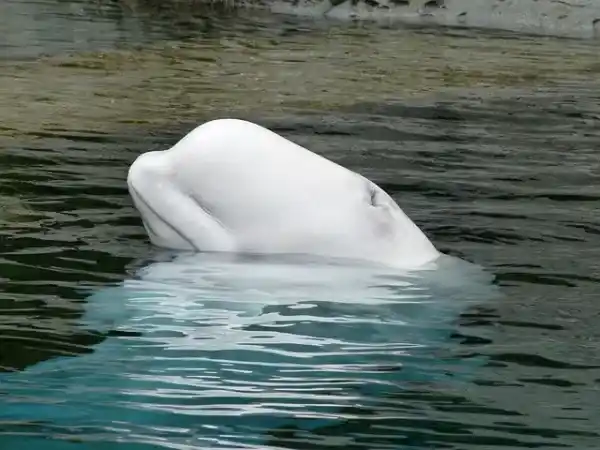
3. Beluga whale ( Delphinapterus leucas )
Beluga whales primarily feed on Arctic cod, which in turn rely on algae growing under the ice. With the disappearance of sea ice and the reduction of algae, cod populations have plummeted, directly threatening the beluga whale's food chain.
In addition, beluga whales also face:
Noise and disturbance caused by frequent ship traffic;
Industrial pollution (especially in the waters near Anchorage, Alaska).
In 2008, the beluga whale was listed as an endangered species. Currently, there are only 300–400 individuals remaining in the wild.
4. Pacific walrus ( Odobenus rosmarus )
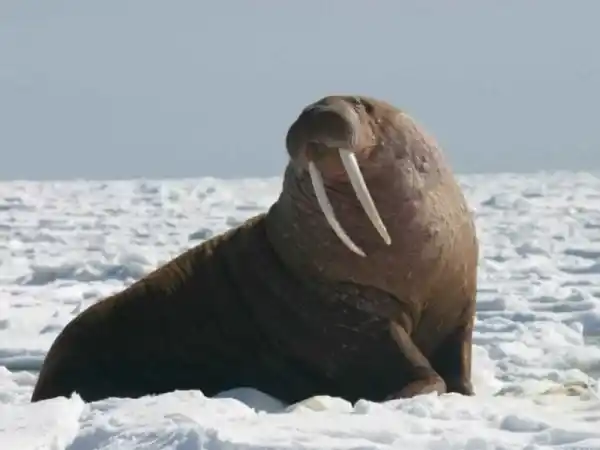
Pacific walruses are large animals endemic to the Arctic, known for their long tusks. They require ice floes as platforms for resting, nursing, and breeding.
However, with the reduction of sea ice, walruses' habitat and migration are severely restricted. They also face the following threats:
They were hunted for their ivory and fat;
Oil and gas development and marine pollution have led to habitat destruction.
Due to multiple threats, the Pacific walrus was proposed to be listed as an endangered species in 2008.
Conclusion
Climate change in the Arctic is not just an environmental issue, but an ecological crisis. Species such as polar bears, Arctic foxes, beluga whales, and Pacific walruses are struggling for survival. Without effective conservation measures, these animals could disappear from the earth entirely within the next few decades.
Protecting the Arctic ecosystem and curbing global warming is not only for the sake of these animals, but also for the future of all humankind.