Dragonflies (Heteroptera) are fascinating not only for their agility and vibrant colors, but also for their role in the food chain. Both juvenile and adult dragonflies face a wide variety of predators, ranging from animals to unexpected carnivorous plants.
Predators of young dragonflies
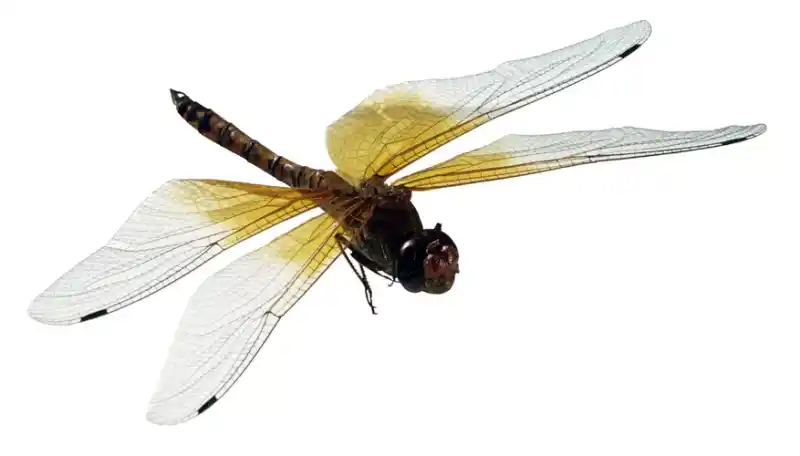
The larval stage of a dragonfly is usually spent in the water as a nymph, involving evading various aquatic predators:
| Predator types | Common predators |
|---|---|
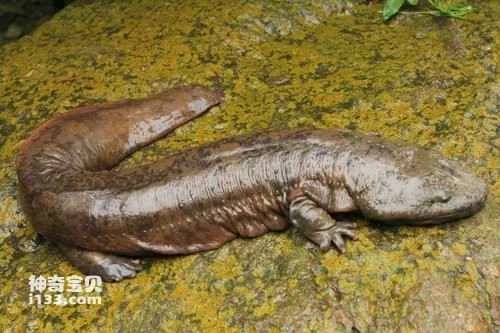
| aquatic | Ducks, amphibians (toads, salamanders), and larger aquatic larvae |
| fish | Common predatory fish, such as bass |
Nymphs employ various defense mechanisms, such as feigning death or rapidly moving away. They may even shed limbs to escape when captured, and these limbs will regrow during subsequent molting.
Predators of adult dragonflies
After reaching maturity, dragonflies continue to face threats from a wider range of predators:
| Predator types | Example |
|---|---|
| birds | They are usually too slow to catch agile dragonflies. |
| Arthropods | Bees, other large insects |
| Amphibians | frog |
| mammal | Small mammals, such as water shrews |
Adult dragonflies are very good at flying, which is their main strategy for escaping potential threats.
Dragonflies as plant predators
Interestingly, some dragonflies become victims of carnivorous plants:
| Plant species | Predation methods |
|---|---|
| Drosera | Uses sticky tentacles to capture and digest dragonflies. |
These plants use sticky glands to capture dragonflies and other insects, absorbing essential nutrients such as nitrogen from their prey.
Dragonflies as predators
It is worth noting that dragonflies are also effective predators:
| Prey type | Common prey of dragonflies |
|---|---|
| insect | Flies, ants, termites, mosquitoes, aphids |
| Aquatic life | Tadpoles, smaller larvae, and occasionally small fish |
Dragonflies capture prey during flight, demonstrating their prowess as predators. Their prey on a wide variety of insects proves their crucial role in controlling pest populations.
Conclusion: The Dual Role of Dragonflies in Nature
Dragonflies play a dual role in their ecosystems, acting as both predators and prey. Their presence underscores the complexity of food webs and the importance of biodiversity. Understanding the interactions between dragonflies and their predators provides insights into the health of both aquatic and terrestrial ecosystems.