Share this
Potentially Dangerous Animals in Hawaii, a Tourist Destination

Potentially Dangerous Animals in Hawaii, a Tourist Destination

2026-01-19 16:02:48 · · #1

While Hawaii is known for its beautiful natural scenery and relatively safe ecosystem, some animals may pose a danger to humans. Here are a very small number of animals in Hawaii that might be considered dangerous:

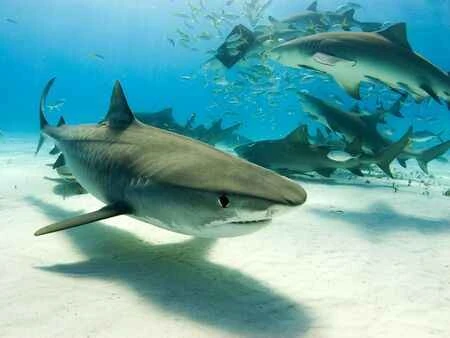
1. Shark

  • Species : Several shark species exist in Hawaiian waters, including tiger sharks and whitetip reef sharks. Although shark attacks are relatively rare, tiger sharks are considered one of the most dangerous species.

  • Risk : Most sharks do not attack humans unless provoked, but there is a certain risk of encountering a shark while swimming or surfing, especially in shallow waters near the shore.
    e59e6de801326f5e6b988781b06d122c.jpg

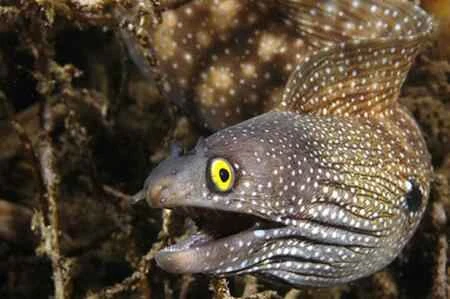
2. Conger eel

  • Species : such as the moray eel, moray eels in Hawaiian waters can sometimes become aggressive.

  • Risk : They typically hide in coral reefs and may bite if they feel threatened. Moray eel bites can cause serious infections.
    395c4aced1674745fa15c0aeec32be64.jpeg

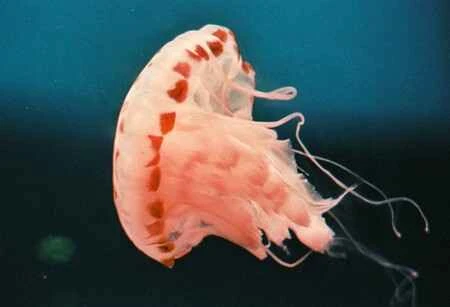
3. Box jellyfish

  • Types : Box jellyfish are among the most venomous jellyfish in the ocean, with stingers on their tentacles.

  • Risk : Box jellyfish stings can cause severe pain and, in severe cases, allergic reactions or even death, especially in sensitive individuals. Their appearance off the coast of Hawaii is typically seasonal, particularly after a full moon.
    288a2680cf24dfe1cd2b0f131ea4cfe6.jpg

4. Stone Fish

  • Type : Stonefish is a type of marine fish that is extremely well camouflaged and lives on coral reefs or sandy bottoms. It has venomous spines on its back.

  • Risk : If a person steps on the stonefish, it will release a potent venom through its spines, causing intense pain and a possible medical emergency.

    94a2f94b2eabd06181f97854492c0878.jpg

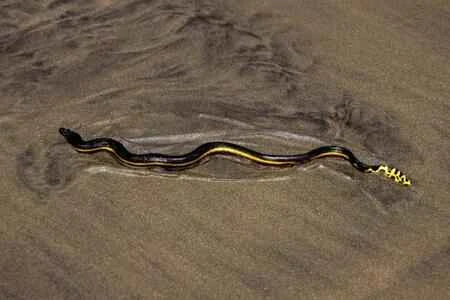
5. Yellow-bellied sea snake

  • Species : Although extremely rare, the yellow-bellied sea snake occasionally appears in Hawaiian waters. Their venom is extremely potent.

  • Risk : Although yellow-bellied sea snakes are highly venomous, they do not usually attack humans unless provoked, and they are not frequently active in the waters near Hawaii.
    9f0610181b32dcde28580ced8cc43ade.jpeg

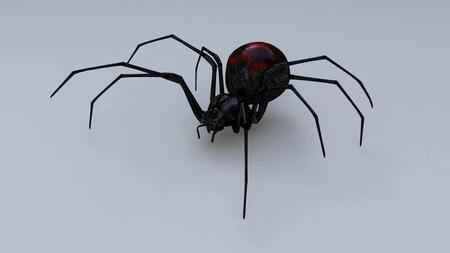
6. Black Widow Spider

  • Species : Hawaii has the black widow spider, which is known for its venom.

  • Risk : Black widow spider bites can cause severe pain and neurological symptoms. While rarely fatal, bites can be dangerous for children or people with weakened immune systems.
    b255c96d4d68d83b7759541101fa8c3e.jpeg

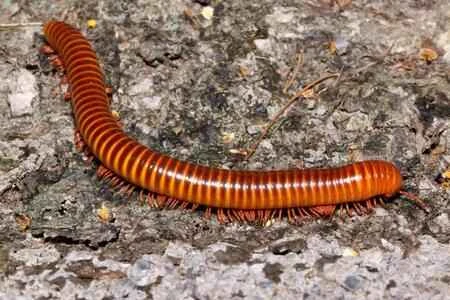
7. Millipedes

  • Species : Hawaiian millipedes are relatively large, and some species secrete irritating fluids.

  • Risk : Although they do not bite, contact with their venom may cause skin inflammation and irritation.
    6c4283c799859faecee062cf40d3a63d.jpeg

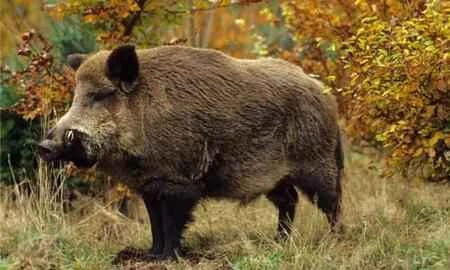
8. Wild boar

  • Species : Wild boars roam freely in certain areas of Hawaii.

  • Risk : Although wild boars usually avoid humans, they may attack if startled or threatened, especially if their young are nearby.
    23d43dcd57ba261fb92149e2cc14f05f.jpg

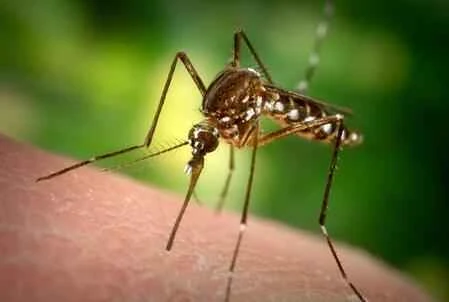
9. Mosquitoes

  • Types : Although mosquitoes are not particularly dangerous animals, they can transmit certain diseases, such as dengue fever.

  • Risk : Mosquitoes in Hawaii can transmit dengue fever, especially during the rainy season and in humid areas where extra precautions are needed.
    835a496374754736a2d08562352557a9 (1).jpeg

Although Hawaii's ecosystem is relatively mild, certain marine animals (such as sharks, box jellyfish, moray eels, and stonefish) and a few terrestrial creatures (such as black widow spiders and wild boars) can still pose a threat to humans. In most cases, avoiding contact with them and following local safety guidelines can reduce the risk of encountering dangerous animals.
Hawaiian protected animals


Hawaii is a region rich in biodiversity, home to many unique plants and animals, some of which are now listed as protected species due to habitat destruction, invasive species, and human activities. Here are some of the protected animals in Hawaii:

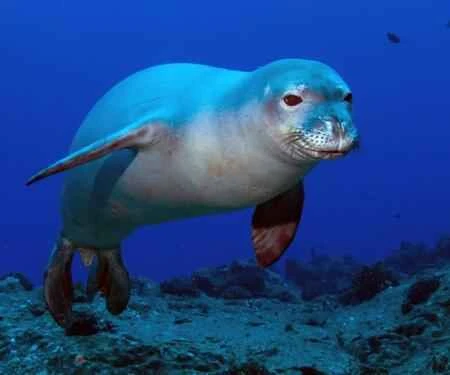
1. Hawaiian Monk Seal

  • Scientific name : Neomonachus schauinslandi

  • Conservation Status : Critically Endangered

  • Characteristics : This is one of the world's most endangered seals, found only in the Hawaiian Islands. Their numbers are declining rapidly due to habitat loss, entanglement in fishing gear, and human disturbance.

  • Conservation measures : It is protected under the U.S. federal Endangered Species Act, and its habitat is managed by the Hawaii Marine Protected Area.

    a8d32a6400b0b5c975391416defb7dbd (1).jpeg

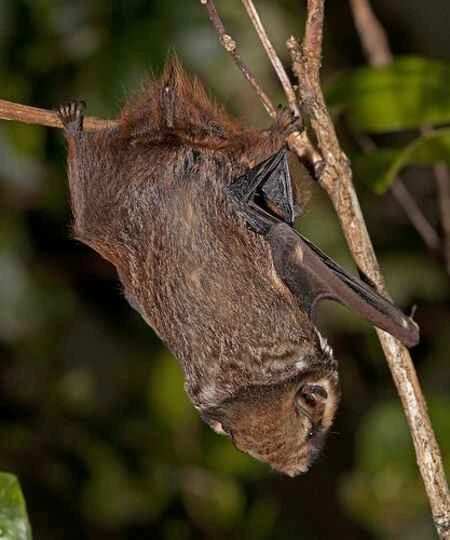
2. Hawaiian Hoary Bat

  • Scientific name : Lasiurus cinereus semotus

  • Conservation Status : Endangered

  • Features : This is Hawaii's only native mammal. Their habitat is mainly forested areas, and their numbers are decreasing year by year due to deforestation and habitat destruction.

  • Protection measures : Protected by the U.S. federal and state governments, protection efforts include habitat restoration and reduction of human disturbance.

    296d1a01401fe6d2eab7f76c1b8c2e4f.jpeg

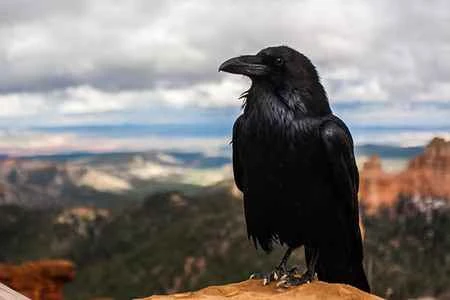
3. Hawaiian Crow (ʻAlalā)

  • Scientific name : Corvus hawaiiensis

  • Conservation status : Extinct in the Wild

  • Characteristics : This crow was once widely distributed in the forests of the Hawaiian Islands, but it became extinct in the wild due to habitat loss, disease, and hunting. Currently, there are only breeding programs in protected areas.

  • Conservation measures : Efforts are being made to reintroduce them into the wild through captive breeding programs.

    353e9cff374f310988f407682443b6d4.jpg

4. Green Sea Turtle (Honu)

  • Scientific name : Chelonia mydas

  • Conservation Status : Endangered

  • Characteristics : The Hawaiian green sea turtle is one of the most common sea turtles. Their habitat is mainly in coastal areas, and they face threats from habitat destruction, pollution, and overfishing.

  • Conservation measures : Green loggerhead turtles are protected under the U.S. Endangered Species Act and international treaties, and Hawaii also has several marine protected areas.

5. Hawaiian Honeycreeper (ʻIʻiwi)

  • Scientific name : Drepanis coccinea

  • Conservation Status : Endangered

  • Characteristics : This brightly colored honeybird, known for its long, curved beak, is one of the iconic birds of the Hawaiian forests and faces threats from disease, habitat loss, and climate change.

  • Conservation measures : They are protected under the Endangered Species Act and protected through habitat restoration and reduction of threats from invasive species.

6. Hawaiian Goose (Nēnē)

  • Scientific name : Branta sandvicensis

  • Conservation Status : Endangered

  • Characteristics : Nēnē is the national bird of Hawaii. It was once on the verge of extinction, mainly due to the invasion of alien species such as predators (e.g., cats, dogs, and rats) and habitat loss.

  • Conservation measures : Successful captive breeding and reintroduction programs have helped Nēnē's numbers gradually recover, but they still face the challenge of habitat destruction.

7. Hawaiian Stilt (Aeʻo)

  • Scientific name : Himantopus mexicanus knudseni

  • Conservation Status : Endangered

  • Characteristics : This long-legged bird lives in the wetlands of Hawaii, where its numbers are severely threatened by wetland drainage, invasive species, and human activities.

  • Conservation measures : Protecting and restoring wetland habitats is an important measure to protect this species.

8. Hawaiian Butterflyfish

  • Scientific name : Chaetodon tinkeri

  • Protection status : Threatened

  • Characteristics : This fish is a key species in the Hawaiian coral reef ecosystem, and its survival is threatened by overfishing and coral reef destruction.

  • Conservation measures : Coral reef conservation programs and restrictions on overfishing help protect this fish.

9. Hawaiian Fiddler Crab

  • Scientific name : Uca tetragonon

  • Protection status : Threatened

  • Characteristics : They live in coastal wetlands and intertidal areas, and are affected by habitat destruction and pollution.

  • Protection measures : Protect coastal wetland habitats by reducing pollution and human disturbance.


Hawaii is home to many unique and vulnerable animals, with many native species facing serious threats due to ecosystem isolation and the invasion of alien species. Conservation measures include legal protection, habitat restoration, and species breeding programs to ensure these precious animals do not go extinct.

Read next

Yuanmou Man and Peking Man are actually unrelated to modern humans.

Where did humans come from? This is an eternal question that humanity has grappled with in its process of self-discover...

Articles 2026-01-12