Jellyfish are fascinating creatures, gracefully drifting through the ocean, but they are far from passive drifters in the marine ecosystem. Despite their seemingly delicate appearance, jellyfish play a vital role in the food chain, becoming prey for a variety of animals. This article will explore which animals feed on jellyfish, their hunting methods, and the ecological importance of these predators.
The Importance of Jellyfish in Marine Ecosystems
Before delving into the predators of jellyfish, it is crucial to understand the role of jellyfish in marine ecosystems. Jellyfish are a food source for many marine animals and an important part of the marine food chain. They feed on plankton and small fish, which in turn provide nutrition for larger organisms. Understanding the animals that eat jellyfish can reveal the dynamic balance of marine ecosystems.
The main predators of jellyfish
Here are some notable animals that feed on jellyfish:
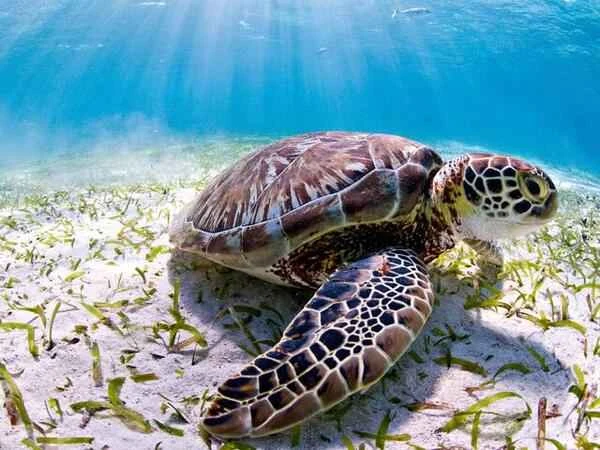
1. Sea turtle
Species: Leatherback turtle, Green sea turtle
Predation method: Sea turtles, especially leatherback and green sea turtles, are among the most well-known jellyfish predators. They use their powerful jaws to grasp jellyfish and usually swallow them whole.
Ecological role: By controlling jellyfish populations, sea turtles help maintain the balance of marine ecosystems.
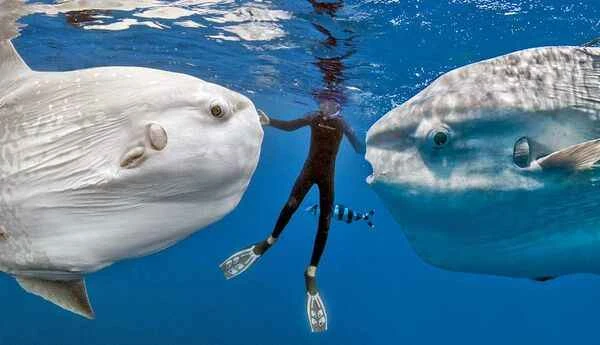
2. Sunfish (Mola Mola)
Type: Ocean Sunfish
Predation method: The sunfish is known for its enormous size and unique shape. It primarily hunts jellyfish by floating on the surface of the water, swallowing them whole.
Ecological role: As a large predator, the sunfish plays an important role in regulating jellyfish populations and marine nutrient cycling.
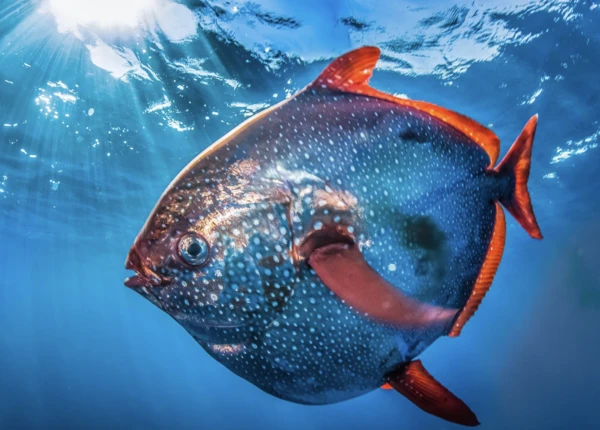
3. Certain fish
Types: Moonfish, various barracudas and butterflyfish
Feeding methods: Some fish actively hunt jellyfish, feeding by biting or pecking. Their specialized teeth enable them to swallow the jellyfish's jelly-like body.
Ecological role: These fish help control jellyfish populations and ensure the balance of the marine environment.
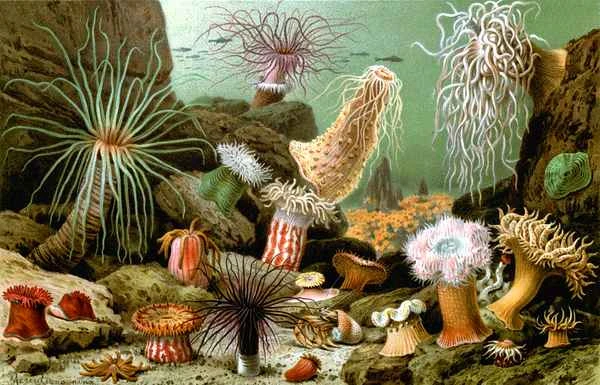
4. Sea anemones and other cnidarians
Species: Some sea anemones and other jellyfish
Predation method: Sea anemones are equipped with stinging cells, which can capture and swallow jellyfish that float too close.
Ecological role: These predatory cnidarians enhance the dynamic balance of marine life by feeding on jellyfish.
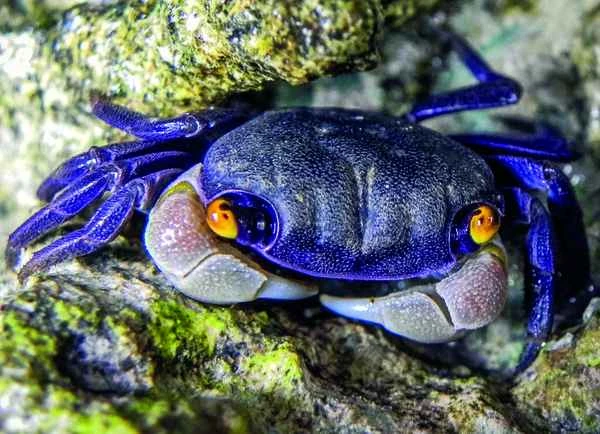
5. Crustaceans
Types: Certain types of crabs and shrimp
Predation methods: Some crustaceans, such as green crabs, will forage for dead jellyfish or capture smaller jellyfish.
Ecological role: By feeding on jellyfish, these crustaceans recycle nutrients back into the ecosystem.
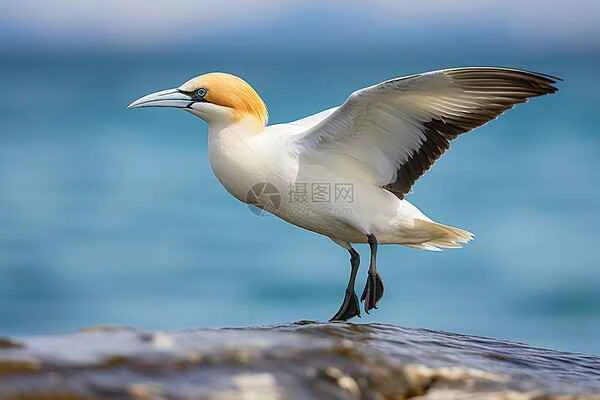
6. Seabirds
Species: Various seabirds, such as gulls and auks
Predation methods: Seabirds often feed on jellyfish, especially when they are near the surface or washed ashore. They may peck at the jellyfish and swallow the softer parts.
Ecological role: By eating jellyfish, seabirds help control jellyfish populations and transfer energy to higher trophic levels.
The impact of jellyfish predation
Various animals feed on jellyfish, making them crucial for maintaining a healthy marine ecosystem. However, excessive jellyfish reproduction can have negative consequences, such as:
Disruption of the food chain: High densities of jellyfish may compete with fish for food, disrupting the balance of marine life.
Impact on fisheries: Jellyfish breeding season can clog fishing nets and harm fisheries.
Understanding which animals feed on jellyfish allows us to better appreciate the complex relationships within marine ecosystems and the significance of biodiversity.
Jellyfish are not only pelagic organisms, but they are also a key food source for a wide variety of marine animals, including sea turtles, sunfish, fish, crustaceans, and seabirds. These predators play a vital role in maintaining the balance of marine ecosystems. Understanding the dynamic changes in these relationships highlights the complexity of marine life and the interconnectedness of all species. As we continue to study and protect the oceans, recognizing the importance of jellyfish and their predators is crucial for maintaining healthy marine ecosystems.