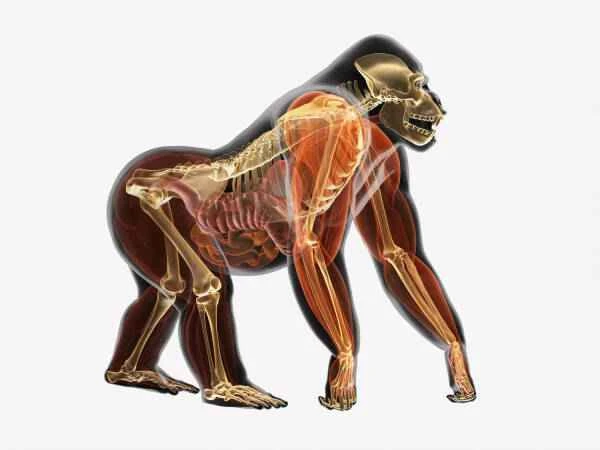
Nutrition is one of the fundamental functions for organisms to maintain life. Different organisms can be divided into different types based on their ways and habits of consuming food. Understanding the diets of animals not only helps us understand their lifestyles but also reveals the roles they play in the ecosystem.
Among various diet types, herbivores (Herbívoros) have attracted much attention due to their important role in the food chain and ecological balance.
I. What are herbivores?
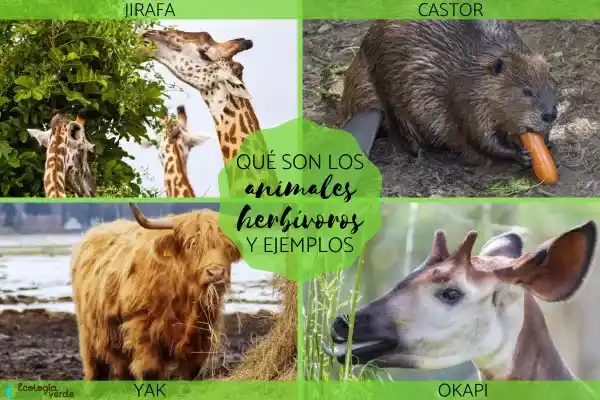
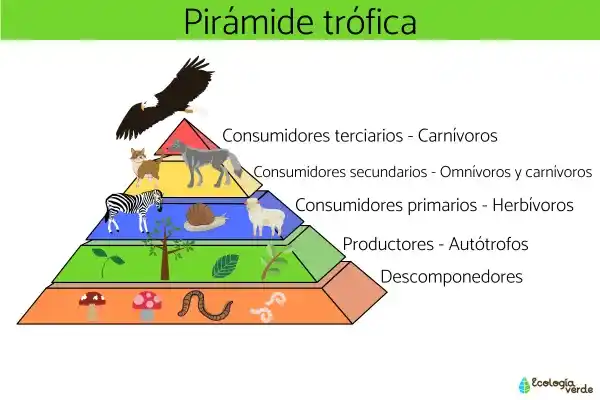
Herbivores are the "primary consumers" in the ecosystem's food chain ; they rely solely or primarily on plants for their food, including:
Different parts of a plant : leaves, stems, roots
Plant products : seeds, flowers, fruits, nectar, pollen, sap
Xylem : A few species feed on wood.
Herbivores are widely distributed around the world; wherever there are plant resources, they are likely to be found.
Land: grasslands, forests, mountains, desert oases, savannas, tropical rainforests, wetlands
Water bodies: freshwater lakes, rivers, and shallow ocean areas (such as those inhabited by some aquatic invertebrates).
They obtain energy by consuming plants, but at the same time, they exert varying degrees of "herbivorous predation" pressure on the plants.
II. Digestive Adaptations of Herbivores
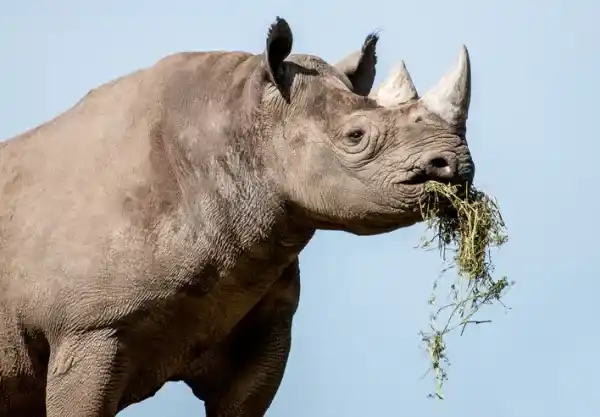
Plant tissues are rich in cellulose , a substance that is difficult for most animals to digest, while herbivores have evolved special adaptations:
Teeth suitable for chewing plants (such as incisors for cutting and molars for grinding).
Complex digestive system :
Fermentation and decomposition are carried out using the microbial community in the stomach or cecum.
Cellulose is broken down by both chemical and biological processes.
Based on the structure of their digestive systems, herbivores among vertebrates can be divided into:
Multigastric animals (ruminants) : Their stomachs are divided into the rumen, reticulum, omasum, and abomasum (e.g., cattle, sheep, deer).
Monogastric animals : have one stomach, and digestion occurs through fermentation in the cecum or other parts of the digestive system (e.g., horses and rabbits).
III. Classification of Herbivores
1. According to the structure of the digestive system
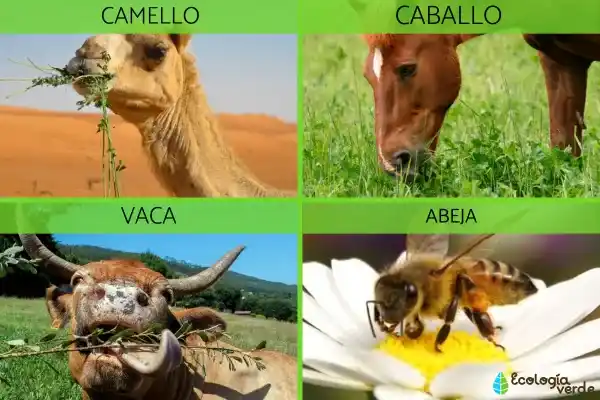
Ruminants (multi-stomached animals) : cattle, sheep, deer, giraffes
Non-ruminant (monogastropods) : Horses, rabbits, hippos
2. By main food source
Herbivores (Fitófagos) : Primarily grass-fed (horses, antelopes)
Fruit-eating animals (Frugívoros) : Primarily consume fruit (parrots, lemurs)
Leaf-eating animals (Folívoros) : Primarily feed on leaves (koalas, sloths)
Seed-eating animals (Granívoros) : Primarily feed on seeds (sparrows, squirrels)
Nectarívoros (nectar-eating animals) : primarily feed on nectar (hummingbirds, bees)
Pollen-eating insects (Polinívoros) : Primarily feed on pollen (some beetles and butterflies).
Wood-eating animals (Xilófagos) : Primarily feed on wood (termites, longhorn beetle larvae).
IV. Examples of Herbivores
Herbivores encompass a wide range of groups, from large mammals to tiny insects.
large herbivores
giraffe
elephant
hippo
rhino
bison, yak, water buffalo
Camels, dromedary camels, alpacas, reindeer
Horse, zebra, donkey
Small and medium-sized herbivores
Antelope, gazelle
Sheep, goats, and blue sheep
Alpaca, guanacus, llama
Takin, red deer, elk
Small mammals
Rabbit, hare
Guinea pigs and chinchillas
Squirrels, beavers, capybaras
birds
Hummingbird
Toucan (Giant-beaked bird)
Macaw
Lovebirds (Parrot Couple)
Reptiles
Tortoise
Insects and Invertebrates
Butterflies, caterpillars, grasshoppers
Bees, termites, leaf insects, stick insects
Aphids, cabbage bugs
snails and cicadas
V. Differences from carnivores and omnivores
Herbivores : animals that feed entirely on plants
Carnivores : animals that primarily feed on the meat of other animals.
Omnivores : Eat both plant and animal foods (such as bears and humans).
These three types of animals differ significantly in tooth morphology and digestive system structure. For example, herbivores have molars adapted for grinding plants, carnivores have sharp canines, and omnivores possess characteristics of both types of teeth.
VI. Ecological Importance
As the first consumer in the food chain :
They transfer energy from plants to carnivores and omnivores.
Regulating plant community structure through diet
Maintaining biodiversity and balance in ecosystems
Without herbivores, the ecosystem will become unbalanced, plants will over-proliferate, energy transfer chains will break, and ultimately the stability of the entire ecosystem will be affected.
References
López, D. & Buschmann, A. (1988). On predator-prey interactions in intertidal and terrestrial ecosystems. Chilean Journal of Natural History, Vol. 61, pp. 19-21.
Ricklefs, R. (1987). Community diversity: the relative roles of local and regional processes. Science, Vol. 235, pp. 167-171.