Fungi and animals may seem like two completely different life forms, but many important connections exist between them. Fungi not only influence animal survival and ecosystems, but also share a common evolutionary history with animals in some aspects. This article will explore the relationship between fungi and animals in detail, including their differences, similarities, symbiotic and parasitic relationships, and their importance to human health and ecosystems.
1. The fundamental differences between fungi and animals
1.1 Taxonomic differences
Although both fungi and animals are eukaryotes, they belong to different kingdoms in taxonomy. Animals belong to the kingdom Animalia, while fungi belong to the kingdom Fungi. They differ significantly in morphology, nutrition, and lifestyle.
Fungi: mainly include mushrooms, molds, yeasts, etc. Their cell walls contain chitin, they obtain nutrients by absorbing organic matter, and most of them are decomposers or parasites.
Animals include mammals, birds, fish, reptiles, etc. Animal cells lack cell walls, typically obtain energy by ingesting food, and possess more complex nervous systems and motor abilities.
1.2 Differences in Nutritional Methods
Fungi: Fungi degrade organic matter through external enzymes and then absorb these breakdown products. This process is called external digestion.
Animals: Animals are organisms that digest food internally and then absorb nutrients.
2. Similarities between fungi and animals
Although fungi and animals differ in many ways, they also share some commonalities, particularly in evolution and cellular structure.
2.1 Common Evolutionary Ancestor
Research shows that fungi and animals share a common evolutionary ancestor, and are more closely related than plants and fungi. This means that animals and fungi share a common origin in the long history of Earth. Therefore, they share similarities in certain biochemical pathways, such as:
Use of chitin: Chitin is found in the cell walls of fungi, and it is also present in the exoskeletons of insects and crustaceans.
Glycogen storage: Fungi and animals store sugar in their cells as glycogen, while plants store sugar as starch.
2.2 Symbiotic and Reciprocal Relationships
Many fungi have symbiotic relationships with animals, where they depend on each other and benefit from each other. For example:
Insects and fungi: Some ants and termites “cultivate” fungi, relying on them as a food source, while these insects provide the environment necessary for the fungi to grow.
Animal digestive tract fungi: The digestive tracts of some ruminants (such as cattle and sheep) contain fungi that help break down fiber, providing the animals with plant matter that is difficult to digest.
3. The parasitic relationship between fungi and animals
While fungi and animals can form mutually beneficial symbiotic relationships, many fungi are also parasites of animals. These fungi can cause serious diseases and even have significant impacts on ecosystems.
3.1 Animal diseases caused by fungi
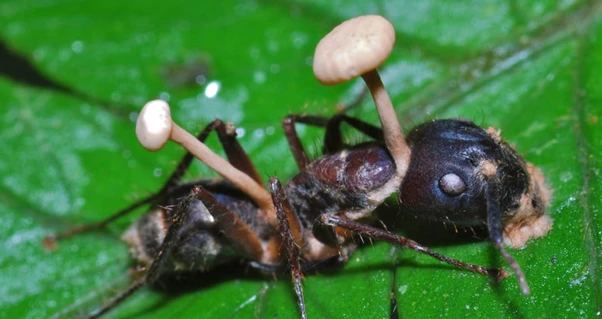
Fungal infections can affect a wide variety of animals, from amphibians to mammals, and even humans. For example:
Chytridiomycosis: This disease, caused by the fungus Chytridiomycosis, has had a devastating impact on amphibians such as frogs and toads, leading to a sharp decline in amphibian populations worldwide.
Fungal infections in migratory birds: Some migratory birds may contract fungal diseases during their migration, affecting their health and survival.
3.2 Human fungal infections
Humans are also susceptible to certain fungal infections, such as:
Skin diseases: Common skin diseases caused by fungi include tinea pedis (athlete's foot), tinea cruris, and tinea.
Systemic fungal infections: Some fungi, such as Cryptococcus and Candida albicans, can cause systemic infections in people with weakened immune systems, and can even be life-threatening.
4. The importance of fungi to animals and ecosystems
4.1 Decomposers in the Ecosystem
Fungi play a vital role in ecosystems, particularly in the decomposition of organic matter. They break down dead plant and animal matter, providing essential nutrients to the soil, which is crucial for the cycling and maintenance of ecosystems.
Decomposing animal remains: When animals die, fungi work with bacteria to decompose their remains, releasing organic matter back into the environment.
Helping plants grow: By decomposing the remains of animals and plants, fungi can provide plants with minerals such as nitrogen and phosphorus that they need to grow.
4.2 As a food source for animals
Many animals feed on fungi, and these animals play important roles in the ecosystem. For example:
Deer, rabbits, and other herbivores eat wild mushrooms.
Insects, such as beetles and some ant populations, rely on specific fungi as their food source.
5. Future research directions in fungi and animals
With the development of science and technology, research on the relationship between fungi and animals has become increasingly in-depth. For example, scientists are studying how to utilize the disease-resistant properties of fungi to help protect endangered animal species, or exploring the potential of fungi in drug development, especially antifungal drugs for animals and humans.
Although fungi and animals belong to different biological kingdoms, their relationship is complex and close. Fungi play an important role in animal ecology, health, and disease, and also act as crucial decomposers in ecosystems. By studying the relationship between fungi and animals, we can not only better understand how nature works, but also gain new insights for animal conservation, human health, and drug development.
Keywords: fungal-animal relationship, fungal-animal symbiosis, fungal-animal parasitism, role of fungi in ecosystems, fungal infection of animals