Panama, a narrow strip of land in Central America, boasts a tropical climate and diverse ecosystems. Its coastline stretches from the Caribbean to the Pacific, encompassing lowland rainforests, highland cloud forests, and mangroves, creating an exceptionally high level of biodiversity. Unfortunately, due to habitat fragmentation, pollution, illegal hunting, and the wildlife trade, many species are teetering on the brink of extinction. Below is a compilation of 22 representative threatened animals in Panama, along with key identification points, ecological characteristics, and major threats, for easy reference and educational purposes.
Panamanian Golden Frog (Atelopus zeteki)
Distribution and Habitat : This species is found in Panama and mainly relies on moist mountain streams and surrounding rainforest areas.
Morphological characteristics : The whole body is golden yellow, and the body length is about 4.5–6.3 cm; females are usually larger than males.
Behavioral ecology : In addition to short, low chirps, they also communicate through "arm waving signals" (gestures made by their forelimbs) to adapt to the high-noise environment of fast-flowing streams.
Current status in situ : Considered functionally extinct/probably extinct in the wild since 2007, it now relies mainly on captive conservation and reintroduction programs.
Key threats : habitat loss and pollution, chytriditis (a fungal mass amphibian disease), and illegal harvesting.

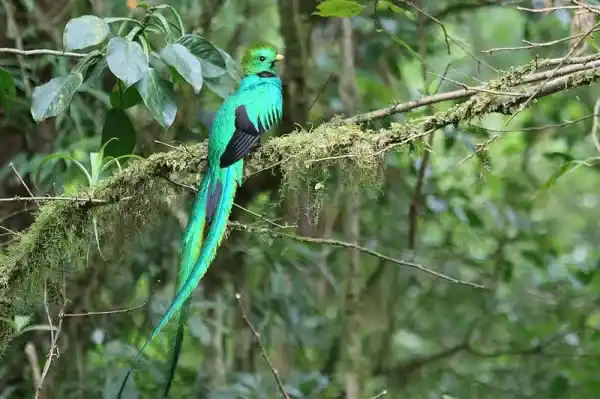
Green Quetzal (Pharomachrus mocinno)
Distribution and habitat : Highland cloud forests from southern Mexico through Guatemala to western Panama.
Morphological characteristics : The male bird has golden-green iridescence all over its body, a bright red chest and abdomen, and long, ornate tail feathers; the female bird has relatively plain colors and a shorter tail. The body length can reach about 40 cm.
Diet and role : Primarily feeds on fruit ( for fruit consumption/seed dispersal ), also consumes insects.
Conservation status : Near Threatened (population declining in the region).
Key threats : cloud forest deforestation and fragmentation, illegal hunting and trade.
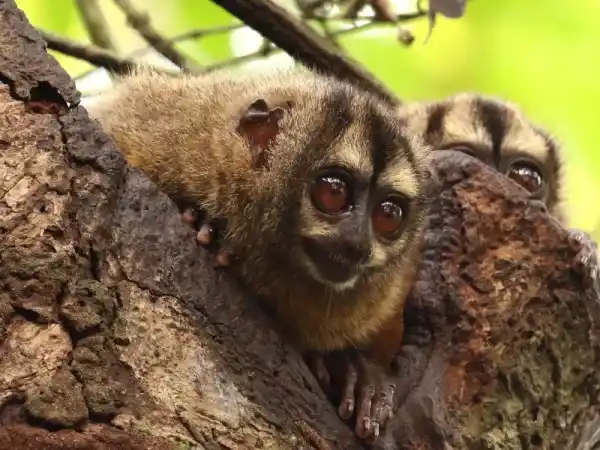
Panama night monkey (Aotus zonalis)
Distribution and Habitat : Found only in the area from Panama to the Choco Province of Colombia, mostly in secondary forests, riparian forests and other types of woodlands.
Morphological characteristics : Large eyes adapted for nocturnal movement; weight approximately 0.9 kg; back chestnut red to brown, belly yellowish, hands dark.
Behavioral ecology : Nocturnal, arboreal, highly territorial, and tends to live in small, monogamous groups (2–6 individuals).
Key threats : Habitat loss due to deforestation and pollution; exact wild population is unknown but trending downward.
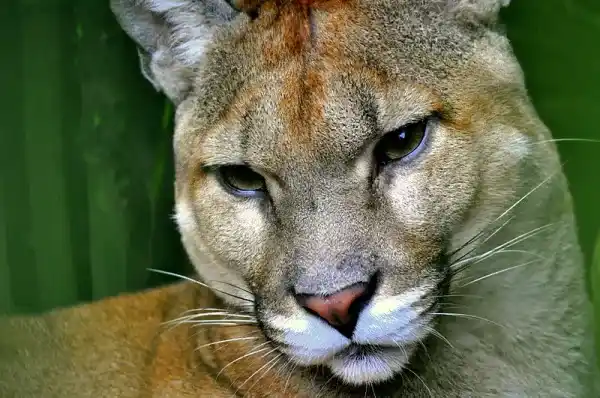
Central American cougar (Puma concolor costaricensis)
Distribution and Habitat : Wet/dry forests in Panama, Costa Rica, and Nicaragua.
Morphological characteristics : Weighing approximately 24–65 kg, with a body color ranging from reddish-brown to yellowish-brown, long limbs, and a relatively small head.
Ecological habits : Solitary, nocturnal, adept at long-distance travel . Primarily preys on medium to large mammals such as white-tailed deer, and occasionally engages in conflicts with livestock.
Conservation priorities : Not critically endangered globally, but vulnerable/threatened regionally; key is to maintain connected ecological corridors and reduce human-wildlife conflict.
Harpia harpyja
National symbol : Panama's national bird.
Size : The largest eagle in the Americas, with a body length of nearly 1 m, a wingspan of about 2 m, and a weight of up to 10 kg (females are even larger).
Diet : A powerful apex predator that preys on arboreal sloths, monkeys, armadillos, and birds.
Conservation status : Near Threatened (population is slowly declining).
Main threats : continued loss and fragmentation of lowland rainforests, and sporadic human persecution. Priority should be given to protecting breeding grounds and key nesting areas.

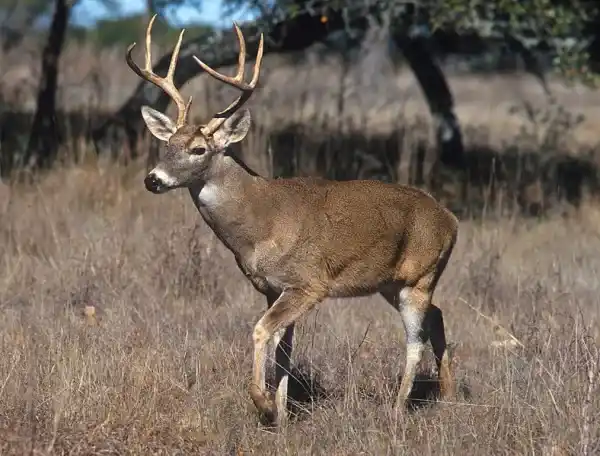
White-tailed deer (Odocoileus virginianus)
Habitat : dry forest, secondary forest, savanna and riparian forest.
Ecological habits : Ruminant herbivore , feeding on tender leaves, fruits, seeds and fungi; active both day and night, can appear alone or in small groups.
Key identification features : The white tail held high when running is very conspicuous; noticeable molting , turning brownish in winter and reddish in summer.
Conservation status : Generally stable, but hunting control and habitat management are still needed in the region to prevent local decline.
Other representative threatened species in Panama (selected)
Atels geoffroyi : an arboreal primate of high and low forests, endangered ; affected by forest fragmentation and poaching.
Central American tapir (Tapirus bairdii) : One of the largest terrestrial mammals in Central America, endangered ; threatened by habitat loss and poaching.
Leopardus tigrinus : A small spotted cat that is often threatened by its fur and habitat fragmentation.
Anteaters (Vermilingua, general term) : including large anteaters and small closely related groups, impacted by road deaths and habitat changes.
White-lipped bearded boar (Tayassu pecari) : A social wild boar closely related, vulnerable ; sensitive to hunting and logging.
American manatee (Trichechus manatus) : Vulnerable ; disturbance in mangroves and estuaries, collisions with vessels, and entanglement in fishing gear are the main threats.
Neotropical otter (Lontra longicaudis) : Near Threatened ; affected by water pollution and riparian habitat degradation.
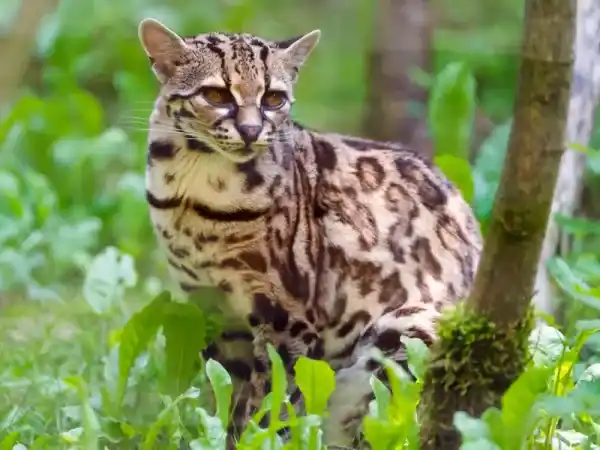
Leopard cat (Leopardus pardalis) : A nocturnal small to medium-sized cat, whose main stressors are habitat loss and illegal trade.
Squirrel monkey (Saimiri oerstedii) : Mostly found in western Panama and Costa Rica, affected by habitat pressure.
Sea turtles (all of which have been recorded coming ashore to lay eggs or forage on the coast of Panama).
Hawksbill Turtle (Eretmochelys imbricata) : Critically Endangered ; poaching of its shells, degradation of its coastal habitat, and bycatch by fisheries.
Green sea turtle (Chelonia mydas) : Endangered ; landing due to coastal development and bycatch, light pollution.
Olive loggerhead turtle (Lepidochelys olivacea) : Vulnerable ; spawning beaches are easily disturbed.
Leatherback turtle (Dermochelys coriacea) : Vulnerable ; ingestion of plastic and entanglement in fishing gear are key threats.
Loggerhead sea turtle (Caretta caretta) : Vulnerable ; bycatch by fisheries and beach changes affect reproductive success.

Other records
Mallard (Anas platyrhynchos) : Primarily a migratory/vagrant bird, not endangered globally, but the quality of local wetlands affects its migration stoppage.
Forest dog (Speothos venaticus) : Near Threatened ; extremely dependent on connected forest networks and sensitive to human disturbance.
Note: The global levels above are an overview; regional threats may be more severe . Conservation priorities in Panama are usually linked to local population trends.
How to help endangered animals in Panama (things the public can do)
Reduce pollution : Use fewer single-use plastics, prioritize public transportation and walking, and dispose of batteries and chemicals properly.
Respect protected areas : When entering national parks and protected areas, follow the regulations and do not feed or disturb wild animals.
Reject illegal pets : Do not buy exotic pets captured in the wild; any legal individual must have CITES documentation and proof of origin.
Report poaching and illegal trade : Report any suspicious clues to the relevant authorities in a timely manner.
Refuse wildlife products : Do not buy turtle shells, feather ornaments, animal skins or other souvenirs of unknown origin.
Preventing invasive species : Do not release alien species indiscriminately, and use native or controllable species for gardening and aquariums as much as possible.
Engage in conservation : Support local conservation organizations, turtle patrol teams, and community co-management projects through volunteering or donations.
Disseminating science : Sharing reliable species information and conservation knowledge to expand social influence.
——
Focusing on forest connectivity, coastal spawning beaches, and the restoration of estuaries and mangroves are key conservation directions for Panama; every choice and action by the public can buy time and hope for these unique lives.