Like rhinoceroses, horned dinosaurs had large horns on their heads, which could defend against attacks from carnivorous dinosaurs. Let's take a look at some of the horned dinosaurs in this episode!
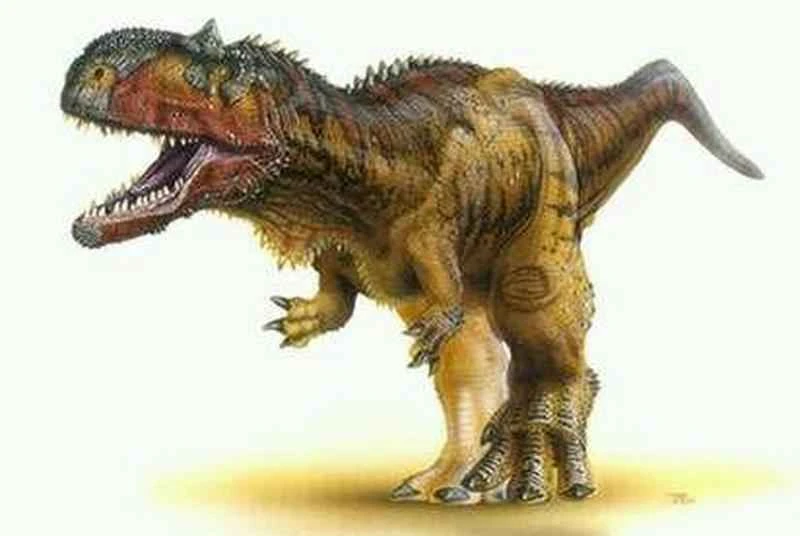
1. Victory King Dragon
It has a low, rounded corner
Rajasaurus is a genus of carnivorous dinosaur belonging to the subfamily Carnotaurinae of the family Abelisauridae. It lived in India during the Late Cretaceous period and was a large carnivorous dinosaur, measuring about 8.5 meters in length, 2.4 meters in hip height, and weighing 4 tons. The type species is Rajasaurus nabada. It had a distinctive rostrum.
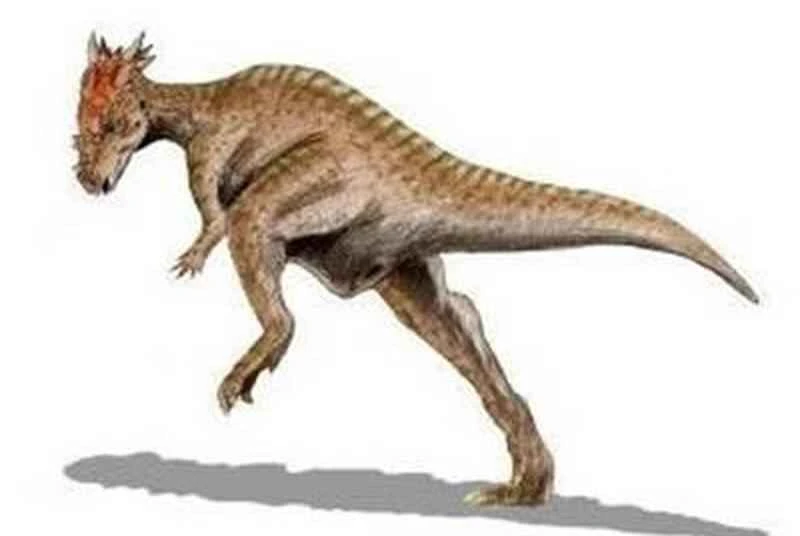
2. Dragon King Dragon
There are a large number of intradermal osteoblasts
Dracore is a genus of pachycephalosaur that lived in North America during the Cretaceous period. It was named by Robert Bakker and its skull was covered with small spikes and lumps.

3. River God Dragon
It looked as if its horns had been plucked off.
Achelousaurus, also known as Achelousaurus, is a genus of ceratopsian dinosaur belonging to the subfamily Ceratopsidae. It lived in North America during the Early Cretaceous period and was a medium-sized ceratopsian, reaching about 6 meters in length. It was a quadrupedal herbivorous dinosaur with a parrot-like beak, raised areas on the tip of its nose and behind its eyes, and two horns at the end of the folds of its neck.
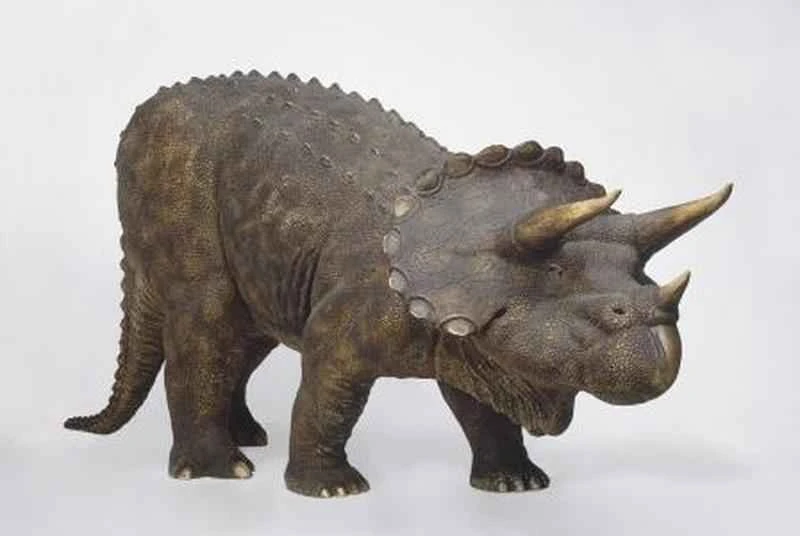
4. Triceratops
One of the most famous dinosaurs
Triceratops (genus name: Triceratops) is a genus of herbivorous dinosaur belonging to the family Ceratopsidae in the order Ornithischia. They had a very large head frill and three horn-like structures, reminiscent of modern rhinoceroses.
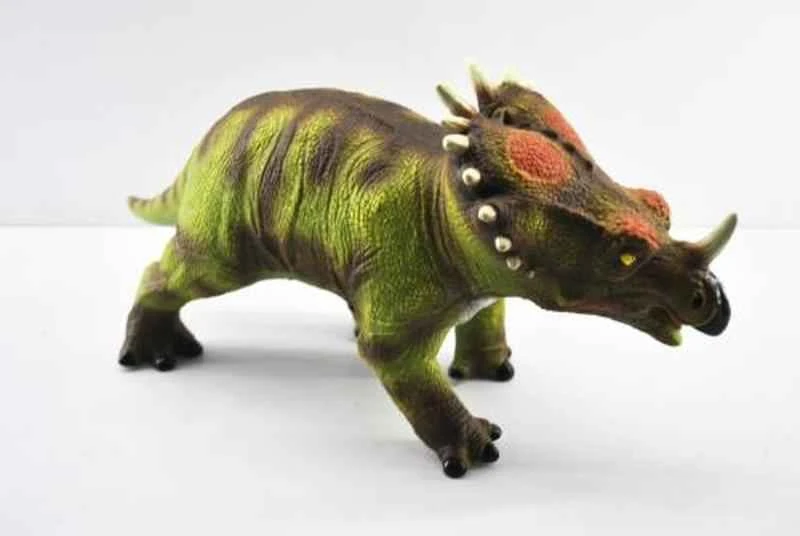
5. Unicorn Dragon
The corners of the nose are very sharp
Unicornosaurus lived in North America during the Late Cretaceous period and was a close relative of Ceratopsus. It had a long, slightly curved horn on its nose that could pierce the flesh of predators.
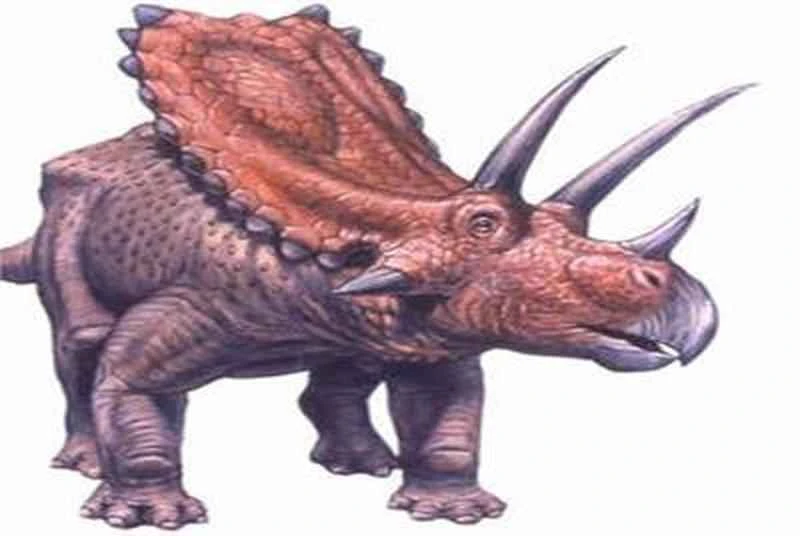
6. Pentapoda
It has five corners
Pentagon was about 8 meters long and weighed an estimated 5,500 kilograms. It lived during the Late Cretaceous period, approximately 75 to 73 million years ago. In addition to two horns on its forehead and one on its nose, it also had spikes below its eyes.
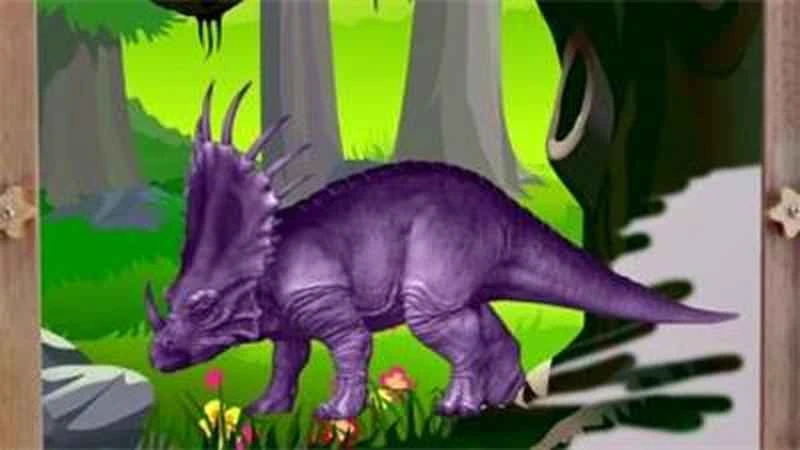
7. Alberta Ceratopsus
There are two curved horns on the top of its head
Albertoceratops was a herbivorous dinosaur from the Late Cretaceous period, measuring 6 meters in length, that lived in the United States and Canada in North America. Its distinctive features included two curved horns on its head and two pointed horns above its eyes, somewhat resembling a pentacerosaur, but with a different mouth.
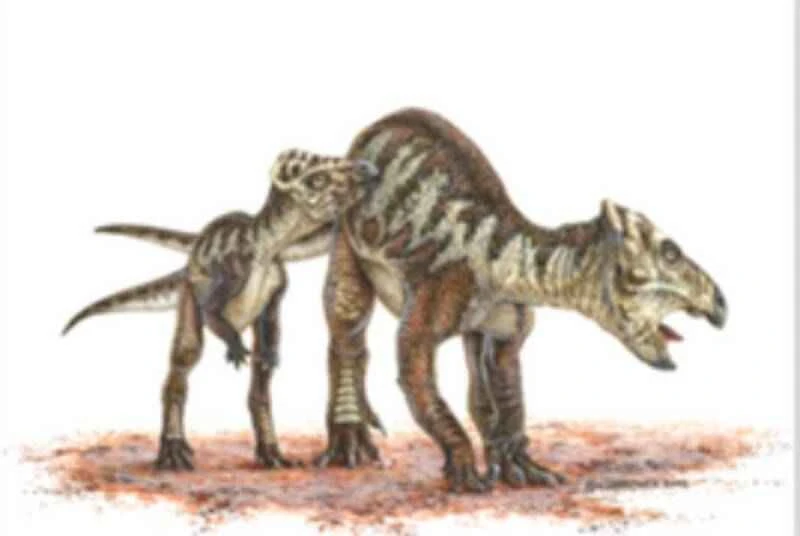
8. Liaoning horned dragon
The earliest known neoceratops in the world
Liaoningosaurus lived during the Early Cretaceous period, approximately 130 million years ago. About the size of a large dog, it was a quadrupedal herbivore. Unlike Triceratops, which had a long neck frill, Liaoningosaurus had a short neck frill and weak zygomatic angles.