Abalone is a traditional and precious ingredient in China, ranking first among the four major seafood delicacies. Europeans also used to eat abalone fresh, calling it "soft gold on the table." Do you know which type of abalone is the most expensive? Today, we bring you the world's ten most expensive abalone varieties, such as netted abalone, Yoshihama abalone, Hema abalone, South African abalone, black gold abalone, New Zealand blue-edged abalone, and wrinkled abalone. Let's take a look.
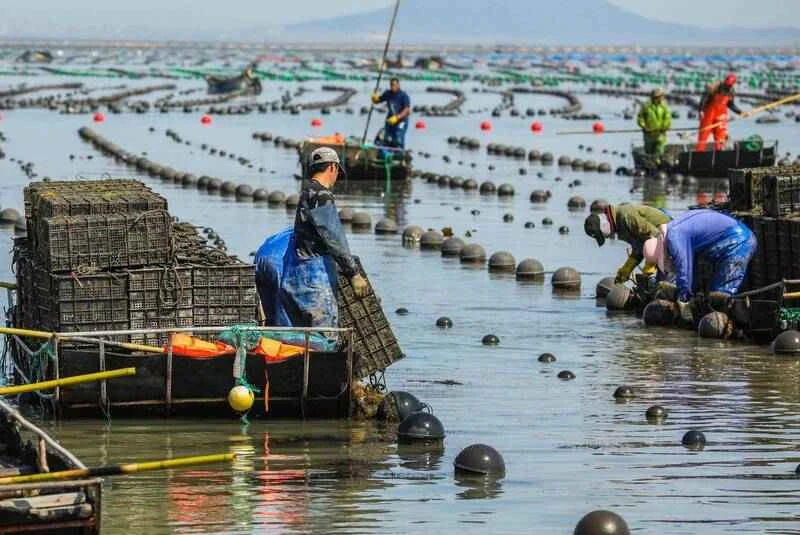
1. Net-grown abalone (King of abalone, one of the world's three most famous abalone)
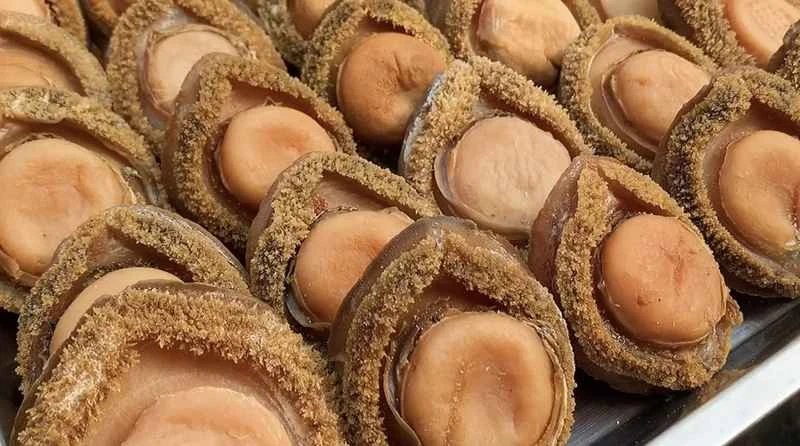
The most prized abalone variety is undoubtedly the Aomori Prefecture's "Net Abalone," renowned as the "King of Abalone." Originating in Aomori Prefecture, Japan, it is considered a top-grade abalone. While originally from Chiba Prefecture, its quality has declined due to seawater pollution, with Aomori Prefecture's abalone now considered superior. This particular Net Abalone is expertly dried by Hanaya, a master abalone expert and one of the world's three most renowned abalone masters. As the premier abalone among Japan's three most famous varieties, Net Abalone is the highest grade of dried abalone, boasting the finest quality and largest size.
2. Yoshipin Abalone (one of the world's three most famous abalone brands)
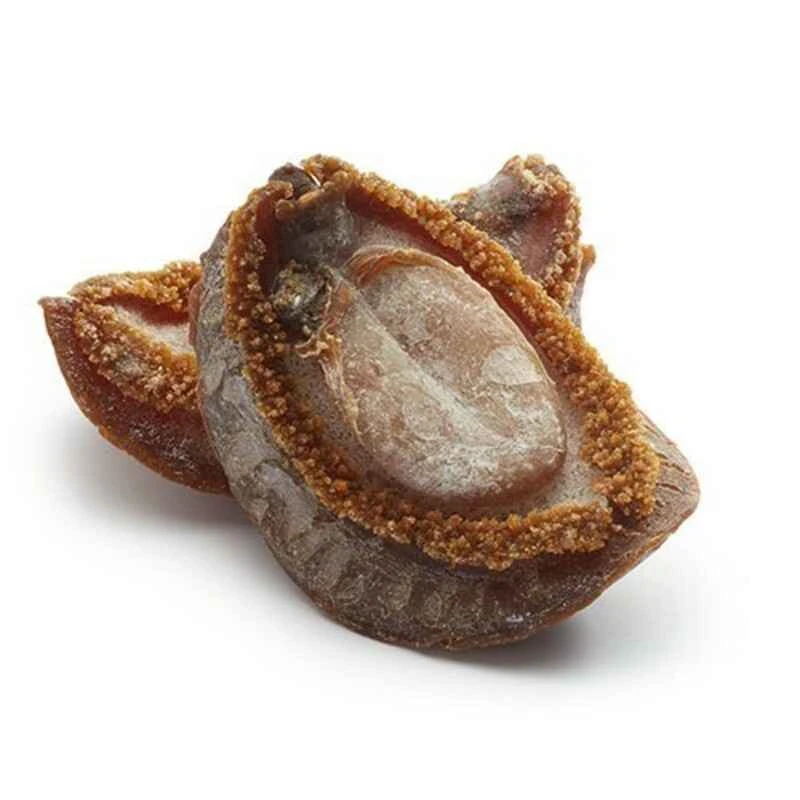
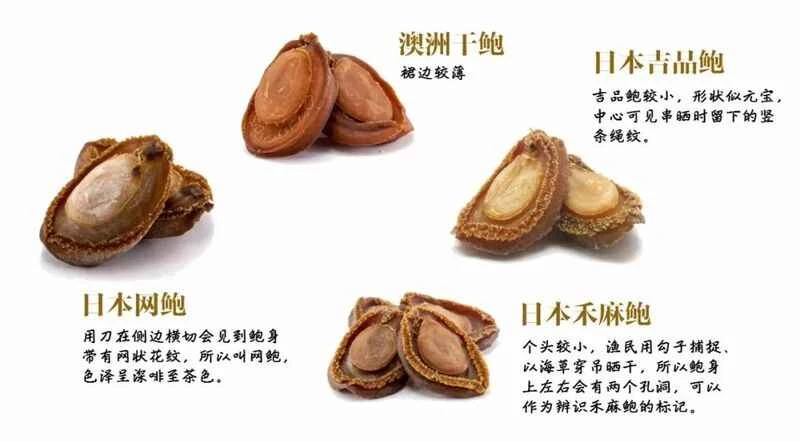
Yoshihama abalone from Iwate Prefecture is one of the most expensive abalone in the world, ranking alongside Hema abalone and Net abalone as one of the world's three most famous abalone. It is prepared by another abalone master, Goro Hirata. Also known as Yoshihama abalone, the best Yoshihama abalone comes from Iwate Prefecture. Shaped like a gold ingot, it is characterized by a central line mark from its traditional drying process. It is firm, flavorful, and smaller than Net abalone. When purchasing, choose abalone with a raised body and a golden color for the best quality. Its relatively affordable market price makes it popular with customers.
3. Hema abalone (one of the world's three most famous abalone varieties)
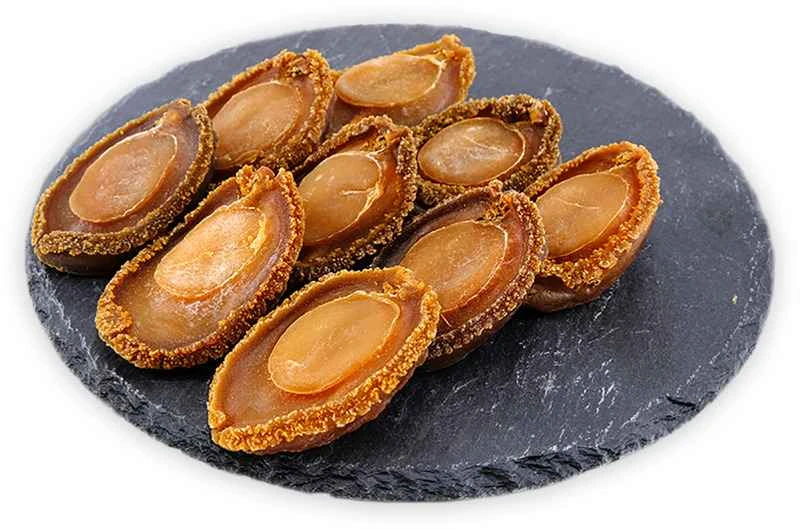
The top-grade abalone, known as "Wo Ma abalone," originates from Omagi in Aomori Prefecture, Japan. The best quality comes from the Kumagai family and is prepared by abalone master chef Kumagai. Wo Ma abalone is boat-shaped, small, with pinholes along its edges, a golden color, and tender, flavorful flesh. Because Wo Ma abalone live in the crevices of rocks on the seabed, the pinholes left by the iron hooks used during harvesting are the best way to identify it.
4. South African abalone (a rare abalone species, endangered)
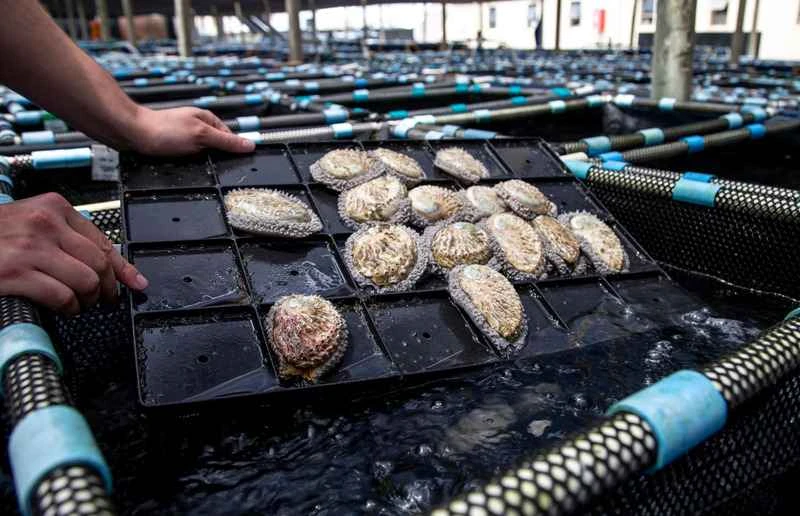
South African abalone is a must-mention among the world's top abalone. Known as peacock abalone in Hong Kong, this precious species is one of only three rare abalone varieties found in South African waters. Due to its large size and high quality, it has always been highly sought after in the international market.
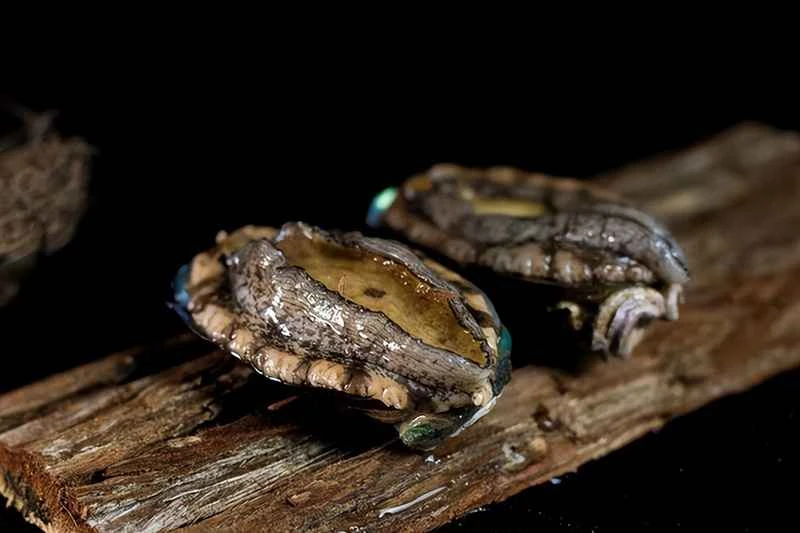
The continued popularity of South African abalone in the international market has led to rampant poaching and smuggling, resulting in a sharp decline in their numbers. Due to their near extinction, South African abalone has been listed in the Convention on International Trade in Endangered Species of Wild Fauna and Flora (CITES), severely restricting its trade.
5. Black Abalone (New Zealand's national symbol)
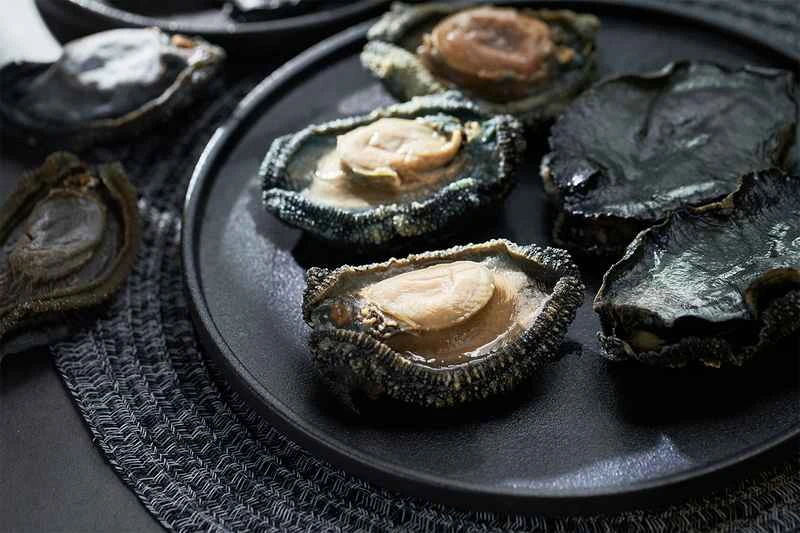
The black abalone is a famous abalone that is unique to New Zealand and is one of the national symbols of New Zealand. It is a pure wild, pollution-free, high-end seafood delicacy and one of the most famous abalone. The black abalone has a firm texture and a sweet and mellow aroma. The abalone meat can be soft and smooth or firm and bouncy. It usually takes about 8-10 years for a black abalone to grow to the smallest size that can be harvested.
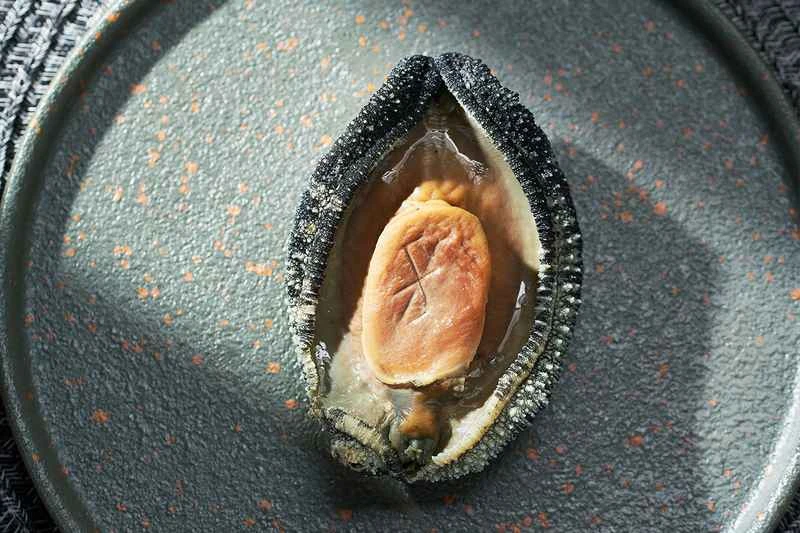
The black membrane is rich in unique abalone polysaccharides and abalone spores. These two components are recognized as having unique effects in preventing cancer and inhibiting tumor growth, and are basically only sold in high-end restaurants in major cities across China.
6. Blue-edged abalone (the blue elves of the deep sea)
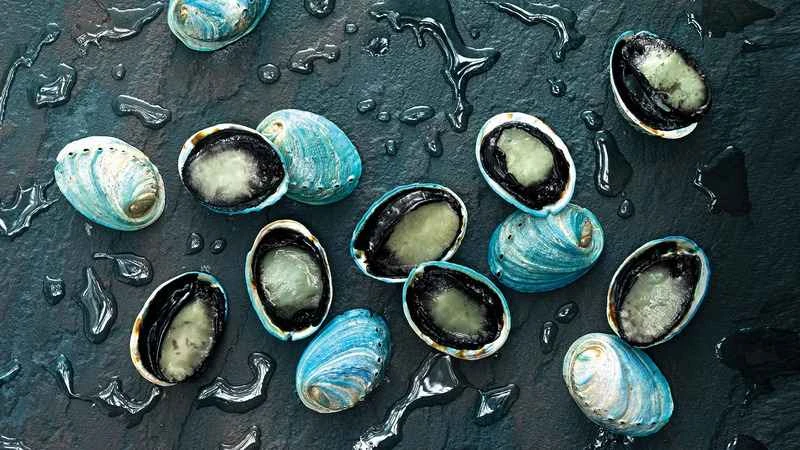
New Zealand blue abalone, also known as New Zealand blue abalone, is one of the most expensive abalone species. This species comes from the deep waters of New Zealand, has a very low yield, and is extremely rare. It has a particularly delicate appearance and is named blue abalone because of its blue shell.
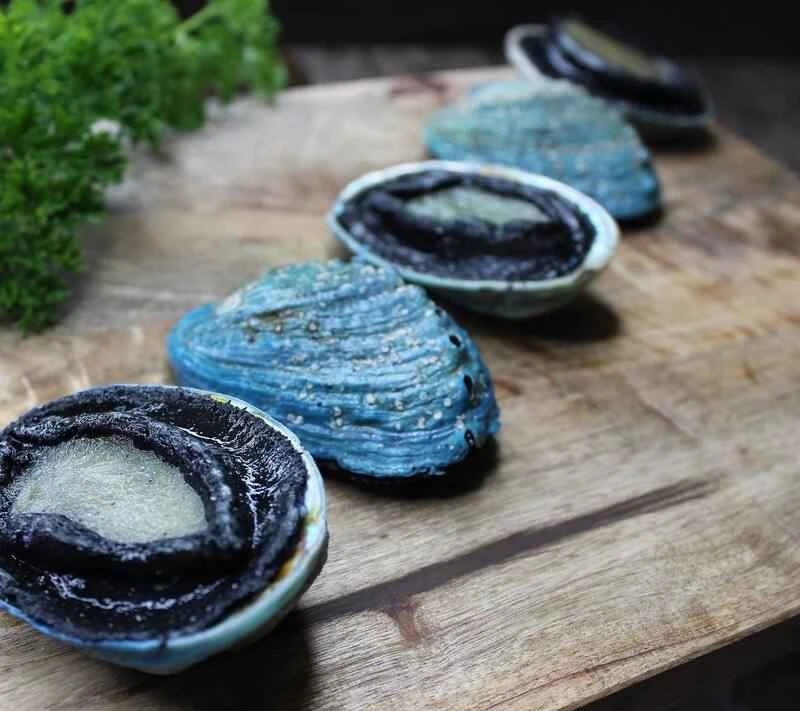
Its shell is not only beautiful in color, but also quite clean, earning it the nickname "the blue elf of the sea." With its thin shell and abundant meat, it is perfect for sashimi. When making sashimi, you can first use a toothbrush to clean the black parts of the abalone. If you can't brush them off, use a knife to cut them off. After cleaning, put it in ice water to cool it down so that the abalone meat becomes more tender. Then you can dip it in soy sauce to enjoy it.
7. Wrinkled Abalone (King of Seafood)
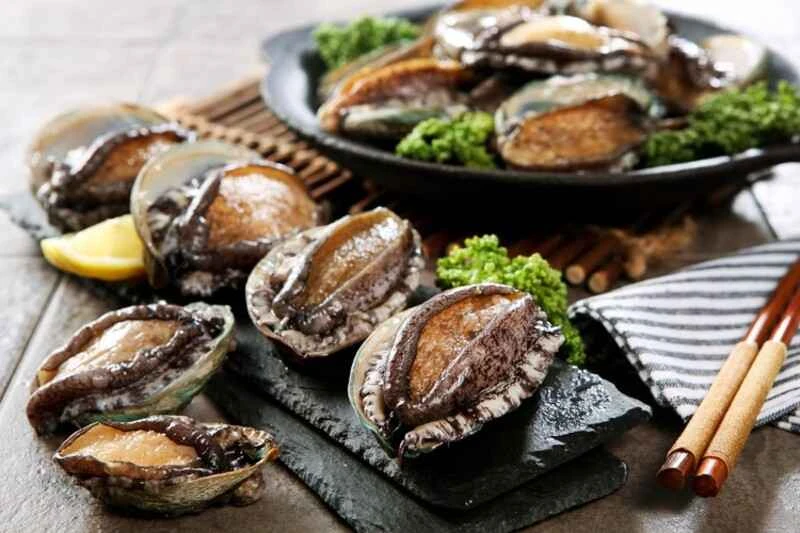
China also has many precious abalone, among which the best abalone is the wrinkled abalone, commonly known as "four-hole abalone" or simply "abalone". It is a high-quality species in the abalone family and is known as the "king of seafood". Its meat is tender and nutritious. It has been one of the "eight treasures of the sea" since ancient times, and its price is basically four times that of variegated abalone.
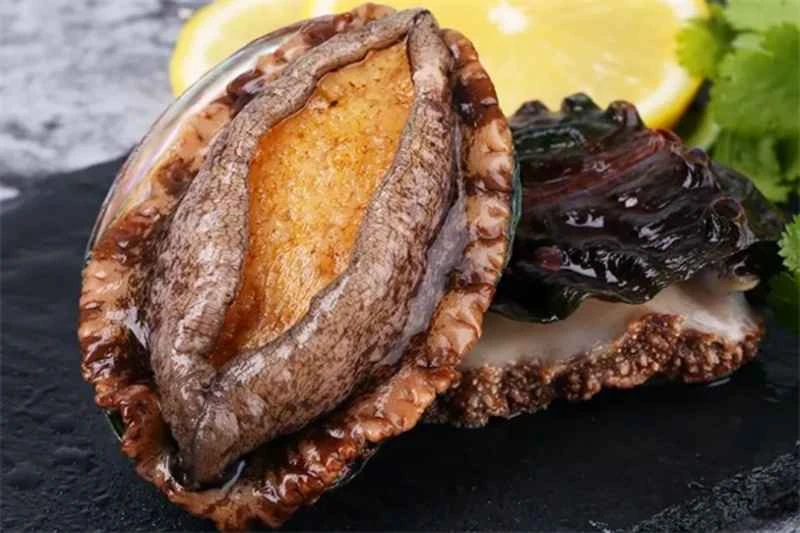
Besides being eaten fresh, abalone can also be processed into canned goods or dried abalone, all of which are expensive. Abalone shells are the famous Chinese medicine Shi Jue Ming, and also an important material for making shell carvings, making them a treasure from head to toe.
8. Jade Abalone (the finest of farmed abalone)
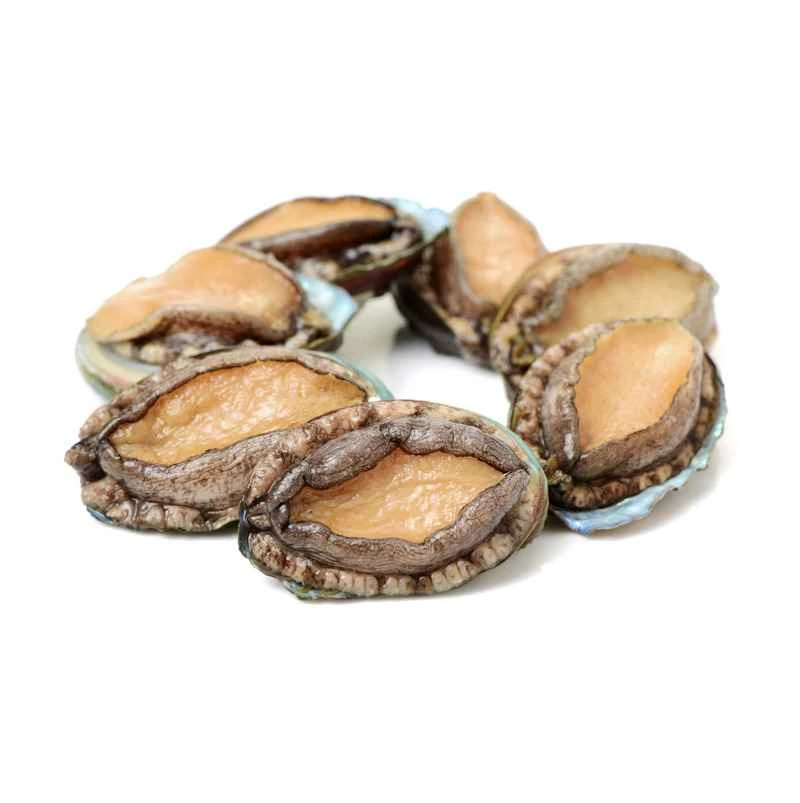
There are four types of wild abalone commercially caught in Australian waters: black-edged abalone, green-edged abalone, brown-edged abalone, and giant freshwater abalone. The Australian jade abalone is a hybrid of the Australian green-edged and black-edged abalone.
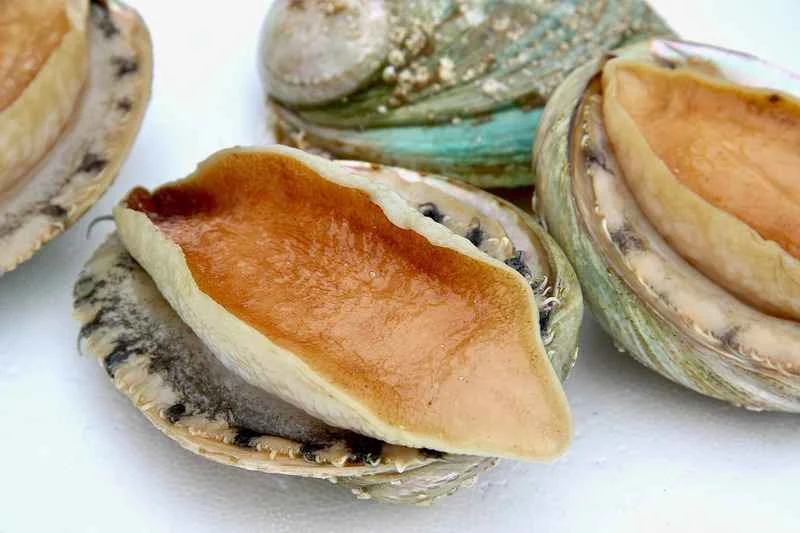
Only found in the isolated geographical environment, cool waters, and clean air of Tasmania, Australia, this unique abalone is considered the finest among farmed abalone. It is characterized by its sweet taste, moderate texture, and distinctive flavor, and can be served as sashimi.
9. Green-edged abalone (top-grade Australian abalone)
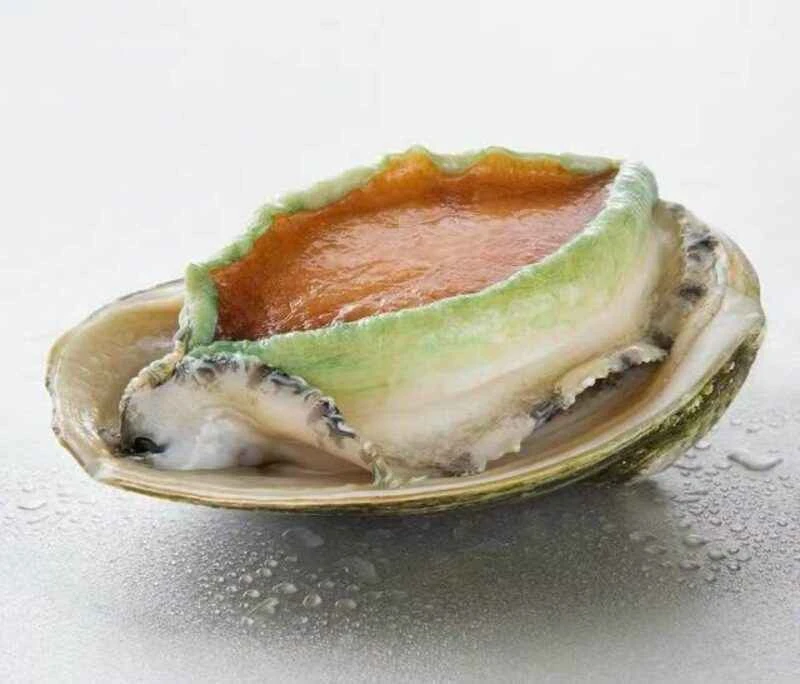
Australian abalone is very famous, and the green-lipped abalone is the best produced in southwestern Australia. It is considered the top-grade abalone in Australia. This species is mainly distributed in Tasmania and has a lower yield compared to other abalone species.
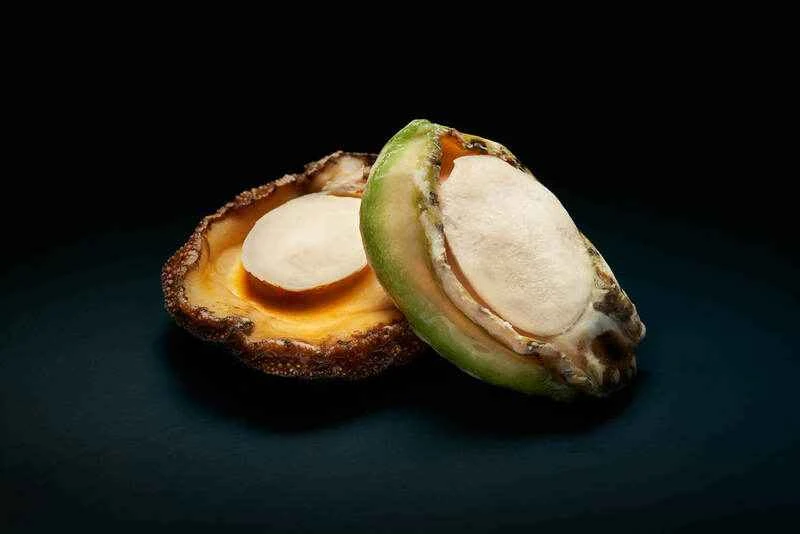
It's worth mentioning that Australian abalone is typically flash-frozen immediately after being caught to preserve its perfect sashimi-quality texture. This makes it fresher, sweeter, and more tender than other abalone on the market. The flash-freezing technology maintains its freshness, making authentic flash-frozen abalone feel as fresh as if it were just caught from nature. With its tender flesh, savory and flavorful taste, and chewy texture, it's suitable for braising, stir-frying, or sashimi. The editor at Maigou.com especially recommends it for soups.
10. Red abalone (the world's largest group of abalone)
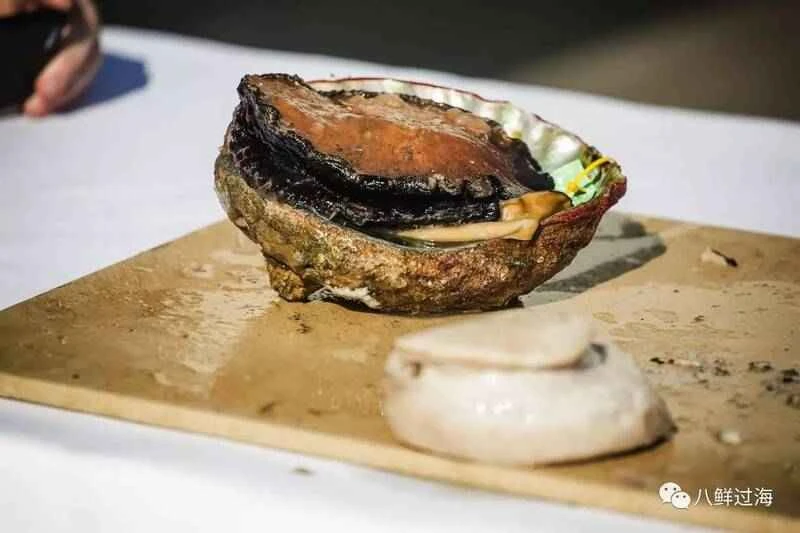
Red abalone, also known as California abalone, originates from the Pacific coast of the United States and Mexico. It is the most economically valuable abalone species in California, USA, and can be found along the Pacific coast of the Americas, from the Baja Peninsula in Mexico to Oregon in the United States. Its shell is brick red, hence the common names "red abalone" or "red robe abalone." It grows rapidly, and its shell can reach a maximum length of 11.76 inches, making it the largest known abalone in the world. Wild-caught abalone have an average shell length of 6 to 8 inches, and this California red abalone is very expensive.
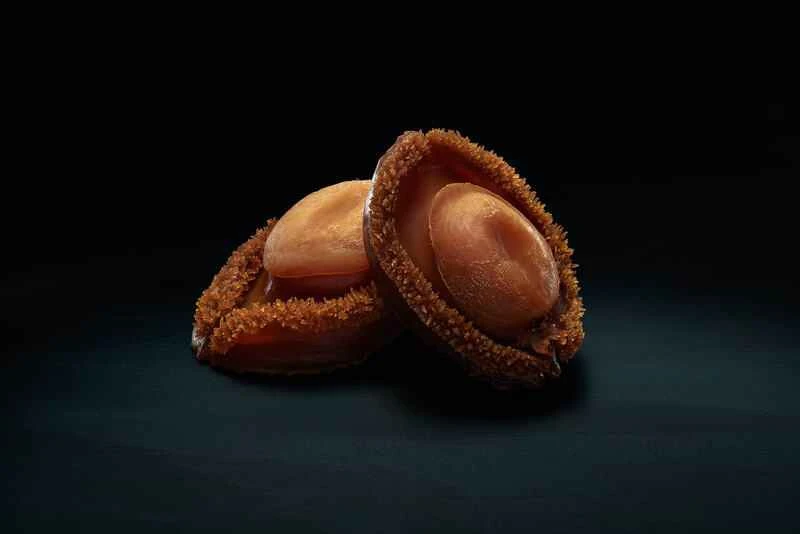
The ranking of the world's ten most expensive abalone is mainly based on abalone prices and popularity, and also takes into account relevant internet rankings and lists. If you have any questions, please feel free to comment or criticize at the end.