While the number of endangered species worldwide continues to rise, there is some positive news: some species are recovering from the brink of extinction. Here are a few success stories demonstrating the power of science and conservation efforts.
1. Devonton's Golden Mole
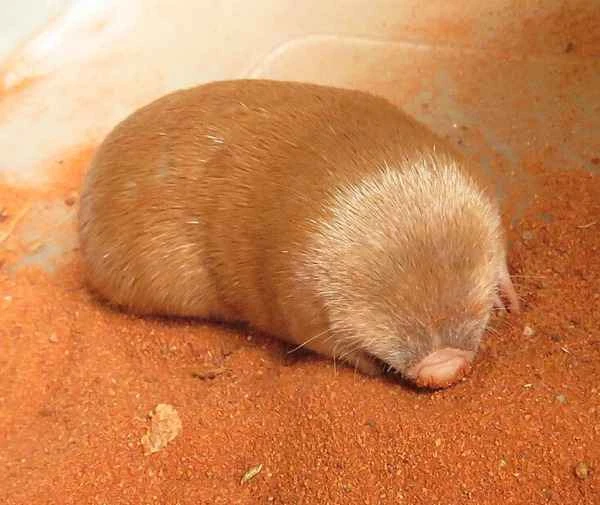
The Dwindon's golden mole, thought to be extinct since 1937, has recently been rediscovered near Port Nolos, South Africa. This significant discovery, made possible by the collaboration of conservationists and a trained dog, brought the golden mole back to the public eye after 86 years. This is not only a successful search for a lost species but also a milestone in species conservation.
2. Scimitar-horned oryx
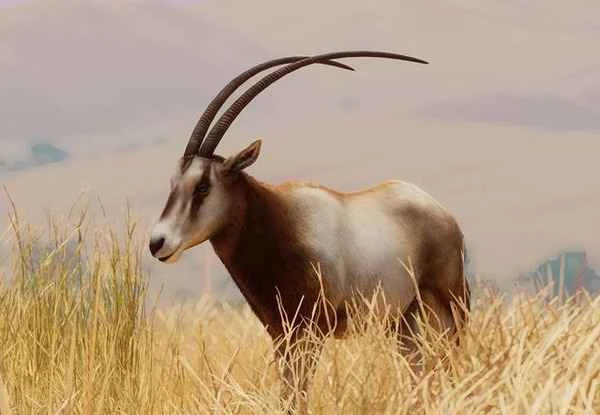
The scimitar-horned oryx is extinct in the wild; however, the efforts of the UAE Animal Welfare Association and global conservation organizations have enabled the reintroduction of this antelope into its natural habitat. Through a breeding program, more than 500 calves have been born outside captive breeding grounds in Chad, and the International Union for Conservation of Nature (IUCN) has downgraded the species on the Red List, acknowledging that it has established a self-sustaining population.
3. Golden Lion-faced Tamarin
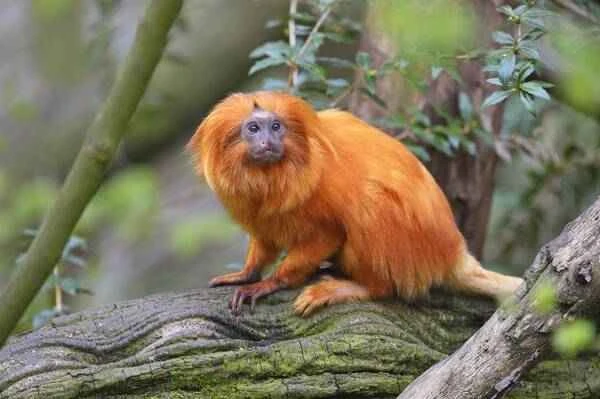
The golden lion tamarin was on the verge of extinction in the 1970s, with only about 200 individuals remaining in the wild. Through habitat restoration, vaccination, and the reintroduction of zoo-raised primates into the wild, the golden lion tamarin population has recovered to approximately 4,800. This successful conservation effort demonstrates how humans can help restore endangered species.
4. Bald Eagle
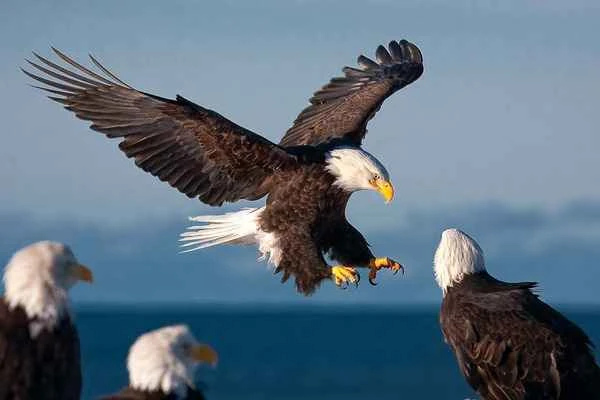
Bald eagles are a national symbol of the United States; however, their numbers had plummeted to just 417 pairs by 1963, primarily due to hunting, habitat loss, and the use of the pesticide DDT. The U.S. government enacted the Bald Eagle Protection Act in 1940 and banned DDT in 1972. A series of recovery programs have restored bald eagle populations to a respectable level, demonstrating the effectiveness of the laws and conservation measures.
5. Black-footed Weasel
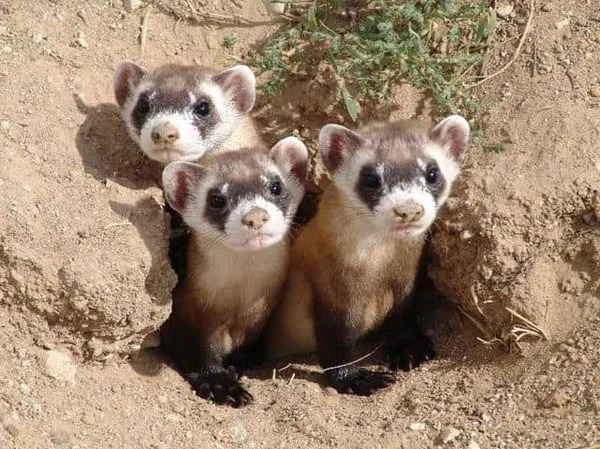
The black-footed ferret, once thought to be extinct due to habitat loss, reappeared on a ranch in Wyoming in 1981. Captive breeding programs and habitat restoration efforts have helped restore wild black-footed ferret populations. However, despite this progress, the black-footed ferret remains endangered, facing ongoing threats such as habitat loss, plague, and human activity.
6. California Condor
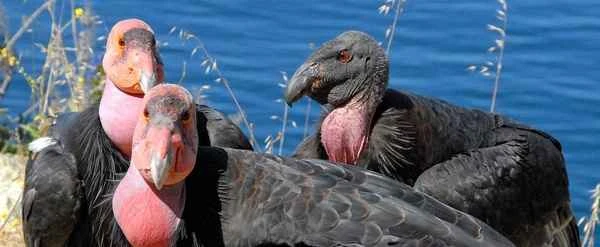
The California bald eagle nearly went extinct in the 1980s, with only 27 individuals remaining. Through breeding programs and habitat conservation, the bird's population has rebounded to around 500 in recent years, becoming a model of successful recovery.
7. Tasmanian tiger
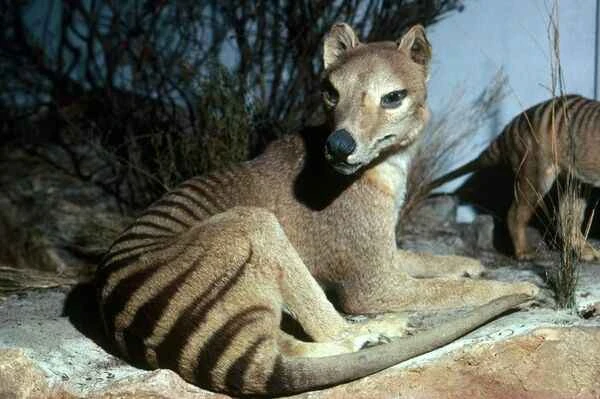
Although the Tasmanian tiger was thought to be extinct in the 1930s, scientists are working to find opportunities for its revival through genetic techniques and the restoration of its wild habitat. While not yet fully recovered, this effort offers a new perspective on species conservation.
8. Crested Ibis
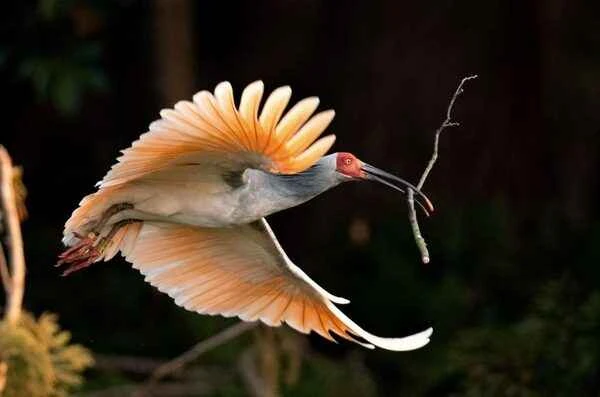
The crested ibis was thought to be extinct in China in the 1970s, but thanks to breeding and conservation efforts in Japan, its population has gradually increased. Today, the number of crested ibises in the wild has recovered to several hundred, marking a successful case of species conservation.
The role of science
Science is playing an increasingly important role in the dialogue on biodiversity extinction. Advances in genetics and innovative technologies have raised questions about the possibility of bringing extinct species back to life. Geneticist Andrew Pask is collaborating with extinct species revival company Colossal Biosciences to attempt to reintroduce a species that went extinct in the 1920s—the thylacine, a wolf-like creature—using advanced genetic technology.
Focus on biodiversity
While science plays a vital role in protecting certain species, a global focus on biodiversity conservation remains paramount. According to the IUCN Red List, over 44,000 species are currently threatened with extinction, representing 28% of all assessed species. Countries should coordinate their efforts to make actions to protect endangered species more organized and systematic.
From the Devonton's golden mole to the California bald eagle, these resurgences remind us that despite challenges, successful conservation efforts are still possible. Through scientific advancements and sustained conservation efforts, we can create a better future for these endangered species and drive the recovery of biodiversity on Earth.