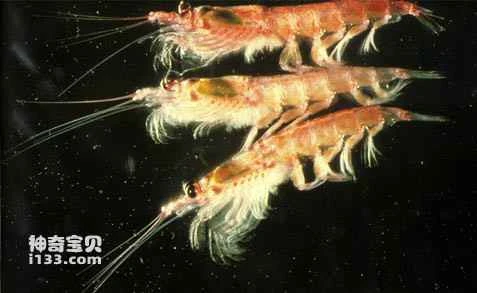
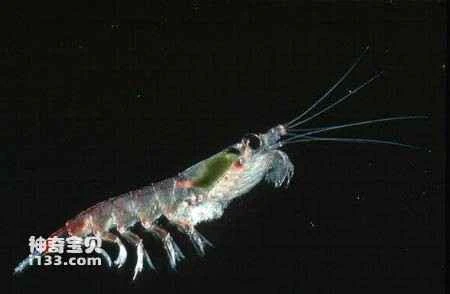
Antarctic krill are a type of crustacean zooplankton that live in the Southern Ocean. They are small, typically 3-5 centimeters in length. However, their reserves are staggering, estimated at 400-600 million tons, with some estimates reaching 5 billion tons. They play a vital role in the Southern Ocean food chain, serving as food for seals, whales, and penguins, and are an important marine biological resource.
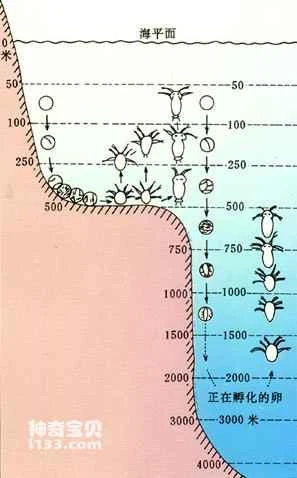
Krill development process
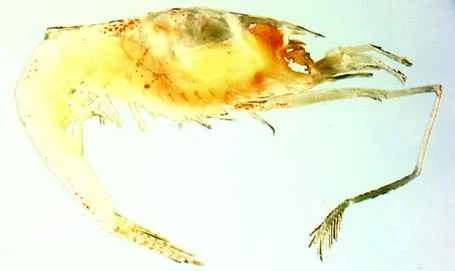
The life cycle of krill is quite fascinating. After krill eggs are laid in the water, they sink continuously before hatching, incubating as they descend, sometimes to depths of hundreds of meters, even over 2000 meters, before the larvae hatch. The larvae then rise to the surface as they develop, continuing to develop until they reach almost the surface. At this stage, they can forage, grow, and congregate in groups on the surface. Once mature, they then reproduce and reproduce.