Uruguay, located in the southeastern corner of South America, is a small country with diverse topography and biodiversity, including grasslands, hills, forests, wetlands, and coastal areas. These natural environments have fostered abundant native wildlife resources, forming an important part of the country's ecosystem.
In this article, we'll introduce you to 13 native animals of Uruguay, including mammals, birds, reptiles, and amphibians. It's important to note that "native animals" are not the same as "endemic species"—while they may be naturally distributed in Uruguay, they could also exist in other countries or regions.
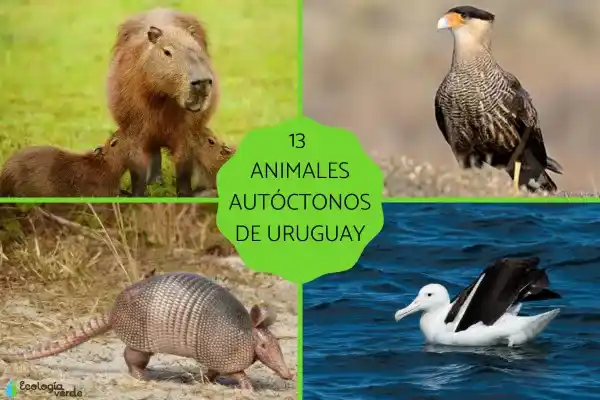
1. Northern Royal Albatross (Diomedea sanfordi)
This is a large seabird found in the South Pacific, renowned for its enormous wingspan and elegant gliding. Its numbers are declining rapidly due to bycatch and marine pollution.
Distribution environment : Coastal and offshore areas of the Southern Hemisphere.
Conservation status : Listed as “Endangered” (EN) by the IUCN.
Threat factors : Incidental catches from longline fishing, marine plastic pollution.
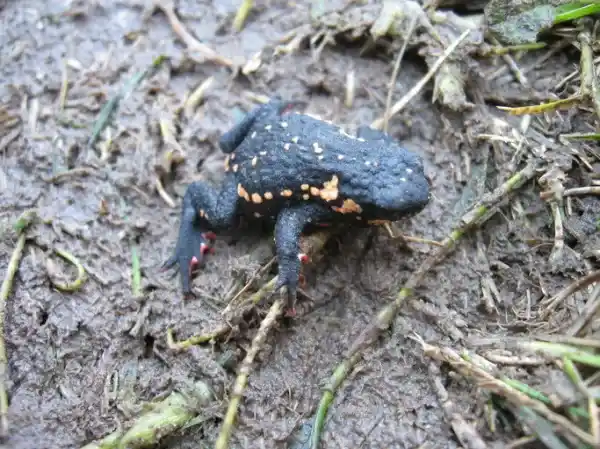
2. San Martin's toad (Melanophryniscus sammartini)
A small, brightly colored toad, mainly found in the mountainous regions of northern and eastern Uruguay. It is an important indicator species in the ecosystem.
Ecological function : It preys on insects, which helps control the number of pests.
Protection level : IUCN classifies it as "Near Threatened" (NT).
Threat factors : deforestation, soybean cultivation, climate change.
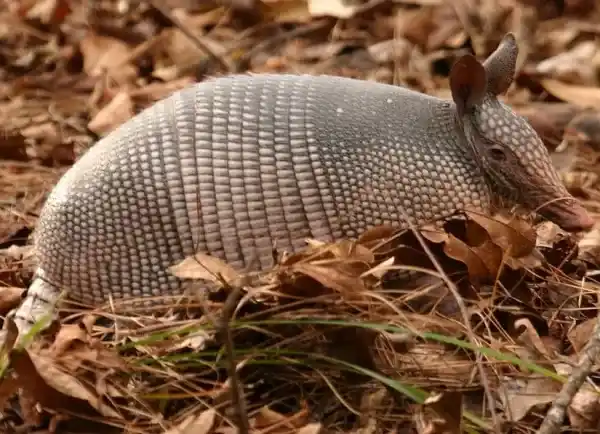
3. Hairy armadillo (Euphractus sexcintus flavimanus)
Commonly known as "tatú peludo" or "yellow-haired armadillo," it is a mammal whose entire body is covered with scales and is known for its burrowing lifestyle.
Habitat : woodlands, grasslands, shrublands, etc.
Diet : Omnivorous, including insects, plant roots and stems, and small vertebrates.
Protection status : Not in danger (LC).
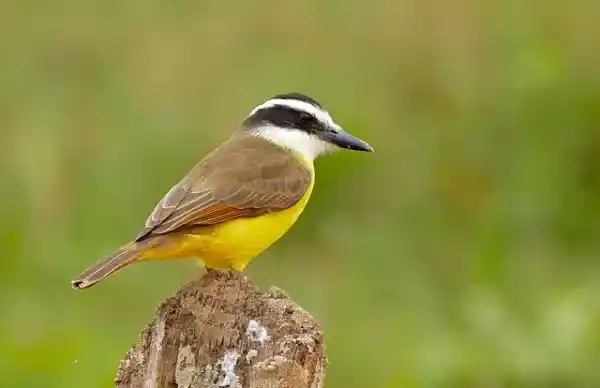
4. Yellow-breasted Flycatcher (Pitangus sulphuratus)
Also known as "benteveo", it is a bird with a loud call, black and white stripes on its head, and a bright yellow breast.
Distribution range : throughout Uruguay, especially in areas near water.
Diet : Omnivorous, including insects, small aquatic fish, fruits, etc.
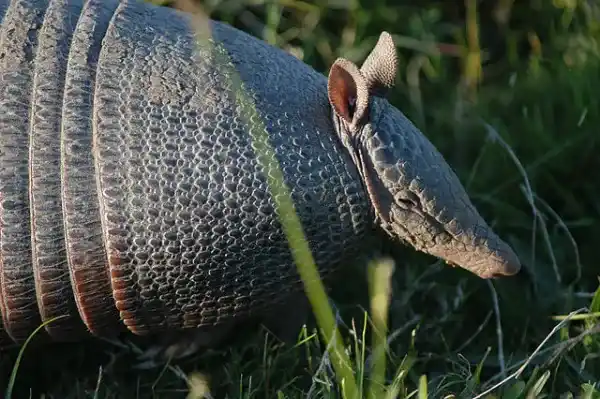
5. Long-nosed armadillo (Dasypus hybridus)
Often called "mulita," it is one of the armadillo species endemic to Uruguay. It has a relatively long snout, which it uses to dig for food.
Main food : insects and invertebrates.
Survival challenges : hunting and habitat loss.
IUCN Classification : Near Threat (NT).
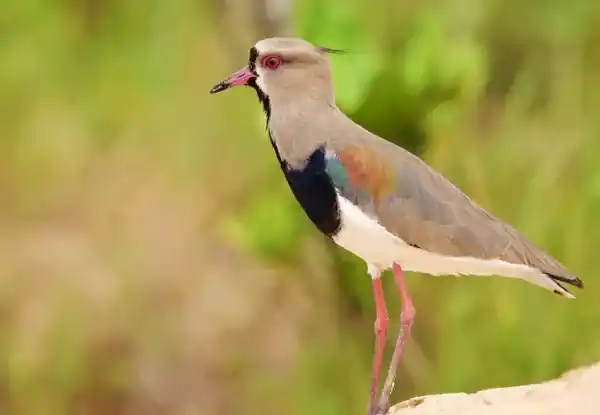
6. South American Crowned Plover (Vanellus chilensis)
This bird is commonly found in wetlands, marshes, and grassy areas near water. Its call is very sharp, and it is a typical territorial bird.
Nesting habits : Nests are built on the ground.
Food sources : small invertebrates and insects.
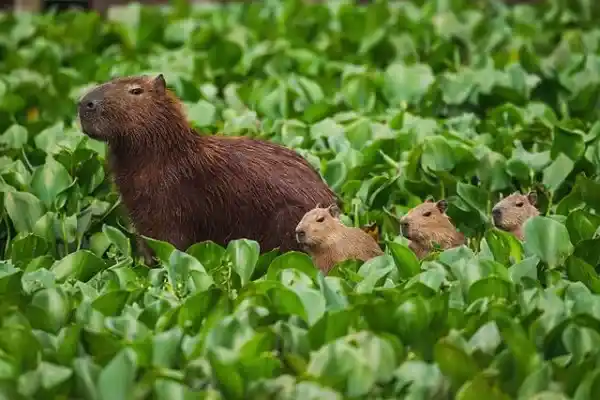
7. Capybara (Hydrochoerus hydrochaeris)
The world's largest rodent, known as "carpincho" or "capibara" in Uruguay. It is docile, lives in groups, and is commonly found along the edges of swamps and lakes.
Protection level : Near Threat (NT).
Main threats : illegal hunting and habitat destruction.
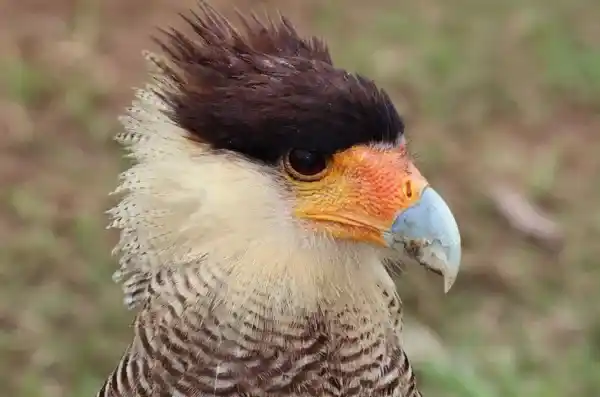
8. American Vulture (Caracara plancus)
Commonly known as a "carancho," it belongs to the eagle family (Accademia). It has a black crest, yellow legs, and primarily feeds on carrion.
Behavioral characteristics : It spends more time on the ground than other birds of prey.
Ecological function : Removing animal carcasses contributes to ecological hygiene.
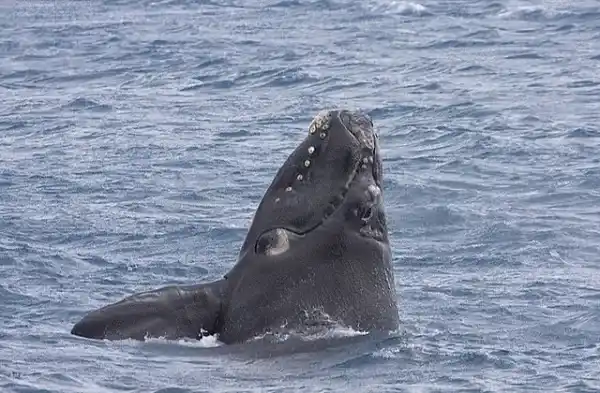
9. Southern Right Whale (Eubalaena australis)
A large baleen whale with no dorsal fin, a black body, and white spots on its belly. Commonly found in the coastal waters of Uruguay.
Body length and weight : up to 15 meters long and weighing over 45 tons.
Feeding method : Filter feeding on plankton (such as krill).
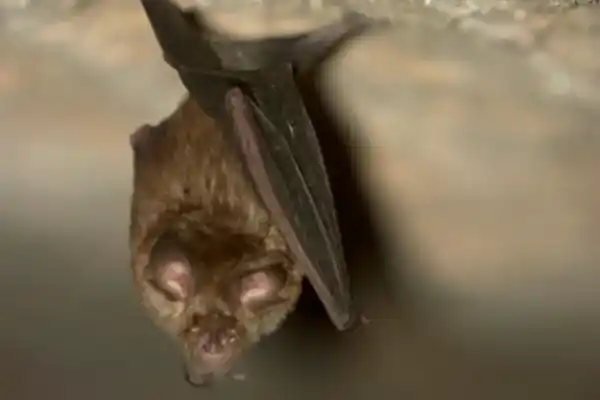
10. Rat-tailed bat (Tadarida brasiliensis)
This is a common nocturnal bat that mainly feeds on insects and is well-suited to living in urban environments.
Habitat : caves, rock crevices, tree holes, and building eaves.
Important role : Controlling insect populations, especially mosquitoes.
11. Bottlenose dolphin (Tursiops truncatus)
Also known as "delfín mular," they are commonly found along the coast of Uruguay. They are intelligent, lively, and prefer to live in groups.
Conservation status : “Least Concern” globally, but numbers are declining in Uruguay.
Sources of threat : marine pollution, human activities, and maritime traffic noise.

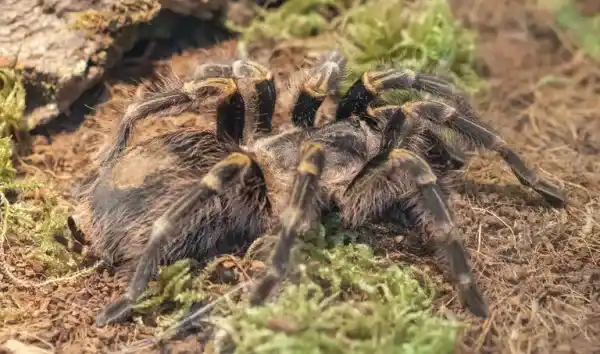
12. Rose Spider (Grammostola anthracina)
Commonly known as the "chicken spider" or "pink baboon," this is a widely distributed terrestrial spider that is a nocturnal predator.
Ecological characteristics : It feeds on insects and has a lifespan of up to 20 years.
Habitat : Under tree trunks, under rocks, or in piles of fallen leaves.
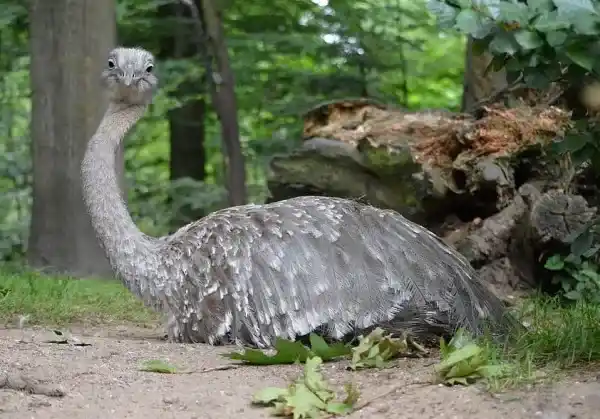
13. Rhea americana
The largest bird in South America, it cannot fly but is adept at running, similar to the African ostrich. It lives in the plains and farmlands of Uruguay.
Diet : Omnivorous, mainly consisting of plant seeds, insects, and small animals.
Characteristics : Long legs, grayish-brown feathers, and large size.
Conclusion
While not all of Uruguay's native animals are "endemic species," they collectively constitute Uruguay's unique ecological identity. Human activities, habitat destruction, and climate change are threatening these species. Protecting native animals is not only about biodiversity but also about Uruguay's natural heritage and ecological security.