Nicaragua, the largest country in Central America, boasts rich biodiversity. The country is home to 68 terrestrial and aquatic ecosystems, and more than 14,000 species of invertebrates and 1,800 species of vertebrates. However, due to habitat degradation, fragmentation, and loss, many native Nicaraguan animals are facing a severe survival crisis.
This article will list 42 endangered animal species in Nicaragua to help people understand the current status of local species and raise public awareness of the need to protect these species.
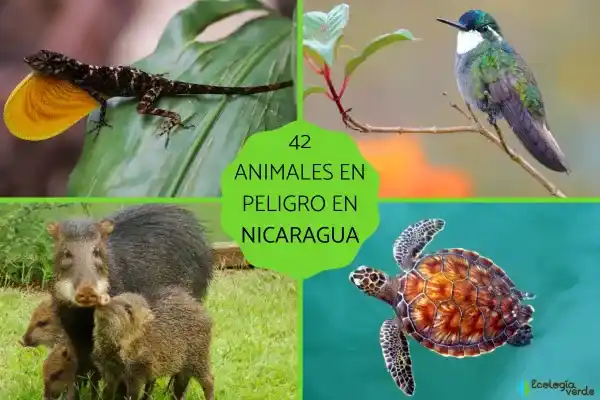
I. Introduction to Key Endangered Species
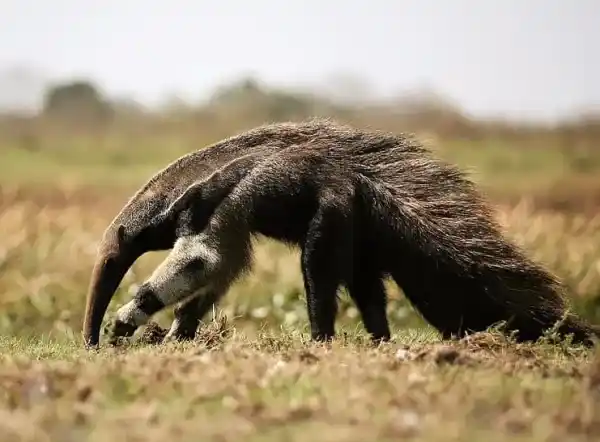
1. Giant anteater (Myrmecophaga tridactyla)
The giant anteater is one of the most iconic mammals of South America, with a wide distribution, recorded from Guatemala to northern Argentina. They typically inhabit rainforests, savannas, and grasslands, feeding mainly on ants and termites, using their long, sticky tongues to eat. Giant anteaters are usually solitary animals.
Its numbers are declining due to habitat destruction caused by agricultural expansion (particularly palm and rice cultivation) and grazing activities. Although the IUCN (International Union for Conservation of Nature) lists it as "Vulnerable (VU)," it is listed as "Endangered (PE)" in the Nicaraguan Red List of Mammals.
2. Spider monkey (Ateles geoffroyi)
Spider monkeys are the most threatened primates in Nicaragua, living in the tropical rainforests of Central and South America, primarily in the upper canopy. They feed on fruit and are highly dependent on their habitat.
Deforestation, illegal hunting, and the trade in pets have led to a significant decline in its population. The species has been identified as endangered.

3. Jaguar (Panthera onca)
Jaguars are the largest cats in the Americas. They are excellent swimmers and prefer to live in forests and wetlands near water sources. They are opportunistic predators, not picky about the type of prey they hunt, and are active both day and night.
This iconic species is facing extinction due to deforestation, habitat loss, and poaching. The IUCN classifies it as "Near Threatened (NT)," while it is listed as "Endangered" within Nicaragua.

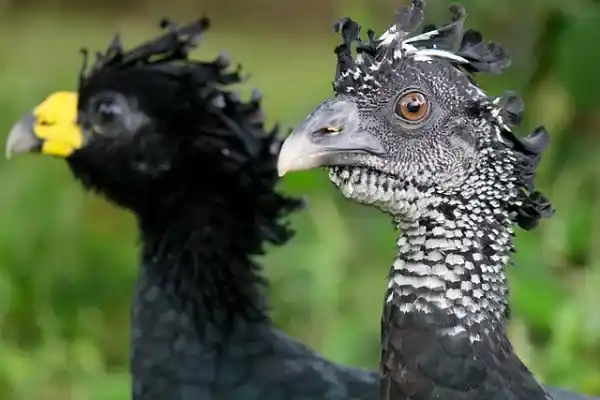
4. Great Crested Pheasant (Crax rubra)
This is a tropical bird that is distributed from southern Mexico to Colombia and Ecuador, inhabiting low-altitude humid tropical forests, and mainly feeding on fruits and seeds.
Overhunting and deforestation have caused a sharp decline in their numbers. The IUCN classifies them as "Vulnerable (VU)," while Nicaragua lists them as "Endangered."
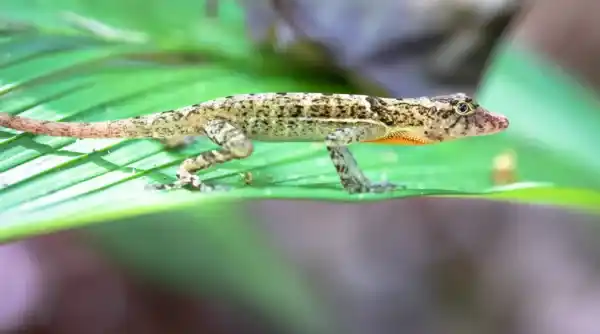
5. Anoli lizard (Norops humilis)
This is an oviparous lizard widely distributed in Nicaragua, Costa Rica, and Panama. It lives in humid mountain forests and feeds primarily on insects and arthropods. Its population is declining due to habitat fragmentation and pollution caused by land-use changes (agriculture, livestock, and forestry). While not yet assessed by the IUCN, it is listed as “endangered” on Nicaragua’s National Red List.
II. List of other endangered animals in Nicaragua (37 species in total)
The following are other known endangered native animal species in Nicaragua (classified by category):
mammal
Yellow-throated bat (Lampronycteris brachyotis)
Phylloderma stenops
Louis Yellow-shouldered Bat (Sturnira luisi)
Central American fruit bat (Artibeus inopinatus)
Pale Building Bat (Uroderma magnirostrum)
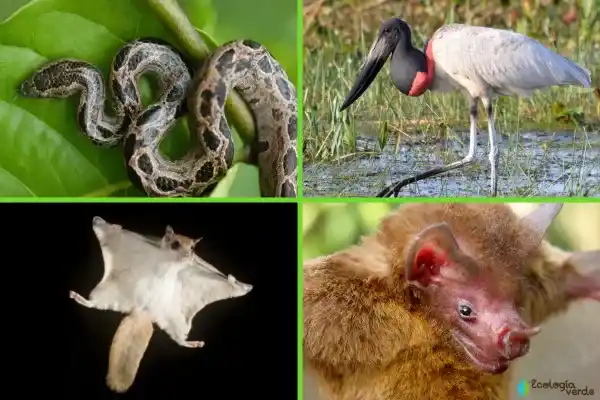
Thumbless bat (Furipterus horrens)
Golden-eared sucker bat (Thyroptera discifera)
Lamat has squirrels (Sciurus richmondi).
Flying squirrel (Glaucomys volans)
Rama rice rat (Oryzomys dimidiatus)
Highland harvester (Reithrodontomys paradoxus)
Caribbean dugong (Trichechus manatus)
Tapir (Tapirus bairdii)
White-lipped wild boar (Tayassu pecari)
birds
Giant hornbill (Tinamus major)
Musk duck (Cairina moschata)
Black Magpie Pheasant (Penelopina nigra)
Ant-cuckoo (Neomorphus geoffroyi)
Sibilla hummingbird (Lampornis sybillae)
Abeillia abeillei (The Abeillia Hummingbird)
Jabiru mycteria (American stork)
Crowned Eagle (Morphnus guianensis)
Raven (Corvus corax)
Common crossbills (Loxia curvirostra)
Reptiles and amphibians
Morelett lizard (Mesaspis moreletti)
Talamanca poison frog (Allobates talamancae)
Leaf frog (Craugastor lauraster)
Earthworm (Oedipina nica)
Rainbow Flying Frog (Ecnomiohyla pictiventris)
Green sea turtle (Chelonia mydas)
Costa Rican blind snake (Amerotyphlops costaricensis)
Dipsas articulata (Two-colored hook-nosed snake)
Koehler salamander (Oedipina koehleri)
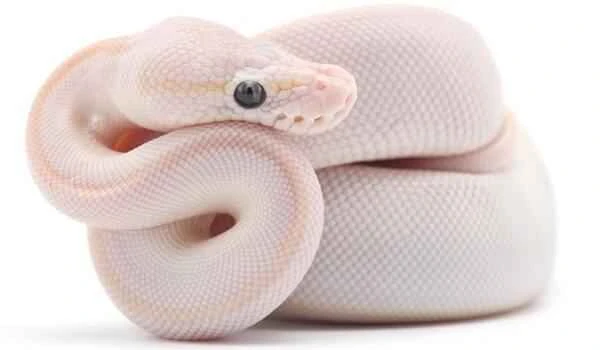
Northern dwarf python (Ungaliophis continentalis)
Southern dwarf python (Ungaliophis panamensis)
Striped Crystal Tail Snake (Urotheca pachyura)
Mountain stream frog (Ptychohyla hypomykter)
III. Conclusion: How to protect Nicaragua's endangered animals?
Nicaragua's biodiversity faces significant threats, with human activity being the primary contributing factor. We need to take the following measures:
Increase the area and number of nature reserves
Promote environmental education and wildlife conservation knowledge
Strengthen the fight against illegal hunting and habitat destruction
Support endangered animal monitoring and scientific research projects
Develop sustainable agriculture and forestry to reduce disturbance to pristine ecosystems.
Only through public participation can we truly protect these precious ecological resources. Caring for endangered animals is caring for our future.
If you would like to learn more about endangered animals, please visit our "Endangered Animals" category page.
References
Nicaraguan Red List of Mammals: http://www.bio-nica.info/RevNicaBiodiv/30-ListaRojaMamiferosNicaragua.pdf