The Kagu (Rhynochetus jubatus), commonly known as the Kagu, is a fascinating bird native to New Caledonia, an island group in the southwestern Pacific Ocean. This unique species is renowned for its striking appearance, distinctive behavior, and conservation status. This article will explore the Kagu's characteristics, habitat, diet, conservation status, and conservation efforts.
What is a Kagu bird?
Physical characteristics
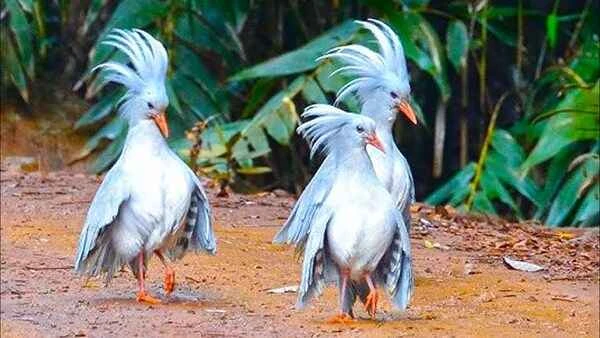
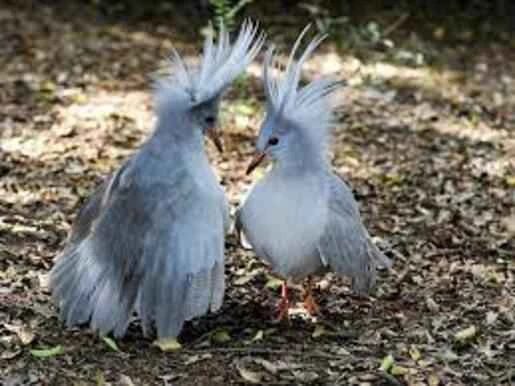
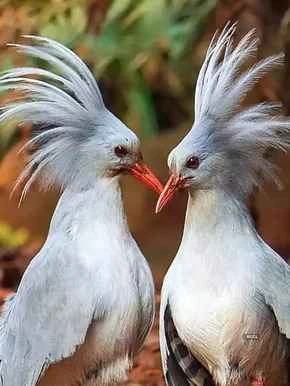
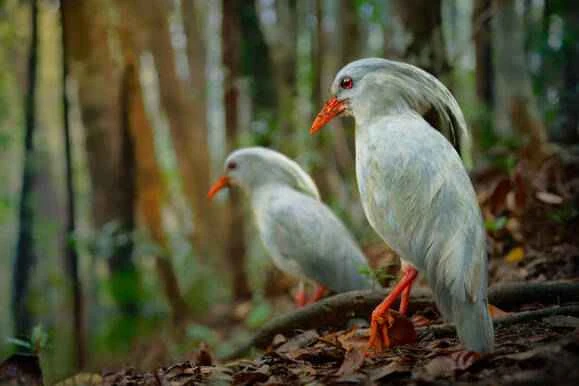
The Kagu is a medium-sized bird, measuring approximately 15 to 20 inches (38 to 50 centimeters) in length. It possesses distinctive grey plumage, soft in texture, which blends well into its forest environment. Its most striking feature is the crest on its head, which it can raise or lower depending on its mood. The Kagu also has bright orange-red legs and feet, adding a splash of color to its relatively monotonous appearance.
Behavior and Adaptability
Kagu birds are flightless , which is one of the reasons they evolved unique characteristics. They have strong legs that allow them to move quickly through their forest habitat. Their wings are small and not suited for flight, but they help them maintain their balance when crossing the forest floor.
Habitat of the Kagu bird
Natural environment
Kagu birds primarily inhabit the humid rainforests of New Caledonia. They prefer dense thickets, which provide cover and abundant food sources. Habitat is crucial for their survival, as it offers the conditions necessary for foraging and nesting.
distributed
The kagu is endemic to New Caledonia, meaning it exists only in this region. Its limited habitat makes it particularly vulnerable to habitat loss, especially due to deforestation and human activity.
Kagu bird diet
Foraging habits
Kagu birds are omnivorous, feeding on a variety of insects, small invertebrates, and plants. They use their long, slender beaks to search for food on the ground and among fallen leaves. This foraging behavior is crucial to their diet, as it allows them to access food sources hidden on the forest floor.
The importance of diet
The diet of the kagu plays a crucial role in maintaining the ecological balance of its habitat. By consuming insects and other invertebrates, they help control populations of potential pests. Furthermore, their foraging activities help loosen the soil, promoting healthy plant growth.
Protection status
Threats to the Kagu Bird
Despite their unique adaptations, the kagu faces several threats that have led to its decline. Habitat destruction, particularly due to logging and agricultural activities, is the greatest risk. In addition, the introduction of predators such as rats and cats has also negatively impacted the kagu population, as they prey on eggs and chicks.
Protection status and quantity
The Kagu is listed as an endangered species by the International Union for Conservation of Nature (IUCN). The global population is estimated at between 1,000 and 2,500 individuals , with some estimates suggesting breeding pairs as low as 800. This limited population, coupled with ongoing habitat loss and predation pressures, underscores the urgency of conservation efforts.
Protective measures
Efforts are currently underway to protect the kagu and its habitat. Conservation organizations are working to protect remaining forest areas and educate local communities about the importance of protecting this unique species. In addition, captive breeding programs have been established to help increase kagu populations. Furthermore, programs aimed at eradicating invasive species are crucial for protecting kagu nests and chicks.
The Kagu (Rhynochetus jubatus) , also known as the Kagu, is an extraordinary bird that showcases the beauty and diversity of New Caledonia's wildlife. Its unique characteristics, behaviors, and diet make it an integral part of the ecosystem. However, the challenges it faces underscore the importance of conservation efforts to ensure its survival. By raising awareness and taking action, we can help protect the Kagu so that future generations can appreciate and enjoy it. If you are interested in learning more about this remarkable bird, please consider supporting conservation projects aimed at protecting its habitat and ensuring its future.