The Callitrichidae family is a fascinating family of small primates, commonly known as marmosets and tamarins. This family includes some of the world's smallest monkeys, with unique social structures, diets, and an intriguing evolutionary history. This article will explore the various genera within the Callitrichidae family, its notable species, and key characteristics.
What is the family Callitrichidae?
The family Callitrichidae, also known as marmosets or tamarins, includes genera such as Callithrix , Saguinus , Leontopithecus , Cebuella , and Mico . These monkeys are mainly distributed in the tropical forests of South America, especially the Amazon basin.
Evolutionary Background
Historically, the Callitrichidae family was considered a primitive group among primates. However, recent research suggests that these monkeys may actually represent a dwarf lineage evolving from a larger ancestor. This phenomenon, known as "island dwarfing," is believed to be caused by environmental changes and geographical barriers during periods of aridity.
Key features
Size and appearance
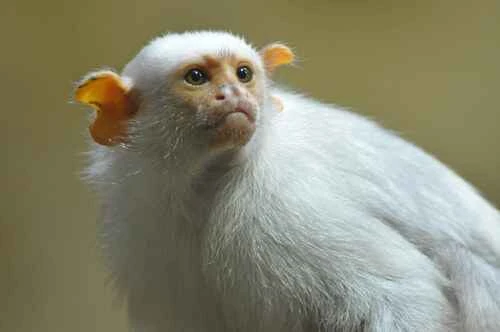
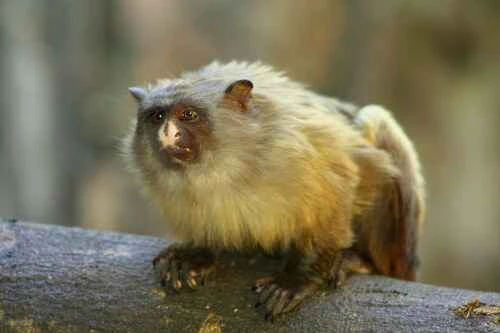
Tamarins (Callitrichidae) are among the smallest primates, typically weighing between 1 and 4 pounds. They possess unique physical characteristics, such as claws instead of nails, which enable them to climb trees effectively. Their fur is brightly colored and often features distinctive colors and patterns.
diet
These monkeys primarily feed on insects, fruits, and tree secretions such as resins and gums. Some species, such as the common marmoset, rely mainly on tree secretions for nutrition and are obligate secretion eaters.
social structure
The Callitrichidae family exhibits a unique social system known as cooperative polygamy. In these groups, typically only one female is reproductively active, while males play a crucial role in the care of the young, including carrying, feeding, and protecting them.
Reproduction
A notable characteristic of the Callitrichidae family is its high rate of twin births. In some studied species, over 80% of births are twins, which may be to increase the survival rate of the offspring in the environment.
Major genera and species
Below is a detailed table of key genera in the Callitrichidae family, including their notable species and characteristics:
| Generic name | Common species | Physical characteristics | diet | social structure | Habitat |
|---|---|---|---|---|---|
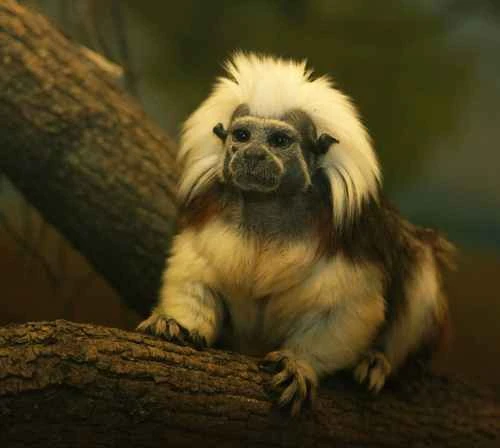
| Saguinus | - Cotton-topped tamarin ( Saguinus oedipus )
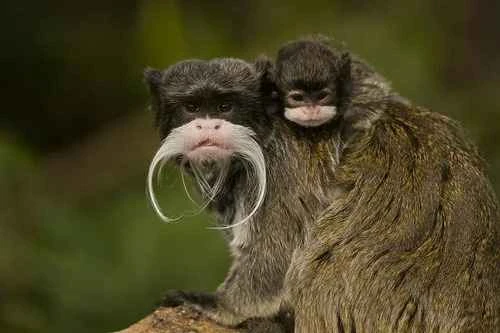
- Emperor marmoset ( Saguinus imperator )
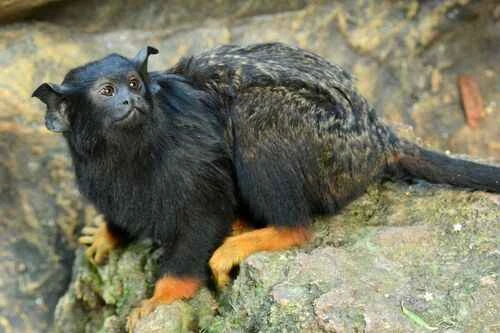
Red Handkerchief Monkey ( Saguinus midas )
| Small stature; some have distinctive facial hair. | Insects, fruits, small vertebrates | Cooperative polygamy, group co-parenting | tropical rainforest |
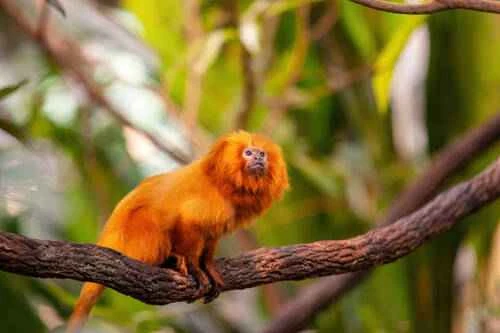
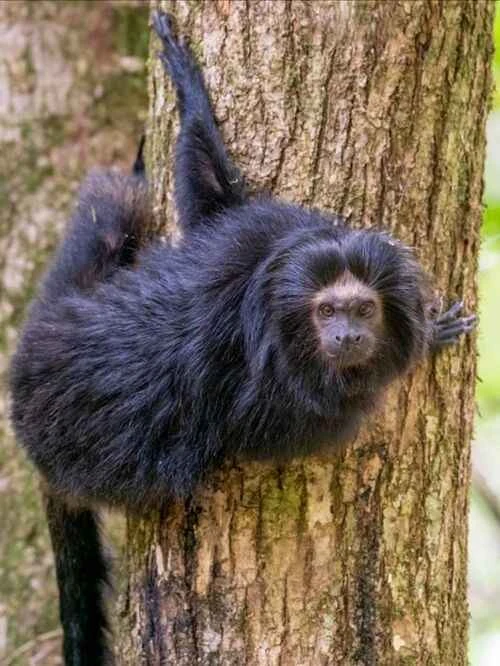
| Leontopithecus | - Golden Lion Tamarin ( Leontopithecus rosalia )
- Black Lion Marmoset ( Leontopithecus chrysopygus )
| Lion-like mane; vibrant coat color | Fruits, insects, nectar | Collaborative groups; shared responsibility for raising children | Brazilian Atlantic Forest |
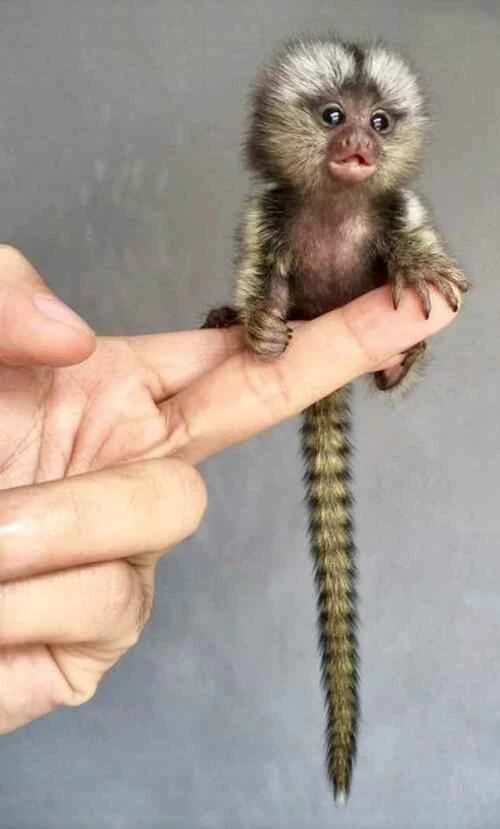
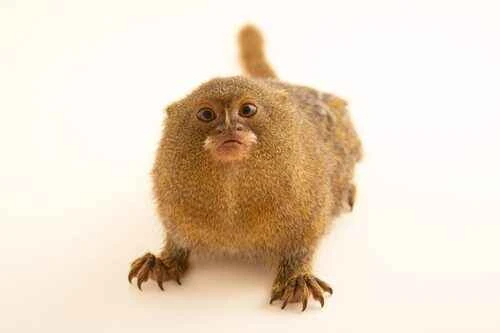
| Cebuella | - Western pygmaea ( Cebuella pygmaea )
- Eastern pygmy marmoset ( Cebuella niveiventris )
| The smallest primate; about 5–6 inches tall | Gum, small insects | Monogamy or polygamy | Amazon rainforest |
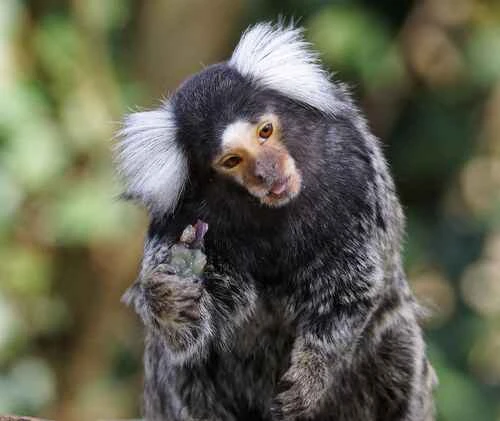
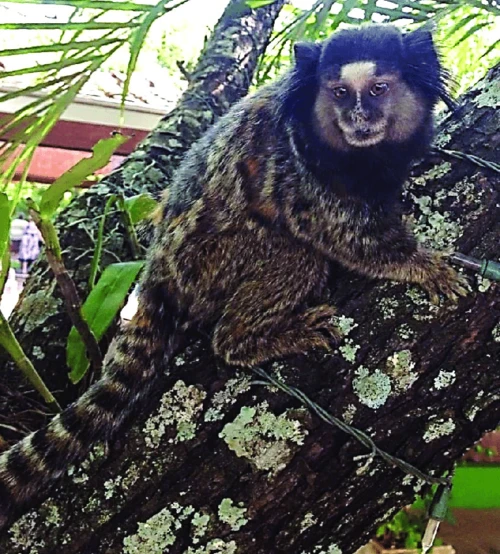
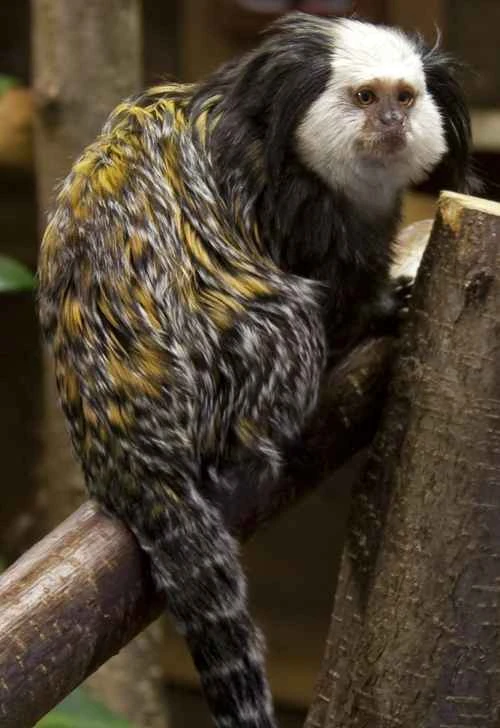
| Callithrix | - Common marmoset ( Callithrix jacchus )
- Black-eared Tamarin ( Callethix penicillata )
- White-headed tamarin ( Callethix geoffroyi )
| It has claws but not nails; its ears are hairy. | Tree secretions, insects, fruit | Polygamy; cooperative reproduction | Brazilian forests |
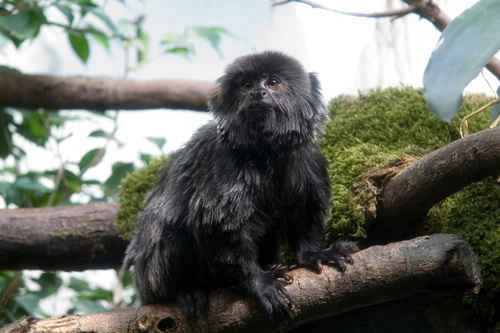
| Callimico | - Callimico goeldii
| It has a combination of claws and nails; its body size is slightly larger than other marmosets. | Fruits, insects, fungi | Small groups, usually monogamous | Amazon basin |
| Mico | - Silver Marmoset ( Mico argentatus )
- Black-tailed Tamarin ( Mico melanurus )
| Silver or white fur; small body size | secretions, insects, fruits | Small groups with close social connections | Amazon and Eastern Tropical Forest |
Preserve the status quo
Many trevally species (Callitrichidae) face threats such as habitat destruction, the illegal pet trade, and isolation caused by environmental changes. For example, the golden lion tamarin is currently critically endangered, but successful reintroduction programs and habitat restoration efforts have helped improve its population.
The Callitrichidae family of primates is a fascinating group that displays a wide range of unique characteristics and behaviors. From their cooperative social systems to their specialized diets, these small monkeys reveal unique evolutionary and ecological mysteries. Understanding and protecting these remarkable animals is crucial for maintaining the biodiversity of their habitats.