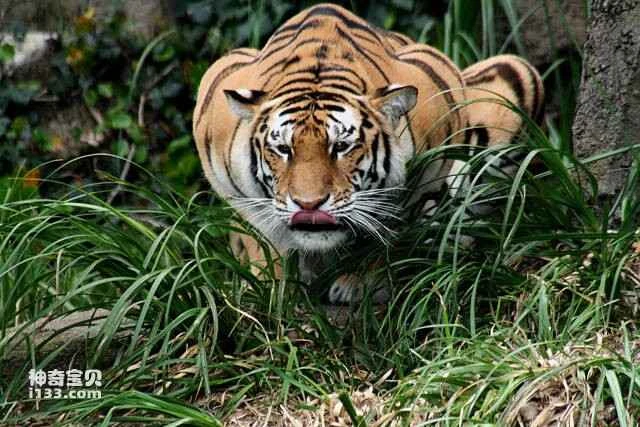
The lion (Panthera leo) is a large cat, known as the "King of the Forest." It is the second largest living cat after the tiger. Lions are mainly distributed in sub-Saharan Africa and a small part of Asia (such as the Gir forest in India), although their distribution was once wider, including Europe, Asia, and the Americas.
Basic features
Size : Adult male lions typically weigh between 150 and 250 kilograms, with a body length of 2 to 3 meters (including the tail) and a shoulder height of about 1.2 meters. Female lions are smaller, typically weighing between 110 and 180 kilograms.
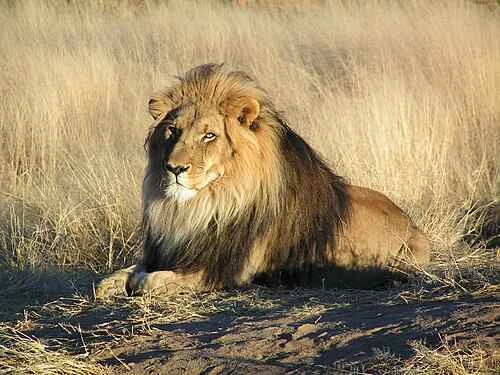
Appearance : Male adult lions have manes, which are their most distinctive sexual characteristic. The mane ranges in color from pale yellow to black and becomes thicker and darker with age. Female lions do not have manes.
Lifespan : Wild lions typically live for 10 to 14 years, but can live for more than 20 years under human care.
Lifestyle
Sociality : Lions are the only social cats. They usually form "princes", which may consist of up to 30 lions, including several males, more females and cubs.
Territoriality : Lion prides have clearly defined territorial boundaries and will defend their territory from intrusion by other prides.
Hunting : Lionesses are responsible for most of the hunting, using a cooperative group approach to hunt, primarily preying on various herbivores such as wildebeest, zebras, antelopes, and buffalo. Male lions occasionally participate in the hunt as well.
Communication : Lions communicate with each other in various ways, including using roars to demonstrate or connect with the group, as well as facial expressions, body language, and touch.
Reproduction
Breeding season : Lions do not have a fixed breeding season, but when a lioness is in heat, the male lions of the pride will mate with her.
Gestation and Cubs : The gestation period is approximately 110 days, and a litter typically contains 1 to 4 cubs. Newborn lion cubs are very vulnerable and need to be closely cared for by their mothers in a secluded place until they are old enough to be introduced into the pride.
Current situation and protection
Lion numbers have declined significantly over the past few decades, primarily due to habitat loss, human-wildlife conflict, hunting, and disease. Lions are currently listed as vulnerable or threatened in many of their native habitats, and have become extinct in some areas.
Conservation efforts : Lion conservation includes protecting their habitats, reducing conflict between farmers and lions, and combating illegal hunting and trade. Meanwhile, national parks and nature reserves provide a relatively safe environment for wild lions.
Relationship with humans
Lions hold an important place in human culture, serving as symbols of courage, strength, and royalty. However, due to the potential threat lions pose to livestock and human life, conflicts between humans and lions have a long history and remain a significant issue in some regions.
Maintaining lions' survival is crucial not only for biodiversity conservation but also for maintaining a stable and healthy ecosystem. Therefore, continuously strengthening environmental protection and promoting related conservation awareness are current priorities.