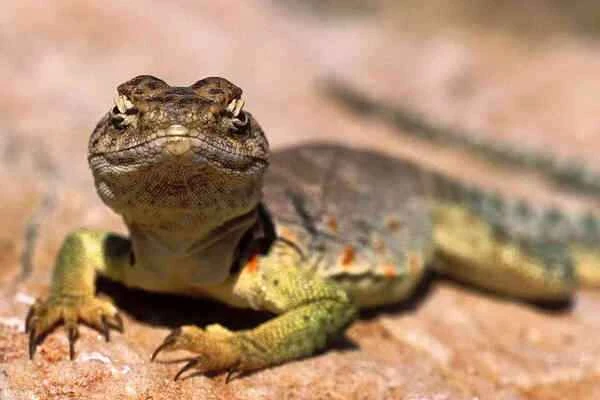
What causes the frilled shark to not undergo transformation?
Frilled sharks are fascinating marine creatures, often referred to as "living fossils." These unique sharks retain many characteristics of their ancient ancestors, and one common question is: why do frilled sharks never undergo transformation? In this article, we'll explore their biology, life cycle, and the reasons why they lack transformation.
Understanding Frilled Sharks
What is a frilled shark?
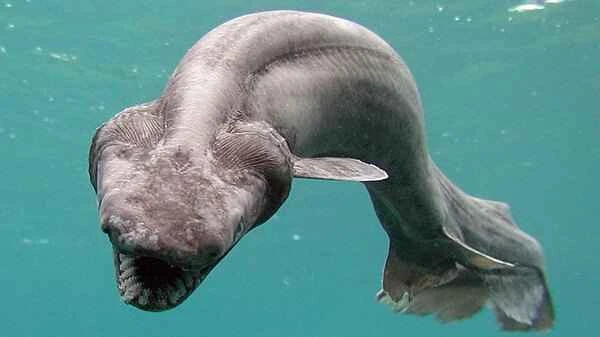
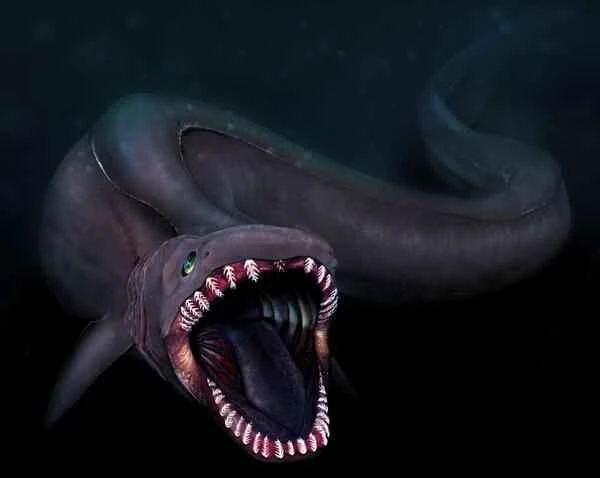
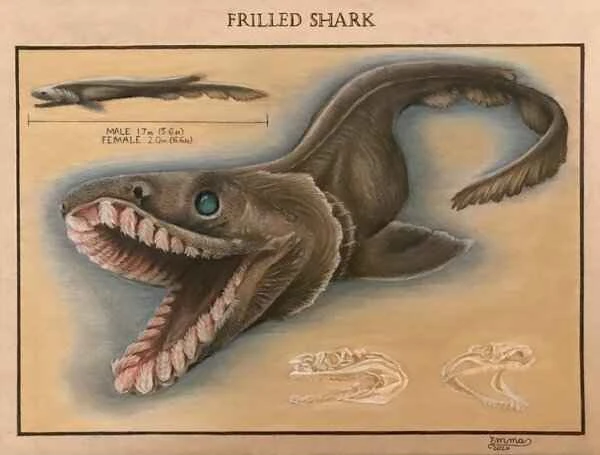
The frilled shark (Chlamydoselachus anguineus) is a deep-sea shark known for its distinctive appearance. They have a slender, eel-like body and unique gill folds, hence their name. They typically inhabit deep waters worldwide, at depths usually between 200 and 2000 feet (60 to 600 meters).
Lifespan and Reproduction
Frilled sharks have a relatively long lifespan, estimated to be 20 years or more. Unlike many fish that undergo significant life cycle changes, frilled sharks exhibit a more stable developmental process. They reproduce by live birth, with the fry being fully developed at birth, resembling miniature versions of the adult shark—a process known as ovoviviparity.
How big is a giant frilled shark?
Giant frilled sharks, or frilled sharks in general, can grow quite large, typically reaching 6.5 to 10 feet (2 to 3 meters) in length. However, some reports suggest they may grow even larger, rarely reaching 15 feet (4.5 meters). Their long, eel-like bodies and distinctive appearance make them quite conspicuous among sharks, but they are still relatively small compared to many other sharks.
What is transformation?
Definition of transformation
Transformation is a biological process in which an organism undergoes significant physical changes after birth or hatching. This process is common in amphibians, such as frogs, which transform from tadpoles into adult frogs. During transformation, these organisms often change their habitat, diet, and even body shape.
Why do some animals change?
This transformation allows some species to adapt to different environments. For example, tadpoles live in water and breathe through gills, while adult frogs live on land and breathe through lungs. This transformation helps ensure their survival in different habitats.
Why don't frilled sharks undergo transformation?
1. Evolutionary stability
Frilled sharks are considered "living fossils" because they have undergone almost no significant changes over millions of years. Their ancient lineage means they have retained many traits that have allowed them to successfully adapt to deep-sea environments. Rather than undergoing transformation, they tend to maintain a relatively stable form throughout their lives, a form perfectly suited to their habitats.
2. Deep-sea adaptation
Frilled sharks inhabit deep-sea waters where conditions are relatively stable and constant. Their body size and physiological characteristics are adapted to these deep-sea environments, making them highly efficient predators. Because they live in relatively unchanging environments, they have little need to adapt to different habitats.
3. Efficient predation strategies
Frilled sharks have a unique hunting strategy that doesn't require significant physical changes. They use their slender, flexible bodies to ambush prey, relying on speed and agility. This predatory lifestyle doesn't require a transformation phase because their adult form is already optimized for hunting.
4. Continuous growth
Unlike animals that undergo metamorphosis, frilled sharks grow continuously throughout their lives. They grow larger while maintaining their original shape, which allows them to adapt to their environment without undergoing drastic changes.
Are frilled sharks harmless?
Frilled sharks are generally considered harmless to humans. They are deep-sea creatures that typically inhabit depths of 200 to 2,000 feet (60 to 600 meters), far from human activity. Their main diet consists of squid and small fish, and there are no known records of them posing a threat to humans.
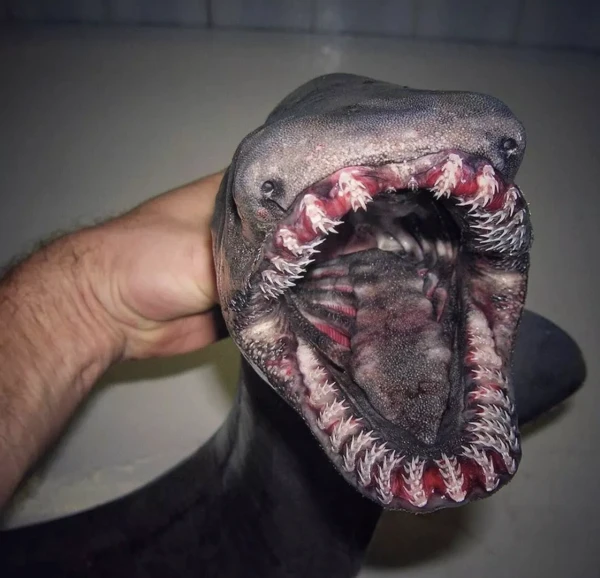
Despite their somewhat intimidating appearance, with their long bodies and numerous sharp teeth, frilled sharks are relatively shy and generally avoid confrontations with larger animals, including humans. Overall, they are more inclined to flee than attack when threatened.
How aggressive are frilled sharks?
Frilled sharks are not considered aggressive. They are generally shy and tend to avoid conflict with larger animals, including humans. Their hunting method involves ambush rather than active pursuit, reflecting their more passive nature. Despite having sharp teeth, they primarily focus on catching squid and small fish rather than exhibiting aggressive behavior. Overall, when threatened, they are more likely to flee than fight back.
In short, the frilled shark's lack of transformation is primarily due to its evolutionary history, deep-sea adaptations, efficient hunting strategies, and consistent growth patterns. These unique characteristics have made it a remarkable species, thriving in the ocean for millions of years. By understanding why the frilled shark hasn't undergone transformation, we can gain a deeper understanding of the mysterious world of deep-sea creatures and the evolutionary processes that have shaped life.